Apple Watch 10 Will Include Sleep Apnea Detection Feature
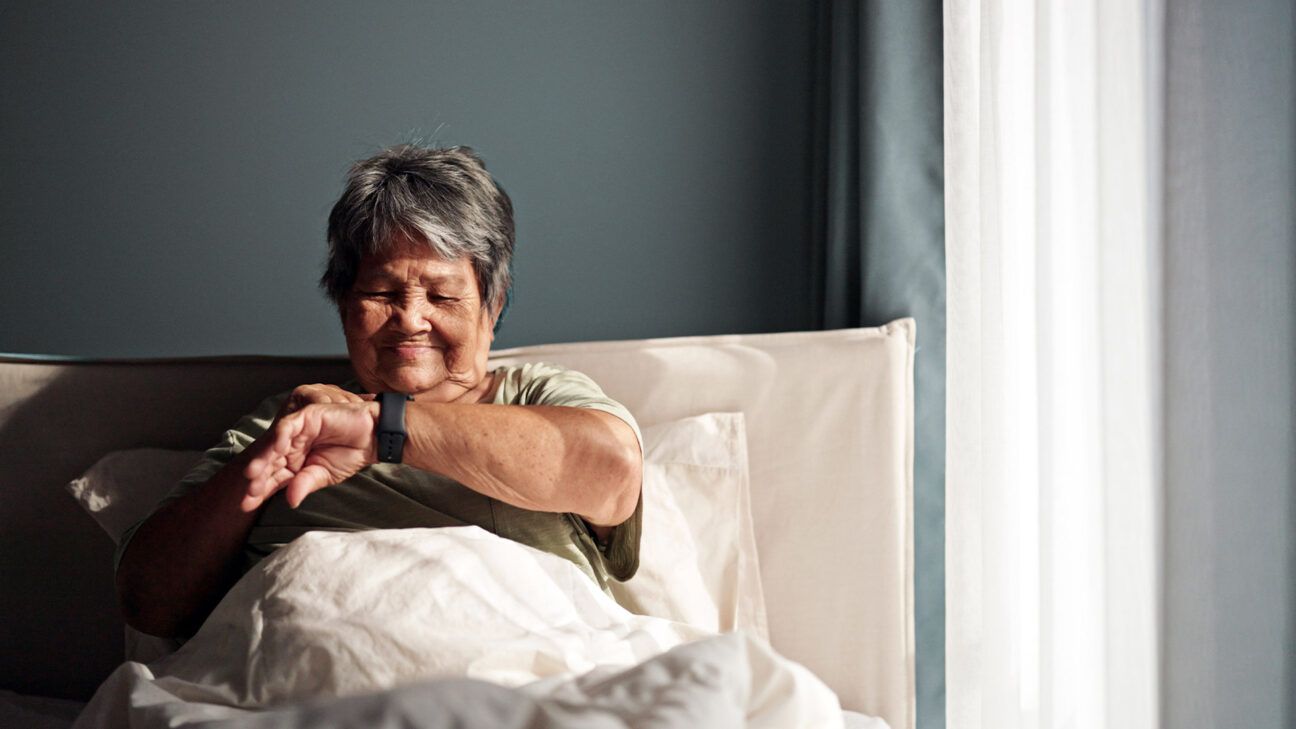
Older female lying in bed looking at a smartwatch.
Apple announced that pending FDA approval, recent versions of the company’s popular smartwatches will soon get features that can detect and track sleep apnea events. pocketlight/Getty Images
  • Apple has announced a new sleep apnea detection feature on its Apple Watch 10.
  • The detection algorithm is based on advanced machine learning.
  • Data from the app can be given to your doctor to help start a conversation.
  • Doctors say its availability will make it easier for sleep apnea to be detected early.
  • It can also help people break through their resistance to seeing a doctor for a diagnosis.

On September 9, 2024, Apple held a “Glowtime” event to announce the latest iterations of its popular Apple Watch, AirPods, and iPhone.

The broadcast, hosted by Apple CEO Tim Cook, was meant to highlight the many ways these devices can accentuate the average person’s health and wellness goals.

While outlets like CNET declared the Apple Watch 10’s big screen the most “dramatic” feature unveiled at the event, it’s the device’s new sleep apnea detection feature that has healthcare providers buzzing.

The newest Apple Watch will have technology on board that will make it possible to notify the wearer if they appear to be having symptoms of the condition.

What is sleep apnea

Sleep apnea affects 39 million adults in the United States alone.

According to the National Heart, Lung, and Blood Institute, sleep apnea occurs when a person’s breathing repeatedly stops and starts during sleep, either due to a blocked airway or the brain’s failure to send the signal to breathe.

Symptoms can include:

  • Loud snoring
  • Gasping for air
  • Excessive daytime sleepiness
  • Problems concentrating
  • Dry mouth
  • Headaches
  • Decreased sex drive
  • Waking at night to go to the bathroom

Diagnosis and treatment, most often with a continuous positive airway pressure (CPAP) machine, is essential because sleep apnea can increase people’s risk for several health problems, including cancer, high blood pressure, kidney disease, heart disease, and type 2 diabetes.

How sleep apnea detection on the Apple Watch will work

According to Apple, the Apple Watch 10 will provide a new metric called “Breathing Disturbances.”

According to the company, the algorithm that provides this metric was developed using advanced machine learning and trained using an “extensive data set of clinical-grade sleep apnea tests.”

Additionally, a clinical study was conducted to validate the algorithm and determine whether it could detect sleep apnea in people who had already been diagnosed with the disorder.

This metric will be obtained by using the watch’s accelerometer to monitor any small wrist movements that occur due to interruptions in sleep.

Every 30 days, the watch will analyze this data and notify the wearer if there are any signs of moderate to severe sleep apnea that need to be reported to their physician.

In a similar way, the metric can also give people information about their overall sleep quality.

The Health app will contain data that can be viewed at any point so people can get an idea of whether they have had disturbed breathing the night before or over a one-month, six-month, or one-year period.

Additionally, Apple Watch users will be able to export all of the collected data as a PDF file that can be taken to a healthcare professional for evaluation.

Apple states that it expects to receive marketing authorization from the U.S. Food & Drug Administration and other health agencies worldwide soon.

The watch will be available in over 150 countries and regions this month, including the United States, Japan, and the European Union.

What doctors think about Apple’s sleep apnea detection

Dr. Michael O. McKinney, a primary physician at Healthy Outlook in Jacksonville, Florida, says sleep apnea often goes unrecognized. Therefore, he feels that this new feature can “go a long way” in helping people get their sleep apnea diagnosed and treated.

McKinney additionally pointed out that the sleep apnea detection feature can provide several benefits, including early detection, improved diagnosis, and ongoing monitoring.

“The combination of sleep apnea detection with a consumer-level product like the Apple Watch means there is a greater improvement in the availability of health-tracking solutions to the masses,” he added, noting that it can help raise people’s awareness about sleep disorders and contribute to better prevention.

McKinney cautioned, however, that while a sleep apnea detection feature can provide preliminary information, it cannot replace a visit to a medical professional.

“The collected data of the watch will require information that will have to be fed to healthcare providers to check the diagnoses and adjust the treatment regimes adequately,” he explained.

Dr. Daniel Glazer, who is a clinical psychologist and the co-founder of several health technology platforms, including UK Therapy Rooms, added that from a psychological point of view, it can help give people the nudge they need to get treated.

“There’s often unfortunate psychological denial intertwined with sleep apnea’s impacts,” he explained.

However, untreated sleep apnea can have impacts on your cognitive functioning, emotional regulation, and cardiovascular health.

“Yet getting people to actually broach the subject and pursue testing is arduous, as snoring rarely feels like a crisis in the moment,” said Glazer.

Glazer went on to add that devices like the Apple Watch can be “an icebreaking catalyst” in encouraging people to seek out the treatment they need.

“No, the Apple Watch readings won’t magically prescribe a CPAP machine ready to go,” he said. “But by empowering insights into our nighttime patterns, it becomes that trusted data point compelling us to finally knock on the doctor’s door.”

Takeaway

On September 9, 2024, Apple announced several new health and wellness features for its Apple Watch, AirPods, and iPhone.

Chief among these was its new sleep apnea detection feature, which has been clinically validated as being able to detect signs of this sleep disorder.

Doctors say that while this feature cannot replace a visit to a doctor, it can help improve sleep apnea’s early detection and treatment.

It may also help people break through any psychological resistance they have about seeing a doctor for an evaluation.

Apple Watch 10 Will Include Sleep Apnea Detection Feature Read More ยป

Black Women Are 25% More Likely to Have a C-Section Than White Women

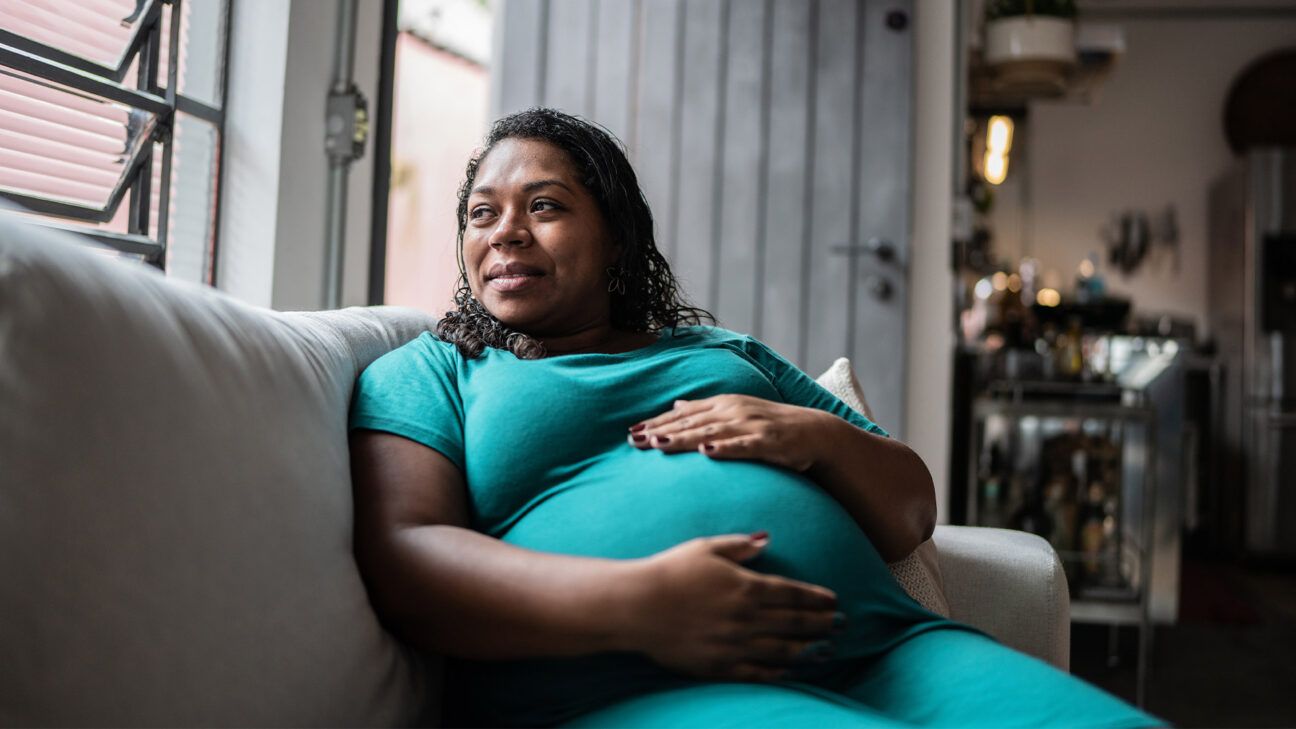
Pregnant female sits on a couch
An alarming new report shows that Black women are 25% more likely to undergo a C-section than white women FG Trade/Getty Images
  • An alarming new report reveals racial disparities in unnecessary C-section rates in New Jersey hospitals.
  • The data show that Black women are 25% more likely to undergo a C-section than white women.
  • The researchers suggest that implicit racial bias among providers may play a role in this rate and that there may be a “financial incentive” in some hospitals to fill operating rooms.
  • Many factors may be responsible, experts say, and more research is needed to determine whether this disproportionate rate carries over to other states.

As racism within the healthcare system persists, a large new study reveals startling disparities in unscheduled C-sections among Black women.

A National Bureau of Economic Research (NBER) report of nearly 1 million births at 68 hospitals in New Jersey found that Black women are 25% more likely to undergo unnecessary C-sections compared to white women. 

While more research is needed to determine whether these disparities are found in other states, the data point to the potential for implicit racial bias occurring in hospital delivery rooms at a providerโ€™s discretion. 

โ€œThe findings from the new study are alarming โ€” it is concerning that these disparities exist and are so stark,โ€ said Mark Simon, MD, chief medical officer at Ob Hospitalist Group (OBHG).

โ€œThe CDC has released data that clearly highlights national differences in C-section rates across each state, with New Jersey ranking on the high end. But this problem is not unique to New Jersey โ€” disparities in maternal mortality, particularly along racial and socioeconomic lines, are also well-documented,โ€ Simon told Healthline. Simon wasnโ€™t affiliated with the research.

Why do Black women have higher rates of C-sections?

Cesarean delivery (C-section) rates have been increasing in the United States in recent years.

Many C-sections are scheduled in advance, leaving experts concerned about whether these are medically necessary.

Planned and unplanned C-sections account for roughly 1 in 3 births in the U.S., well above the 10โ€“15% target rate recommended by the World Health Organization (WHO).

As the new research suggests, these figures include a disproportionate number of Black women. The causes for this disparity, however, is less clear.

NBER researchers suggest that more unscheduled C-sections may be occurring in Black women due to doctors who are โ€œexercising their discretion and are more likely to conduct unnecessary C-sections on Black mothers.” 

They cite in their report previous research showing that Black women are more likely to feel “pressure from a clinician to take medication to start or speed up labor and to have a C-section.”

โ€œI do think this points to implicit bias,โ€ Simon said. โ€œIt’s crucial that healthcare workers receive training on implicit bias to help recognize and reduce disparities in patient care. Additionally, we know a diverse clinical workforce leads to improved outcomes for Black patients. When health systems prioritize equitable outcomes for maternal patients, everyone benefits,โ€ Simon said.  

What are the risks of C-sections?

Cesarean deliveries, whether planned or unplanned, carry risks for both the birthing person and their baby. In emergency situations, however, C-sections can be lifesaving.

C-section deliveries can raise the risk of bleeding, blood clots, infection, and injury to other organs, Simon noted. โ€œAdditionally, they pose increased risks for future pregnancies, including conditions like abnormal placentation,โ€ he added.

As NBER researchers note, Black women tend to have worse health outcomes overall than white women. However, experts point out there are underlying factors to consider that may affect the health outcomes of Black women following C-sections.

โ€œIf Black women undergo more cesarean deliveries, their exposure to associated risk increases,โ€ Simon said. โ€œThese risks are compounded by the fact that Black women already experience higher rates of pregnancy complications and are more likely to have underlying chronic health conditions.โ€

Kecia Gaither, MD, MPH, double board certified OB-GYN and maternal fetal medicine specialist and director of Perinatal Services/Maternal Fetal Medicine at NYC Health + Hospitals/Lincoln in the Bronx, agreed that comorbidities often influence C-section outcomes. Gaither wasnโ€™t involved in the new report.

โ€œIs there a high concentration of obesityhypertension,  diabetes, substance abuse, [or] HIV?โ€ Gaither questioned.  โ€œ[Itโ€™s a] difficult question to answer.โ€ 

Multifactorial issues, such as racism, bias, poor attention to the clinical status of postoperative Black women, or the quality of the health facility, could all impact health outcomes following a C-section delivery, Gaither said.

The long-term risks of C-section delivery are not fully understood, but research has shown that short-term effects of Cesarean delivery may include:

  • altered immune development
  • increased risk of allergy, atopy, and asthma
  • reduced intestinal gut microbiome diversity

โ€œCesarean sections are not benign procedures โ€”ย the risk of hemorrhage, damage to the internal organs, [and] infection run high for the mother,โ€ Gaither said.ย 

โ€œBabies born via cesarean may have breathing issues. Babies swim in amniotic fluid, this fluid fills the lungs. With a vaginal birth, this fluid is ‘squeezed out’ as the baby transits the birth canal. With an operative delivery, this lung fluid isn’t expressed, and it takes a while for that process to occur. As such, the baby breathes rapidly in an attempt to clear this fluid from its lungs,โ€ she explained.

Is there a financial incentive to perform C-sections?

NBER researchers suggest there may be a financial incentive for healthcare providers to perform C-sections, thus pushing more Black women into the OR for the procedure.

โ€œI donโ€™t believe labor and delivery units prioritize keeping their operating rooms constantly occupied,โ€ Simon said. โ€œIn my experience, labor and delivery staff do everything in their power to keep at least one OR open in case there is an emergency.โ€ 

Gaither was also cautious to ascribe to this theory. โ€œI think there are many factors to consider when looking at the picture,โ€ she said.

โ€œIs there a high preponderance of early prenatal care [and] pre-conceptual counseling, or are patients showing up late in gestation, effectively โ€˜crashing and burningโ€™ with some disease process that might have had a better outcome if caught in earlier stages?โ€ Gaither pointed out.

โ€œIs there a high utilization of reproductive technologies contributing to the population served? Reproductive technologies contribute to multiples (twins, triplets, quadruplets, etc.). These higher-order pregnancies increase the Cesarean section rate,โ€ she noted.

When looking at C-section rates within hospitals, Gaither said the following factors should be considered:

  • Does the population being served have insurance?
  • Is the population serviced in a rural or urban setting?
  • What is the mindset of the physicians servicing the population? Are they likely to perform an operative delivery so they can make a social engagement in time?
  • What is the financial status of the hospital/hospitals involved?
  • What impact does the environment play in the health of the populace?
  • What role do bias and racism play?

Takeaway

A concerning new report shows that unnecessary C-sections are 25% more common in Black women compared to white women.

The researchers suggest that implicit racial bias could play a role, and there may be a “financial incentive” to fill operating rooms.

Experts say the reasons for this alarming disparity are multifactorial. More research is needed to determine whether the high number of C-section rates persist in other states.

Black Women Are 25% More Likely to Have a C-Section Than White Women Read More ยป

Kourtney Kardashianโ€™s Lemme Brand Launching โ€˜All-Naturalโ€™ Ozempic Alternative

Kourtney Kardashian
Kourtney Kardashian’s vitamin and supplement brand, Lemme, is launching a line of weight loss supplements, including an “all-natural” GLP-1 Ozempic-like alternative. Raymond Hall/GC Images/Getty Images
  • Lemme, the supplement brand founded by Kourtney Kardashian Barker, is releasing an โ€œall-naturalโ€ weight loss supplement called Lemme GLP-1 Daily.
  • In spite of the name, the product is not a GLP-1 receptor agonist like Ozempic or Wegovy.
  • The product contains natural ingredients such as Eriomin lemon fruit extract, Supresa saffron extract and Morosil red orange fruit extract.

Lemme, the supplement brand founded by Kourtney Kardashian Barker, announced that it is releasing a supplement called Lemme GLP-1 Daily aimed at providing consumers with an โ€œall-naturalโ€ way to manage their weight.

In spite of its name, however, the product does not contain a synthetic GLP-1 hormone and is not a GLP-1 receptor agonist like Ozempic or Wegovy.

Ozempic and other GLP-1 drugs mimic the actions of the hormone GLP-1 by activating its receptor, which leads to weight loss and lower blood sugar, among other benefits.

Lemme GLP-1 Daily instead contains natural ingredients such as Eriomin lemon fruit extract, Supresa saffron extract and Morosil red orange fruit extract. 

The product is meant to โ€œboost the bodyโ€™s GLP-1 levels, reduce hunger, promote insulin sensitivity and support healthy weight management,โ€ according to a company press release.

The daily capsules will be available for purchase on the brandโ€™s website beginning September 16 and will be sold via a subscription model at $72 for a monthโ€™s supply or $90 as a one-time purchase.

But how effective is the product for weight loss? Hereโ€™s what to know about the potential benefits of the natural ingredients in Lemme GLP-1 Daily.

Lemon fruit extract

Small clinical trials of Eriomin lemon fruit extract found that this compound didnโ€™t help people lose weight, but it may offer other benefits.

A small study of people with prediabetes and type 2 diabetes who took Eriomin for 12 weeks showed that there was no effect on body weight, body mass index (BMI), lean mass, fat mass or waist-to-hip ratio.

However, those who took Eriomin saw on average a 5% decrease in their blood glucose and a 17% increase in the hormone GLP-1, compared to those who took a non-acting placebo.

Another small 12-week study of people with prediabetes also found that Eriomin had no impact on weight. But there was a 22% increase in blood levels of GLP-1, and an increase in beneficial bacteria in the gut.

Bacteria in the gut can influence your weight by affecting how food is digested, how fat is stored, and whether you feel full or hungry. 

Eating a wide variety of high fiber foods such as whole grains, fruits, vegetables, nuts, and seeds โ€” and limiting intake of added sugars and highly processed foods โ€” can also support healthy gut bacteria.

Saffron extract

An 8-week study of 60 women with overweight found that those who took a saffron extract had decreased snacking, compared to those who took a placebo.

GLP-1 drugs work, in part, by reducing appetite and feelings of hunger, which can help people manage their weight.

However, studies of saffron extract have not shown a large effect on weight when the compound is used alone.

A meta-analysis of 25 earlier studies looking at the benefits of saffron extract found that people with obesity who took this compound saw decreases in their waist-to-hip ratio.

There were also decreases in weight, BMI, waist circumference, and hip circumference. However, these changes were not statistically significant, which means saffron extract may not offer any additional benefits compared to a placebo.

Two other studies, including a review paper of previous studies and a small clinical trial in people with type 2 diabetes, also found that saffron extract didnโ€™t help people lose weight.

Other studies have examined the benefits of saffron extract for people with diabetes, such as improving blood glucose control and cholesterol levels. Some of these studies were done alongside other supplements like cinnamon and ginger or in conjunction with aerobic or resistance exercise.

Red orange fruit extract

The clearest weight loss benefits are seen with Morosil red orange fruit extract.

A six-month study found that people who were living with overweight lost an average of 4.2% of their body weight while taking Morosil, compared to 2.2% in people who took a placebo. The Morosil group also saw larger decreases in hip and waist circumference, fat mass, and fat distribution.

In contrast, one study found that people who took semaglutide โ€” the active ingredient in Ozempic and Wegovy โ€” lost 15.8% of their body weight over 68 weeks.

Are supplements useful for weight loss?

Mir Ali, MD, a bariatric surgeon and medical director of MemorialCare Surgical Weight Loss Center at Orange Coast Medical Center in Fountain Valley, Calif., has concerns about how supplements used for weight loss are sometimes promoted. 

โ€œGLP-1 medications stimulate hormones in the body and have the same effect as those hormones. So when people claim supplements do the same thing, I think thatโ€™s a bit deceptive,โ€ he told Healthline.

And while โ€œfor some people, a natural, herbal supplement can be effective, thereโ€™s no convincing evidence that the supplement is going to have a significant effect on weight loss.โ€

Libu Varughese, MBBS, an endocrinology physician and medical advisor of Aeroflow Diabetes, told Healthline that he would like to see more scientific evidence before recommending the use of natural GLP-1 supplements.

However, if you do choose to use a dietary supplement, do so with caution, he said, and watch for any negative side effects.

The Food and Drug Administration has information for consumers on safely using dietary supplements.

Amy Lee, MD, head of nutrition for Nucific, suggests that people who want to lose weight naturally, think of supplements as just one component of a weight management program.

People also need to make โ€œbehavioral changes that result in decreased caloric intake and increased energy expenditure through movement and exercise,โ€ she told Healthline.

Ali said certain diets have been shown in clinical trials to support weight loss, including ones that involve eating fewer carbohydrates, such as the keto diet and paleo diet.

โ€œThese diets are based on minimizing carbohydrate intake to direct the body toward burning fat,โ€ Ali said. โ€œThatโ€™s natural. There are no medications involved. No supplements. Itโ€™s just eating the right things to promote the burning of fat.โ€

These kinds of diets are even helpful for people who have had bariatric surgery or are taking a GLP-1 medication, he said, โ€œbecause if youโ€™re not eating the right things, you wonโ€™t see as much results.โ€

Takeaway

Lemme, the supplement brand founded by Kourtney Kardashian Barker, is releasing a supplement called Lemme GLP-1 Daily to provide consumers with an โ€œall-naturalโ€ way to manage their weight.

In spite of its name, the product does not contain a synthetic GLP-1 hormone, and it is not a GLP-1 receptor agonist like Ozempic or Wegovy.

GLP-1 drugs mimic the actions of the GLP-1 hormone to lower blood glucose and promote weight loss.

Lemme GLP-1 Daily contains natural ingredients such as Eriomin lemon fruit extract, Supresa saffron extract and Morosil red orange fruit extract. Clinical studies show that these compounds may promote modest weight loss, decrease hunger and appetite, or boost the bodyโ€™s GLP-1 levels.

Kourtney Kardashianโ€™s Lemme Brand Launching โ€˜All-Naturalโ€™ Ozempic Alternative Read More ยป

These Are the 3 Most Effective Ways to Quit Smoking, New Research Finds

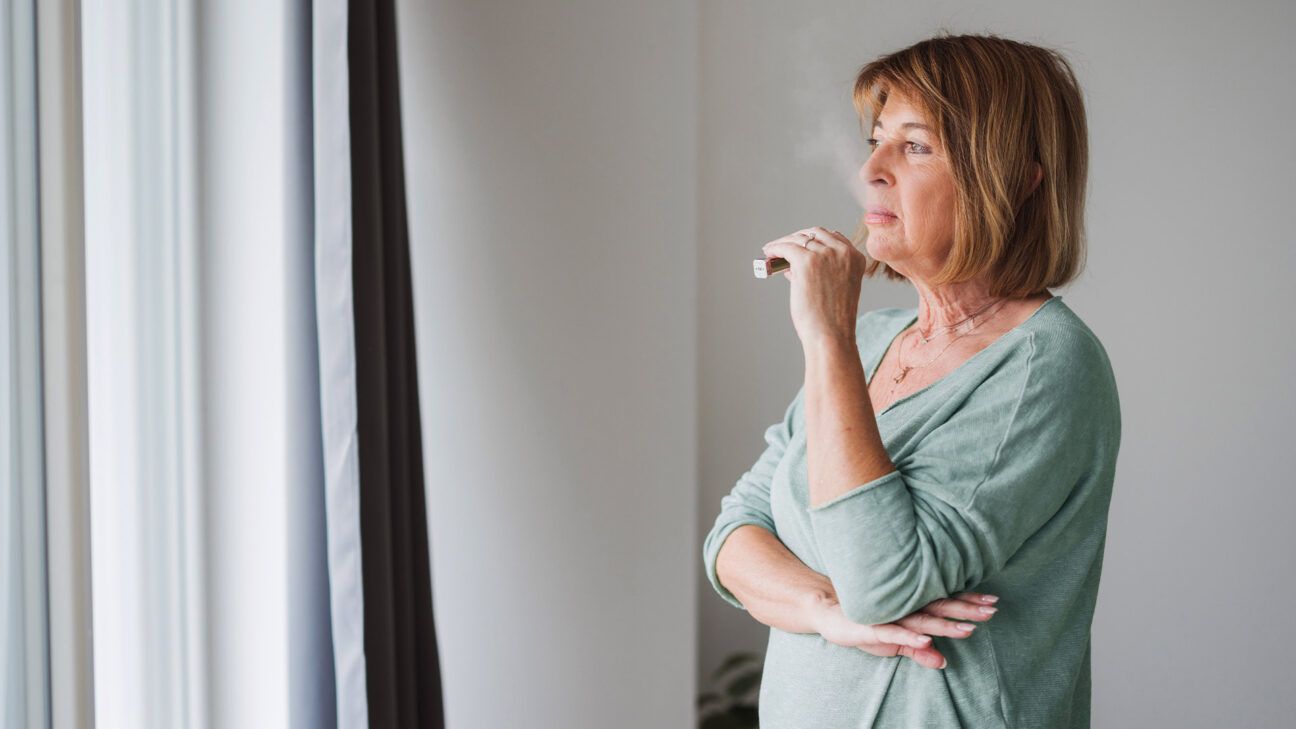
A female using an e-cigarette.
A new review of 300 prior studies has identified the three most effective treatments that can help people stop smoking. Dobrila Vignjevic/Getty Images
  • A new review of more than 300 prior studies has identified the best tools to quit smoking.
  • The research looked at a variety of medications and techniques, including nicotine replacement, medication, and therapy.
  • Health experts say quitting smoking is one of the most important things you can do to improve your health.

There has never been a better time to quit smoking tobacco.

More products exist today to help people snuff out cigarettes for good, but with so many options available, identifying which are the most effective isn’t always easy.

However, a comprehensive new review published this month in Society for the Study of Addiction has revealed the top three most effective means to quit.

Theย Cochrane Tobacco Addiction Group (CTAG)ย conducted this research, whichย included more than 300 prior studies on tobacco cessation products and 157,179 participants.

โ€œUsing the strictest and most rigorous methods, the CTAG reviews represent the gold standard in medical evidence, which is why CTAGโ€™s work is consistently used to inform guidelines and policies around the world,โ€ Jonathan Livingstone-Banks, PhD,ย  a Lecturer and Senior researcher in evidence-based healthcare at the University of Oxford, and first author of the review, told Healthline.

What are the top three most effective ways to quit smoking?

Out of all the current options available, researchers identified three interventions that โ€œemerged as the most effective treatments. They are:

  • Varenicline (Chantix) – An oral prescription medication used alongside education and counseling to stop smoking.
  • Cytisine – A plant-derived smoking cessation aid that has been used for decades in many European countries. Cytisine is not currently available in the USA, nor is it FDA-approved.
  • E-cigarettes (with nicotine) – Evidence around e-cigarettes for smoking cessation remains somewhat controversial. The FDA has never approved an e-cigarette for this purpose. Nonetheless, the present review did find that e-cigarettes were effective at helping people quit.

Varenicline and cytisine both belong to a class of drugs known as nicotine receptor partial agonists. 

โ€œBy interacting with the part of the brain that nicotine normally affects, they help to reduce the withdrawal symptoms people experience when they stop smoking, like cravings and unpleasant mood changes,โ€ said Livingstone-Banks.

They also make smoking less pleasurable, disincentivizing smokers from using cigarettes.

Nicotine replacement therapy (NRT), which includes products like nicotine gum, patches, lozenges, and pouches, is also effective. Researchers found that NRT was even more effective when a long-lasting product, like a patch, was paired with a fast-acting product, like gum.

The oral antidepressant bupropion is also approved for smoking cessation. The Cochrane review found that this medication was helpful to quit smoking, but the evidence was not as robust as that for varenicline and cytisine.

Behavioral support, which includes things like therapy and counseling, was also effective. As was incentivizing tobacco smokers with a financial reward.

Are E-cigarettes more helpful or harmful?

E-cigarettes have boomed in popularity over the past decade.

However, numerous questions remain about their safety, their role in smoking cessation, and their appeal to teens and adolescents. The FDA has not approved any e-cigarette device for smoking cessation. Despite this, anecdotal reports and some research have indicated that nicotine-containing e-cigarettes may help people quit.

Nevertheless, research on e-cigarettes is controversial, and other studies have found the opposite to be true.

Parents and policymakers have also sounded the alarm about the appeal of e-cigarettes, particularly flavored products, to children and teens.

The dilemma has led many to ask whether the devices do more harm than good.ย 

But, without delving into the broad social and public health implications of e-cigarette usage, the evidence for e-cigarettes as tobacco-cessation devices is substantial, according to the review.

โ€œOur research has found that there is very strong evidence that e-cigarettes are an effective way to help people quit smoking tobaccoโ€ฆ While e-cigarettes are unlikely to be completely safe, we can be confident that they are far safer than smoking tobacco,โ€ said Livingstone-Banks.

Hilary Tindle, MD, PhD,ย the Founding Director of ViTAL, the Vanderbilt Center for Tobacco, Addiction, and Lifestyle at Vanderbilt University Medical Center, told Healthline, โ€œThe long-term safety of e-cigs is unknown.ย  Furthermore, e-cigs are aggressively marketed to entice young people to begin using nicotine-containing products, so beyond helping adults quit smoking, there are major public health considerations.โ€

Tindle wasnโ€™t affiliated with the research.

The health benefits of quitting smoking

According to the American Lung Association, these are only a few of the positive health benefits you can experience when you stop smoking, and how quickly they can occur:

  • Twenty minutes: heart rate and blood pressure drop.
  • One day: your risk of heart attack is reduced.
  • Three months: your lung function begins to improve.
  • One year: your risk of coronary heart disease is half that of a person who smokes.
  • Five years: your risk of mouth and throat cancer is half that of a person who smokes.
  • Ten years: your risk of dying from lung cancer is about half that of a person who smokes.

To start quitting, Tindle recommends making a concrete plan:

โ€œSet a target quit date, preferably within 2 weeks, and support your quit attempt with medication and counseling.ย  This combination of support โ€” rather than relying on one or neither โ€” is key and leads to higher success rates,โ€ she said.

Many people in the United States can access free counseling and medication through the hotline 1-800-QUIT-NOW (1-800-784-8669) and websites, including Smoke Free or the Mayo Clinic and Truth Initiative collaboration, BecomeAnEx.ย 

โ€œIf someone does not succeed on the first quit attempt, keep trying. In the US, more than 50% of all people who ever smoked have now quit,โ€ said Tindle.

The bottom line

There are many products and medications available to help you quit smoking, but it may be difficult to figure out which are the most effective.

A new review, which included more than 300 prior studies, has identified the three most effective tools to quit smoking.

The most effective smoking cessation tools include the medication varenicline (Chantix), the plant-derived cytisine (not available in the US), and nicotine-containing e-cigarettes.

Quitting smoking is one of the most important things you can do for your health.

These Are the 3 Most Effective Ways to Quit Smoking, New Research Finds Read More ยป

James Earl Jones Lived with Diabetes for Decades Before His Death at 93

James Earl Jones
Hollywood legend James Earl Jones, known for his iconic roles in The Lion King and Star Wars, managed living with type 2 diabetes for over 20 years before his death at 93. Jemal Countess/Getty Images
  • James Earl Jones, known for roles in Field of Dreams, The Lion King, and Star Wars, died at the age of 93.
  • Jones was diagnosed with type 2 diabetes in his mid-60s, a condition he continued to manage in his later years.
  • Although known for his deep, commanding voice, Jones overcame a severe stutter, which he had through much of his early life.

James Earl Jones โ€” known for his roles in The Lion King and Field of Dreams, and as the voice of Darth Vader in the Star Wars franchise โ€” has died. He was 93. A cause of death was not immediately released.

Jones, who developed type 2 diabetes later in life, overcame a severe stutter in childhood to become an award-winning actor known for his deep, commanding voice.

Jones was diagnosed with type 2 Diabetes in his 60s

In a 2016 interview on the Rachael Ray Show, Jones revealed that he was diagnosed with type 2 diabetes in the mid-1990s while attending a diet and exercise center.

At the time, he was in his 60s, an age at which many older adults are frequently diagnosed with this condition.

โ€œDiabetes and other age-related diseases like obesity and abnormal cholesterol are more prevalent as we get older,โ€ said Noa Tal, MD, an endocrinologist of the Pituitary Disorders Center at Pacific Neuroscience Institute in Santa Monica, Calif.

Jones told Ray in the interview that his condition was discovered by accident.

โ€œI fell asleep on a bench in the middle of the gymnasium one day,โ€ Jones explained. โ€œAnd a doctor who was there said, โ€˜Thatโ€™s not normal,โ€™ and he encouraged me to go get checked out.โ€

A laboratory test revealed that Jones had type 2 diabetes.

This kind of delayed diagnosis is not uncommon.

โ€œUnfortunately, [type 2 diabetes] does go under the radar sometimes,โ€ said Tal.

In 2021, 38.1 million American adults had diabetes, according to the Centers for Disease Control and Prevention. More than one-fifth of these people had undiagnosed diabetes.

The rate of diagnosed diabetes is highest among American Indian or Alaska Native adults, followed by Black adults, Hispanic adults, and Asian adults, CDC data shows. White adults have the lowest rate of diabetes.

Regular screening, such as during routine doctorโ€™s appointments, can catch diabetes early.

She recommends that everyone ask their primary care physician to screen them for diabetes at age 40 or age 35 if they have other health conditions such as high blood pressure.

โ€œDepending on a personโ€™s ethnicity or any [other health conditions] a patient has, screening can be either yearly or every three years,โ€ Tal said.

How Jones learned to manage living with type 2 diabetes

Jones told Healthline’s Diabetes Mine in a 2016 interview that, after his diagnosis, there were โ€œtough changes, like not having my favorite strawberry shortcake.โ€ 

Depending on the severity of the diabetes, some people may be able to control their blood glucose level with changes in lifestyle, said Tal, such as healthy diet and regular physical exercise.

Others may need an oral or injectable medication like metformin, Ozempic or insulin, she said.

Jones had a doctor who suggested he try Invokana. This medication works by eliminating excess glucose through the urine.

โ€œIโ€™ve found that [Invokana] was very helpful in balancing my blood sugar,โ€ he told Diabetes Mine.

Diabetes can sometimes be a lot for patients to manage. In addition to the treatment burden and needing to take care of yourself, there is also an increased risk of complications due to diabetes, especially when it is uncontrolled.

These complications may include heart disease, stroke, kidney disease, nerve damage and foot ulcers.

โ€œWhen diabetes is not well controlled, it can impact the entire patient,โ€ said Tal. โ€œIt affects basically any system in the body.โ€

How a strong support system can help a person manage type 2 diabetes

One thing that Jones learned by managing his diabetes is that โ€œit comes down to being in tune with your body, and Iโ€™m sure the body tells us things long before weโ€™re aware of whatโ€™s happening,โ€ he told Diabetes Mine. โ€œSince then, itโ€™s become my job to be more aware of what my body is telling me.โ€

He also said his wife and son helped him stay โ€œin lineโ€ with his healthy eating. โ€œ[My son] would count the cookies in the kitchen, and he could smell it on my breath if I snuck some,โ€ he told Diabetes Mine. โ€œTheyโ€™ve both helped keep me in line.โ€

โ€œI realized when I was diagnosed with diabetes, my whole family became diabetics,โ€ he explained. โ€œNot that they suffer the same things that I do, but they understand, and we have to work as a family in living with diabetes. They became my support group, as well as my doctors.โ€

Tal said a strong support system can help people with diabetes successfully manage their condition.

โ€œIf I have patients with diabetes who have some issues with memory or if their treatment regimen is complex, I always ask if there is any family support or other social support,โ€ she said.

How Jones overcame a severe stutter

Although Jones is well-known for his voice work, he revealed in a 1986 interview that a severe stutter largely kept him from talking throughout much of his early life.

โ€œI was mute from first grade through freshman year in high school,โ€ he said, โ€œMute because I just gave up on talking.โ€

Jones explained to Charlie Rose in 1993 that he learned to speak clearly through reading his own poetry and the poetry of others, even before he had become an actor.

It was his high school English teacher, Donald Crouch, who helped Jones find a way to express himself verbally.

โ€œDonald said, โ€˜Jim, this poem is so good I don’t believe you wrote it.โ€™ Accused me of plagiarism. โ€˜And the only way you can prove it is to get up in front of the class and recite it from memory,’” Jones recalled in the interview. When he stood up and recited the poem word for word, they were both shocked, he said.

Jones went on to work in the film industry and on stage for many years.

In spite of that, his stutter โ€œis always there,โ€ he told Rose. โ€œItโ€™s there right now.โ€

โ€œStutterers often seem like they are ponderous and deep thinkers,โ€ he went on to explain. โ€œWeโ€™re not. Weโ€™re simply looking for the word we can say without tripping on it.โ€

Throughout his career, he continued to struggle with alliteration, and would go through scripts and ask screenwriters to take out any, such as multiple words in a row beginning with vowels, he told Rose.

In the 1986 interview, when asked if he minds talking about his stutter, Jones said he doesnโ€™t. 

โ€œItโ€™s just another example of, you find yourself with a weak muscle and you exercise it. And sometimes that becomes your strong muscle,” he said. 

Takeaway

James Earl Jones, known for his roles in The Lion King, Field of Dreams, and as the voice of Darth Vader in Star Wars, died at the age of 93. No cause of death was immediately given.

The actor revealed in a 2016 interview that he was diagnosed with type 2 diabetes in the mid-1990s, after he fell asleep in the middle of the day at a diet and exercise center. His family and doctors helped him manage this condition throughout his later years.

As a child and teenager, Jones had a stutter severe enough to keep him from speaking from first grade through freshman year of high school. He credited a high school English teacher for helping him overcome his stutter by encouraging him to read his own poetry out loud.

James Earl Jones Lived with Diabetes for Decades Before His Death at 93 Read More ยป

How cutting-edge AI technology could hold the key to forecasting the pollen count

On the roof of a UK Health Security Agency (UKHSA) lab, at Chiltonโ€™s Harwell Science Campus in Oxfordshire, a new chapter in artificial intelligence (AI) and pollen monitoring is unfolding. In this blog post weโ€™ll explore how our team of Toxicologists are working to better understand and monitor what weโ€™re breathing in and how this may impact our health.

How cutting-edge AI technology could hold the key to forecasting the pollen count Read More ยป

Women Will Be Notified Of Breast Density After a Mammogram: What to Know

A mammography technician and a female patient
The FDA will now require all mammography reports to include whether a person has breast density, which is a breast cancer risk factor. Johnny Greig/Getty Images
  • The FDA will now require all mammography reports to include whether a person has breast density.
  • Breast density is considered a risk factor for breast cancer and can make it difficult to detect signs of cancer.
  • Dietary and lifestyle modifications may help reduce breast density, but more importantly, they help lower a person’s risk of developing breast cancer.

Mammograms are the gold standard for breast cancer detection starting around age 40. 

Breast density can raise breast cancer risk and make it more difficult to detect cancer. Still, many people are unaware of this important risk factor, even if they regularly receive mammograms.

On September 10, the Food and Drug Administration (FDA) issued a final rule that will require breast density to be included in mammography reports. This amendment to the Mammography Quality Standards Act (MQSA) states that all mammogram facilities should include information about breast density in all patient mammography reports and results letters.

โ€œBreast density not only has to do with intrinsic risk but the ability to detect cancer on a mammogram,โ€ Richard Reitherman, MD, PhD, board certified radiologist and medical director of breast imaging at MemorialCare Breast Center at Orange Coast Medical Center in Fountain Valley, CA, told Healthline.

โ€œBecause the normal stromal tissue is white and cancer is white, the denser the breast, the more difficult it is to detect the cancer. This is termed โ€masking,โ€ Reitherman explained.ย ย 

According to the National Cancer Institute, breast density is extremely common. Around half of all females ages 40 and older who receive mammograms are found to have dense breasts. If that includes you, hereโ€™s what you need to know.

What does it mean to have dense breast tissue?

Reitherman explained there are two primary components in breast tissue:

  • Glandular tissue โ€” the physiologically functioning component of the breast responsible for lactation. 
  • Stroma โ€” the fat and support tissue composed of mostly collagen.

Breast density refers to the amount of fibroglandular tissue in the female breast compared to fatty tissue. When there is more fibroglandular tissue, there is more breast density. 

โ€œBreast density characterizes the relative amounts of fat, glandular, and stromal tissue in a mammogram,โ€ Reitherman explained.ย 

When a mammogram demonstrates that 50% or more of breast volume is white, there is breast density. If the white components are less than 50%, the breasts are considered non-dense, Reitherman said.ย 

The FDAโ€™s new Federal Breast Density Requirements for mammography reports classify breast density into one of four categories:

  • “The breasts are almost entirely fatty.” 
  • “There are scattered areas of fibroglandular density.” 
  • “The breasts are heterogeneously dense, which may obscure small masses.” 
  • “The breasts are extremely dense, which lowers the sensitivity of mammography.”

โ€œThe levels of density are characterized based on the composition of fat and dense breast tissue, Kecia Gaither, MD, MPH, double board certified OB/GYN and maternal fetal medicine specialist and director of Perinatal Services/Maternal Fetal Medicine at NYC Health + Hospitals/Lincoln in the Bronx, told Healthline. 

โ€œHeterogeneous dense [means] that most of the breast tissue is dense, but some areas are fatty. Extremely dense [means] most of the tissue is dense, with little fatty tissue,โ€ Gaither explained.

What causes dense breast tissue? 

Gaither said various factors may contribute to dense breast tissue, such as:

  • Diet: A diet high in fat, sugar and red meat may increase the risk of breast density.
  • Body mass index (BMI): Females with lower BMI tend to have higher breast density.
  • Pregnancy and nursing: breast density is higher during nursing and pregnancy, but is favorable in women who have had children compared to women who have not.
  • Certain medications: Hormone replacement therapy (HRT) may increase breast density
  • Age: Younger women tend to have higher breast density.
  • Genetics: Breast density is often inherited.

Are dense breasts more prone to breast cancer?

People with more breast density have more fibroglandular tissue in their breasts, which raises their breast cancer risk. 

โ€œThe glandular tissue this is where breast cancer initially develops,โ€ Reitherman said. 

โ€œThere is a complex interaction between the glandular and stromal tissue which regulates this initial tumor development and its ability to spread. The higher the proportion of stromal tissue, which is white on the mammogram, relative to fat which is black, the higher the risk of breast cancer,โ€ he explained.

Reitherman noted the link between breast density and breast cancer risk is an actively pursued area of research that has โ€œyielded many complex biochemical insights.โ€ 

These insights include the structural proteins, enzymes, and genetic components of breast density and how they may play a role in breast cancer development.

What additional screening is needed for dense breasts?

If your mammography report indicates you have dense breast tissue, you may require further diagnostics, especially if you have other risk factors for breast cancer, such as a family history. 

Additional tests to screen for breast cancer to improve the โ€œmaskingโ€ effect that breast density can have on mammography results may include: 

  • 3D mammogram: X-rays that take images of breasts from various angles.
  • Breast MRI: A magnetic field and radio waves that generate 3D images of the breast.
  • Breast ultrasound: โ€” Sound waves that conduct breast imaging.
  • Contrast-enhanced mammogram โ€” Contrast material that helps highlight areas of concern.
  • Molecular breast imaging โ€” A radioactive tracer and special camera that image the breast tissue.

โ€œMRI is by far and away the most sensitive imaging technique to detect breast cancer in women with dense breasts,โ€ Reitherman said. โ€œUltrasound has been also proven to improve detection of breast cancers in women with dense breasts.โ€

Of course, these tests may come with additional costs. 

โ€œIt is clear that out-of-pocket expenses serve as a definite deterrent for patients to access these additional screening modalities,โ€ Reitherman noted. 

โ€œHowever, if a woman has a lifetime risk that is 20% or greater, most insurance companies will cover annual breast MRI in addition to mammography,โ€ he said.

Should you worry about dense breast tissue?

There are currently no clinical guidelines to reduce breast density and no clear evidence that reducing breast density will reduce cancer risk. 

Still, some studies have shown that certain factors may help decrease breast density, such as: 

But breast density isnโ€™t the only factor influencing breast cancer risk. 

โ€œBreast cancer risk appears to be a multifactorial paradigm predicated on an interplay of multiple factors inclusive of Genetics, environment, diet,โ€ Gaither said.

If you have dense breasts, there are steps you can take to help lower your risk of developing breast cancer. 

โ€œBreast cancer is one of the most lifestyle-responsive cancers. From a preventive standpoint, it is estimated that one-third of all breast cancers could be prevented,โ€ said Ora Karp Gordon, MD, board certified medical geneticist, Regional Medical Director of Clinical Genetics and Genomics for Providence Southern California, and Professor of Genetics at Saint Johnโ€™s Cancer Institute in Santa Monica, CA.

Gordon and Gaither recommended the following:

  • Eat a healthy, balanced diet of fruits, vegetables, and whole grains.
  • Limit added sugar and processed foods.
  • Exercise regularly (aim for 150 minutes a week of aerobic exercise).
  • Avoid alcohol.
  • Quit smoking.  
  • Receive regular mammograms.
  • Know your family history of breast cancer and assess your risk with genetic testing for the BRCA 1 and BRCA 2 genes. 
  • Limit hormone replacement therapy after menopause.

โ€œDecisions on the use of and duration of hormone replacement therapy should always be individualized based on a woman’s risk for breast cancer and her quality of life and clinical symptoms, rather than a ‘prescribe for all’ approach that was common years ago,โ€ Gordon noted.

Takeaway

Mammography results will now include breast density as part of assessing a person’s breast cancer risk.

Having dense breasts can make it difficult to detect signs of breast cancer and is also considered a risk factor.

Dietary and lifestyle modifications help lower a person’s risk of developing breast cancer.

Women Will Be Notified Of Breast Density After a Mammogram: What to Know Read More ยป

TikTokโ€™s Dangerous โ€˜Blackout Challengeโ€™ Can Cause Brain Damage, Death in Less Than 5 Minutes

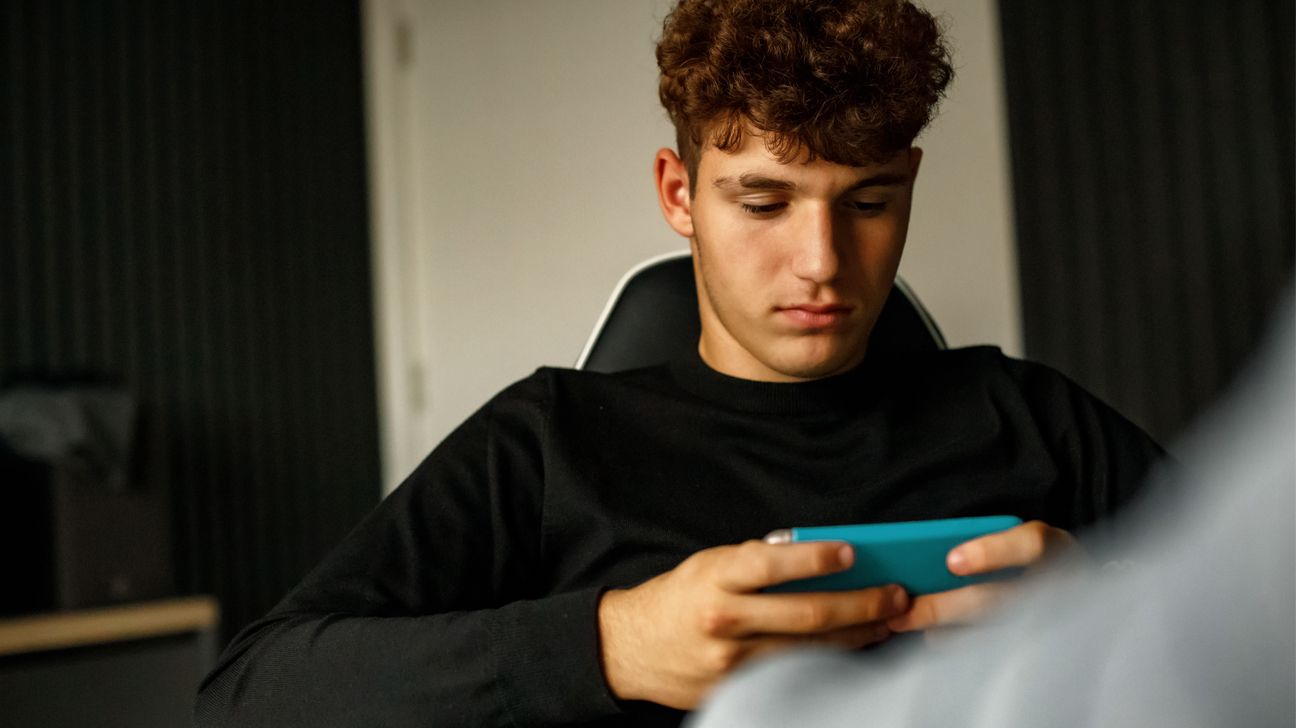
Male teen using smartphone.
TikTok’s viral “blackout challenge” (also known as the “choking challenge” can lead to permanent brain damage or death in under five minutes. Sneksy/Getty Images
  • TikTok’s viral โ€œblackout challengeโ€ (also known as the “choking challenge) is responsible for at least one death this year.
  • The challenge encourages viewers to asphyxiate themselves until they lose consciousness.
  • Asphyxiation is incredibly dangerous and can lead to permanent brain damage and death in less than five minutes.

Following the death of her son, a mom is warning others about the โ€œblackout challengeโ€ (also known as the “choking challenge”), a dangerous viral TikTok trend.

In an editorial for Huffpost, Joann Bogard describes the tragedy of losing her son Mason in 2019. Like other kids his age, heโ€™d shown an interest in social media โ€œchallenges.โ€ Challenge videos encourage social media users to copy an activity from social media and then perform it themselves, posting the video for all to see. Many can be relatively innocuous, but some are far more dangerous.

The โ€œblackout challenge,โ€ which encourages individuals to asphyxiate themselves to the point of losing consciousness, falls into the latter. It is extremely dangerous. Mason lost his life after attempting the challenge and accidentally choking himself to death. Now Bogard is helping other parents to become better educated about social media and online trends.

โ€œWhat worries me most today is that what happened to Mason and our family can happen to anyone โ€” and has happened to others. Families are desperately seeking answers on how to protect their children online,โ€ she wrote for Huffpost.

What is the “blackout challenge?”

The โ€œblackout challenge,โ€ or โ€œchoking challenge,โ€ is an online challenge proliferated through social media apps such as TikTok that encourages viewers to asphyxiate themselves until they lose consciousness. The loss of consciousness is believed to be associated with a โ€œhighโ€ or feeling of euphoria. Challenge videos may be particularly appealing to teens and adolescents.

Unlike other dangerous trends that have come and gone over the years, such as the Tide pod challenge, variations of challenges related to asphyxiation tend to crop up every couple of years.

โ€œThis is a trend that seems to come of age with each progressive generation,โ€ said Mary Beth Howard, MD, MSC, a Pediatric Emergency Medicine Physician at Johns Hopkins Childrenโ€™s Center.

โ€œIt’s very dangerous to begin with, and the other issue at hand is that we have social media and these very powerful algorithms that are propagating these very dangerous behaviors,โ€ she said.

Benjamin Morse, BA, a Visiting Lecturer in New Media and social media expert at the University of Nevada, Las Vegas, told Healthline, โ€œThese trends take off, and they accelerate at such a speed that something tragic can happen before a parent is even aware of what their kids are watching.โ€

The dangers of asphyxiation

Asphyxiation is extremely dangerous and can quickly lead to brain damage and death. There is also the added risk that an individual may take part in the โ€œblackout challengeโ€ by themself, without any form of supervision, greatly increasing the danger.

โ€œWhen you deprive the brain of oxygen and you go unconscious, thatโ€™s it, you’re not able to stop the event,โ€ said Marla Levine, MD, an Associate Professor of Clinical Pediatrics and Director of Emergency Medicine at Vanderbilt University Medical Center.

โ€œYou have a brief period of time where you can then reestablish blood supply or oxygen to your brain to prevent cerebral death,โ€ she said.

Asphyxiation leads to a condition known as cerebral hypoxia, literally depriving the brain of oxygen.

The brain can be deprived of oxygen with as little as 4.4 pounds of pressure and can cause loss of consciousness in just ten seconds. When hypoxia begins, permanent brain damage can occur within just four minutes. Brain death can occur within five minutes of hypoxia.

โ€œWe’re not talking about a long period of time here,โ€ said Levine.

There are also no hard rules for how asphyxiation may affect one individual to the next.

โ€œEveryone’s response to these challenges is variable. So someone could pass out within seconds, someone may take closer to a minute,โ€ said Howard. That variability makes the challenge even more dangerous since an individual may lose consciousness much faster than they anticipate.

Other dangers from asphyxiation include:

  • Damaging the larynx, tissue, and blood vessels of the neck.
  • Heart attack and cardiac arrest
  • Aspiration (vomit in the airways)

If an individual is asphyxiating and has lost consciousness, immediately contact emergency services such as 911.

How to talk with adolescents about social media trends

Speaking to a child about social media and dangerous online challenges may not be easy, but prevention should be a top priority for all parents.

How parents, companies, and lawmakers monitor and regulate social media can be a thorny issue. While some advocate for greater responsibility and censorship from social media companies themselves, Morse recommends a more pragmatic approach.

โ€œWaiting for the platforms to do the work is not going to happen,โ€ he said.

Instead, he recommends parents actively engage with the platforms and apps that their children are using and set appropriate boundaries.

โ€œIf your kids are on TikTok, you need to be on TikTok. I know that’s not a fun answer for parents, but you need to understand what your kids are doing,โ€ he told Healthline.

โ€œIt’s so incredibly important that parents are vigilant in having conversations with their children and vigilant about what they’re consuming in social media,โ€ said Levine.

The bottom line

A dangerous social media trend known as the โ€œchoking challenge,โ€ which encourages viewers to asphyxiate themselves until they lose consciousness, has resulted in at least one death.

Asphyxiation can result in brain damage and death in as little as four minutes.

Parents are encouraged to have open and informed conversations with their children about social media to help set safe boundaries.

TikTokโ€™s Dangerous โ€˜Blackout Challengeโ€™ Can Cause Brain Damage, Death in Less Than 5 Minutes Read More ยป

Can Ozempic Really Lower Your Risk of Severe COVID-19?

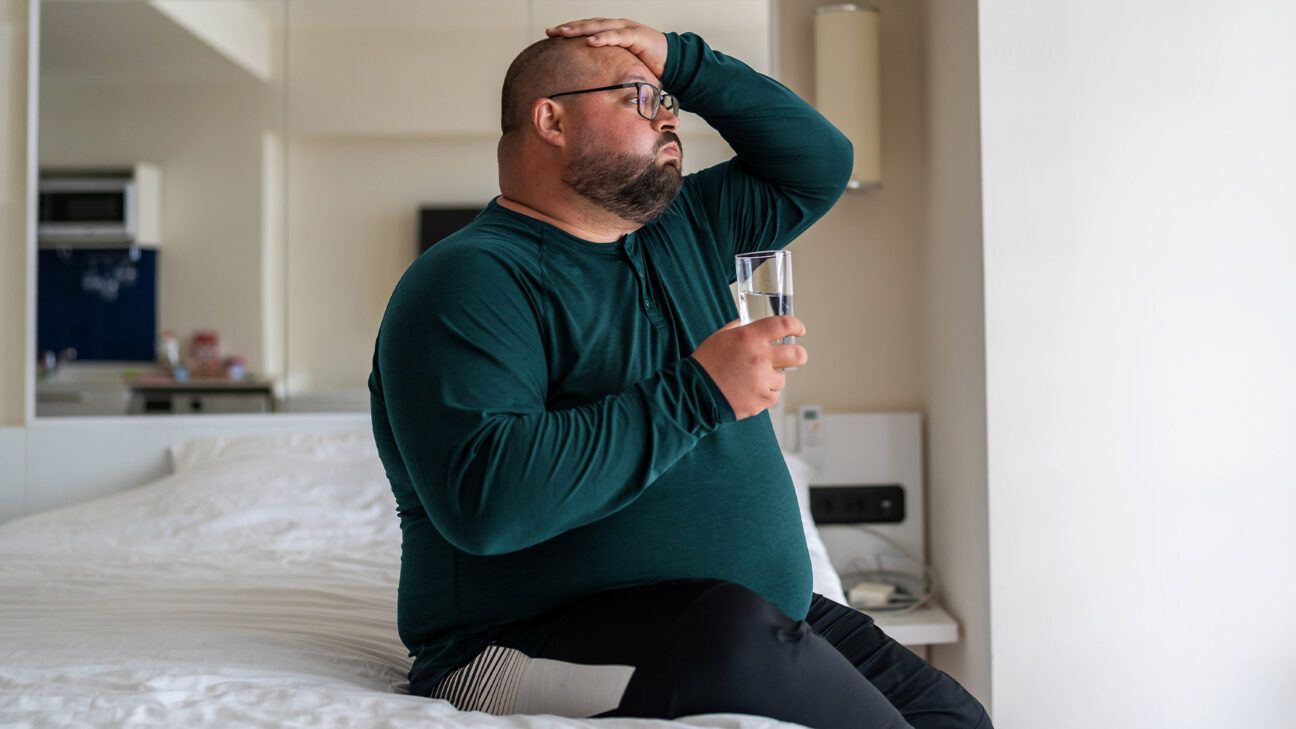
Male sitting on a bed with a glass of water.
GLP-1 drugs like Ozempic and Wegovy may help reduce risks from severe COVID-19 for people living with overweight or obesity. Dima Berlini/Getty Images
  • A new study has found that taking semaglutide (Ozempic) was linked with less severe COVID-19.
  • People were also less likely to die from any cause while using this drug.
  • Semaglutide does not appear to directly affect COVID-19, however.
  • Experts say the accompanying weight loss helps make you healthier in general.
  • Even with semaglutide, you still need to take precautions like vaccines and masking.

According to a study published online on August 30, 2024, in the Journal of the American College of Cardiology, people using 2.4-milligram semaglutide were less likely to have severe cases of COVID-19 when using this drug.

They were also less likely to die from any cause, cardiovascular or otherwise.

The study authors further noted that the reduced rate of non-cardiovascular deaths was mainly due to fewer people dying from infections.

Semaglutide is available under the brand names Ozempic for type 2 diabetes and Wegovy for weight loss.

However, while Wegovy is available in the 2.4-milligram dose, Ozempic tops out at 2 milligrams.

How semaglutide use may affect COVID-19 risks

The authors state that people with overweight and obesity are at greater risk for dying, both from cardiovascular disease and other causes.

Their goal was to see if semaglutide might help prevent these deaths, looking at both cardiovascular deaths and deaths from other causes, including deaths from COVID-19.

The researchers randomly selected over 17,000 individuals to participate.

Participants were ages 45 and up with a body mass index (BMI) that established them as living with either overweight or obesity.

The study participants also had been diagnosed with cardiovascular disease but not diabetes.

Over a period of 3.3 years, these people received weekly injections of either semaglutide or a placebo.

During this time, any deaths that occurred were recorded based on the cause of death.

They found that 833 people died during the course of the study, with 58% of these being related to cardiovascular disease, while the remainder were due to other causes.

After analyzing the data, the researchers reached the conclusion that there were fewer deaths from any cause in the group that was treated with semaglutide.

Another salient finding was that, while semaglutide did not reduce the rates of COVID-19, those who contracted the virus had fewer adverse events related to the disease.

How semaglutide might help reduce COVID-19 severity

Dr. Ramit Singh Sambyal, a General Physician associated with ClinicSpots who was not involved in the study, said that GLP-1 receptor agonists, like semaglutide, were originally designed to treat diabetes.

However, they can improve overall metabolic health by making it easier for people to lose weight, he said.

“When we think about this in the context of COVID-19, thereโ€™s a fascinating link: obesity is a known risk factor for severe outcomes from the virus,” Sambyal explained. “So, anything that helps reduce obesity-related issues might also lower the risks if you get infected.”

Sambyal went on to explain that obesity isn’t just about added weight.

“[I]t also put a lot of stress on the body, including chronic inflammation, which makes it harder for your immune system to fight off infections like COVID-19,” he said.

Losing weight with semaglutide allows your body to function better, said Sambyal.

“Blood pressure drops, blood sugar becomes easier to control, and inflammation decreases,” he said. “This makes you healthier overall and less vulnerable to severe complications if you contract COVID-19.”

Sambyal additionally emphasized that drugs like semaglutide do not appear to have any direct effect on the COVID-19 virus, although ongoing research is investigating whether GLP-1 drugs could impact it.

“So, while they can make you healthier and possibly less likely to suffer severe outcomes, they’re not a miracle cure for COVID-19,” he concluded.

Why you should still take precautions against COVID-19

Dr. Michael Lahey, a physician with My Weight Loss Partner, added to Sambyal’s thoughts by noting that while drugs like Ozempic and Wegovy can aid with treating obesity and obesity-related diseases, they do not free you from taking precautions against COVID-19.

“These drugs are intended for controlling certain illnesses and must be regarded only as useful adjuncts to a particular disease control program,” he explained.

If you have obesity or accompanying diseases that put you at higher risk for COVID-19 complications โ€” such as cancer, chronic kidney, liver, lung, or heart disease; diabetes; or a compromised immune system โ€” you still need to follow measures such as vaccination, physical distancing, and masking to protect yourself, according to Lahey.

“These medications, when taken, truly lower the risk of severe COVID-19, but they do not eliminate the need for every preventive measure,” he stated.

Sambyal added that it’s important to think of these drugs as “a piece of a bigger puzzle.”

“Yes, they can help reduce your risk by improving your overall health, but they donโ€™t prevent the virus from infecting you,” he said.

Vaccines help train your immune system to fight off the virus. Taking additional precautions can help keep you from getting the virus in the first place, said Sambyal.

Takeaway

A new study has found that people using semaglutide experienced less severe cases of COVID-19.

Additionally, they were less likely to die from any cause during the study.

Experts say this is because weight loss makes you healthier overall, reducing your risk for COVID-19 complications.

Even if you are using drugs like Ozempic or Wegovy, you still need to take precautions against COVID-19 โ€” such as vaccinations, physical distancing, and masking โ€” to reduce your risk.

Can Ozempic Really Lower Your Risk of Severe COVID-19? Read More ยป

Health Experts Debunk 3 Popular Sleep Hacks: Try These Alternatives Instead

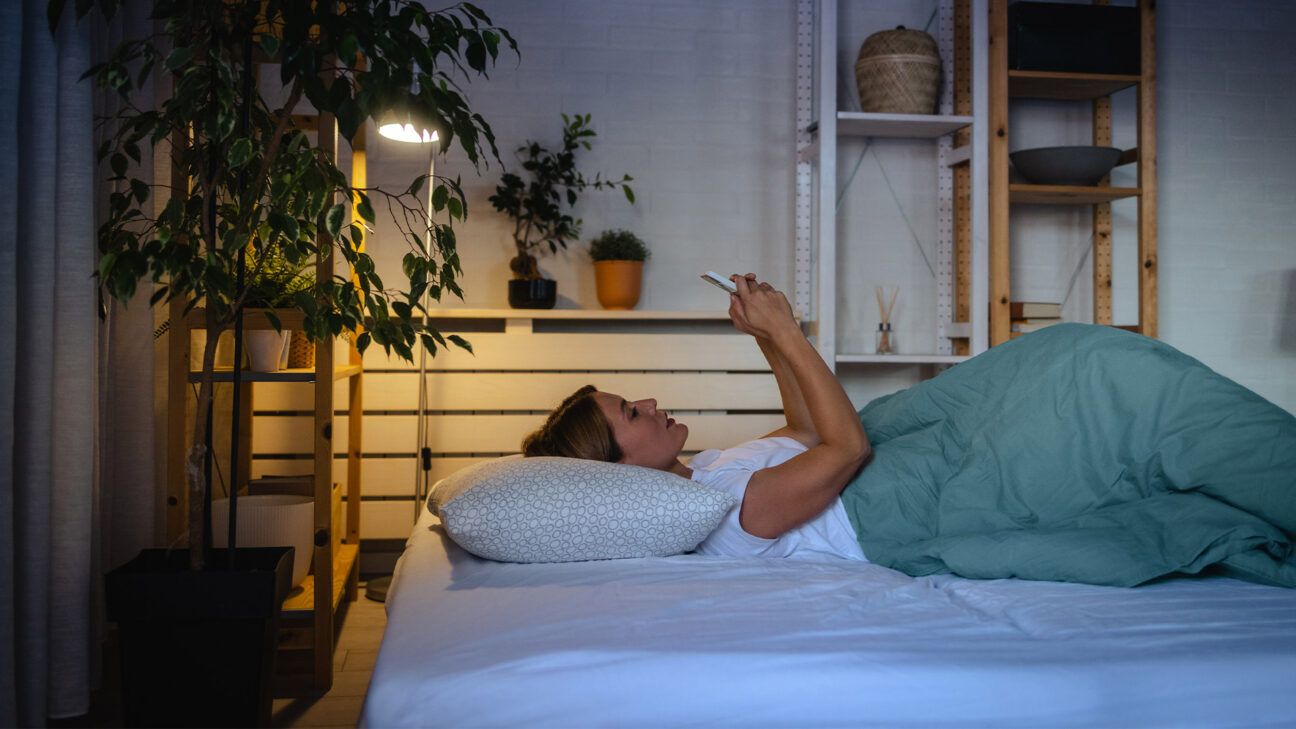
A female in bed looking at a smartphone.
Health experts say three of the most popular viral sleep hacks this year won’t do much to help you get a better night’s Zzzz. Milko/Getty Images
  • Many Americans turn to social media for sleep advice.
  • A survey from the American Academy of Sleep Medicine found that more than 30% of Americans have tried one of this yearโ€™s viral sleep trends.
  • Experts share the ins and outs of these sleep trends and what you can do to get better sleep.

The battle to get good sleep seems constant. So much so that many Americans turn to social media for advice on the latest sleep trends.

According to a 2024 survey from the American Academy of Sleep Medicine (AASM), 37% of Americans have tried at least one of this yearโ€™s trending sleep practices, with 55% of Gen Z survey respondents leading the way.

โ€œI try not to discourage people from feeling active and empowered through the use of online resources to find community, ideas for solutions, and better understanding of their lived experience,โ€ Dr. Anne Marie Morse, Geisinger sleep medicine physician and spokesperson for the American Academy of Sleep Medicine, told Healthline.

โ€œUnfortunately, like with a dress, makeup, or your name, it may look glorious on someone else, but it may not fit just right on you.โ€

Sleep experts break down the implications of top sleep hacks trending on social media.

Bed rotting

โ€œBed rottingโ€ refers to staying in bed for extended periods of time to boost rest, often to the point of neglecting responsibilities and social interactions, with the hopes of improving restoration. According to the AASM survey, this has been adopted by nearly a quarter (24%) of Gen Z.

โ€œWhile spending time in bed can be beneficial for rest and recovery, too much time spent in bed can have negative effects on mental and physical health,โ€ said Morse.

While she encourages the occasional relaxation and restoration efforts, she said protracted periods of time spent lying in bed for any other reason than sleep or sex may jeopardize the health of your sleep, and with that, your medical and mental health could be at risk too.

Sound like an overreaction? Morse said itโ€™s not.

โ€œYour mind can be conditioned to associate things that arenโ€™t meant to be together. So, if you retreat to your bed to โ€˜rotโ€™ away your anxiety, bad day, recent breakup, or other daily challenge, lying in bed can start to make you revisit these negative emotions and lead to difficulties falling and staying asleep,โ€ she said.

Spending a lot of awake time in bed makes people associate the bed with being awake, โ€œmaking the bed less of a โ€˜protectedโ€™ place for good quality sleep,โ€ Jade Wu, PhD, sleep medicine psychologist and Sleep Advisor at Mattress Firm, told Healthline.

In extreme cases, and for those who may have other medical risk factors, prolonged inactivity from lying in bed can lead to issues like muscle atrophy, decreased cardiovascular fitness, and increased risk of obesity, added Morse.

Sedentariness generally doesnโ€™t make people feel better and can have a negative impact on mood, sleep, and metabolic health, said Wu.

โ€œSometimes when weโ€™ve been over-doing it, it can help to give ourselves a chance to rest, though generally, I would reserve that for situations where youโ€™ve truly been doing intensive exercise, working overtime, or going through something extraordinarily taxing,โ€ she said. โ€œI wouldnโ€™t make a general habit of it just for the sake of avoiding starting the day.โ€

Try this instead: if youโ€™re overwhelmed with work or life, rather than staying in bed for prolonged periods of time to refresh, Wu suggested finding a quiet change of scene in nature, practicing mindful meditation or yoga, or reading a book.

Drinking a magnesium โ€œsleepy girl mocktailโ€

Nearly 9% of survey respondents have tried drinking magnesium to help with sleep. The โ€œsleepy girl mocktailโ€ trending on social media is made of a half-cup of pure tart cherry juice, a tablespoon of magnesium powder, and sparkling water.

Drinking magnesium or taking magnesium supplements is generally safe when done within recommended guidelines, said Morse. Magnesium is a mineral that is important for multiple body functions, especially neurologic functioning, which affects sleep.

However, research on the impact of magnesium supplements on sleep has not yielded consistent results, but some data shows higher dosing may improve sleep quality.

โ€œThe limitations of the research are typically related to the type of magnesium studied and small groups of participants, which raises questions on the ability to apply this information,โ€ said Morse.

For instance, a 2023 systematic literature review made a connection to magnesium status and sleep quality in observational studies and a small study from 2012 reported that people who took a daily dose of 500 mg of magnesium for eight weeks indicated that they had fewer subjective insomnia symptoms than people who received the placebo.

However, large-scale randomized control trials have not shown a specific correlation between supplementing with magnesium and improvements in sleep quality.

Morse said that if youโ€™re going to try magnesium to enhance sleep, take note that magnesium formulations are used medically for stomach issues like constipation, indigestion, and heartburn and can cause loose stools or diarrhea.

Try this instead: Talk with your doctor about magnesium before trying it or about other supplements or medications that may be more effective and tailored to your sleep issues.

Sleeping in 90-minute increments

Of those who took the AASM survey, 9% said they tested the effectiveness of sleeping in 90-minute increments.

The idea of sleeping in 90-minute increments is based on the concept of the sleep cycle, which lasts about 90 to 120 minutes for adults and 50-to-60-minute cycles during early childhood.

Each night, the brain goes through multiple sleep cycles, each lasting 90 to 120 minutes, and the cycles consist of different stages of sleep: REM (Rapid Eye Movement) and non-REM (NREM) sleep, explained Morse.

โ€œUnfortunately, the idea misses out on the fact that each cycle can vary,โ€ said Morse. โ€œWhile the 90-minute increment idea can be attractive to some who are trying to get a better handle on achieving their best nightโ€™s sleep, it will likely miss the mark. When you prioritize a full night of restful sleep, youโ€™re more likely to feel refreshed and energized, regardless of whether you wake up at the end of a specific cycle.โ€

For those trying to take a daytime nap, Wu said to aim for around 30 minutes and avoid going over one hour because longer naps can negatively impact nighttime sleep. Also, there is evidence linking longer napping to higher risks for heart disease in the long run.

โ€œIf you are sleeping at night, there is no reason to purposefully interrupt sleep at the 90-minute mark,โ€ said Wu.

Extraordinary circumstances are an exception, like a soldier on a mission, an ultramarathoner who is running for 24-plus hours, or someone experiencing jet lag.

โ€œThen itโ€™s okay to nap for any amount of time that is needed to catch up on sleep that the body needs, including a 90-minute nap if thatโ€™s whatโ€™s feasible,โ€ said Wu. โ€œBut there is nothing special about 90-minute cycles that warrants trying to sleep in these increments.โ€

Try this instead: Instead of sleeping in 90-minute increments, Morse recommended focusing on getting into a regular sleep schedule and shooting for seven to nine hours of sleep a night, which is likely to bring a higher return on investment.

Helpful sleep habits to consider

While there are many attractive sleep โ€œhacksโ€ on social media, they are enticing because they donโ€™t require a lot of effort. โ€œBut if good sleep health were as simple as taking a supplement or staying in bed all day, we wouldnโ€™t have so many millions of people with sleep problems in the U.S.,โ€ said Wu.

If youโ€™re at a loss for ways to get better quality sleep, consider the following strategies:

  • Donโ€™t force anything related to sleep. Instead, Morse said to uncover what is causing the resistance. โ€œThe challenge here is that there are over 70 types of sleep disorders, plus innumerable medical and psychiatric disorders that can contribute to difficulties sleeping,โ€ she said. โ€œForcing someone to be in bed can actually worsen these issues.โ€
  • Getting lots of bright light exposure during the day, ideally by being physically active outdoors can help boost sleep quality.
  • Set a consistent sleep schedule. Going to bed and waking up at the same time, or within an hour of that time, every day helps regulate your bodyโ€™s internal clock, making it easier to fall asleep and wake up naturally.
  • Practice good sleep hygiene. Try to create a relaxing bedtime routine by making your bedroom quiet, keeping the room at a comfortable, cool temperature, and limiting exposure to bright light in the evenings, said Morse.
  • Discuss hacks youโ€™re interested in with your doctor. Sharing solutions you find online with your doctor is a good first step. โ€œSometimes what we find is that the solution you want to discuss actually helps you and your [doctor] uncover what the real problem is. And, now they are able to tailor treatment to your specific situation,โ€ said Morse.

Health Experts Debunk 3 Popular Sleep Hacks: Try These Alternatives Instead Read More ยป

Sign In Sign Up
Sign In Sign Up
x

Chatbot

Scroll to Top