
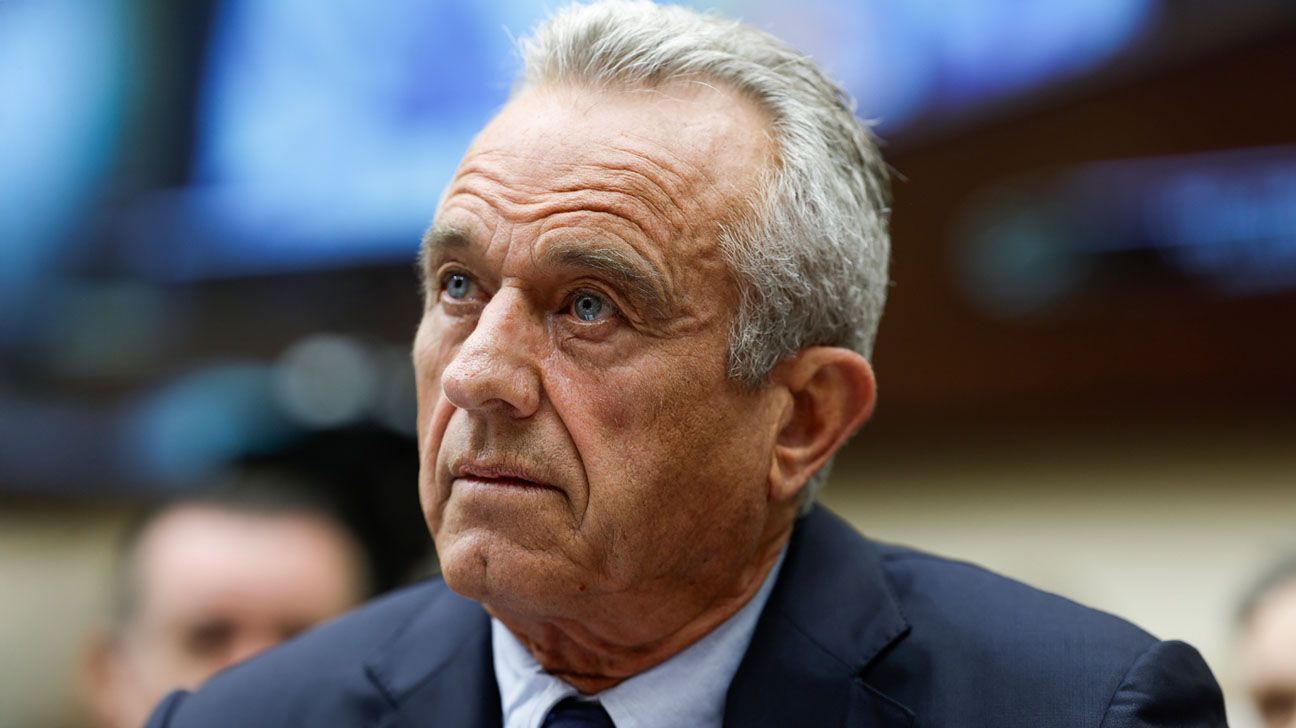
- HHS Secretary Robert F. Kennedy Jr. announced the agency will pull $500 million in funding for 22 mRNA vaccine development programs.
- Kennedy criticized mRNA vaccines, claiming the evidence-based technology “failed to protect” against respiratory diseases like COVID-19 and influenza.
- Experts say terminating funding for mRNA vaccine programs could impact public health responses to future pandemics and the fight against cancer and other diseases.
The U.S. Department of Health and Human Services (HHS) announced on August 5 that it will withdraw $500 million in funding from vaccine development projects.
The decision follows what the agency described as a comprehensive review of mRNA-related investments that began during the COVID-19 public health emergency.
“We reviewed the science, listened to the experts, and acted,” HHS Secretary Robert F. Kennedy Jr. said in a statement shared with Healthline. “We’re shifting that funding toward safer, broader vaccine platforms that remain effective even as viruses mutate.”
Kennedy said the decision to terminate 22 mRNA vaccine development projects is based on data showing that the vaccines “fail to protect effectively against upper respiratory infections like COVID and flu.”
Some final-stage contracts with vaccine makers (i.e., Arcturus and Amplitude) have been granted permission to conclude their projects, but no new mRNA-based projects will be allowed.
“Let me be absolutely clear: HHS supports safe, effective vaccines for every American who wants them. That’s why we’re moving beyond the limitations of mRNA and investing in better solutions,” Kennedy said.
The shift in health policy aligns with Kennedy’s ongoing skepticism over vaccine safety and effectiveness.
The Health Secretary has criticized mRNA technology on his social media platforms, scaled back recommendations for COVID-19 shots, dismissed the CDC panel that recommends vaccines, and has been generally skeptical of vaccination against measles amidst a growing outbreak.
The HHS attests that vaccines developed against COVID-19 that were funded for emergency use “failed to meet scientific standards” and will be replaced with “evidence-based solutions,” such as whole-virus and novel platforms.
In a news conference following the HHS announcement, Kennedy said the administration’s next focus is a “universal vaccine” that mimics “natural immunity,” the Associated Press reported.
mRNA vaccines considered safe, effective
Public health experts have expressed concern over the agency’s move.
Most experts support the large body of evidence showing that mRNA is a safe and effective, evidence-based technology for fighting respiratory diseases like COVID-19, influenza, and respiratory syncytial virus (RSV).
mRNA vaccines have also shown promise as treatments for certain forms of cancer and other chronic diseases.
“These vaccines have been used in millions of doses around the world and have been subject to very careful scrutiny as to their effectiveness and safety by the Ministries of Health of many countries around the world, not just our own,” said William Schaffner, MD, an infectious disease specialist and a professor of medicine at Vanderbilt University in Nashville.
“The latest technology, which has been [around] for over 20 years, burst upon the scene when scientists were able to very quickly create the extraordinarily effective and safe mRNA COVID-19 vaccines,” he told Healthline.
“Having federal seed money that spurs further research withdrawn is very, very disappointing, and certainly will slow further development.”
Universal vaccines vs. mRNA vaccines
Kennedy said that health officials and scientists will shift their focus to developing universal vaccines against respiratory illnesses that mimic natural immunity.
Universal flu vaccines are still in development, but some studies have shown promising results.
Schaffner explained that a universal influenza or COVID-19 vaccine would protect against a variety of constantly mutating flu or SARS-CoV-2 strains.
Current vaccines against respiratory illnesses like the coronavirus, which were until recently, being constantly updated, are indeed strain-specific in that they’re designed to target a particular dominant strain to fight against severe illness.
A universal vaccine would protect us against strains that have yet to emerge and potentially offer longer-term protection compared to current mRNA vaccines.
“That’s a wonderful goal, but we shouldn’t stop investigating any technology,” Schaffner said. “Withdrawing funding from further development of mRNA vaccines is contrary to a better public health in the future. With vaccines, newer technology allows us to prevent more diseases. And of course, the prevention of disease is medicine’s most noble and highest goal.”
Schaffner noted that pulling funds from mRNA research could also thwart preparedness against the next respiratory disease pandemic, be it bird flu, another coronavirus, or some not-yet-discovered pathogen.
“I’m optimistic — but optimism doesn’t drive science,” Schaffner said.