
Nicole Eggert underwent a mastectomy with reconstruction in August 2025 after battling…
Content source – www.soundhealthandlastingwealth.com

As we approach autumn, it’s nearly time for people with certain long-term health conditions to be booked in for their free flu jab. Individuals with these conditions are at risk of more severe outcomes if they catch flu. If you’re eligible, you need to know why it matters that you take up the offer.
Your guide to who’s eligible for the autumn 2025 flu vaccine Read More »

Lyme disease prevalence is increasing as warming temperatures fuel the spread of ticks and tick-borne illness.
The Centers for Disease Control and Prevention (CDC) reports the highest rate of tick bites in over five years.
When Justin Timberlake recently announced he’d been diagnosed with Lyme, the disease had entered the cultural zeitgeist.
But for Erika Schlick, Lyme disease is hardly a new phenomenon. The 44-year-old health coach has been on a journey with Lyme since her symptoms first began in 2012. After two years of unusual, often debilitating symptoms, Schlick was finally diagnosed.
She recalled having been bitten by an insect during a camping trip to Yosemite National Park in the summer of 2012 and developing a strange, flu-like illness soon thereafter. She wasn’t aware at the time that it’d been a tick.
“I noticed a strange bug bite on my hand but didn’t think much of it,” she told Healthline. “I remember seeing a tiny bug on my hand in Yosemite… I tried to shake it off, but it wouldn’t budge. I had to scrape it off with my fingernail. It startled me, but I remember thinking, ‘Erika, a bug that small won’t do anything to you.’ I could not have been more wrong. That single, tiny bite was enough to change the entire course of my life.”
Within weeks, Schlick’s health collapsed. The brain fog, fatigue, and joint pain were so severe that she was unable to work at her former job at a design agency in San Francisco. She developed sudden allergies to dozens of foods. Most of her days, she said, were spent in bed in a dark room with noise-canceling headphones because lights and sounds became unbearable.
Lyme disease is often treatable when caught early — the most common sign you’ve been bitten by a tick is the telltale bull’s-eye rash. For Schlick, however, her illness remained a mystery for two years until she received a formal diagnosis.
“Lyme is caused by a highly adaptive bacterium called Borrelia burgdorferi that can survive in multiple forms, hide from the immune system, and persist despite antibiotic or herbal treatments,” she said. “By the time I was diagnosed, it had already deeply affected my nervous system, immune function, and overall health.”
But the disease, she said, gave her a purpose. She began working with a health coach to manage her symptoms and realized she wanted to help others going through similar experiences.
She documented her recovery and shared the different treatments and therapies she’d been trying. After moving to Los Angeles and obtaining her health coach certification from the Institute of Integrative Nutrition, she launched a wellness blog and a podcast called “This Healthy Life.”
Now, Schlick shares that her Lyme disease has been in remission since 2017. Healthline recently spoke with Schlick to learn more about what it’s like to live with Lyme disease and how she managed her symptoms.
This interview has been lightly edited and condensed for clarity and length.
Schlick: The first symptom was a strange flu that would come and go for weeks. Soon after, I woke up one morning with a bald spot the size of a quarter on the top of my head.
From there, my symptoms multiplied quickly:
I saw over 20 doctors during those two years. Every time my labs looked ‘normal,’ I was told it was stress, anxiety, or an unknown autoimmune condition they could not diagnose or treat.
Many doctors are not trained to recognize the full range of symptoms, which often fall outside traditional diagnoses. This is why clinical evaluation by a Lyme-literate doctor is so critical.
Many symptoms have been linked to Lyme disease, but they may also indicate another health condition. Therefore, people with Lyme disease may experience their own unique set of symptoms. These may include:
Schlick: The emotional toll [was] devastating. For two years, I knew something was deeply wrong, yet doctor after doctor told me everything looked ‘normal.’
Living with mysterious symptoms while being dismissed is one of the most isolating experiences you can go through.
Lyme slowly dismantles every part of your life. You go from running a business, doing yoga five times a week, and living fully to becoming a stranger in your own body. On the outside, I looked fine. Inside, I was barely surviving. Some days I couldn’t walk. Most days, I was just trying to get through the next hour and survive.
People don’t see this side of Lyme. They don’t see the good days that come with a crash or the mental toll of having to prove you’re sick when your labs say you’re fine.
Lyme doesn’t just affect your body. It fractures your identity, isolates you from your life, and leaves you grieving the version of yourself you used to be.
Schlick: Lyme disease is difficult to test for because current diagnostics don’t detect the bacteria. Instead, they rely on measuring antibodies, which can take weeks to develop or may never appear at all in immunocompromised patients.
The standard enzyme-linked immunosorbent assay (ELISA) test has up to a 50% false negative rate, [and] many doctors [don’t] order further testing.
Western Blot, though more accurate, is only 80% reliable under ideal conditions.
Labs like IGeneX or Vibrant Labs use more sensitive methods, but even they emphasize the need for clinical diagnosis. Timing, immune suppression, antibiotic use, and the presence of co-infections can all interfere with test results, making it easy for Lyme to go undetected.
With over 300 [genospecies] within the Borrelia [genus], no single test can screen for them all, which is why so many cases are missed and patients go untreated for years.
In addition to Lyme, a tick bite can also leave you with dozens of other diseases called co-infections, such as Babesia, Bartonellosis, Rocky Mountain Spotted Fever, and many more that can be just as debilitating and require different treatments.
Most Lyme patients could have five or more tick-borne infections, which leads to more symptoms and confusion.
Schlick: If you’re experiencing chronic symptoms like fatigue, joint pain, brain fog, or neurological issues, and your labs keep coming back ‘normal,’ Lyme disease should be considered.
Many people go years being misdiagnosed with conditions like fibromyalgia, multiple sclerosis, autoimmune disease, anxiety, or depression, when the root cause is actually Lyme.
If you suspect it, the most important step is finding a Lyme-literate doctor who understands how to make a clinical diagnosis and use accurate specialty labs.
You can find one through ILADS or Global Lyme Alliance. These providers are often the only ones equipped to recognize the full picture, including co-infections and the chronic inflammatory impact of Lyme. Early action is critical; the longer Lyme goes untreated, the harder it is to manage.

Schlick: I have been in remission from Lyme since undergoing stem cell therapy using my own stem cells. But remission does not mean I am back to my pre-Lyme self. (Ed.: Stem cell therapy is not a standard treatment for Lyme disease, nor is it approved by the Food and Drug Administration.)
I live with what I call the ‘Lyme Aftermath,’ lasting conditions [that may be linked to Lyme], including celiac disease, Hashimoto’s, alopecia, chronic inflammatory response syndrome (CIRS), and lipedema [abnormal fat growth]. The lipedema caused me to gain 50 pounds in less than six months. I underwent four lipedema removal surgeries in 2024 and can finally say for the first time in nearly 15 years, I have some peace with my health.
Today, my health is stable and manageable, but it is a new ‘normal.’ I follow an anti-inflammatory, gluten-free diet, use detox therapies like infrared sauna and lymphatic drainage, and avoid mold and other triggers.
My lifestyle now centers around restorative sleep, regular exercise, emotional regulation, and avoiding any potential re-exposure to Lyme, including ticks. Staying in remission means living intentionally, listening to my body, and creating an environment where healing can continue every day.
Lyme Disease: Doctors Dismissed Her Symptoms for Years Before Diagnosis Read More »

Serena Williams is opening up about her weight loss journey with GLP-1 medication Zepbound.
The former professional tennis player is among other celebrities like Oprah and Kelly Clarkson who’ve shared their weight management stories and why they turned to medication.
Williams, a 23-time Grand Slam champion, told Elle magazine that after having her second child in 2023, she lost weight within two weeks, but no matter what she did after that, she couldn’t lose more.
“Every single day, I would get my 30,000 steps. I ran and trained. Even after my first daughter, I never got back to the level that I wanted to be,” Williams told Elle.
The weight she carried caused her to experience joint pain when she played tennis, she told Women’s Health.
Williams began taking a GLP-1 medication in the summer of 2024 but decided to stop. Then, in January 2025, she teamed up with the telehealth company Ro, which her husband, Alexis Ohanian, is an investor in and board member of, to receive Zepbound.
In a Ro-sponsored Instagram post, Williams said she lost 31 pounds while taking Zepbound. She joins former NBA star Charles Barkley, who lost 65 pounds taking a GLP-1 in partnership with Ro.
“Serena Williams is such an inspiration to so many, and I’m glad to hear she has spoken about this publicly. It’s an important message,” Scott Isaacs, MD, president of the American Association of Clinical Endocrinology, told Healthline.
Williams has faced scrutiny around her body her entire life. In her HBO documentary, “Being Serena,” one scene shows her coach talking with her about the need for her to lose weight.
Fans have also commented on her body throughout the years, expressing both positive and negative sentiments.
While Williams said she put a lot of thought into taking anti-obesity medication, she told Vogue that at this point in her life, she doesn’t feel ashamed about letting the public know.
“For lack of a better way to say it, I don’t really care what people are saying about my body anymore. But what is important to me is transparency,” she said.
Isaacs said stigma around obesity can make people feel judged or guilty for using medication to manage their weight.
“Many patients blame themselves, even though obesity is a disease of disordered appetite and biological origin, not simply the result of habits or willpower,” he said. “Weight is determined primarily by biology and genetics, not by willpower alone.”
But taking anti-obesity medications isn’t the “easy way out,” said Rekha B. Kumar, MD, senior medical advisor at Cornell University and chief medical officer at Found.
Kumar noted that as more high-profile people share their experiences, the stigma around these medications will soften.
“People who have all the tools in the world, like Serena and Oprah, have shown us that this is not the easy way out but rather an important tool to address the biology of weight control when diet and exercise do not help,” Kumar told Healthline.
Zepbound (tirzepatide) is currently the most effective medication available for weight management.
“Tirzepatide works by targeting both GLP-1 and GIP receptors, resulting in greater weight loss and better glucose lowering than medications that target GLP-1 alone,” said Isaacs.
In the head-to-head SURMOUNT trial, funded by drug manufacturer Eli Lilly, people who took tirzepatide lost more weight than those who took semaglutide (Ozempic).
After 72 weeks of treatment, participants taking tirzepatide lost 20.2% of their body weight (about 50.3 pounds), while those taking semaglutide lost 13.7% (about 33.1 pounds) of their body weight.
“All GLP-1s are excellent medicines for diabetes and weight control. We often are limited by what insurance covers and occasionally will look at other comorbidities that a medicine is approved for to see if they might be a good fit,” said Kumar.
Isaacs reiterated that insurance coverage is a big determining factor for GLP-1 access. He pointed to CVS Caremark’s recent change. As of July 1, it removed Zepbound from its formulary, which required most patients to switch to Wegovy, regardless of which drug works better for them.
“Even if a patient is doing well on a medication, insurance sometimes forces a switch due to coverage restrictions or deals made behind the scenes,” Isaacs said. “Cost, patient preference, and side effects still matter, but they are all secondary to what the insurance will actually pay for.”
Zepbound is for adults with obesity or overweight who also have weight-related health conditions such as type 2 diabetes, cardiovascular disease, or high blood pressure.
Zepbound is also indicated for people with moderate to severe obstructive sleep apnea and obesity.
Tirzepatide is helpful for people with metabolic dysfunction-associated steatohepatitis or nonalcoholic steatohepatitis (NASH, formerly MASH).
“In the SYNERGY-NASH trial, tirzepatide showed significant rates of MASH resolution, up to 62%, compared to 10% with placebo, and improved fibrosis in over 50% of participants,” said Isaacs.
Semaglutide (Wegovy) recently became the first GLP-1 approved by the FDA to treat adults with MASH with moderate-to-advanced fibrosis, based on the phase 3 ESSENCE trial.
“Both medications treat obesity and many related metabolic conditions,” Isaacs said.
Tirzepatide and other GLP1s work by targeting specific biological and hormonal pathways that regulate appetite, cravings, and weight.
“Needing medication for weight is no different than needing it for diabetes or blood pressure, and by treating excess weight, many related medical issues can improve,” said Isaacs. “Choosing to treat obesity is a choice for health, not a sign of weakness. Doing nothing is actually the easier path, but taking action shows real strength.”
Williams’ Instagram feed shows that she continues to exercise a lot and eat healthy while taking Zepbound. She told Vogue that she gets her protein fill from beans.
According to Kumar, she is taking the right actions.
“[Zepbound] is a power tool, and patients need to consider what they are willing to change in their lifestyle because if protein requirements and strength training are not in place, people can lose muscle and be predisposed to regaining fat mass if they stop the medicine,” she said.
Anyone considering or taking tirzepatide should know that it works best when combined with regular exercise and a balanced, low calorie diet, said Isaacs.
“Medications are an important option when lifestyle changes alone are not enough, but they do not replace the need for healthy living,” he said. “Tirzepatide is a medical therapy, not a quick fix, and it requires ongoing medical supervision.”
Side effects, most often nausea, vomiting, diarrhea, or constipation, are common, especially as the dose increases.
“Some people are ‘super-responders’ and achieve great results with very low doses known as micro-doses, while others may need to titrate up to the highest dose to get the desired effect,” said Isaacs.
He added that most people need to continue tirzepatide long term because there is a high risk of weight regain if the medication is stopped.
“Everyone’s response is different, so an experienced physician should manage titration and help address any side effects,” he said.
Obesity experts can also inform you about newer medications that are transforming obesity care. Isaacs said more GLP-based medications are on the horizon, including new injectables and lower-cost oral versions expected in the coming years.
“We are truly moving into a new era where obesity is managed like any other chronic medical condition, offering hope and effective therapies,” he said.
Serena Williams Lost 31 Pounds on GLP-1 Drug Zepbound: What to Know Read More »

For many people, maintaining healthy hair goes beyond a good hair cut or buying the latest products. According to new research, hair health begins with a nutritious diet.
A review published on August 21 in Nutrition and Health suggests that what you eat can affect hair growth, strength, and even hair loss.
The analysis shows that sugar-sweetened beverages and alcoholic drinks were associated with a higher risk of hair loss, but also indicates that certain nutrients can promote healthy hair.
From vitamins and minerals to specific foods and drinks, the findings offer practical tips for anyone wanting to support their hair health.
For the review, researchers followed PRISMA guidelines, considered the gold standard for systematic reviews, and registered their work on PROSPERO.
They scoured three big scientific databases — PubMed, Web of Science, and Scopus — looking for studies published between March and June 2024.
Using keywords like “dietary intake,” “nutritional status,” “hair growth,” and “hair loss,” they started with 1,287 articles.
After filtering for English and Portuguese studies and removing duplicates, 880 remained.
Two reviewers independently checked which studies fit their criteria: participants had to be 3 years or older, studies had to focus on specific nutrients or foods, and hair outcomes had to include things like growth, texture, or strength. Non-human studies, reviews, and case reports were left out.
Eventually, 17 studies made the cut. They included more than 61,000 participants — mostly females ages 7 to 77 — and spanned different study types like randomized trials, case-control studies, and cohort studies.
The researchers also assessed the quality of each study, finding some variability, but overall the results offered a clear picture of what we currently know.
The review further highlighted that alopecia was the most frequently studied hair condition, with eight studies focusing on its severity and occurrence, and five studies assessing hair loss more generally.
Various assessment methods were used, ranging from clinical history and physical examination to objective measures like the Severity of Alopecia Score (SALT) and phototrichograms, ensuring a broad evaluation of hair health outcomes.
Among the nutrients studied, vitamin D emerged as the most extensively researched, with five studies focusing on its relationship to hair conditions such as alopecia areata (AA) and androgenetic alopecia (AGA).
Most of these studies found an inverse correlation between vitamin D levels and the severity or duration of alopecia, suggesting that higher vitamin D status may be protective against these hair loss disorders.
However, one study did not find any association, highlighting the need for further clarification.
Iron was another nutrient highlighted for its positive impact on hair health.
One study showed that iron supplementation (100-milligram tablets) improved hair growth among women with alopecia, supporting the role of iron in hair follicle metabolism and cellular proliferation.
Conversely, protein deficiency was found to negatively affect hair health by reducing hair bulb diameter and pigmentation, emphasizing the importance of adequate protein intake for keratin production, the key structural protein in hair.
The review also examined the role of specific foods and beverages as well as certain supplements commonly used for preventing hair loss and encouraging better hair growth.
Consumption of soy products and cruciferous vegetables was associated with reduced hair loss, possibly due to their antioxidant and anti-inflammatory phytochemicals such as isoflavones and carotenoids.
On the other hand, higher intake of alcoholic and sugary beverages was linked to increased hair loss and premature hair depigmentation.
These findings suggest that certain dietary choices can exacerbate or mitigate hair health issues.
In addition to individual nutrients and foods, several studies investigated the effects of dietary supplements containing combinations of vitamins, minerals, and plant extracts.
Supplements such as INVERSION Femme (which includes green tea and grape extracts, beta-carotene, zinc, selenium, and various vitamins) and marine protein formulations showed promising results in reducing hair loss and promoting hair growth.
Similarly, oral supplementation with hydrolyzed eggshell membrane and persimmon leaf extract was associated with improvements in hair density and thickness.
Marie Jhin, MD, a board certified dermatologist and chief medical officer at Musely, told Healthline that hair follicles are metabolically active, so they are reliant on a steady supply of nutrients.
“I encourage patients to eat a diet rich in lean proteins, fruits, vegetables, and whole grains,” she said, noting the importance of iron, zinc, vitamin D, and biotin, as well as omega-3 fatty acids, which can be found in fish, flax, and walnuts.
“Even mild deficiencies in these nutrients can affect hair growth and quality,” said Jhin.
When it comes to supplements, she advised that most people can get adequate nutrition from foods; however, supplements can be helpful when there are dietary restrictions or proven deficiencies.
“Vitamin D and iron are two common deficiencies I check for in patients with hair loss, and supplementation can make a difference if levels are low,” she said.
Jhin further spoke about biotin, which is often marketed for hair health.
“[While] it may help some individuals, it is usually most effective in people who are deficient, which is relatively rare,” she explained.
Jhin recommended speaking with a physician before starting any supplements since over-supplementation may do more harm than good.
Susan Massick, MD, a board certified dermatologist at The Ohio State University Wexner Medical Center, emphasized the importance of maintaining overall health.
“Get regular physicals and health exams, follow your physician’s recommendations, lower your stress levels, eat a healthy, well-balanced diet, avoid smoking, and get plenty of rest,” she told Healthline. “Be gentle with your hair care.”
However, if you are experiencing hair loss, Massick stated that it’s important to start treatment early, especially if you’re genetically at risk for hair loss. (Healthline’s FindCare tool can be an invaluable tool for locating a dermatologist near you who treats hair loss.)
“[Don’t] wait for it to become so obvious that it is hard to cover up,” she said.
Massick noted that there are multiple types of effective treatments for hair loss, depending on what is causing it.
This can include medications like minoxidil, finasteride, dutasteride, and spironolactone, as well as treatments like protein-rich plasma, low-level laser therapy, and, as a last resort, hair transplant surgery.
Finally, Massick said that it’s important to be patient when treating hair loss, since it can take at least six months to see improvement.
Sugary Drinks Increase Hair Loss Risk, but These Nutrients Can Help Read More »
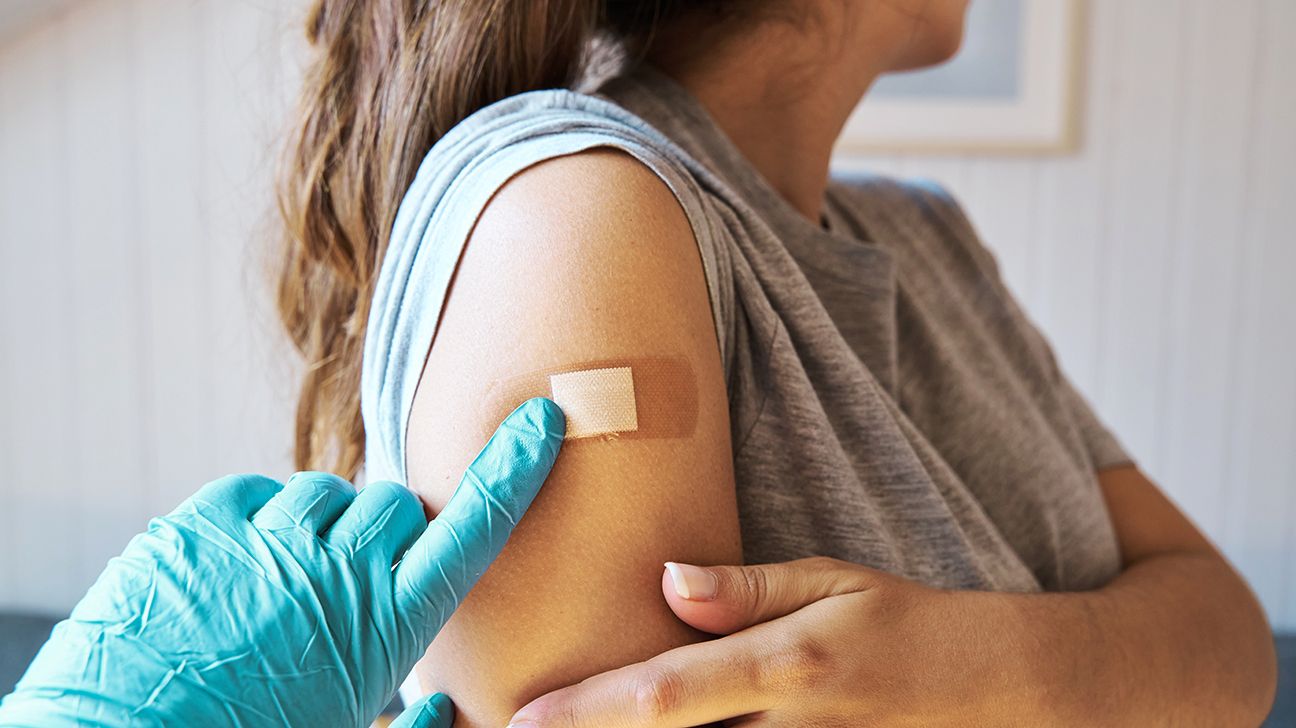
A late-summer COVID-19 surge with the new “Stratus” omicron subvariant has left many Americans wondering whether they’re eligible for updated COVID-19 shots this fall.
Health experts are concerned about the potential for increased spread of COVID-19 and other infectious diseases after some recent decisions by the Trump administration involving vaccines.
On August 27, the FDA approved updated COVID-19 shots with restrictions for many adults and children.
The FDA will limit COVID-19 vaccinations to “high risk” younger adults and children with at least one chronic health condition like obesity or asthma. In addition, children under 5 will no longer have access to Pfizer’s COVID-19 vaccine, but will be eligible for shots from Moderna and Novavax.
This could mean millions of Americans will have to prove their case for vaccination, and healthy adults and children who wish to get vaccinated against COVID-19 will no longer be eligible.
According to new clinical guidelines from the American College of Cardiology, people with cardiovascular disease should be made eligible for the new shots. The ACC recommends vaccination against respiratory illnesses, including COVID-19, influenza, and RSV, for people with heart disease.
All U.S. adults 65 and older are still eligible for vaccination against COVID-19.
The policy shifts for COVID-19 shots began in May when the Centers for Disease Control and Prevention (CDC) and the Food and Drug Administration (FDA) announced they were no longer recommending the COVID-19 vaccine to healthy adults under 65, pregnant people, and healthy children.
Then, in early August, Health and Human Services Secretary Robert F. Kennedy Jr. said that his agency would eliminate $500 million in funding for 22 mRNA vaccine development programs.
The following week, Kennedy’s agency announced it was reviving the Task Force on Safer Childhood Vaccines, a move that some experts say could lead to anti-vaccination policies.
The announcements come as the CDC reports that the number of children who haven’t received recommended vaccines has hit a record high, while measles cases in the United States have reached their highest mark in 33 years.
These actions recently prompted the American Academy of Pediatrics (AAP) to update its recommendation on COVID vaccines. The AAP urges parents to have their children ages 6 months to 18 years vaccinated against the respiratory disease that caused a worldwide pandemic in 2020.
Experts interviewed by Healthline say these new developments could have serious consequences in the coming months.
“With fewer persons vaccinated, we can anticipate an increase in hospitalizations, intensive care unit admissions, and even deaths during the coming winter season,” said William Schaffner, MD, an infectious disease specialist and a professor of medicine at Vanderbilt University.
“It’s a really scary proposition that vaccines might not be available to everyone,” added Danelle Fisher, MD, a pediatrician at Providence Saint John’s Health Center in Santa Monica, CA. “We may see what havoc COVID can still cause. Fasten your seat belts.”
It’s unclear when the latest batch of COVID-19 vaccines will be available, but experts say mid-September is likely the date.
The new vaccines are expected to contain updated formulas to combat the latest strains of the novel coronavirus.
Steven Jensen, MD, a pediatrician and medical director of General Pediatrics at Miller Children’s & Women’s Hospital in Long Beach, CA, said there should be enough COVID-19 supply to ensure anyone who wants to get vaccinated can do so.
Jensen said that manufacturers have increased production, and most pharmacies, clinics, and doctor offices should have adequate supplies. However, he noted that some rural areas may face shortages.
He noted that the biggest issue is whether people will want to get vaccinated, especially given the changes to the CDC and FDA recommendations.
“The difficulty will not be having enough vaccines available,” Jensen told Healthline. “I believe the main difficulty will be vaccine fatigue, as people will be less motivated to get updated boosters, leading to lower demand. Also, there is significant misinformation and mistrust about the vaccine safety, which can impact the willingness of patients to receive this vaccine.”
There are other complications, too.
Politico reports that pharmacies in 18 states and Washington, D.C., have their authority to vaccinate individuals linked to CDC guidelines.
That could mean pharmacists in those regions may be reluctant to administer vaccines to people unless they are at least 65 years old or have underlying medical conditions.
According to Politico, nearly 90% of COVID-19 vaccine doses during the 2024–2025 season nationally were given at pharmacies.
There’s also the possibility that healthy people who are providing care to people who are vulnerable to COVID may not be able to get vaccinated.
Jake Scott, MD, an infectious disease specialist and a clinical associate professor of medicine at Stanford University in California, adds that insurance companies may also require people who don’t meet the CDC guidelines to pay for their vaccinations.
“We’re creating a system where your ability to protect yourself and your family depends on your ability to pay,” he told Healthline.
Fisher pointed out that healthy babies, as well as people being treated for cancer and those with underlying medical conditions, will be at risk. That, she said, will affect everybody.
“The most vulnerable will be the ones hit first,” Fisher told Healthline. “I don’t know anybody who doesn’t know somebody in the vulnerable populations.”
Scott noted that an increase in COVID cases will have ripple effects throughout society.
“When vaccination rates drop, viruses don’t just affect the unvaccinated,” he said. “They spread through schools, overwhelm hospitals, and put vulnerable people at risk. We’re setting ourselves up for preventable outbreaks.”
Vaccines created through a process known as messenger ribonucleic acid, or mRNA, have been in development for decades.
They work by introducing the immune system to an antigen found in a pathogen in a unique way. Instead of using a weakened or inactivated form of a pathogen, they teach the body’s cells how to temporarily produce an antigen themselves.
The mRNA type of vaccine was used in COVID-19 vaccines distributed by Pfizer and Moderna. Experts note that mRNA research involves more than vaccines.
“It is important to remember that mRNA technology has the potential beyond just vaccines, including personalized cancer therapy, gene editing, and treatment for genetic disorders,” Jensen said.
“A reduction in funding for mRNA vaccine development can have significant adverse effects on scientific progress in finding new innovative treatments for these varied illnesses and in helping us prepare for future emergent diseases.”
When Kennedy announced the elimination of funding for mRNA research, he said it was because these types of vaccines “fail to protect” against respiratory illness.
Experts disagree with the Health Secretary’s decision.
“This is a half-billion-dollar decision based on fundamentally flawed science,” said Scott. “I actually read through the 181-page document Kennedy cited as justification. Most of the studies in there show harmful effects from COVID infection, which actually supports vaccination, not the opposite.”
Scott added that mRNA vaccines can also be developed much more quickly than traditional inoculations.
“We’re abandoning the one vaccine technology that can be updated in weeks instead of months,” he said. “When the next pandemic hits— and it will — those extra months of development time mean preventable deaths.”
Fisher added that the United States should be the leader in mRNA vaccines, not the one holding up progress.
“We should be leading the charge,” she said. “We don’t know what pathogens are coming.”
The CDC reports that exemptions from one or more vaccines among U.S. kindergarteners increased to 3.6% from 3.3% the year before.
The agency notes that vaccination coverage among U.S. kindergartners decreased for all reported vaccines from the year before, ranging from 92.1% for the diphtheria, tetanus, and acellular pertussis vaccine (DTaP) to 92.5% for the measles, mumps, and rubella vaccine (MMR) and polio vaccines.
In addition, the CDC reports more than 1,400 measles cases documented in the United States so far this year. That’s the highest number in more than three decades and significantly higher than the 285 cases reported in 2024.
These statistics have set off alarm bells among experts.
“Higher rates of vaccine exemptions for children have several concerns,” said Jensen. “One is when exemption rates increase, herd immunity weakens, making it easier for the disease to spread.”
Scott is concerned about the clusters of cases in certain communities across the country.
“The geographic clustering is the real danger,” he said. “These aren’t isolated families – they’re concentrated communities where measles or whooping cough can tear through unprotected children. We’ve seen it happen before and we’re setting up for it to happen again.”
“I am concerned that increasingly some parents are seeking exemptions for vaccinations of their children,” added Schaffner.
“We do not want to go back to the ‘bad old days.’ These diseases were much worse than many today believe,” he told Healthline.
COVID-19 symptoms usually resolve without medical intervention. Some ways to reduce discomfort caused by symptoms include:
If your symptoms persist, you should see a healthcare professional for treatment. They may prescribe the antiviral therapy Paxlovid.
Experts say there are also ways to reduce your risk of contracting COVID-19, whether you’ve been vaccinated or not.
“Good sleep, good nutrition, exercise regularly,” said Fisher. “These help keep your immune system in good shape. Wash hands or use hand sanitizer frequently. Finally, use masks when in public spaces with a lot of people and definitely during travel to try to avoid viral infections.”
FDA Approves New COVID Vaccines With Restrictions. Can You Get a Shot? Read More »