
Snoring is more than just a noisy nuisance—it can affect the quality…
Content source – www.soundhealthandlastingwealth.com

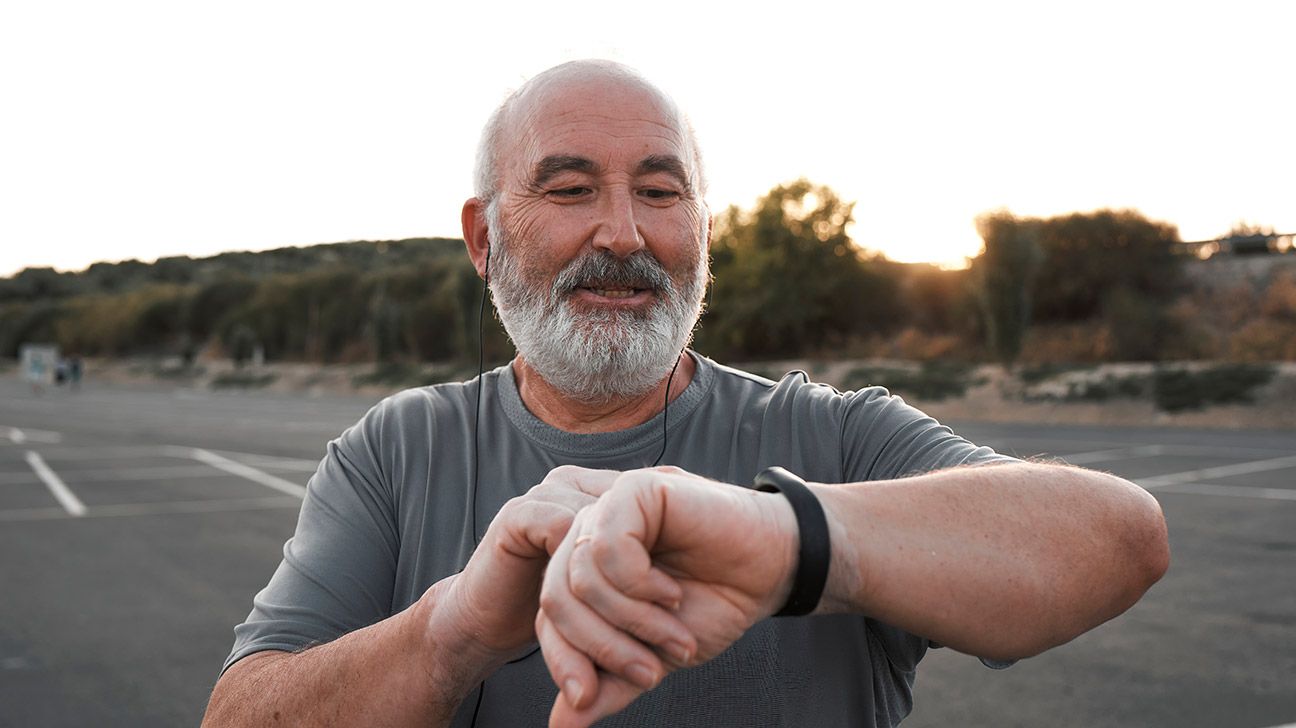
Men may need about twice as much weekly physical activity as women to achieve comparable cardiovascular benefits, a new study suggests.
The research, published October 27 in Nature Cardiovascular Research, highlights notable sex-based differences in how exercise affects heart health — and points to a possible need for more tailored public health strategies that account for those differences.
Guidelines from the Centers for Disease Control and Prevention (CDC) and the American Heart Association (AHA) recommend at least 150 minutes of moderate to vigorous physical activity each week. Females who met or exceeded that threshold had a greater reduction in risk compared to males who did the same.
However, the study also identified a “gender gap” in both adherence to exercise guidelines and overall fitness capacity. In other words, even though females appear to gain greater heart health benefits from exercise, they’re less likely than males to meet the recommended activity levels; males also generally have higher physical fitness.
The authors say their work is essential for tailoring physical activity guidelines and closing this gap.
Other experts say that while the findings are significant, the goal for now is to continue focusing on the majority of people, both males and females, who do not meet minimum physical activity recommendations.
According to the CDC, fewer than half of U.S. adults (47%) meet these minimum guidelines.
“This study finds consistent results with many previous studies and meta-analyses where physical activity has cardiovascular benefits for both sexes, but the estimated cardiovascular risk reduction from meeting moderate-to-vigorous intensity aerobic physical activity recommendations is a bit higher in women compared to men,” said Bethany Barone Gibbs, PhD, professor and chair of epidemiology and biostatistics at West Virginia University School of Public Health and volunteer expert for the American Heart Association (AHA). Gibbs wasn’t involved in the study.
“Though the modeled gradient of benefit is steeper for women than men, I think the more important message is the overall benefit from being active that both sexes achieve,” she told Healthline.
The large observational study utilized data from over 85,000 participants in the UK Biobank to investigate the impact of physical activity on cardiovascular health in both males and females.
Specifically, the researchers investigated the impact of exercise on the risk of coronary heart disease (CHD), also known as atherosclerosis. This type of cardiovascular disease involves a hardening of the arteries due to plaque buildup.
The goal was to determine whether the authors’ “one-size-fits-all” exercise recommendations adequately reflect sex-based differences.
Most participants — about 80,000 — did not have CHD, while a smaller subgroup of roughly 5,000 did. Among participants without CHD, researchers assessed the risk of developing the disease; among those with existing CHD, they examined mortality. Participants provided activity data via wrist-worn fitness trackers.
Females who hit the minimum physical activity recommendations had a 22% lower risk of CHD compared to just 17% for males. There was also a dose-response relationship: more additional exercise yielded greater benefits, but the gap between females and males widened.
At about 250 minutes of weekly physical activity, females saw a 30% reduction in CHD risk. To achieve a similar benefit, males needed to log more than twice as much exercise — 530 minutes per week.
In the subgroup with CHD, physical activity was linked to lower overall risk of death, but discrepancies in mortality risk also varied by sex.
Active females had a 70% lower risk of death, compared with just a 19% reduction in males.
To achieve the same mortality reduction, males required 1.7 times more exercise than females, approximately 85 minutes per week, compared with 51 minutes for females.
It isn’t entirely clear why females appear to gain stronger heart-health benefits from physical activity than males, but the authors suggest several possible explanations. One involves estrogen, which circulates at much higher levels in females.
This hormone has a wide range of effects on the cardiovascular system and is generally considered protective for the heart. The dip in estrogen that females experience during menopause is a contributing factor to the increased risk of heart disease during that time.
Setting sex-based differences aside, the study also underscores the simple fact that too many people are not getting even the minimum exercise every week. Those without CHD who met physical activity guidelines were in line with the U.S. average, about 48%. However, less than one-third of people with CHD hit this threshold.
Still, current research indicates that males, on average, engage in more exercise than females.
Globally, the number of females who do not get enough physical activity is approximately 5% higher than that of males.
In the United States, the difference between males and females meeting physical activity guidelines is approximately 43% and 33%, respectively, according to the Journal of the American College of Cardiology.
“Until we get more concrete evidence, best practice is to stick clinically with the evidence-based guidelines that recommend at least 150 minutes per week of aerobic activity for health benefits and 300 minutes [or more] for even greater benefits for both sexes,” said Barone Gibbs.
Currently the AHA does not make any specific recommendations for physical activity based on sex.
Denice Ichinoe, DO, an assistant professor in the Department of Family and Community Medicine at the Kirk Kerkorian School of Medicine at the University of Nevada, Las Vegas, said that while her concern is also reaching those who simply don’t exercise enough, women may face barriers to achieving their physical activity goals. Ichinoe wasn’t involved in the study.
“There are a lot of key contributing factors to it. A lot of times, it’s either time constraints with work or even caregiving responsibilities, which fall into the traditional social norms and cultural aspects of women,” she told Healthline.
Finding time to exercise can be especially challenging for mothers, particularly those who are postpartum.
“I always try and recommend doing at-home exercises to start with. That may mean having your partner or a family member, or even asking for outside help for a caregiver to assist,” Ichinoe said.
And for those who aren’t getting enough physical activity, Ichinoe and Barone Gibbs offer the following tips:
“Any way that we can help increase that base level of physical activity and maintain it is going to be helpful. Even small steps that we can take to get both men and women motivated to start undertaking a little bit more exercise, that’s going to be extremely helpful, however we can do it,” Ichinoe said.
Cardiovascular Disease: Men Need More Exercise Than Women to Cut Risk Read More »

There’s a wave of concern sweeping social media: users are holding up brand-new, sealed menstrual pads and spotting dark, splotchy areas that look alarmingly like mold.
In a viral TikTok video, an unused sanitary pad was held up to the light and appeared to show fungal growth inside.
But are these dark spots actually dangerous contamination or simply harmless absorbent materials?
Some say the discoloration is fibers that soak up blood, while others have raised concerns about manufacturing and hygiene.
We looked at existing reesearch on this topic and asked medical experts about the possible causes of these dark spots, the risks associated with mold in sanitary pads, and what you can do to ensure the safety of your period products.
Experts can’t say for certain what these dark spots found in some period products could be.
“While it’s difficult to confirm exactly what’s inside the product, the material appears to have dark discoloration that could be consistent with mold,” said Monica Williams, MD, physician and co-founder of Scarlet by RedDrop, a puberty care brand for tweens and teens.
“This could be the result of mishandling, exposure to moisture, or expiration, rather than a reflection of standard manufacturing quality,” Williams told Healthline.
Typically, menstrual pads are manufactured in clean, controlled environments. They’re also sealed to prevent contamination.
“However, if a product is stored in a damp location, exposed to heat or humidity, or damaged in transit, organic materials could degrade or develop growth over time,” Williams said.
Importantly, she said, if this were to happen, the issue would likely be isolated and environmental, and not inherent to pads in general or to any one brand.
Deborah Lee, a general practitioner in the United Kingdom and specialist in sexual and reproductive healthcare and menopause at Dr. Fox Online Pharmacy, said the dark spots some social media users are reporting in their period products may be linked to the materials from which they’re made.
“When you hold an unused period pad up to the light, it can look dark and splotchy in places because of the superabsorbent polymers (SAP) that make up the inner absorbent layer,” she told Healthline.
SAP, a common material used in sanitary pads to absorb moisture, is a 3D hydrophilic material that can absorb and retain liquids. “[SAP] absorbs blue light and reflects yellow light, meaning the pad may naturally appear to contain darker areas when held up to the light,” Lee explained.
While one 2018 study examined unused tampons for microbial presence, there is very limited equivalent research on unused pads. A 2021 study of sanitary pads in Nigeria, stored under various conditions, found contamination emerging after 24 hours when the packages were left open, unsealed, or improperly stored.
Additionally, a 2023 study of various brands of pads also found bacterial and fungal isolates in some market-sold samples.
Although data on hygiene in sanitary pads is limited, current evidence suggests that the overall risk remains low, especially for properly sealed products.
It might help put your mind at ease to know how period products are manufactured.
Manufacturers select raw materials for period products with established safety profiles and documented supplier specifications. For some products, manufacturers prepare technical files and safety data to support regulatory review. However, not all menstrual products are subject to the same premarket requirements.
Production typically occurs on automated lines that assemble the product layers (top cover, absorbent core, acquisition or distribution layers, and backsheet) and then fold and seal them in individual wrappers or packs.
Factories that supply regulated medical devices or device components typically follow quality control systems and hygienic practices designed to minimize contamination.
Finished goods are typically stored in dry, climate-controlled warehouses and tested by manufacturers for performance measures such as absorbency and structural integrity.
In short, manufacturers generally design processes to limit contamination and verify basic product performance; however, regulatory requirements and labeling for menstrual products vary by product and location.
Are there harmless components within pads, such as adhesives, dyes, or recycled fibers, that could appear like dark spots or discoloration when light shines through them?
According to Williams, the answer is yes.
“Plausible explanations for what people sometimes perceive as mold would include absorbent pulp fibers, adhesive strips or release paper, and backing or outer film irregularities,” Williams said.
“Many non-hazardous components can appear unusual when examined under atypical conditions, such as being held up to an intense bright light, and can be mistaken for contamination, when in fact they are part of the product design or material construction,” she noted.
If mold were present in a menstrual product, you might wonder about the health risks associated with its use.
Potential health risks would generally be limited to skin irritation, contact dermatitis, or allergic reactions.
According to the Centers for Disease Control and Prevention (CDC), exposure to mold on everyday household items can trigger these reactions, particularly in individuals with sensitive immune systems.
People with weakened immune systems may be at a higher risk of more serious infections from environmental molds, although this is rare.
The Food and Drug Administration (FDA) states that properly manufactured and sealed menstrual products are designed to minimize microbial growth, thereby reducing the likelihood of exposure to harmful mold.
Lee explained that the vaginal region has its own microbiome containing live bacteria and fungi, such as Candida albicans. Exposure to other bacteria may lead to imbalances in the vaginal microbiome.
“Your immune system and the presence of other bacteria keep this under control. It’s only when something happens to upset this balance, and the yeast starts to reproduce, that you start to get symptoms such as soreness, discharge, and itching.”
You can minimize your risk of exposure to outside bacteria by changing your pad regularly. Lee recommended changing your pad every 4–8 hours, and more often if your flow is heavy.
If you’re concerned about the safety and hygiene of your period products, Williams offered some guidelines:
While most unused period products are unlikely to contain mold, if you find mold in your pads, you should stop using the product immediately and contact the manufacturer.
Unused Period Products Unlikely to Contain Mold, Health Experts Say Read More »

Daylight Saving Time ends on Sunday, November 2, at 2:00 a.m. Eastern Time.
As Americans “fall back” to Standard time in preparation for the shorter, darker days to come, the debate over whether there’s any real benefit to changing the clocks continues.
While most countries do not observe daylight saving time, many parts of North America and Europe continue the twice-yearly ritual that was implemented in Germany during World War I to prolong daylight and conserve energy in the summer months.
However, today, the century-old practice has many scientists, health experts, and even politicians debating potential safety concerns and health risks.
Changing the clocks back or forward has been linked to traffic accidents, sleep disturbances, seasonal affective disorder (SAD), and heart attacks.
Now, a recent study from Stanford Medicine researchers suggests that this biannual shifting of the clocks not only disrupts circadian rhythms but also the physiological processes they regulate, which in turn impact overall health outcomes.
By modeling light exposure, the researchers compared the health effects of switching to either permanent standard time or permanent daylight time, as well as the usual biannual clock shifts.
They estimate that permanent standard time had the most benefits, preventing some 300,000 stroke cases per year and resulting in 2.6 million fewer people with obesity. Permanent daylight saving time, they found, would yield around two-thirds of the same positive effects.
The findings were published in Proceedings of the National Academy of Sciences.
“We found that staying in standard time or staying in daylight saving time is definitely better than switching twice a year,” Jamie Zeitzer, PhD, professor of psychiatry and behavioral sciences at Stanford and senior author, said in a news release.
“Standard time increases exposure to light earlier in the daytime, which is helpful to keep the output of the circadian clock robust,” Zeitzer told Healthline.
To estimate the physiological effects of circadian rhythm disruption, the researchers examined county-specific data from the Centers for Disease Control and Prevention (CDC).
The looked at the prevalence of health outcomes, including:
Predictive models indicate that permanent standard time would lower the nationwide obesity rate by 0.78% and the prevalence of stroke by 0.09%, two health conditions that are influenced by the circadian rhythm.
This led to 2.6 million fewer people with obesity in the United States and 300,000 fewer stroke cases.
If permanent daylight time were implemented, 1.7 million fewer people would have obesity, and there would be 220,000 fewer cases of stroke.
The models did not show a difference in health outcomes, such as arthritis, that are not linked to circadian rhythms.
“The circadian clock acts as a conductor of an orchestra, with the various organs of the body being synchronized together through a strong central circadian clock,” Zeitzer explained.
“A stronger clock, generated through more regular exposure to early morning light, leads to more optimal function of organ systems, including those involved in metabolism and cardiovascular function.”
Mir Ali, MD, board certified general surgeon, bariatric surgeon, and medical director of MemorialCare Surgical Weight Loss Center at Orange Coast Medical Center in Fountain Valley, CA, said he was surprised by the findings, particularly the overall health impacts of changing the clocks by just one hour. Ali wasn’t involved in the study.
“Other studies have demonstrated adverse health effects on night shift workers, and this study supports the benefit of a consistent daylight schedule. The effects appear to be modest, and further research would help define this more clearly,” Ali told Healthline.
Ali echoed the study’s findings, noting that circadian rhythm disruption does much more than affect sleep, with effects on metabolic and hormonal regulation, as well as immune system suppression, which can impact multiple organ systems.
“The change in time, even by one hour, affects sunlight exposure, thus altering the circadian rhythm. This alteration in the circadian rhythm leads to the problems noted above,” Ali said.
Cheng-Han Chen, MD, board certified interventional cardiologist and medical director of the Structural Heart Program at MemorialCare Saddleback Medical Center in Laguna Hills, CA, explained the cardiovascular effects of circadian rhythm disruption. Chen was likewise not involved in the study.
“We know that our body’s natural circadian clock regulates many important aspects of our cardiovascular system, such as blood pressure, heart rate, and metabolism, and that disruptions to this rhythm can have adverse effects on our heart health,” he told Healthline.
“Many aspects of our cardiovascular function, such as blood pressure, heart rate, and metabolism, will vary throughout the day, governed by our internal circadian clock. Much of this is due to specific fluctuations in cortisol and adrenaline,” Chen continued.
He explained that these variations are essential in promoting healthy cardiovascular function.
Disruptions to circadian rhythm, such as irregular work hours, shifts, or sleep patterns, have been linked to an increased risk of high blood pressure, obesity, and arrhythmia.
“This then can lead to increased risk of cardiovascular diseases such as heart attack, heart failure, or stroke,” Chen said.
Recent political efforts to abolish daylight saving time have been abandoned, which means Americans will continue to adjust their clocks in the fall and spring for the foreseeable future.
“The next step in the work will be to get the various expert stakeholders together to understand the totality of the changes that the different time policies lead to,” Zeitzer said. “That is, people who understand the impact of time policy on exercise, diet, safety, economics, etc.”
Until more research is conducted into the potential health hazards of this seasonal waffling, individuals with cardiovascular conditions may wish to take extra precautions.
“The ‘spring forward’ loss of an hour of sleep causes a significant disruption in the body’s circadian clock. For patients with underlying chronic health conditions, this can be enough to result in a major cardiovascular event such as heart attack or stroke,” Chen said.
To adjust to the new sleep-wake schedule this fall, increasing exposure to natural light during the day can help promote quality sleep and prevent disruptions to circadian rhythms.
Healthy lifestyle habits, such as adhering to a balanced diet and engaging in regular exercise, are also known to promote good sleep.
Aim for 7–9 hours of sleep each night. You could also try going to bed a little later in the days leading up to the time change this fall.
If you live with a chronic health condition and have concerns about how your sleep is affecting your health, talk with your doctor or cardiologist.
“This study provides useful information on the potential benefit that eliminating the yearly daylight saving time switches can have on our nation’s health,” Chen said.
“Even small percentage improvements in health outcomes can have a positive impact on possibly millions of people.”
Eliminating Daylight Saving Time Could Help Lower Obesity, Stroke Rates Read More »
Meningitis is a serious condition where the protective layers (meninges) around the brain and spinal cord become inflamed. It has many causes, such as different germs, including bacteria, viruses, and fungi. In the UK, most cases are due to bacteria or viruses. Some of the bacteria that cause meningitis can also lead to septicaemia (blood …
What is meningitis? Symptoms, risks and how to protect yourself Read More »
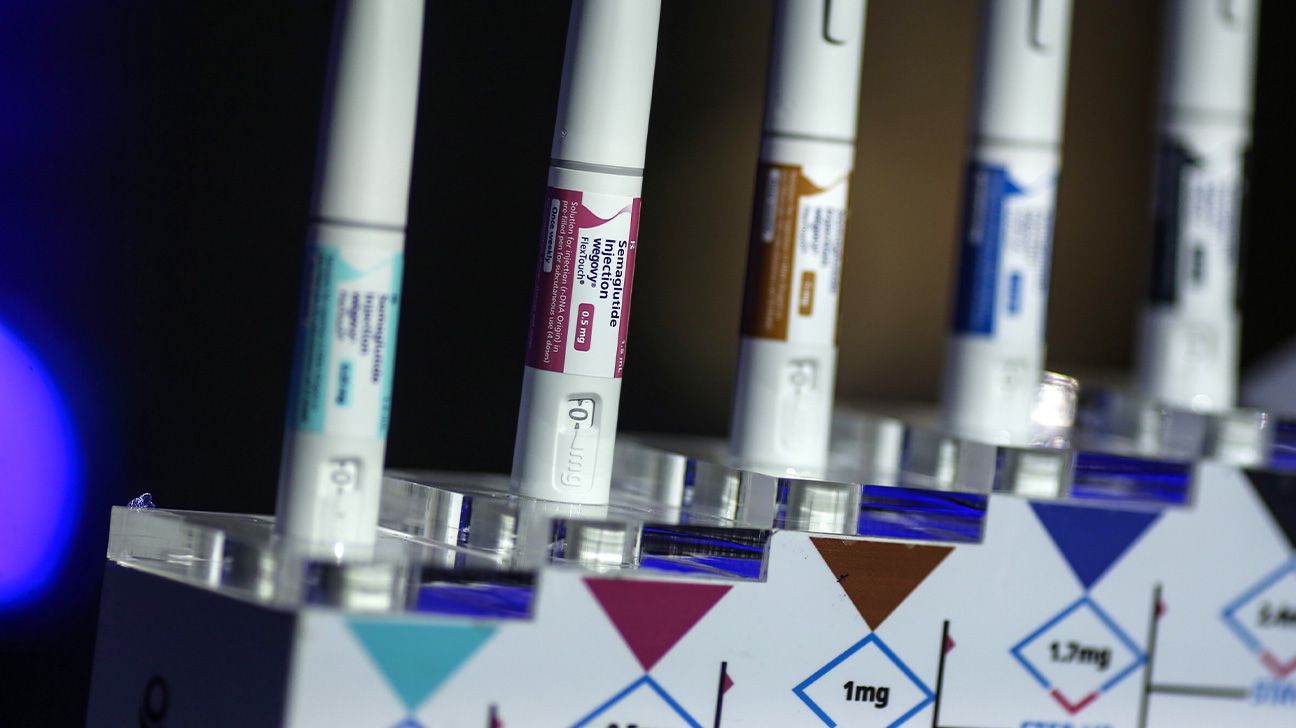
A new survey reports that the obesity rate among adults in the United States is declining as the use of GLP-1 weight loss drugs rises rapidly.
The Gallup poll, which was released this week, indicates that women nationwide have a higher obesity rate than men and utilize weight management medications more often.
The pollsters report that people between the ages of 40 and 64 have higher obesity rates than other age groups. They also utilize GLP-1 drugs like Ozempic and Wegovy more often.
However, the pollsters also found that the rate of diabetes in the United States has climbed to a record high.
Although some experts point out that these numbers are based on self-reported data from survey participants, they say the conclusions align with what they observe in the field.
“The poll is in line with what I see in my own patient base,” said Kristin Kirkpatrick, RDN, a registered dietitian who is president of KAK Consulting as well as a dietitian at the Cleveland Clinic Department of Wellness & Preventive Medicine in Ohio.
“Most everyone is aware of these GLP-1 drugs. Many ask if they are candidates and weight loss in my practice has increased and women are more likely than men to utilize these drugs,” she told Healthline.
“I was a little surprised,” added Mir Ali, MD, a general surgeon, bariatric surgeon, and medical director of MemorialCare Surgical Weight Loss Center at Orange Coast Medical Center in California.
“It shows people are more aware of what’s available. It’s good to see this is having an impact,” he told Healthline.
The Gallup poll was conducted during the first nine months of 2025. Nearly 17,000 adults in the United States were interviewed online.
The participants were asked about their height and weight, as well as whether they had ever been diagnosed with either type 1 or type 2 diabetes, and whether they had been prescribed GLP-1 drugs.
The pollsters reported that their findings indicate the obesity rate in the United States has decreased from a record high of nearly 40% in 2022 to 37% in 2025.
The researchers said those declines translate into 7.6 million fewer people in the country having obesity.
They added that the obesity rate for females has dropped more than 3 percentage points to slightly less than 39%. The rate for males was calculated to have decreased more than 2 percentage points to 35%.
The obesity rate for people ages 40 to 49 was estimated to have fallen more than four percentage points to about 43%. The obesity rate among those ages 50 to 64 reportedly declined by five percentage points to slightly less than 43%.
The pollsters defined obesity as a person with a body-mass index (BMI) score of 30 or higher. They calculated those scores using a person’s self-reported height and weight.
David Cutler, MD, a family medicine physician at Providence Saint John’s Health Center in Santa Monica, California, issued some cautions on the data.
He noted that the obesity rate was based on BMI scores calculated on a person’s self-reported height and weight. He added that someone who has lost body fat and gained muscle mass could fall into the obesity category when they in fact don’t have obesity.
“We have to define what we’re talking about,” he told Healthline.
The pollsters also noted that their survey indicated that the diabetes rate has climbed to an all-time high of nearly 14% of the U.S. adult population.
Cutler had some hesitation on these figures, too.
He noted that survey participants were asked if they had ever been diagnosed with diabetes. For example, type 2 diabetes that is currently in remission despite a prior diagnosis could still fall in this category in the poll data. “In essence, the diabetes diagnosis never goes away,” he said.
Ali added that there are a number of factors that can lead to a diagnosis of type 2 diabetes. “There are other causes of diabetes other than just weight,” he said.
Kirkpatrick agreed.
“Risk factors for development and worsening of diabetes go well beyond just weight, which is why weight status is not always the main cause of development of type 2 diabetes,” she said.
The researchers also reported that the percentage of U.S. adults taking GLP-1 semaglutide weight-loss drugs has risen sharply from nearly 6% in February 2024 to 12% today.
The poll indicated females are using these medications more often than males, with 15% of females surveyed saying they were utilizing GLP-1 drugs compared to slightly less than 10% of males.
About 17% of people 50 to 64 years of age reported using the medications compared to 16% of people in the 40 to 49 group.
About 11% of people 65 years and older said they were utilizing the weight-loss medications.
Experts say there is a simple reason more people are using these medications. They are an effective tool for a malady that has plagued many people their entire lives.
“Many of my patients came to me initially, years ago, related to the constant chatter of food, or food noise, and an inability to lose weight,” said Kirkpatrick.
“Constant cravings, feeling out of control, etc., were common themes. These drugs are effective in reducing these symptoms. In addition to this, they also delay gastric emptying, so not only do cravings go down, but the ability to consume large portions goes down with it.”
Cutler said that there is a significant percentage of people who are using GLP-1 drugs who do not have obesity. They are people who want to lose a relatively small portion of weight.
“They are taking them for cosmetic reasons. It’s also easier to take the drugs than to stay on a diet,” he said. “People using these medications need to be monitored,” Cutler added. “If they are, then the drugs are relatively safe and very effective.”
There are two basic types of weight-loss medications that have been approved by the Food and Drug Administration (FDA) to treat obesity as well as type 2 diabetes.
One is the drugs such as Ozempic and Wegovy that contain the active ingredient semaglutide. The other are medications such as Mounjaro and Zepbound that contain the active ingredient tirzepatide.
They work by interacting with the hypothalamus area of the brain, which is in charge of regulating the appetite. The drugs can promote weight loss by:
In studies, both medications have been shown to be effective in helping people lose weight and improve blood sugar levels, blood pressure readings, and cholesterol levels. Some research has concluded that these drugs can also reduce the risk of cancer and cardiovascular disease.
However, there can be side effects. They include:
Experts say people should be informed about all aspects of their weight loss journey using these medications.
The most important, they said, is that this is a long process without a lot of shortcuts.
“They need to understand that this is a long-term treatment for a chronic disease,” said Ali. “These drugs don’t work instantly.”
Experts say that people also need to understand the importance of adopting healthy lifestyle habits, such as a balanced, nutritious diet and a daily exercise routine, for the medications to be effective.
“You have to have good nutrition from the outset,” said Cutler. “You’re going to eat less when you start taking these drugs, so it’s important to eat well.”
“You have to come up with a strategy to maintain good lifestyle habits,” added Ali.
Kirkpatrick said this starts with talking with your doctor or other healthcare professional who can guide you in the proper direction.
“I think connecting with a company, healthcare provider, or medical group that provides abundant resources is a critical factor in long term success,” she said.
“Doing so can help you in assessing any contraindications there may be for starting the drug, assessing the actual need for the drug, and then when you begin, dosing and resources such as meal planning, exercise regimens, and access to expert advisors in diet, fitness, and mental health.”
Experts interviewed by Healthline said that people should also be aware that dehydration, nausea, and gastrointestinal discomfort may be part of the treatment process. They noted that an exit strategy should be part of the plan for people who can eventually stop using the medications.
Ali said that can include reducing the dosage as you near the end of the treatment regimen or spacing out the doses.
Cutler said it’s important that people not regain weight after they stop taking the drugs. He said that a constant shift between losing and regaining body fat, as well as losing muscle mass without regaining it, can put stress on the body. “You end up worse off than when you started,” he said.
Kirkpatrick noted it’s important to have a good healthcare team.
“If you’re going to do it, surround yourself with experts that can monitor safety and lifestyle change and can help you with planning an effective long-term plan that makes sense for you and your goals,” said Kirkpatrick.
“This plan may or may not include the off-ramp to getting off the drug once weight loss and metabolic health goals are achieved.”
Weight Loss Drugs Like Ozempic Are Lowering the U.S. Obesity Rate Read More »