Author name: Admin

Peanut Allergies Decline Overall Following Early Introduction Guidelines
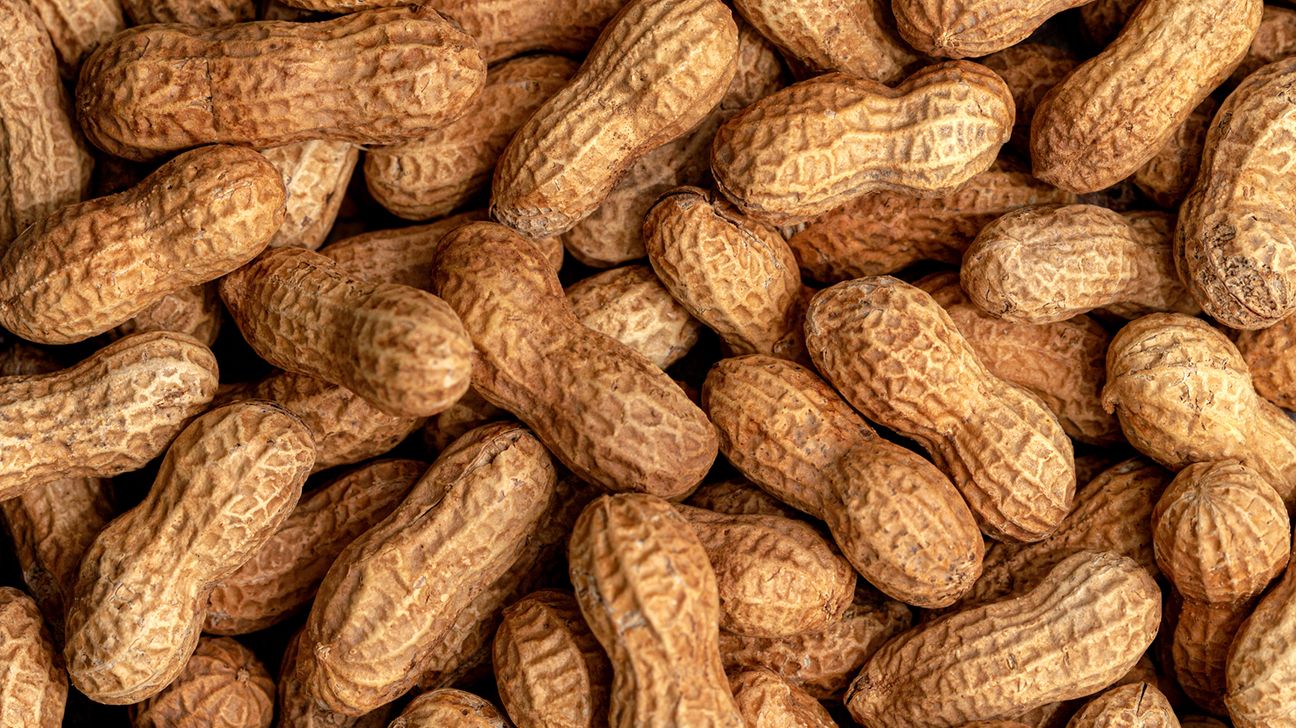
Close up of peanuts in shells
Rates of peanut and food allergies in young children have dropped significantly following changes to early introduction guidelines. Lindsey Rivera/Stocksy United
  • Peanuts are one of the most common causes of potentially lethal food allergies.
  • Evidence suggests that early introduction of certain foods can help prevent allergies.
  • A new study confirms that these recommendations are actually reducing food allergies.
  • Doctors say early introduction of peanuts is recommended for all infants ages 4 to 6 months.

Peanut allergy is one of the most common causes of severe allergic reactions, such as anaphylaxis, in children. Anaphylaxis can be fatal if not treated quickly, making the prevention of food allergies essential.

Prior evidence has suggested that early introduction of certain foods, like peanuts, in an infant’s diet can help prevent food allergies.

After pediatricians began encouraging parents to introduce peanuts โ€” and later, other allergenic foods โ€” during infancy, rates of peanut and overall food allergies in young children dropped significantly in recent years.

A large new study of medical records from tens of thousands of children across the United States indicates that this advice has made a real-world difference. The findings were published on October 20 in Pediatrics.

Tracking peanut allergy trends in children

Immunoglobulin E-mediated food allergy (IgE-FA) is an immune system reaction to a specific food protein, such as in peanuts. Peanuts are one of the most common causes of IgE-FA.

The new study focused on diagnoses of IgE-FA and on atopic dermatitis (eczema), which often signals a higher allergy risk.

To conduct the study, researchers at the Childrenโ€™s Hospital of Philadelphia, in collaboration with the American Academy of Pediatrics (AAP) Comparative Effectiveness Research through Collaborative Electronic Reporting (CERยฒ) network, analyzed electronic health records from 48 pediatric practices nationwide.

These included 31 practices connected to an academic health system in the mid-Atlantic region and 17 independently owned offices across other states.

The team examined three distinct time periods to see how allergy rates changed over time:

  • Before the guidelines (Sept 2012โ€“Oct 2014) โ€” This was before early peanut introduction became standard practice.
  • After the initial guidelines (Sept 2015โ€“Aug 2017) โ€”ย The first recommendations targeted high risk infants (those with severe eczema or egg allergy).
  • After the expanded recommendations (Feb 2017โ€“Jan 2019) โ€”ย The advice was broadened to include more infants and included new guidance on allergy testing and risk levels.

Each child in the study was tracked from birth to age 3, with at least one primary care visit before their first birthday.

To confirm food allergy cases, the team used a combination of medical codes, documented allergies in the electronic health record, and prescriptions for epinephrine auto-injectors, a treatment used to rapidly open up a person’s airway during anaphylaxis.

Statistical models helped account for differences in age, sex, race, and ethnicity.

The researchers also conducted an โ€œinterrupted time seriesโ€ analysis, a method that identifies shifts in trends before and after major policy changes โ€” in this case, the introduction of new feeding guidelines.

Overall decline in peanut allergy rates

After the early introduction guidelines were published, the proportion of young children diagnosed with peanut allergies fell sharply.

In the two-year observation period, peanut allergy rates dropped from 0.92% before the guidelines to 0.67% afterward, amounting to a 27% decrease.

When the researchers looked at one-year observation windows and included data after the addendum guidelines, the drop was even greater: peanut allergy rates fell from 0.79% to 0.45% โ€” a 43% decrease.

Also, the declines werenโ€™t limited to peanuts. Across all allergenic foods, rates of any IgE-mediated food allergy dropped. In the two-year analysis, overall food allergy diagnoses fell from 1.98% to 1.23%, a 38% reduction.

In the one-year analysis, the rate went from 1.46% to 0.93%, a 36% drop.

When adjusted for age, sex, race, and ethnicity, children in the post-guideline periods were significantly less likely to be diagnosed with peanut or any food allergy compared to those born before.

The hazard ratio showed around a 35% lower risk for peanut allergy. Rates of occurrence also showed a 31% lower risk for any food allergy after the guidelines were introduced.

It was also noted that the drop in peanut allergy rates was seen in children with and without eczema. According to the authors, this suggests that the benefits of early peanut introduction may extend beyond the โ€œhigh-riskโ€ group for which the advice was originally intended.

Additionally, in one sub-analysis, children who already had egg allergies were less likely to develop peanut allergies after the guidelines took effect, while children with eczema did not show a significant change.

The types of food allergies also shifted. Before the guidelines, peanut was the most common allergen, followed by egg and cowโ€™s milk. After the guidelines, egg moved into the top spot, peanut dropped to second, and cowโ€™s milk allergy rates fell significantly.

The interrupted time series analysis revealed a clear downward trend in food allergy diagnoses after the guidelines were released. And, while the specific decline in peanut allergy rates was less dramatic in this model, the overall trajectory still showed improvement.

The researchers also noted changes in which children were being diagnosed. After the guidelines were published, a greater proportion of very young infants (under four months) were represented among those diagnosed with food allergies.

Demographic patterns also shifted slightly. After the guidelines, a smaller proportion of food-allergic children were Black, Asian, or Pacific Islander, or Hispanic, compared with earlier years.

Overall, the researchers say the findings suggest that early introduction of allergenic foods, especially peanuts, is becoming more common in everyday pediatric practice and may already be helping to lower allergy rates across the U.S.

When should you introduce peanuts to infants?

Amiirah Aujnarain, MD, a board certified pediatrician, allergist, and immunologist, said peanut-containing foods can be introduced when your baby is developmentally ready for solids, which is generally around 6 months, but not before 4 months. Aujnarain wasn’t involved in the new study.

“For infants at high risk of peanut allergy (such as those with severe eczema or an existing egg allergy), the recommendation is to consider introducing peanut as early as 4 to 6 months, after ensuring readiness and in a safe form, and ideally inย consultation with a healthcare provider,” she told Healthline.

If your child is at low to moderate risk (no severe eczema or egg allergy), you can feed them peanut-containing foods around 6 months of age without obtaining allergy screening beforehand, added Aujnarain.

“Once peanutโ€containing foods are introduced, itโ€™s recommended to continue regular ingestion (for example, a few times per week) to maintain tolerance of at least two teaspoons in each serving,” she said.

Aujnarain additionally noted the importance of using non-choking forms of peanut products, for example, smooth peanut butter thinned out, rather than whole peanuts or thick peanut butter.

Michael Pistiner, MD, MMSc, pediatric allergist representing Allergy & Asthma Network, said he finds the decline in peanut allergies “both reassuring and encouraging.” Pistiner wasn’t involved in the study.

He further noted that parents can also introduce other common allergens, such as egg and cow’s milk, to babies around the same timeframe: 4 to 6 months of age.

“For the majority of infants, this can be done safely at home without prior testing,” said Pistiner. “Families should then keep these foods in the infantโ€™s diet routinely.”

He further explained that fewer than 5% of babies are considered to be at high risk for food allergies. However, it is important to target the 4- to 6-month window for early introduction of food allergens in these children.

“Early discussion with the childโ€™s primary care clinician can help ensure peanut and other allergenic foods are introduced safely and without delay,” said Pistiner.

“Overall, early introduction, rather than delay, is now the recommended approach for all infants, as it supports immune tolerance and long-term nutrition,” he concluded.

Peanut Allergies Decline Overall Following Early Introduction Guidelines Read More ยป

Victoria Beckham Reveals Dyscalculia Bullying: ‘Kids Called Me Thick’, as she talked…

Content source – www.soundhealthandlastingwealth.com

Read More ยป

Excessive fartingcan feel embarrassing and uncomfortable, but it’s a natural part of…

Content source – www.soundhealthandlastingwealth.com

Read More ยป

Kim Kardashian Reveals Brain Aneurysm Diagnosis Linked to Divorce Stress, which can…

Content source – www.soundhealthandlastingwealth.com

Read More ยป

Norovirus: What to do if you catch it and helping to stop the spread

Norovirus, commonly known as the winter vomiting bug (although you can catch it throughout the year, including during summer), is a stomach bug that causes vomiting and diarrhoea. It spreads easily through communities, making outbreaks common in settings where individuals have close contact such as hospitals, care homes, schools and nurseries.

Norovirus: What to do if you catch it and helping to stop the spread Read More ยป

California to Sell Affordable State-Branded Insulin: How Much Will It Cost?

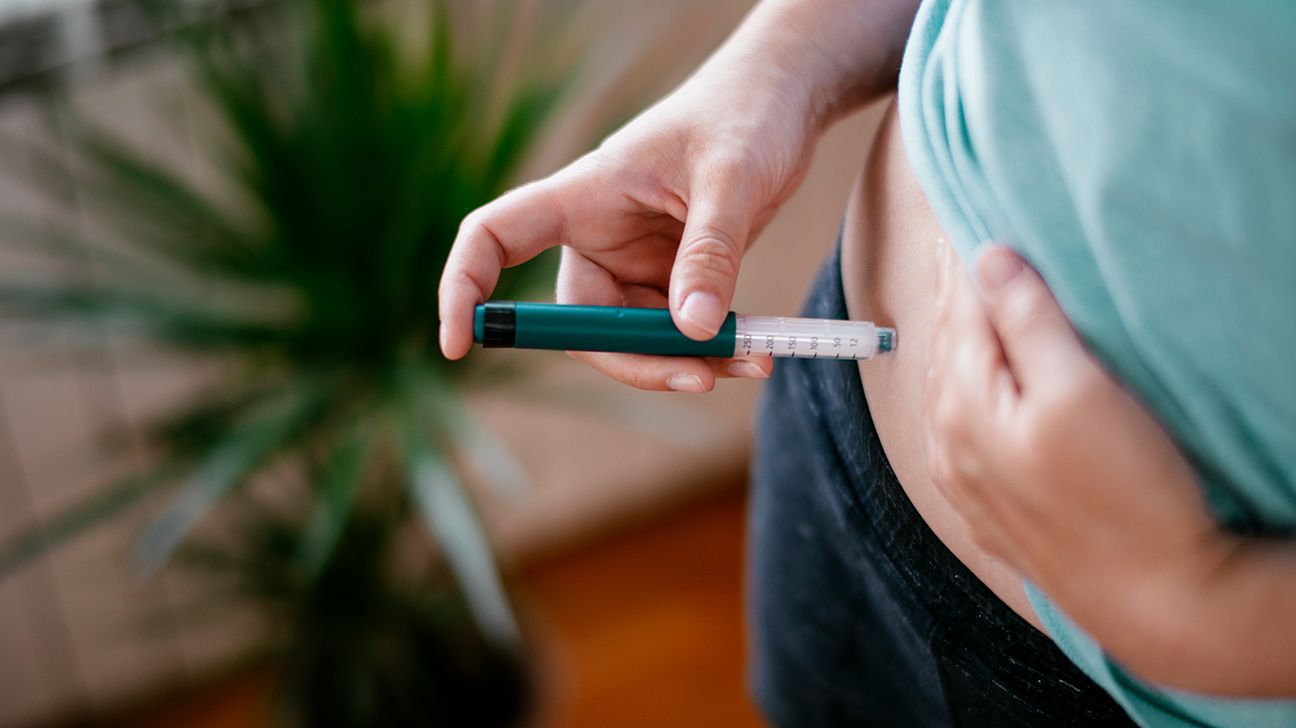
Female using insulin injection pen in abdomen
Experts say California’s new affordable insulin program is a breakthrough for people with diabetes. Getty Images
  • California has launched a program to manufacture and sell lower-cost insulin to people with diabetes.
  • State officials say consumers will be able to purchase a five-pack of insulin pens for $55 in January 2026.
  • The state has also imposed a monthly cap of $35 per person for out-of-pocket costs for insulin.

Healthcare officials are praising Californiaโ€™s new plan to produce and sell long-acting insulin at a significantly lower rate than current medications for diabetes treatment.

Governor Gavin Newsom recently announced that starting on January 1, 2026, insulin pens will be available for Californians for a maximum of $55 for a five-pack, or $11 per pen.

The price for brand name insulin can range from about $90 to about $400 for a five-pack of pens, according to data compiled by state officials.

This announcement came just days after the governor signed legislation that limits consumer co-payments for insulin to $35 per month. That program is similar to the $35 per month cap Medicare now places on insulin co-payments for its recipients.

โ€œCalifornia didnโ€™t wait for the pharmaceutical industry to do the right thing โ€” we took matters into our own hands,โ€ Newsom said in a statement. โ€œNo Californian should ever have to ration insulin or go into debt to stay alive.โ€

Experts say the program is a breakthrough for people with diabetes who depend on insulin.

โ€œOverall, this program is promising, said Kanwar Kelley, MD, a specialist in otolaryngology head and neck surgery, obesity medicine, and lifestyle medicine as well as the co-founder and chief executive officer of Side Health in Orinda, CA.

โ€œThe cost of insulin has historically been very high in the U.S., particularly for those without Medicare or insurance. California’s new low-cost state-branded insulin program and out-of-pocket cost cap represent a significant step toward affordability and access.โ€

โ€œThe ADA [American Diabetes Association] applauds any efforts to increase affordability for insulin for people living with diabetes,โ€ saidย Christine Fallabel, MPH, an author who lives with type 1 diabetes and director of State Government Affairs for the American Diabetes Association (ADA).

โ€œThis is an important, incremental step to offer more options for affordable insulin,” Fallabel told Healthline.

How California’s affordable insulin plan will work

The state officially launched theย CalRx programย in 2020 to make medications more affordable for Californians.

CalRx contracts with manufacturers to produce generic pharmaceuticals.

In 2024, CalRx officialsย announcedย they were distributing an over-the-counterย naloxone nasal sprayย used to treat opioid overdoses. The treatment, sold under the brand name Narcan, is available for free in California to eligible organizations. Theย costย to consumers is a discounted $24 for a twin pack.

For the insulin project, CalRx signed a $50 million contract with the nonprofit firm Civica Rx to produce insulin.

Civica Rx has a manufacturing plant in Virginia where it will eventually produce generic variations of the three most common types of insulin โ€” glargineaspart, and lispro.

For the California project, Civica Rx subcontracted with Biocon Biologics to produce a long-acting version of glargine.

A five-pack 3-milliliter pen of Biocon insulin will be sold to pharmacies for $45 with a maximum retail price of $55.

By comparison, state officials said Rezvolgar, Eli Lillyโ€™s branded insulin, costs pharmacies $88 per five-pen pack. Lantus, Sanofiโ€™s branded insulin, costs pharmacies $92 while Basaglar, another Eli Lilly product, is sold to pharmacies for $313. Toujeo Solostar, another Sanofi product, costs pharmacies $411 for a pack of five pens.

The price of insulin is a major source of concern for people with diabetes. A 2022 survey by Charity Rx reported that almost 80% of people in the United States who use insulin say the price of their essential medication has posed some financial difficulty for them or people they care for.

Some people with diabetes need to inject insulin every day. Experts interviewed by Healthline said that the Cal Rx cost savings could be significant for many Californians.

โ€œThe cap will increase access and remove barriers to those who need insulin,โ€ Kelley said. โ€œPlacing limits on individual payments will also encourage other manufacturers to reduce their costs. By reducing the red tape around discounted insulin, individuals will no longer need to rely on coupons or savings programs.โ€

Kelley noted, however, that there may be some potential issues that need to be resolved.

He said the demand for this lower-priced insulin could be high, so the stateโ€™s contractors will need to ensure production keeps pace. He added that other companies may reduce their insulin production if their sales decline, causing a gap in supply.

He said some consumers may also be reluctant to switch to the Cal Rx program because they are comfortable with their current system of purchasing insulin.

Will other states offer affordable insulin?

It’s too soon to tell whether other states will follow suit and adopt California’s low cost insulin program.

“California is a big market state that has considerable tax revenue to be able to implement this plan; other states may not be able to do so on the same scale,” Kelley said.

โ€œ[The California program] could serve as a model for other states, but success is not guaranteed,โ€ Kelley said. โ€œRegulatory, market, insurance, supply-chain, and awareness challenges remain.โ€

“The Federal government has also been interested in decreasing prescription drug prices, especially for drugs like insulin. Their involvement may increase adoption by other states,” Kelley continued.

Until then, Civica Rx will begin offering five-pack insulin pens for $55 nationwide in January through a partnership with Blue Cross Blue Shield.

Kelley noted the success of this program could depend on the company’s ability to scale its production to meet the demand for affordable insulin to avoid any shortages.

People with diabetes need insulin to survive

Insulinย is a hormone produced in the pancreas that sends signals to your body to absorb glucose and use it for energy, or store it to be used later as needed.

In people with type 1 diabetes, the body has stopped producing insulin. Some people with type 2 diabetes have developed insulin resistance, where cells donโ€™t respond to insulin the way they should.

Everyone with type 1 diabetes needs to inject insulin to stay alive. About a third of people with type 2 diabetes use insulin injections.

The American Diabetes Association (ADA) estimates that about 8 million people in the United States need insulin injections to survive.

The organization points out that insulin costs 10 times more in the United States than the rest of the world. They report that one in four insulin users in the United States ration their medication due to the cost.

โ€œInsulin is lifeblood for people living with insulin-dependent diabetes,โ€ Fallabel said. โ€œWe need it every day to live and, without it, we get very ill and will die.โ€

What to know about diabetes

The Centers for Disease Control and Prevention (CDC) reports that 38 million people in the United States have been diagnosed with diabetes. More than 90% of those cases are type 2 diabetes.

More than 3 million people in California have either type 1 or type 2 diabetes.

Type 1 diabetes is an autoimmune disease. It is generally diagnosed in younger adults. Scientists arenโ€™t sure what causes a person to develop type 1 diabetes, but they believe genetics and environmental factors are likely involved.

Type 2 diabetes is usually diagnosed in adults 45 years and older. Healthcare professionals say genetics and lifestyle factors are usually the causes. Obesity, race, family history, and physical activity are considered risk factors.

If not treated properly, both types of diabetes can lead to heart disease, neuropathy, nerve damage, kidney damage, and eye disease.

People with type 1 diabetes need to inject insulin. Most people with type 2 diabetes can manage their condition with lifestyle changes.

Healthcare professionals recommend that people with type 2 diabetes eat a healthy diet, get regular physical exercise, and manage their weight.

California to Sell Affordable State-Branded Insulin: How Much Will It Cost? Read More ยป

Heart disease remains one of the leading causes of death worldwide, often…

Content source – www.soundhealthandlastingwealth.com

Read More ยป

Menopause is a natural transition in a womanโ€™s life marked by hormonal…

Content source – www.soundhealthandlastingwealth.com

Read More ยป

Protein Powders, Shakes Test Positive for High Levels of Lead, Report Finds

Female holding chocolate protein shake in a glass
Many popular protein powders and shakes may contain lead, according to Consumer Reports. Anna Blazhuk/Getty Images
  • A new Consumer Reports investigation found that many popular protein powders and shakes contain high levels of lead.
  • More than two-thirds of the 23 products tested exceeded the organizationโ€™s self-set safety threshold of 0.5 micrograms per serving.
  • Plant-based powders, including products from Naked Nutrition and Huel, showed the highest levels of lead.
  • Experts say occasional use is unlikely to cause harm, but cumulative exposure could pose health risks for children and females of reproductive age.

A new Consumer Reports (CR) investigation has found that many popular protein powders and shakes contain high levels of lead.

The CR report found that over twoโ€thirds of the 23 products tested exceeded the nonprofitโ€™s self-set safety threshold of 0.5 ยตg (micrograms) per serving.ย 

The highest lead readings were found in plant-based powders. In more than two-thirds of the products analyzed, a single serving contained more lead than CRโ€™s food safety experts say is safe to consume in a day, some by more than 10 times.

Notably, one serving of the Naked Nutrition Vegan Mass Gainer contained 7.7 ยตg of lead, and the Huel Black Edition measured 6.3 ยตg.ย 

โ€œItโ€™s concerning that these results are even worse than the last time we tested,โ€ Tunde Akinleye, a chemist and the CR food safety researcher who led the testing project, said in the report.

If you regularly consume protein powders or shakes, here’s what you need to know about lead exposure and what to look for on nutrition labels.ย 

Protein powder companies say report is misleading

Consumer Reports contacted the protein powder companies included in their analysis.

Many companies responded that lead is a naturally occurring substance, and trace amounts can be present in plant-based ingredients worldwide.ย 

Eight companies โ€”ย Equip Foods, Garden of Life, KOS, Momentous, Muscle Meds, Muscle Tech, Orgain, and Vega โ€” told CR that their ingredients and final products are tested for heavy metals.ย 

Healthline reached out to Naked Nutrition and Huel, who expressed disappointment in the report.

โ€œWe take our customersโ€™ health and product transparency extremely seriously and have reviewed the findings closely,” a spokesperson for Naked Nutrition told Healthline.

โ€œItโ€™s important to note that Naked Vegan Mass Gainer was the only vegan weight gainer included in the CR testing. As a weight gainer, it has a significantly larger serving size โ€” approximately 315 grams, or about six scoops โ€” compared with the 30 to 50 grams typical of standard protein powders.ย When viewed on a per-gram basis, our results are consistent with other plant-based protein products,” the spokesperson said.

Naked Nutrition claims that all of its ingredients are sourced from select suppliers that provide certificates of analysis, including heavy metals testing.ย 

โ€œWe also retain samples from every production lot for ongoing verification, and Naked Vegan Mass Gainer is currently undergoing NSF content certification, which includes label-claim, toxicology, and contaminant testing,โ€ the spokesperson said.

โ€œWe reviewed the available information and verified results through independent third-party testing, which confirmed that no heavy metals exceeded FDA reference intake levels for adults, including for sensitive groups such as women of childbearing age,โ€ they continued.

A spokesperson from Huel said that the Natural Products Association (NPA) describedย the report as “alarmist, misleading, and unscientific,” and the Council for Responsible Nutrition (CRN) saidย it creates a “misleading impression of risk.”

“Huel has also recently been accredited by NSF, the gold standard for product safety and quality, and the most recent NSF report showed undetectable levels of lead (‘non-detectable’ at their 3.6 microgram (ยตg) tolerance),” the spokesperson told Healthline.

“It is important to note that we are talking about minuscule variations here of 2 millionths of a gram versus 6 millionths of a gram,” they said.

Health risks of lead depend on cumulative exposure

Shannon Oโ€™Grady, CEO of Gnarly Nutrition, explained that the threshold for lead contaminants in the products included in the report may have been overly cautious. O’Grady wasn’t involved in the report.

โ€œWhen considering the health risks of lead exposure, itโ€™s important to talk about the levels that CR used as a threshold,โ€ O’Grady told Healthline.ย 

โ€œCR used the same standards of safety as Californiaโ€™s Prop 65, which takes the expected lead exposure that wonโ€™t cause reproductive harm and divides it by 1,000. Some have said this threshold is extremely cautious and isnโ€™t supported by the scientific literature,โ€ she said.

According to Oโ€™Grady, the Food and Drug Administration’s current safety threshold for lead is precautionary yet realistic, given that lead is ubiquitous in the environment. Eating any food from the earth will expose an individual to lead.

โ€œItโ€™s estimated that the average American consumes 5.3 ug of lead daily via their diet, so itโ€™s important for individuals to consider whether they are in a risk group for lead exposure (e.g., children and women of childbearing age),โ€ Oโ€™Grady explained.ย 

Oโ€™Grady said itโ€™s unlikely that a single serving of plant-based protein powder would result in serious health effects. Still, it’s important to consider your cumulative exposure to lead in your diet and what you can do to minimize that exposure.

Registered dietitian Amy Chow agreed. โ€œLow-level exposure over the long term can contribute to neurodevelopmental, renal, cardiovascular, reproductive, and bone health risks,โ€ she told Healthline.ย 

โ€œHowever, the amount that would trigger concerns is dependent on a person’s absorption, age, health conditions, nutritional status, and other exposures,” said Chow, who wasn’t involved in the report.

Can you safely include protein powder in your diet? 

Despite what the CR investigation revealed, it’s probably safe to include protein powder and shakes in a balanced diet in reasonable amounts.

Chow said that the levels found in the CR report are unlikely to cause lead poisoning (which is primarily from contaminated water, lead-based paint, and contaminated soil).ย 

However, she added that no blood lead levels are considered safe, as lead has no useful function in the body.

โ€œThere tends to be higher levels of heavy metals in plant-based protein powders,โ€ she said.

โ€œYou can minimize your risk by choosing a whey protein powder or a whey protein blend, using no more than one serving per day as a supplement (and not in place of whole foods), and eating a variety of protein-rich foods as your main source of protein.โ€ย 

Chow recommended being more conservative with protein supplementation, especially for children, pregnant people, and older adults who are more vulnerable to heavy metal exposure.ย 

What to look for on protein powder labelsย 

When considering protein powder supplementation, it’s important to read nutrition labels carefully.

โ€œConsumers should be aware that plant-based proteins will always be the worst offenders because plants absorb heavy metals directly from the soil,โ€ Oโ€™Grady explained. 

Additionally, products such as mass gainers with a larger serving size will have higher heavy metals than a regular protein supplement.

Flavor matters, too. โ€œChocolate flavors of these products will also have higher levels of lead because of the addition of cocoa,โ€ Oโ€™Grady said.

โ€œConsumers should always look out for products that are third-party tested by groups like NSF, USP, and Informed Choice. Products that are third-party tested will display the logo of these testing groups on the front or back labels of their products,โ€ she noted.

These third-party groups evaluate supplements for safety, validate label claims, and test products for a range of contaminants, including heavy metals, microbials, and pesticides.ย 

Determining your protein needs 

Many people may rely on protein powder supplementation to meet their recommended daily intake.

โ€œThe recommended range for protein needs varies depending on a person’s age, activity level, and nutrition goals (ie, gaining muscles, losing weight), but it can range from 0.8-2g per kilogram [of body weight] for most adults,โ€ Chow said.ย 

โ€œWhile most people can consume enough protein through food alone, some people may benefit from protein supplementation for several reasons.โ€ย 

These include: 

  • Athletes who require more protein to repair or build muscle mass.
  • Vegetarians who may have a hard time getting their protein needs from plant-based options.
  • People who are trying to lose weight by getting enough protein to manage their hunger levels.
  • Older adults who may experience decreased appetite and want to prevent muscle deterioration.
  • People needing protein to support recovery and repair (e.g., postsurgery and cancer) may require more protein in easier ways than whole foods alone.

Oโ€™Grady said that protein supplements are an easy way for people to meet various dietary protein goals.

If youโ€™re choosing to include them in your diet, be mindful of serving sizes and check that the brand you choose is independently tested for heavy metals.

Protein Powders, Shakes Test Positive for High Levels of Lead, Report Finds Read More ยป

Sign In Sign Up
Sign In Sign Up
x

Chatbot

Scroll to Top