Author name: Admin

Not Getting Enough Sleep Can Increase Women’s Risk of Heart Disease by 75%
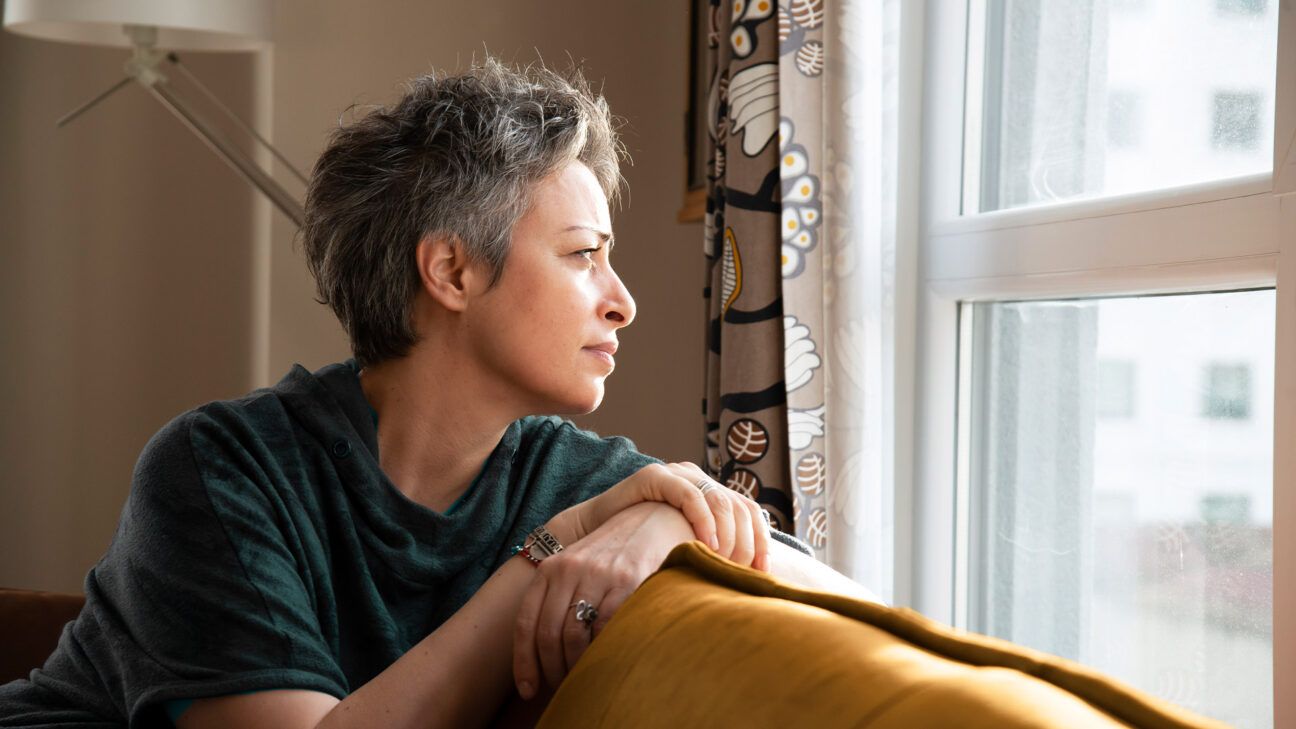
Woman with short hair looks out the window.
Getting poor sleep can significantly impact your overall health. herkisi/Getty Images
  • Cardiovascular disease is the leading cause of death in women, and poor sleep is a major health issue for women, especially in midlife.
  • A new study finds long-term sleep issues and heart disease are closely linked for women.
  • Women who had chronic insomnia or who slept less than 5 hours a night had a higher risk of heart disease.

The sleep habits you develop in the middle of your life can have a profound impact on your future heart health, according to new research.

The study, recently published in the journal Circulation, found that regularly sleeping fewer than seven hours a night and waking up too early or throughout the night can increase a personโ€™s future risk of stroke, heart attack, and myocardial infarction.

Cardiovascular disease (CVD) is the leading cause of death in women, and poor sleep is a major health issue for women, especially in midlife.

While previous studies have looked at how a poor nightโ€™s sleep is related to the development of heart disease, itโ€™s been unclear how long-term sleep problems impact the risk of heart disease.

The new findings suggest that long-term sleep issues and heart disease are closely linked and underscore the need to improve heart disease prevention efforts in women. 

โ€œMore women will die from cardiac disease than from cancer. With control of risk factors we can actually prevent heart disease in women,โ€ Dr. Eleanor Levin, a cardiologist with Stanford Medicine, told Healthline.ย 

Years of poor sleep may heighten your risk of heart disease

The researchers evaluated the sleep habits and health outcomes of 2,964 women between 42 and 52 years of age.

The participants were premenopausal or early perimenopausal, not using hormone therapy, and did not have heart disease.ย 

Over 22 years, the participants completed up to 16 visits where they completed questionnaires about their sleep habits, including whether they have insomnia symptoms and how long they typically sleep, along with mental health issues, like depression, and vasomotor symptoms, such as hot flashes.

The questionnaire also included questions about their anthropometric measurements, such as their height and weight, blood draws, and heart events, such as myocardial infarction, stroke or heart failure. 

Roughly one in four of the women regularly experienced insomnia symptoms, such as trouble falling asleep, waking up in the night, or waking up earlier than planned, and 14 percent frequently dealt with short sleep duration. 

About 7% reported habitual insomnia symptoms and short sleep duration.

The researchers discovered that those who had chronically high insomnia symptoms had a higher risk of developing CVD later in life.

In addition, women who regularly slept less than five hours a night had a slightly higher risk of heart disease.

Individuals who persistently had high insomnia symptoms and slept less than five hours a night had a 75% higher risk of heart disease, even when the researchers adjusted for CVD risk factors.

According to the researchers, the findings highlight the impact long-term sleep problems can have on womenโ€™s heart health. 

How poor sleep hurts your heart

There are multiple explanations as to why poor sleep can impair heart function over time. 

โ€œPoor sleep likely negatively impacts heart health through a combination of mechanisms, such as increasing sympathetic nervous system activity, dysregulating autonomic nervous system activity, and increasing systemic inflammation,โ€ said Dr. Cheng-Han Chen, an interventional cardiologist and medical director of the Structural Heart Program at MemorialCare Saddleback Medical Center in Laguna Hills, CA.

Poor sleep quality is associated with an increased risk of hypertension and insulin resistance, both risk factors for heart disease.ย 

โ€œLack of sleep makes high blood pressure worse and can lead to bad eating habits with more carbohydrates and sugars, making prediabetes and cholesterol worse,โ€ says Levin.

In addition, many people with insomnia also have sleep apnea, which is a known risk factor for heart disease.ย 

Women have different heart disease symptoms than men and are less likely to be treated properly.

Chen says itโ€™s essential that the medical community address sleep problems in women as part of their overall cardiovascular health management.

Here’s what you can do to get better sleep

Experts say you should aim get about seven to eight hours of sleep a night. People looking to improve their sleep can take the following steps:

  • Keep the bedroom cool, dark, and quiet
  • avoid caffeine and alcohol
  • maintain a consistent sleep-wake schedule
  • exercise regularly
  • avoid stimulants, like caffeine, in the afternoon

Medications can be prescribed to treat insomnia and a CPAP (continuous positive airway pressure) machine can be used by those with sleep apnea. 

โ€œExtra attention needs to be paid in preventing the underlying risk factors of cardiovascular disease โ€” such as hypertension, diabetes, and poor sleep โ€” in order to improve their health outcomes,โ€ Chen said.

The bottom line: 

New research shows that long-term sleep issues can increase your risk of heart disease later in life. Heart disease is a leading cause of death in women, and the new findings underscore the need to improve heart disease prevention efforts in women. 

Not Getting Enough Sleep Can Increase Women’s Risk of Heart Disease by 75% Read More ยป

No doubt there are good reasons for Harry and Meghan to take…

Content source – www.soundhealthandlastingwealth.com

Read More ยป

6 Foods to Avoid If You Want to Build Muscle

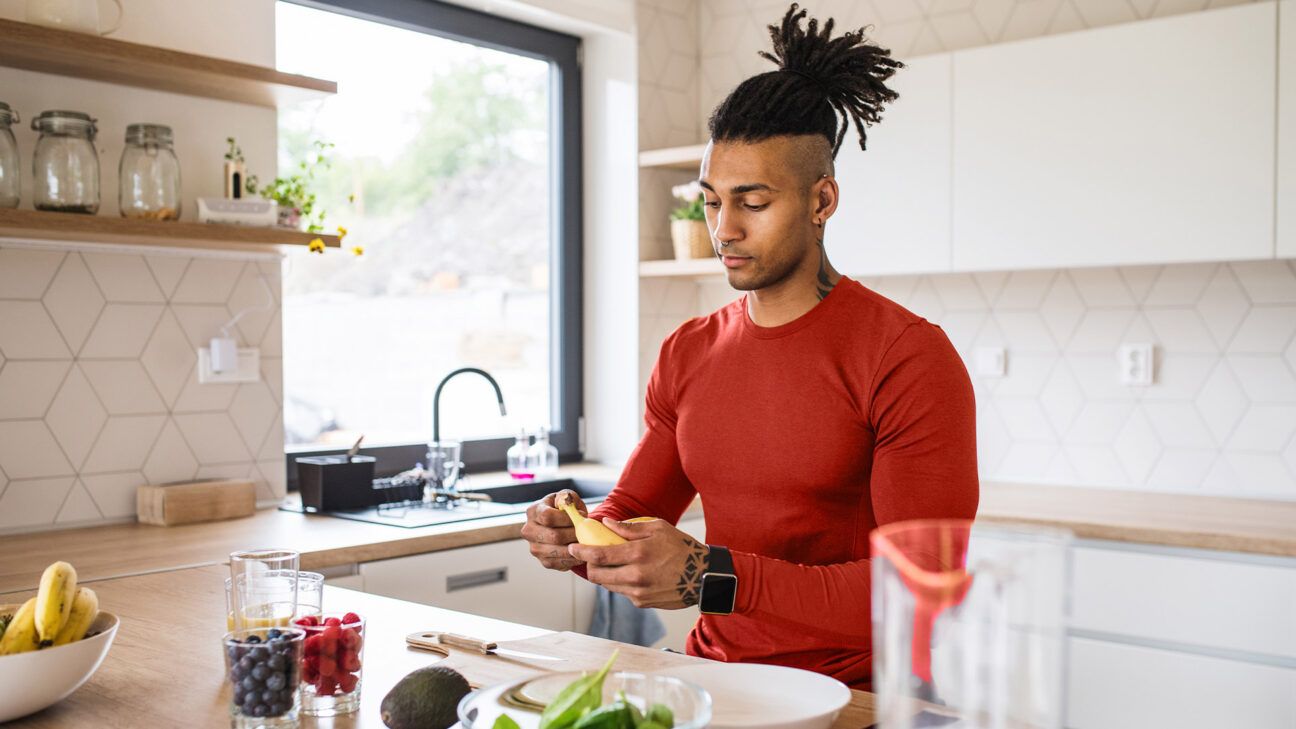
A man peeling a banana in a kitchen.
While some foods can help you build muscle, others can make it more challenging. Halfpoint Images/Getty Images
  • For many, health and fitness goals might include building more muscle.
  • Your diet and your fitness routine are tied together.
  • Some foods can help you build muscle, but others can actively work against you.

Weโ€™re not far removed from the new year and the health and fitness resolutions that often come with it.

You may be well into a new or improved workout routine with a goal of muscle building in mind.

You may even have considered your diet by introducing foods that help promote muscle gain.

โ€œWhen you have a goal to improve your body composition, muscle strength, and/or even heal and recover from surgery without experiencing muscle loss from bed rest, then you should consider a nutrition plan that includes protein, carbohydrates, fats, vitamins, and minerals,โ€ Reema Kanda, RDN, a Clinical Dietitian at Hoag Orthopedic Institute in Irvine, CA, told Healthline.

But in this instance, a little muscular addition can require a certain amount of dietary subtraction.

โ€œIt is important to be mindful of the foods you should limit that may prevent you from reaching your body composition goals,โ€ Kanda said.

In fact, health experts suggest avoiding the following six foods if you’re trying to increase your muscle mass.

Processed meats

โ€œItโ€™s no secret that protein is the macronutrient known for supporting muscle maintenance and growth,โ€ said Jordan Hill, lead registered dietitian with Top Nutrition Coaching.

For many, meat is one of the first and most abundant protein sources that comes to mind. But not all meats are created equally.

โ€œThe American Cancer Society recommends limiting or not including processed or red meats to reduce cancer risk, [and] the Dietary Guidelines for Americans suggest limiting your daily saturated fat intake to less than 10% of daily calories per day,โ€ Kanda added.

Instead, Kanda recommended focusing on lean protein options such as skinless poultry, low fat dairy, and lean cuts of red meat.

Trans fats

โ€œWhen it comes to building muscle at the end of the day, the two most important factors (when it comes to nutrition) would be to meet daily calorie and protein needs,โ€ Albert Abayev, RD, clinical dietician at the Center for Weight Management and Metabolic Health at Cedars-Sinai, told Healthline.

โ€œMake sure [you] are eating in a 200-300 calorie surplus above maintenance calories and meeting daily protein goals,โ€ Abayev added.

But where that calorie surplus comes from is of critical importance.

Trans fatty acids โ€” or trans fats โ€” are the least healthy type of fat and are generally best enjoyed on a limited basis or avoided altogether. While often high in calories, foods high in trans fats are more likely to cause health problems than help build muscle.

These include fried foods and commercially baked foods, such as:

  • french fries
  • fried chicken, beer-battered fish
  • pastries, pies, and cakes
  • cupcakes, cookies, and muffins
  • frozen pizza
  • biscuits, cinnamon rolls

Instead, โ€œfocus on adding healthy fats to your nutrition that come from things like nuts, nut butters, and avocados. This is a great way to reach a calorie surplus while adding nutrition as well,โ€ Abayev recommended.

Added sugars

โ€œAvoid empty calories such as foods high in added sugar,โ€ advised Kanda.

โ€œExcessive sugar intake can promote fat gain when trying to build muscle,โ€ agreed Abayev.

This will not be a helpful outcome for most people trying to build muscle.

Sugars are carbohydrates (carbs), and as a category, carbs do have benefits when it comes to building muscle.

Hill explained three important functions of carbs related to muscle gain:

  • Carbohydrates are the main energy source that helps support quality workout outputs
  • Carbohydrates assist in protein sparing so that we use carbohydrates for fuel rather than the protein in our muscles
  • Carbohydrates stimulate the release of insulin, a hormone that helps shuttle nutrients into muscle cells, ultimately maximizing the anabolic response

โ€œUnfortunately, many highly processed and packaged foods are not going to optimally fuel your energy towards muscle building,โ€ said Kanda.

In this context, avoid foods like:

  • candy
  • donuts
  • sugary snacks
  • sodas

Instead, replace them with:

  • whole grains
  • fresh or frozen fruits
  • starchy and non-starchy vegetables
  • beans and legumes

Alcohol

For healthy adults, alcohol is already best enjoyed in moderation, but how specifically does it relate to muscle gain?

โ€œThe body views alcohol as a toxin, so when consumed, the body works to metabolize the alcohol before anything else. This can negatively impact the body’s efficiency in metabolizing and utilizing nutrients such as carbohydrates and proteins to support muscle repair and growth,โ€ said Hill.

Alcohol can detrimentally affect energy levels and increase the chances of dehydration, she explained.

โ€œFrom a muscle-building aspect, this is unfavorable because fatigue can negatively impact workout output, and dehydration negatively impacts muscular power and cognitive performance,โ€ said Hill.

Sauces, condiments, and dressings

Sometimes, you might try to do the right thing while youโ€™re unknowingly consuming the very types of things youโ€™re trying to avoid.

Be aware of sauces, condiments, dressings, and other toppings.

โ€œBe mindful that a lot of premade salads come with high calorie dressings that add a lot of calories but not a lot of nutrition,โ€ said Abayev.

They can also be high in added sugars.

โ€œFocus on having a balanced salad with a lot of protein, add complex carbs, and healthy fats. Use a low calorie dressing. We want to focus on getting our calories from high quality foods that include protein and healthy fats, not high fat dressings,โ€ Abayev added.

Low quality supplements

โ€œDepending on the individual and their training demands, sports foods and supplements may be appropriate and can benefit workout outputs and workout recovery (i.e., muscle repair and growth),โ€ advised Hill.

But do your homework before choosing a supplement.

โ€œObtain protein supplements from a reputable source that is NSF Certified for Sport or has third-party testing certification on the label,โ€ Kanda suggested.

Takeaway

Building muscle mass is a great fitness goal to have, and your diet will play an important role in achieving that goal.

Knowing what not to eat is just as important as knowing what to consume.

Everyoneโ€™s health circumstances and fitness goals are unique.

Your doctor or a registered dietician can advise you on the healthiest path toward achieving your goals.

6 Foods to Avoid If You Want to Build Muscle Read More ยป

Harry and Meghan have rebranded their website Sussex.com and while they were…

Content source – www.soundhealthandlastingwealth.com

Read More ยป

New Colon Cancer Test May Detect Warning Signs Earlier Than Similar Tests

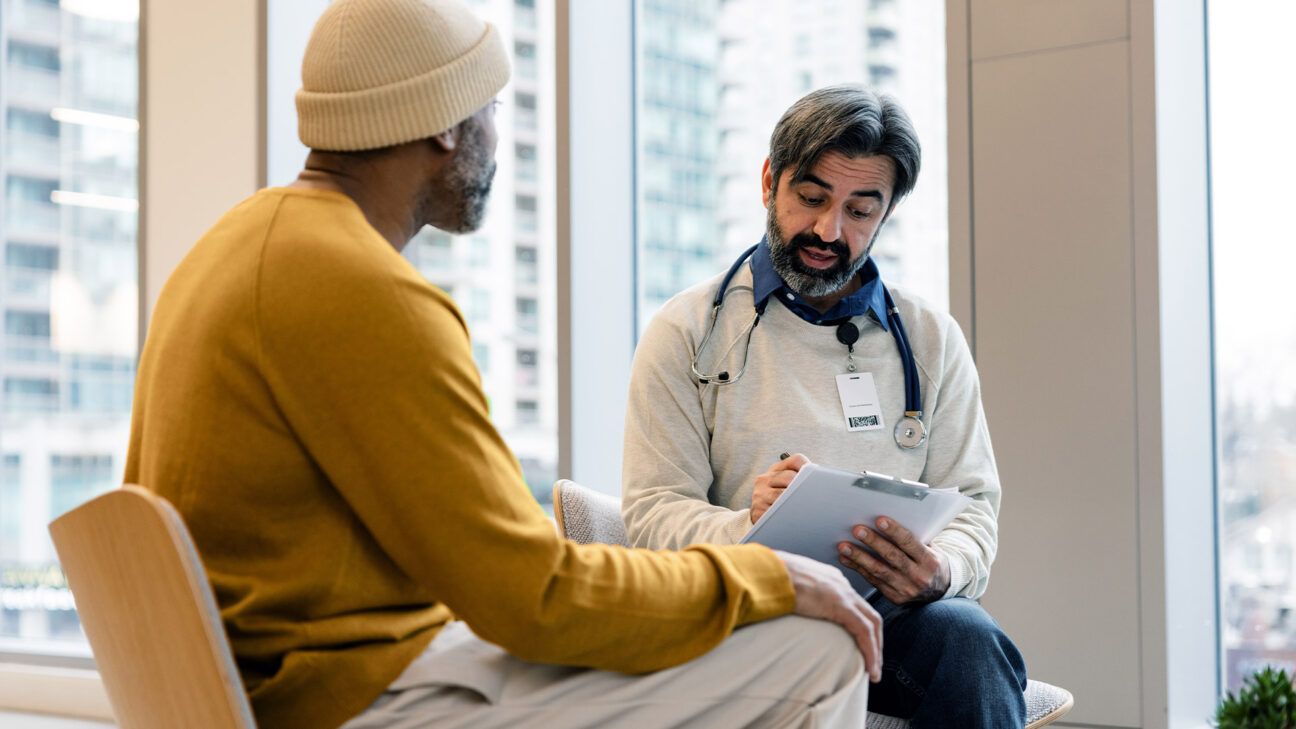
 Man in yellow sweater talks to a physician in an office.
Getty Images
  • Each year, close to 2 million people around the world are diagnosed with colorectal cancer and roughly 935,000 people die from it.
  • Scientists say they have developed a new stool test that is more effective at detecting colorectal cancer than similar tests currently on the market.
  • A new stool test could help people get diagnosed earlier.

Scientists developed a new test that may help detect signs of colorectal cancer earlier and more effectively than the current tests, research led by the Netherlands Cancer Institute suggests.

The study, published in The Lancet this month, found that the stool test could improve colorectal cancer outcomes and increase chances of survival. 

Colorectal cancer is curable if detected early. However, many people donโ€™t get diagnosed until they have late-stage symptoms.

Each year, close to 2 million people around the world are diagnosed with colorectal cancer and more than 930,000 people die from it, according to the World Health Organization.

While the current stool tests used to detect colorectal cancer have substantially reduced rates of mortality from colorectal cancer, they arenโ€™t perfect and occasionally produce false negatives

โ€œThere is a new stool test that is better than the current stool test at detecting pre-cancers, which means that more people who have polyps will be able to get colonoscopies and get those polyps removed before they have a chance to become cancers,โ€ said Dr. Cindy Kin, a colorectal surgeon with Stanford Medicine.ย 

Kin was not involved in the research.

Stool tests do not replace colonoscopies. According to the American Cancer Society, people in good health should start regular screening at age 45 and wait about 10 years between colonoscopies.

A better test to detect colon cancer signs?

Most colorectal cancer screening tests used around the world are fecal immunochemical tests (FIT), which measure levels of the blood protein hemoglobin in stool samples.ย 

Low levels of hemoglobin can be a sign of colon cancer.ย 

The new test is a multitargetFIT-test (mtFIT), which evaluates hemoglobin levels along with two other proteins that are biomarkers for colon cancer: calprotectin, and serpin family F member 2.

For the new study, the researchers investigated the effectiveness of the mtFIT test compared to the FIT test among 13,187 people in the Netherlands between the ages of 55 and 75. 

They found that the mtFIT test was more effective at detecting signs of colorectal cancer. 

The mtFIT test identified 299 people with abnormal protein levels, whereas the current FIT test identified 159 people with abnormal results. 

The newer test was better at detecting polyps and growths that warranted a follow-up colonoscopy.

The researchers believe the new test can help doctors identify cases of colorectal cancer earlier, thereby reducing the risk of death from colorectal cancer.

They estimated that a new mtFIT test could lead to a 21% reduction in cases of colorectal cancer and 18% fewer deaths.ย 

Better test could decrease risk of dying from colorectal cancer

The currently available stool tests donโ€™t catch 100% of cancers and high-risk polyps, according to Dr. Anton Bilchik, MD, PhD, a surgical oncologist and chief of medicine and Director of the Gastrointestinal and Hepatobiliary Program at Providence Saint Johnโ€™s Cancer Institute in Santa Monica, CA.

They also arenโ€™t as sensitive as colonoscopies, says Kin, and these stool tests need to be done every year to boost the chances of detecting high-risk polyps or cancers. 

The new stool test, which is more sensitive, could help doctors identify more polyps that have the potential to become cancer. 

โ€œRemoval of these polyps by colonoscopy significantly reduces the risk of getting colon cancer,โ€ says Bilchik.

Early detection and treatment would also improve the chances of survival, he added.

The test has only been evaluated in the Netherlands and future studies are needed to compare the mtFIT test against the commercially-available FIT tests before it can be put to use.

The bottom line:

A new colorectal screening test may be able to catch more cancers and high-risk polyps than the currently available tests, new research found. The current stool tests donโ€™t catch all polyps and cancers, and a more sensitive test could prevent many cases of colon cancer and reduce mortality. 

New Colon Cancer Test May Detect Warning Signs Earlier Than Similar Tests Read More ยป

Prince Harryย has been seen for the first time since arriving in Canadaย with…

Content source – www.soundhealthandlastingwealth.com

Read More ยป

CDC Warns Some People Have Received Wrong RSV Vaccine, What to Know

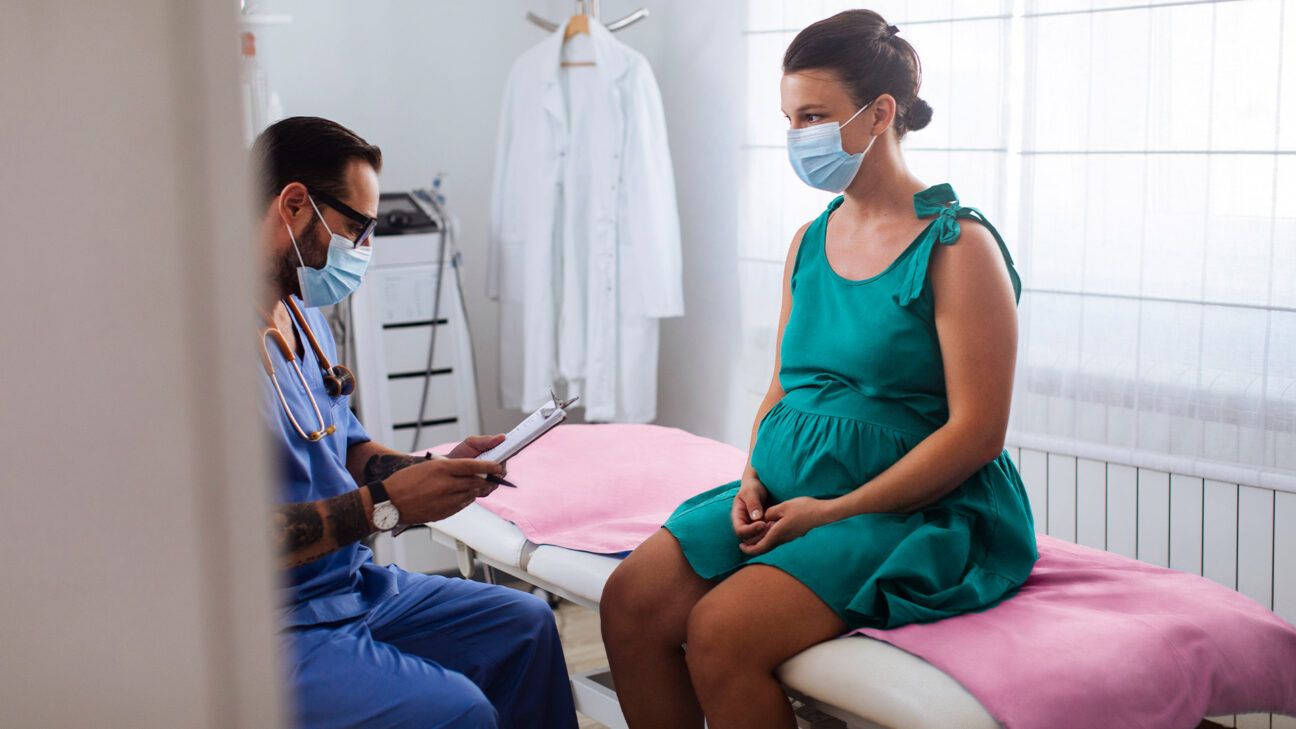
Pregnant woman in green dress sits at a physicians office.
There have been no complications from the wrong vaccine, according to the CDC. Mihailo Milovanovic/Getty Images
  • The CDC is warning that some people have received the wrong RSV vaccine for their demographic group.
  • The vaccine is approved for pregnant people and people over age 60.
  • The CDC reported that 128 pregnant people were given the vaccine that is for adults over the age of 60.
  • Additionally, 25 young children were given the vaccine that is approved only for adults.

Last year marked the first time that the medical community had access to vaccines to combat respiratory syncytial virus (RSV).

These vaccines were specifically targeted for two groups at higher risk for severe complications: the elderly and pregnant people.

Additionally, a monoclonal antibody treatment became available to protect young children from the virus.

However, the Centers for Disease Control and Prevention (CDC) recently announced that some of these vaccine recipients received the wrong vaccine for their particular group.

The number of errors is small. At least 128 pregnant people were given a version of a vaccine approved for adults 60 and up, and about 25 children under 2 years old were administered a vaccine only approved for adults.

โ€œMost of these administration error reports described no adverse event,โ€ the CDC statement reads. โ€œWhen an adverse event was concurrently reported to VAERS, most reports were classified as nonserious.โ€ A majority of the children affected were under 8 months old, and those incidents and those of the pregnant people who received the wrong vaccine were in outpatient settings or pharmacies.

What to know about RSV protection for children

Last fall, the CDC and the Advisory Committee on Immunization Practices authorized monoclonal antibody treatment to protect infants against RSV.

Nirsevimab known by the brand-name Beyforus is a monoclonal antibody treatment made by Sanofi and AstraZeneca for babies and children up to 2 years old.

RSV vaccines only available for adults

RSV vaccines like Pfizer Abrysvo or GSK Arexvy are not approved for infants or young children. Abrysvo is the only RSV vaccine recommended for pregnant people, but Arexvy is not approved for use during pregnancy; both are approved for adults over the age of 60. 

Dr. Daniel Ganjian, FAAP, a pediatrician at Providence Saint Johnโ€™s Health Center in Santa Monica, CA, told Healthline that errors administering new vaccines can occur, given the scale of distribution. โ€œNew vaccines and treatments can sometimes lead to confusion, especially in busy healthcare settings,โ€ Ganjian said. โ€œThe RSV vaccine for adults and the monoclonal antibody treatment for children have similar names, which can contribute to mix-ups.โ€

What to do if you received the wrong RSV vaccine

The most important thing is to stay calm, Ganjian says.

โ€œIt’s important to remember that no serious adverse events have been reported from this specific error,โ€ Ganjian said. โ€œHowever, any unusual symptoms after vaccination should be reported to your doctor. These can include fever, redness or swelling at the injection site, or allergic reactions like hives or difficulty breathing.โ€

The CDC statement recommended that healthcare providers report any errors to the Vaccine Adverse Event Reporting System (VAERS), a passive surveillance system for vaccine safety maintained by the CDC and the FDA. VAERS reports donโ€™t always have information that is complete, accurate, or verifiable, and they are updated frequently.

โ€œWhile VAERS is not designed to determine fault, it helps public health officials identify and address potential issues with vaccines,โ€ Ganjian said.

Dr. Patricia Faraz, board-certified OB/GYN at The Womenโ€™s Hospital at MemorialCare Saddleback Medical Center in Laguna Hills, CA, told Healthline that stricter protocols must be adopted by healthcare officials in handling new vaccines like this.

โ€œThere needs to be a system in place where the order and vaccine are verified by two staff members in the office,โ€ Faraz said. โ€œMedications for OB patients should not be stored in the same refrigerator as non-OB patients to reduce errors as staff members may not be familiar with these new vaccines and they are named similarly.โ€

You should still get the RSV vaccine if you’re eligible

Faraz said she does recommend the vaccine during pregnancy to create antibodies that will be passed to an infant since newborns and infants are so vulnerable to RSV.

โ€œThe reason to give RSV vaccines to pregnant women is so that the antibodies produced after receiving the vaccine cross the placenta and offer protection to the newborn and infancy period (6 months),โ€ Faraz said. โ€œI do recommend RSV vaccine to pregnant women between 32-36 weeks pregnancy in hopes of reducing disease in newborns and infants. Up to 80,000 infants can be infected with RSV yearly requiring hospitalization. 100-300 children will die each year from RSV.โ€

But Faraz added that with the Arexvy brand vaccine, it is unclear if there are potential issues for pregnant people because it was not approved for that group.

โ€œUnfortunately, these vaccines are brand new, and adverse events in pregnant women are not known with Arexvy,โ€ Faraz said. โ€œOver time adverse events may be reported and then we will have a better idea regarding potential side effects or efficacy rates of the Arexvy which is indicated for individuals over 60.โ€

The best thing people seeking the vaccines can do, Ganjian said, is to make sure they are informed by professionals: ask questions if you donโ€™t understand something.

โ€œRemember, it’s always best to get information from reliable sources, like the CDC or your healthcare provider. They can provide you with the most accurate and up-to-date information about RSV vaccines and treatments,โ€ Ganjian said. โ€œAnother good strategy is when you go in to get your vaccine, ask for the exact name of what you want.โ€ 

Takeaway

The CDC is reporting that errors in administering new RSV vaccines have been documented in pregnant people and children under 2.

The number of errors relative to the number of vaccines administered is small, and few adverse effects have been reported.

If youโ€™re planning to get an RSV vaccine, make sure you know exactly what you need. Familiarize yourself with the different vaccines and ask your doctor if youโ€™re unsure.

CDC Warns Some People Have Received Wrong RSV Vaccine, What to Know Read More ยป

Cancer-stricken Sven-Goran Eriksson has been granted his lifelong wish of managing Liverpool,…

Content source – www.soundhealthandlastingwealth.com

Read More ยป

Running Wonโ€™t Help You Lose Weight, But It Can Prevent You from Gaining It

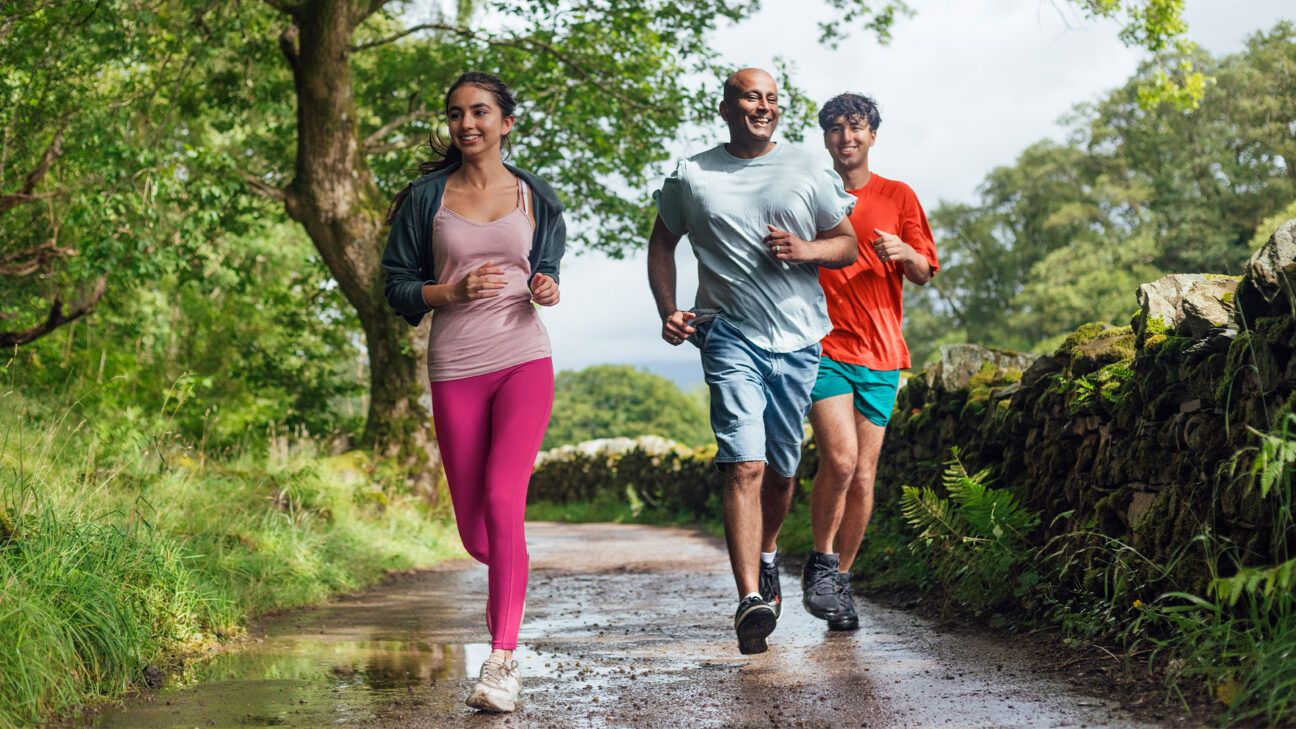
Three people running outside.
New research suggests that running may not aid much with weight loss, but it can help you keep from gaining weight as you age. SolStock/Getty Images
  • A new study reports that running is not an effective way to lose weight.
  • However, it can help you avoid gaining weight as you age.
  • This is because our bodies tend to seek a state of homeostasis.
  • In order to lose fat and gain muscle, it is necessary to combine both diet and exercise.

Contrary to popular belief, running is not an effective way to lose weight, say the authors of a study out of the University of Jyvรคskylรค in Finland.

The study, which was published in Frontiers in Sports and Active Living, did show, however, that continued running over a person’s lifetime can prevent weight gain.

Older sprinters and endurance athletes also had lower fat mass than younger individuals who were strength athletes or who were physically active.

The researchers further found that those who engaged in resistance training throughout their lives were better able to maintain muscle mass than those who participated in sprint and long-distance running.

The older strength trainers additionally had a similar amount of muscle mass as their younger counterparts.

Examining how running affects fat and muscle as we age

The study authors noted that people tend to gain fat but lose muscle as they grow older.

Since it is known that regular exercise can help prevent this, they decided to look at competitive athletes who have continued to exercise as they aged. They felt that this would allow them to see what part of the changes in body composition are inherent to aging and not preventable.

They looked at two age groups: young (20-39 years) and older (70-89 years). Competitive male athletes and healthy, age-matched controls were included in the study.

Additionally, the athletes were divided into groups based on the type of activities that they engaged in, including strength (weightlifting, powerlifting), sprint (sprinting, jumping), and endurance (long-distance running, cross-country skiing).

Dual-energy x-ray absorptiometry (DXA) scans were used to assess their body composition.

These scans were then used to determine if the study participants fell into the categories of low muscle mass, obesity, and sarcopenic obesity (high body fat, but low muscle mass).

After analyzing the data, they found that people who had been lifelong athletes had less sarcopenic obesity than those who only engaged in recreational activities.

However, even older athletes had some increase in fat mass compared to younger people, causing the researchers to conclude that exercise cannot completely mitigate the effects of aging on fat and muscle mass.

Simon Walker, PhD, the lead author of the study, said in a press release that these findings “absolutely” motivate him to continue running.

“Iโ€™d certainly be happy with a fat percentage of 16โ€“18% when Iโ€™m in my 70s and 80s,” he remarked.

Why running may not aid with weight loss

According to Kelsey Costa, MS, RDN, a registered dietitian nutritionist and founder of Dietitian Insights, although running is great for overall health, it impacts weight loss less than people might expect.

Costa said this is due to the body’s adaptive mechanisms.

“After an initial decrease in fat mass from commencing a regular exercise regimen,” she said, “the body instinctively adjusts by reducing its basal metabolic rate โ€” the energy expenditure for vital cellular functions and systemic processes โ€” to conserve energy and sustain fat reserves.”

Costa went on to explain that the hypothalamus, which regulates metabolism, sets an energy expenditure target and counters any excess energy use โ€” such as what occurs during running โ€” by curtailing energy consumption elsewhere.

“This physiological safeguard is an evolutionary response designed to avert starvation,” she noted, “a testament to the complexity of weight management and the body’s instinct to maintain homeostasis.”

Costa added that preventing weight gain is the best way to maintain a healthy body composition.

However, there are effective strategies for losing fat while simultaneously increasing lean mass.

The best combination for losing weight

Ari Jonisch, MD โ€” who is the President of Main Street Radiology as well as Chief-of-Service at New York-Presbyterian/Queens โ€” said that for effective weight loss, a combination of diet and exercise is best.

“Regular physical activity like running is important for overall health, but dietary choices are key for creating the necessary calorie deficit,” he stated. “A balanced diet focusing on whole foods, lean proteins, fruits, vegetables, and complex carbohydrates is recommended.”

Jonisch also advises adding strength training to your routine. This can help build muscle mass, boost metabolism, and aid in weight loss.

“In summary, while running has numerous health benefits and can certainly be part of a weight management strategy, it may not be the sole solution for achieving significant weight loss,” he concluded. “A comprehensive approach that combines regular exercise with a nutritious diet is key for long-term success in weight management.”

Takeaway

A new study has found that contrary to what many may think, running is not a good way to lose weight.

Our bodies tend to compensate for increased activity by slowing our metabolism as a protective measure against starvation.

However, the study did find that people who continued to run throughout their lifetimes were able to avoid some of the changes in body composition โ€” increased fat mass and decreased muscle mass โ€” that we tend to experience as we age.

Experts say if you want to improve your body composition, combining exercise with a balanced diet is necessary.

Running Wonโ€™t Help You Lose Weight, But It Can Prevent You from Gaining It Read More ยป

Will We See a Second Wave of Flu This Winter?

A mother comforts a sick child.
Flu cases have plateaued in recent weeks. zeljkosantrac/Getty Images
  • Cases of the flu have dropped rapidly since peaking at the end of December.
  • In recent weeks those numbers have plateaued rather than continued downward.
  • Experts indicate that thereโ€™s likely more to come before flu season finally tapers off.

Cases of the flu have fallen considerably since they peaked at the end of December, but they still remain elevated across the country. Will there be a second wave?

The latest trends from the Centers for Disease Control and Prevention show that cases of the flu appear to have leveled off rather than continue their downward trajectory. Lab-positive cases of the flu, one of several indicators that the CDC uses to assess seasonal influenza activity, are stable after trending upward last week. Meanwhile, other key indicators like flu-related hospitalizations and visits to healthcare providers are similar to weeks prior.

โ€œWeโ€™re not out of the flu woods yet,โ€ said Dr. William Schaffner, a Professor of Infectious Disease and Preventive Medicine at Vanderbilt University.

โ€œThereโ€™s still plenty of flu out there and the anticipation is, as per usual, we will have flu through February and then it will really begin to taper during March,โ€ he told Healthline.

Of course, flu isnโ€™t the only respiratory illness circulating right now either. COVID-19 and respiratory syncytial virus infection (RSV) are still highly active as well. According to the latest CDC numbers, there have been more than 133,000 emergency department visits nationally due to these three combined. Influenza is still the greatest driver, though, causing roughly 79,000 of those emergency room visits.

Is this flu season worse than other years?

Thereโ€™s good reason to expect another bump in flu cases this year. Historically, influenza activity most often peaks in February, before finally falling off.

โ€œI donโ€™t have a great crystal ball, but it wouldnโ€™t surprise me if we saw fairly high case numbers through mid-March,โ€ said Dr. Dean Winslow, a Professor of Medicine at Stanford Medicine and infectious disease expert.

The 2023-2024 flu season has also been one of the most robust since the COVID-19 pandemic in 2019-2020.

Last yearโ€™s flu season was also strong, but it peaked much earlier, at the end of November, before crashing precipitously in December and January.

This year, the season appears to have peaked in the last week of December. 

Right now flu cases are much higher than at the same time last year.

โ€œIn general, the country has seen a diminution in new cases of influenza, but it’s still way above the annual epidemic level. Our influenza cases are down somewhat, but they’re on a plateau, basically. They’re maintaining themselves,โ€ said Schaffner.

Where are flu cases concentrated this week?

Monitoring the extent and severity of flu season is complex.

There are also important regional variations in flu activity across the United States. Southern states including Texas, New Mexico, Arkansas, Louisiana, and South Carolina are all showing very high levels of flu activity. Meanwhile, many western states, from Colorado to Oregon show moderate to low levels. 

In order to establish what a national snapshot looks like, scientists at the CDC have to use a variety of indicators.

For example, this week the number of laboratory-confirmed positive influenza cases sits at 15.8%. Out of more than 96,000 tested specimens, about 15,000 of them tested positive for the flu. The percentage of laboratory-confirmed tests has also been relatively stable for the past several weeks.

Another indicator, reported flu-related doctor visits, is at 4.4%. That means that out of all cases reported through one of the CDCโ€™s respiratory illness surveillance programs, 4.4% met the definition of an โ€œinfluenza-like illnessโ€ or ILI. An ILI is defined as a fever of 100 degrees or more, accompanied by cough and/or sore throat.

Deaths due to the flu have also been falling in recent weeks. There were 222 flu-related deaths in the past week, compared to 490 the week before. 

What to know about different flu strains

Like all viruses, the flu is prone to mutation, meaning that one flu season will differ from the next in terms of severity of symptoms and transmissibility. While there are four types of influenza viruses (A, B, C, and D), the first two are responsible for the annual flu season epidemic in the United States.

Influenza A makes up the bulk of cases year after year, while influenza B makes up a much smaller proportion of illnesses.

โ€œThere’s an old adage, if you’ve seen one flu season, you’ve seen one flu season. It’s usually the case that influenza B plays a minor role earlier in the annual outbreak and then becomes more prominent as we get through February into March,โ€ said Schaffner.

This yearโ€™s virus, โ€œinfluenza A(H1N1)pdm09,โ€ might sound familiar to some readers. That H1N1 designation is one youโ€™ve seen before.

โ€œThis particular strain of flu is very similar to the H1N1 virus which caused the catastrophic โ€˜Spanish Fluโ€™ pandemic of 1918-19,โ€ said Winslow.

โ€œInterestingly, during the 1918-19 Spanish flu, a lot of cases were seen late in the season also,โ€ he added.

H1N1 is a swine flu subtype of influenza A virus that, in addition to the famous 1918 pandemic, was also responsible for an outbreak in 2009-2010. At that time, it is estimated that the virus was responsible for somewhere between 43-89 million cases across 178 countries.

How to avoid catching the flu

The number one thing you can do to stay well during this flu season is to get a flu shot. Both Winslow and Schaffner recommend getting one, especially if you fall into a high-risk category. Individuals who are 65 years of age or older, children younger than 5, pregnant, or have certain chronic conditions are considered at higher risk from flu-related symptoms.

Other important considerations for staying well include minimizing time spent in large groups indoors and social distancing.

The bottom line

Flu season isnโ€™t over yet. Cases are overall down from their peak at the end of December but are still considerably elevated nationally.

Cases have plateaued, but February is historically one of the peaks of flu season, and there is the potential for another wave.

Experts recommend getting a flu shot, avoiding large indoor group activities, and social distancing to stay safe from the flu this season.

Will We See a Second Wave of Flu This Winter? Read More ยป

Sign In Sign Up
Sign In Sign Up
x

Chatbot

Scroll to Top