Nestlรฉ Launches Frozen Food Line for People Using GLP-1 Drugs

Chicken rice bowl on blue plate on blue and white tablecloth.
As GLP-1 drugs become more popular, Nestlรฉ has launched a new line of frozen food items targeting people on these medications. Image Provided by Nestlรฉ
  • Nestlรฉ is launching a new frozen food brand, targeted towards people taking GLP-1 medications.
  • Experts said that processed food cannot replace natural, whole foods. This food line can act as a supplement but should not be the only food source.
  • Maintaining a healthy diet and lifestyle is important alongside consuming these products.

GLP-1 drugs, Ozempic and Wegovy have exploded in popularity with more and more people turning to these medications to help manage weight loss and diabetes.

To target this new group of consumers, Nestlรฉ has created a new frozen-food brand, Vital Pursuit that will launch in the fall of 2024.

The food line will contain essential nutrients, with products such as sandwich melts, pizzas and frozen bowls with whole grains or pasta. 

โ€œI appreciate that Nestlรฉ is providing a food line that is convenient and has โ€“ as they claim โ€“ โ€˜high protein and fiber,โ€™ and various vitamins and minerals that people on weight loss medications may not be getting enough of through their diets,โ€ said Stephanie Schiff, a registered dietician at Northwell Lenox Hill Hospital.  

However, experts say that it is important that people on these medications do not see these items as their main source of food.  

โ€œThere is no competition when you compare a diet of processed food products to a plant-focused diet which centers on food that is as close to its natural state as possible,โ€ Schiff explained. โ€œResearch shows that a diet high in processed foods can put us at risk for various health conditions, depending on the level of processing.โ€

How GLP-1 drugs can lead to nutritional deficiencies

Nutritional deficiency is an issue with people who are on GLP-1 medications.   

โ€œPeople who are on GLP-1 drugs become less hungry,โ€ Schiff stated. โ€œThey experience a feeling of fullness more quickly when they eat.  Their appetites decrease and they eat less. Theyโ€™re not likely to get a sufficient amount of vitamins, minerals, fiber or protein their bodies need if theyโ€™re eating less food. But a frozen food line is not necessarily the solution.โ€

When you eat less, youโ€™re less likely to get the fiber, protein, vitamins, and minerals your body needs.   

โ€œYou tend to eat less protein, which is important for growth and repair in the body,โ€ said Schiff. โ€œAs you lose weight, you lose muscle mass, and having enough protein is key in maintaining that muscle.โ€

Also, people on these drugs tend to eat fewer vegetables and fruits, whole grains, beans, seeds, and nuts. 

โ€œThese plant sources provide antioxidants, vitamins, minerals, and fiber,โ€ Schiff explained. โ€œFiber can help stabilize blood sugar and lower cholesterol.  It helps keep your digestive tract healthy.   It feeds the good bacteria in your gut to reduce inflammation in your body. It can improve your mental health by being part of the synthesis of our feel-good neurotransmitters such as dopamine and serotonin.โ€

Jamie Leskowitz, MS, a registered dietician with Columbia’s Metabolic and Weight Control Center, noted: โ€œAny time individuals consume less than they typically consume, it is possible they may be lacking key nutrients.  Thus, it is imperative to ensure adequate nutrient consumption while consuming fewer calories.  Focusing on a well-balanced and nutrient-dense eating plan is key.โ€

To optimize health while reducing total calorie intake, it is important to consume adequate macronutrients (protein, carbohydrates, and fats) and micronutrients (vitamins and minerals).  

โ€œProtein is especially important while losing weight to preserve lean muscle mass and increase satiety; carbohydrates are a major energy source and provide fiber, which is helpful for heart health, blood sugar, and bowel regularity; and fat enhances absorption of fat-soluble vitamins and is needed for brain function,โ€ Leskowitz stated.  

While vitamins (A, C, D, E, K, and the B vitamins) and minerals (e.g. calcium, potassium, magnesium, iron, etc) are required in smaller amounts, they are essential for keeping our bodies healthy and functional, Leskowitz explained. You can review your diet with a healthcare professional to ensure you are meeting your needs, which vary depending on age, weight, medical history, and activity levels.

What experts think of the new line from Nestlรฉ

While these drugs can help kickstart your health and weight loss journey, itโ€™s crucial to remain consistent with eating well-balanced meals, exercising regularly and other healthy lifestyle habits.

โ€œWhile the Vital Pursuit line may provide some convenient foods with some health benefits, I would hope that people on these medications choose to make high-quality whole foods the main part of their diets and use products like Nestlรฉ’s Vital Pursuit at times when getting a meal is difficult,โ€ said Schiff. โ€œThese are processed products, which tend not to be as healthy as foods that are close to their natural state. Even though vitamins, minerals, and other nutrients are added to their food, their absorption within our bodies is often less efficient compared to that from whole foods.” 

Schiff continued: โ€œI think that there is a time and place for products like Nestlรฉ’s Vital Pursuit frozen food line.ย  But whether in conjunction with our new GLP-1 medications, or any weight loss medications, I think a healthy, sustainable, minimally processed diet is one we should be aiming for. Processed meals can be considered as an occasional backup.”

More information is needed to determine how healthy this new food line actually is.

โ€œAt this point, I donโ€™t believe Nestlรฉ has released the details on nutrient levels or ingredients in their products, so I canโ€™t speak to whether amounts of various nutrients are sufficient, or if the ingredients are healthful,โ€ Schiff added.

Takeaway

Nestlรฉ has created a new frozen food line, aimed at people taking GLP-1 medications.

According to experts, processed food should not replace natural, whole foods. 

Maintaining a healthy diet and lifestyle is important regardless of what GLP-1 drugs or products, like Nestlรฉ’s food line, youโ€™re consuming.

Nestlรฉ Launches Frozen Food Line for People Using GLP-1 Drugs Read More ยป

Stroke Risk is Increasing Mainly in Younger People, Here’s Why

Woman seen from behind carries two potted plants in a yard.
A new CDC study finds people under 65 are increasingly at risk for having a stroke. Westend61/Getty Images
  • Strokes are increasing among young adults, according to a new report from the CDC.
  • Adults between the ages of 45-64 saw a 15% increase in the prevalence of stroke.
  • Individuals with less than a high school education also experienced a significant increase in stroke prevalence.

The number of strokes occurring in younger people is on the rise, according to a new report from the Centers for Disease Control and Prevention.

The CDC report finds that for people under age 65 the risk of stroke has been growing over the last decade. This is in contrast with older Americans. While Americans 65 and older still have the highest prevalence of stroke overall, the year-over-year incidence of stroke has remained flat.

For younger adults, the overall risk remains relatively low, but that risk has grown in recent years. The increasing prevalence of stroke has been paralleled by increases in both obesity and high blood pressure in the same age groups. These conditions are both linked to an increased risk of stroke.

โ€œThis report is concerning because in the younger population, the stroke rates are going up. And they’ve also noted that the rates of obesity and hypertension have been increasing in younger folks. Thatโ€™s a bad sign,โ€ Gregory W. Albers, MD, Director of the Stanford Stroke Center at Stanford Medical Center, told Healthline. Albers wasnโ€™t affiliated with the report.

Prevalence among people of certain racial and ethnic groups, geographic regions, and lower education status are also stark reminders of disparities in stroke prevention and education that continue to persist.

Stroke increasing among younger adults

Comparing self-reported health data from 2011-2013 and 2020-2022, researchers at the CDC found that the prevalence of stroke grew by nearly 8%. However, that growth was not dispersed evenly among all age, sex, and socioeconomic groups.

Young adults in particular, saw outsized increases in stroke. Among those aged 18-44 years old there was a 14.6% increase in stroke prevalence; for adults in the 45-64 category, it increased by 15.7%. 

Age is a major risk factor for stroke, and the average age of a stroke is when an individual is in their 70s, which makes the CDCโ€™s latest report that younger adults are experiencing strokes all the more disconcerting.

Overall prevalence of stroke among young adults in both age categories (0.9% for the 18-44 group and 3.8% for the 45-64) is still lower than that of those 65 and older (7.7%). However, the stroke rate among older Americans has leveled off, whereas it is continuing to grow for younger adults, particularly those in midlife.

The national prevalence of self-reported stroke is 2.9%.

While there is no clear single culprit for the rise in the number of strokes among the young adult demographic, compounding risk factors like obesity and high blood pressure are likely playing a role.

Between 1999-2000 and 2017-2018, the number of people with high blood pressure rose by more than 6% among adults aged 45-64, according to the new CDC report.

โ€œWhen you look at every epidemiological study across the board, every continent on this planet, every demographic, the thing that jumps out as a stroke risk factor more than any other factor is high blood pressure,โ€ said Matthew S. Schrag, MD, PhD, a Vascular Neurologist and Assistant Professor of Neurology at Vanderbilt University Medical Center. He wasnโ€™t affiliated with the report.

Who is most at risk for having a stroke?

The report also noted some key findings based on race and ethnicity, geography, and education level.

Stroke is most prevalent among American Indian/Alaska Native (5.3%), followed by Hawaiian/Pacific Islander (4.4%) and Black adults (4.3%). Whereas it is lowest among Asian adults (1.5%). Over the surveillance period, stroke prevalence increased among Black (7.8%), White (7.2%), and Hispanic (16.1%) adults.

Adults with less than a high school education saw the single largest increase in stroke prevalence of any other groups: 18.2%

โ€œFolks who are more educated tend to be more aware of the importance of hypertension control, even though it doesn’t cause symptoms. It’s not unusual to see that more educated populations have better access to care, better insurance, better coverage, and can afford their medication. So, itโ€™s not a surprise to me,โ€ said Albers.

Ten states, predominantly in the south, also saw increased stroke prevalence. This region of the south has become known as โ€œthe stroke beltโ€ โ€” a cluster of states with higher stroke mortality and the rest of the United States.

โ€œThis prevalence data still seems to point at a very significant increase in what we call โ€˜the stroke belt.โ€™ There is an asymmetry in this country of the distribution of strokes geographically,โ€ said Schrag.

Stroke prevention

Omoye Imoisili, MD, a Researcher in the Division for Heart Disease and Stroke Prevention at the CDC, and author of the report, told Healthline there are myriad health and lifestyle changes that can help you prevent stroke:

โ€œDecrease your stroke risk by taking control of your health. Prevention steps and strategies include healthy habits you can do on your own, and also with support of a healthcare team. These include choosing healthy food and drinks, keeping a healthy weight, getting regular physical activity, not smoking, limiting alcohol, and controlling blood pressure,โ€ she said.

The bottom line

The prevalence of stroke has increased for young adults (18-44) and mid-life (45-64), but not older adults (65 and older) over the past decade.

A rise in risk factors among adults under 65, including obesity and hypertension, are likely part of the problem.

You can mitigate your stroke risk through actionable lifestyle changes including controlling high blood pressure, exercising, and stopping smoking.

Stroke Risk is Increasing Mainly in Younger People, Here’s Why Read More ยป

GLP-1 Drug Semaglutide May Decrease Kidney Disease Risk

Person uses GLP-1 drug.
A study has found semaglutide sold under brand names Ozempic and Wegovy may lower kidney disease risk. Iuliia Burmistrova/Getty Images
  • Popular GLP-1 drug semaglutide may help protect kidney function.
  • A new study looked at the drug, sold under the brand names Ozempic and Wegovy, and its impact on kidney health.
  • Researchers found the medication can help protect kidney function in people who have excess weight or heart disease.

New research has found that semaglutide, a popular medication used to treat diabetes and obesity, may help protect kidney function in people who have excess weight and cardiovascular disease (CVD).

The findings, which were presented at the 61st ERA Congress Friday, suggest that receiving a weekly injection of semaglutide, a glucagon-like peptide-1 (GLP-1) receptor agonist, may help prevent complications like chronic kidney disease and end-stage renal disease that often occur alongside obesity.

Health experts say the results are encouraging as they indicate that semaglutide may be an effective therapeutic option for treating comorbidities, and ultimately, improving peopleโ€™s quality of life. 

โ€œThis study adds to the body of literature supporting the beneficial effects of semaglutide in people with overweight and obesity without diabetes, which is so necessary as we continue to navigate the complex landscape of insurance coverage of these medications in people who do not have diabetes,โ€ Shiara Ortiz-Pujols, MD, MPH, an obesity medicine physician at Staten Island University Hospital, told Healthline. 

Kidney function was better in people who took semaglutide

To better understand the effects of semaglutide on heart disease, the researchers evaluated the health data of a previous randomized trial that included 17,604 individuals with overweight or obesity and heart disease over the course of 3.5 years.

The researchers tracked who experienced a kidney event such as a significant decline in kidney functioning, starting chronic kidney replacement therapy, onset of persistent macroalbuminuria, or death. 

The team found that, compared to the placebo, 22% fewer people experienced kidney-related events in the group of 8,803 people who received a once-weekly injection of semagutide (2.4 mg).

In addition, semaglutide appeared to help the kidneys filter blood. 

Those who took the medication experienced lesser declines in their glomerular filtration rates, a marker that indicates how well the kidneys are filtering.

Those who took semaglutide also experienced significant decreases in urinary albumin-to-creatinine ratio, a test that measures albumin in urine, and macroalbuminuria, a condition where the body excretes more than 300 milligrams of protein through urine daily. 

The benefits were observed even in those with normal kidney function at baseline. 

โ€œThey found that, indeed, there was a modest beneficial effect on kidney function even in people without kidney disease, and a larger beneficial effect in slowing rate of kidney function loss in people with kidney disease,โ€ explains Shuchi Anand, MD, MS, an associate professor of medicine (nephrology) at Stanford Medicine.

How does semaglutide protect kidney function? 

Ortiz-Pujols isnโ€™t surprised to see semaglutide had a positive effect on kidney function.

โ€œI suspected that these findings would be true based on what I have seen in my patients, and now there are studies to support it,โ€ she said. 

According to Anand, reducing the workload of the kidneys may help prolong peopleโ€™s lifespan. 

โ€œBy reducing weight, even modest amountsโ€”people in the semaglutide arm lost about 9% of their body weight over two years in this studyโ€”we are reducing the filtering load on the kidneys. โ€ she said.

In addition, itโ€™s possible that improving glucose metabolism benefits the kidneys, Anand added.

The drug may also lower inflammation in the body, added Ortiz-Pujols.

More research is needed to better understand semaglutideโ€™s direct and indirect effects on kidney function. 

Furthermore, there may, for example, be side effects that are important to consider before utilizing semaglutide for the added kidney benefit. 

โ€œAnswers to these questions may help guide obesity treatment, but may also inform future areas of research as we learn more about the beneficial effects of GLP-1 receptor agonists such as semaglutide,โ€ Ortiz-Pujols said.

How semaglutide can be used for kidney health 

People with excess weight face a higher risk of diabetes and hypertension, which are two factors known to worsen kidney function.

These results show that semaglutide may minimize these risk factors, thereby preventing kidney disease in people living with overweight or obesity.

โ€œThe results suggest that we may have tools to actually prevent kidney disease, rather than only slow loss of kidney function once a person develops kidney disease,โ€ Anand said.

According to Anand, itโ€™s not easy to convince people without kidney dysfunction or diabetes to take a life-long medication.

โ€œWhatโ€™s nice with this class of medicines is that kidney protection is an added bonus: There is already evidence that they benefit in terms of weight loss and cardiovascular health, so physicians would have more than one reason to consider them,โ€ Anand said. 

The bottom line:

New research has found that semaglutide, a popular medication used to treat diabetes and obesity, may help protect kidney function in people, who have excess weight and cardiovascular disease. Health experts say the results indicate that semaglutide may be an effective therapeutic option for treating comorbidities, and ultimately, improving peopleโ€™s quality of life.

GLP-1 Drug Semaglutide May Decrease Kidney Disease Risk Read More ยป

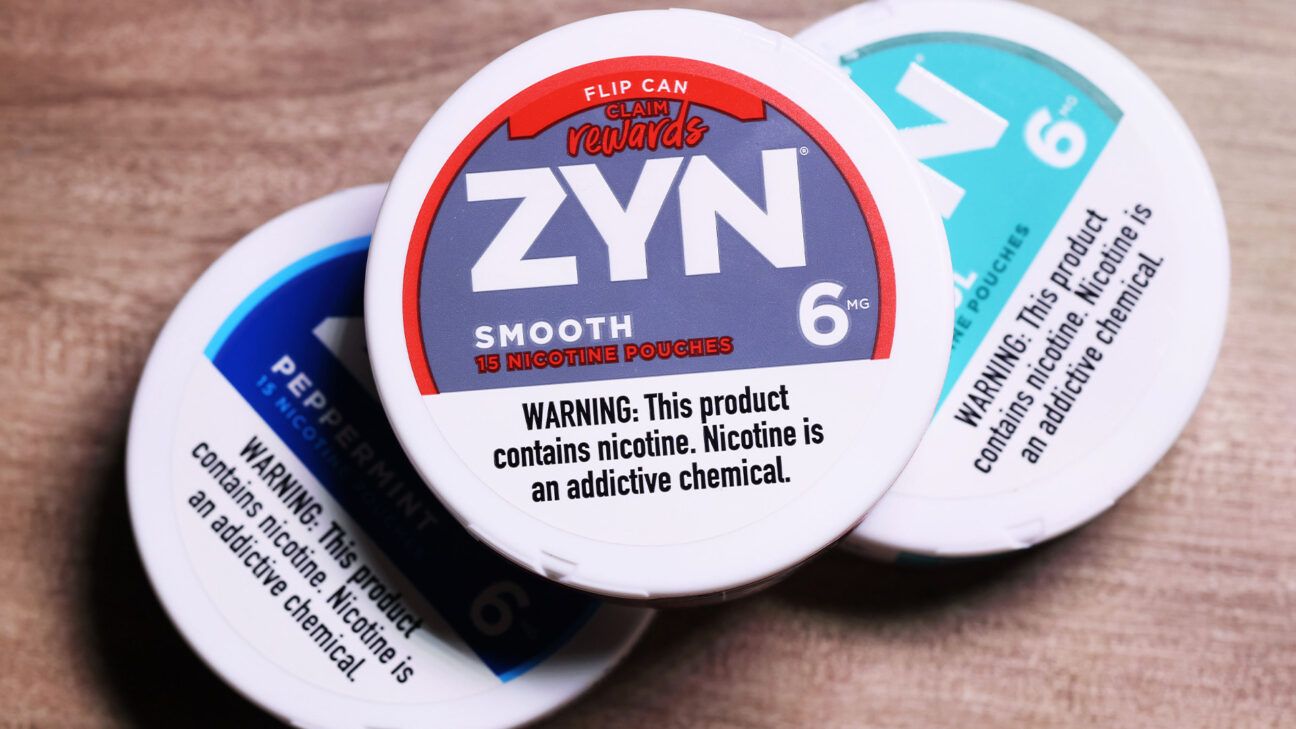
Zyn Nicotine Pouches Gaining Popularity as TikTok’s Latest Weight Loss Trend ‘O-Zyn-Pic’

Zyn nicotine pouches.
Nicotine pouches are gaining popularity on social media as a cheap alternative to weight loss drugs, but medical experts warn the trend can pose significant health risks. Michael M. Santiago/Getty Images
  • Nicotine pouches are being used as an alternative to weight loss drugs like Wegovy and Ozempic.
  • Nicotine is a known appetite suppressant but has many health risks.
  • Risks of oral nicotine products include gastro discomfort, tooth decay, and certain types of cancer.
  • Experts say you can naturally suppress your appetite with lifestyle tweaksย .

Instagram and TikTok users are promoting the use of Zyn brand nicotine pouches as an appetite suppressant in a trend that has been called โ€œO-Zyn-picโ€ โ€” a low cost alternative to GLP-1 medications like Ozempic and Wegovy.

Content creators are claiming the $5 doses of flavored nicotine have helped them lose up to 30lbs.

However, while nicotine may help reduce appetite, health experts are raising concerns about this disturbing trend and the health dangers associated with nicotine.

Health risks of Zyn nicotine pouches

Zyn pouches are placed between your lip and gums, and the nicotine is absorbed into the bloodstream. 

โ€œNicotine is a highly addictive substance, which can lead to psychological and physiological dependence, as well as withdrawal symptoms upon cessation of use,โ€ points out Amy Reichelt, PhD, Chief Innovation Officer at PurMinds Neuropharma.ย 

With GLP-1 agonists like Ozempic being very expensive and prescription medications that are only suitable for a subset of individuals, Reichelt isnโ€™t surprised people are turning to nicotine products that are readily available to the general public to aid with weight loss.

As an appetite suppressant, it can be very effective. 

โ€œNicotine can affect appetite in a range of ways, including altering activity in reward processing brain circuits through stimulating the release of neurotransmitters, and also through influencing the activity of the appetite-regulating hormones leptin and ghrelin,โ€ Reichelt explains. 

Still, she believes the health risks arenโ€™t worth it.

In the short term, she says nicotine pouches can cause a number of side effects, especially at higher doses, such as:

  • nausea
  • headache
  • dizziness
  • throat irritation
  • gastrointestinal discomfort

In the long term, the risks can be more serious.

โ€œNicotine can have acute cardiovascular effects, including increasing heart rate and blood pressure, which may pose risks for individuals with underlying cardiovascular conditions,โ€ she explains.ย 

Nicotine use is also associated with an increased risk of stroke and various types of cancer.

A study of 44 nicotine pouch products and two nicotine-free pouches published in 2022 found that 26 of the samples contained cancer-causing chemicals known as tobacco-specific nitrosamines. 

Nicotine pouches may harm your dental health, too

โ€œOral nicotine products mainly contain nicotine, flavorings, pH buffer, filling agents, as well as a trace of toxic tobacco-specific nitrosamines (TSNAs), metal, and formaldehyde,โ€ Reichelt surmises. โ€œAs nicotine pouches are held in the mouth against the gum, there is research investigating whether these pouches cause periodontal disease and damage to the gums that can lead to tooth loss or decay.โ€ 

A 2023 study found that when applied to the same area of the mouth repeatedly, Nicotine can lead to periodontitis, the main cause of tooth loss.

How to reduce your appetite without drugs 

Still, Dr. Danielle Kelvas, MD, primary care physician at The HCG Institute, says, if youโ€™re on a mission to lose weight, appetite suppression can be a useful tool. 

โ€œIt helps reduce overall calorie intake by making it easier for you to eat less without feeling deprived or constantly hungry. This can be particularly beneficial in the initial stages of a weight-loss plan when adjusting to a lower calorie intake can be challenging,โ€ she points out. 

But she stresses that itโ€™s better to suppress your appetite without resorting to drugs. 

Kelvas recommends drinking plenty of water.  โ€œStaying well-hydrated can help reduce hunger, as sometimes thirst is confused with hunger,โ€ she explains. 

Itโ€™s a good idea to increase your fiber intake too. 

โ€œHigh-fiber foods like fruits, vegetables, whole grains, and legumes can keep you feeling fuller for longer periods,โ€ Kelvas explains. 

โ€œProtein-rich foods can have a similar effect, helping to enhance satiety and reduce overall food intake,โ€ she adds. 

How you eat matters, too. Kelvas recommends mindful eating to reduce your appetite.

โ€œPaying close attention to what and how much you’re eating can help you recognize fullness cues better and prevent overeating,โ€ she explains. 

It might surprise you to learn that regular exercise is also a great way to regulate your appetite. 

โ€œPhysical activity can help regulate appetite hormones and reduce the feeling of hunger,โ€ Kelvas notes. 

Foods that can help reduce your appetite 

If youโ€™re wondering what specific foods you should eat, Kelvas has plenty she recommends. 

โ€œOats are packed with soluble fiber, which slows digestion and keeps you feeling fuller longer, while apples are high in fiber and water, keeping you full and hydrated,โ€ she says. 

You can also eat protein-rich eggs and foods that are high in healthy fats, like avocados and nuts. 

Remember to include water-rich vegetables, too.

โ€œCucumbers, zucchinis, and bell peppers have a high water and fiber content, which can help to fill you up,โ€ Kelvas explains. 

Controlling your appetite can lead to weight loss, but itโ€™s important to remember that we eat for lots of reasons, not just because weโ€™re hungry.

Some reasons include stress, boredom, emotional comfort, and social gatherings. 

Therefore, Kelvas says, while controlling hunger through appetite suppression can help, it’s also crucial for you to address and manage these other factors. 

She surmises that โ€œDeveloping a healthy relationship with food, recognizing emotional eating triggers, and finding non-food methods to cope with emotions or stress are equally important for long-term weight management.โ€ 

Takeaway 

It probably wonโ€™t come as much of a surprise that nicotine pouches arenโ€™t a healthy way to suppress your appetite and lose weight.

Eating plenty of protein, fiber, and water-rich foods, as well as exercising regularly, are all healthy, natural ways to help regulate your appetite.

Zyn Nicotine Pouches Gaining Popularity as TikTok’s Latest Weight Loss Trend ‘O-Zyn-Pic’ Read More ยป

Ozempic, Wegovy Users More Likely to Develop ‘Stomach Paralysis’

Doctor talking with a patient.
A trio of new studies suggest that people who use GLP-1 drugs like Ozempic and Wegovy may be more likely to develop โ€˜stomach paralysisโ€™ (gastroparesis). SeventyFour/Getty Images
  • New research presented this week highlights a link between drugs like Ozempic and a condition known as gastroparesis, so-called stomach paralysis.
  • The studies found that patients who take GLP-1 drugs were more likely to develop the condition.
  • Despite the name, experts contacted by Healthline reiterated that gastroparesis is an expected and reversible effect of GLP-1 drugs.

Are you more likely to develop gastroparesis, so-called stomach paralysis, if youโ€™re taking an obesity or diabetes medication like Wegovy or Ozempic?

A trio of studies presented at Digestive Disease Week 2024 examined real-world patient data to better understand the prevalence of certain gastrointestinal side effects, including gastroparesis, among patients taking popular weight loss and diabetes medications.

These include glucagon-like peptide-1 receptor agonists (GLP-1), a class of drugs that includes semaglutide (Ozempic and Wegovy), and twincretin drugs like tirzepatide (Mounjaro and Zepbound), which utilize both GLP-1 and GIP, a separate receptor agonist.

The gastrointestinal side effects of these drugs are well known; they include nausea, vomiting, and diarrhea. However, there are also less common events associated with them. These include gastroparesis, ileus, and acute pancreatitis.

Many of the rare events have only begun to get more attention because of real-world data coming out about them from patients and prescribers. For example, the FDA onlyย added a warning about iIeus for Ozempic and Wegovy in October 2023.

With so many Americans taking GLP-1 and twincretin drugs โ€” a recent survey found that number to be as high as 13% (about one in eight adults) โ€” data about their side effects is mounting rapidly.

Researchers have consistently found that gastroparesis is more prevalent among people who take GLP-1s than those who donโ€™t. However, the significance of that finding is still up for debate among experts contacted by Healthline.

New studies investigate association between gastroparesis and GLP-1 drugs

Researchers independently took up investigating the association between GLP-1s and GI side effects, especially gastroparesis, in three separate studies presented this week. The presentations have not been published in medical journals.

The first study, led by researchers at the University of Kansas, utilized records from TriNetX, a global electronic medical records database. It includes records from millions of patients across large healthcare organizations. Researchers used a tranche of data from patients who had been prescribed a GLP-1 for diabetes or obesity between 2021-2022.

Those patients were then compared with a control group of similar individuals, also with diabetes or obesity, but who were not treated with a GLP-1.

In total, close to 300,000 patients were included.

Researchers found that people taking GLP-1 drugs were 66% more likely to be diagnosed with gastroparesis than those who were not. Among patients taking the drugs, 0.53% were diagnosed with gastroparesis โ€” about 750 out of nearly 150,000 patients.

โ€œPatients need to be informed about these side effects before treatment is started. There is a lot of excitement and demand for these medications, but side effects are critical points for discussion,โ€ Prateek Sharma, MD, a Professor of Medicine in the Department of Medical Oncology at the University of Kansas School of Medicine, and lead investigator of the study, told Healthline.

Theย  second study, this time from investigators at University Hospitals in Cleveland, also used the TriNetX database to examine the prevalence of gastroparesis in patients with type 2 diabetes who had been prescribed either a GLP-1 or a twincretin drug.

Researchers included 336,655 individuals for this cohort and then matched them one-to-one with a separate cohort that did not take a GLP-1 or twincretin medication.

They then looked at various time intervals between three months and two years since patients started their medication to track the progression of gastroparesis.

At three months, the incidence of gastroparesis was similar between the two groups. From six months onward, the GLP-1 group was more likely to experience gastroparesis than the control group. At eighteen months, the GLP-1 group was 25% more likely to develop the condition than those who didnโ€™t take the drugs.

But, like the first study, the overall incidence of gastroparesis remained low: between 0.16-0.77% of cases over the two-year period.

A third study used records from the Mayo Clinic health system to look at patient records of about 80,000 people who had been prescribed a GLP-1. Within this group, researchers were interested in a small subset of patients, only 839 of them, who had shown and subsequently received a gastric emptying scintigraphy (GES) test.

GES tests are considered the โ€œgold standardโ€ for testing gastric emptying.

About one-third of this group, or 241 people, still had food in their stomachs four hours after eating, meeting the diagnosis criteria for gastroparesis. Within that group, 127 had preexisting GI symptoms, and 38 had prior documentation of delayed gastric emptying.

Experts weigh in on new research

Healthline spoke with two obesity experts who were not affiliated with the research to discuss the findings and ask them whether they were concerned about the potential risk of gastroparesis in patients taking GLP-1 drugs.

While they praised the research for helping to create a real-world snapshot of how the drugs are affecting patients, they said that there is a lot of misunderstanding about gastroparesis and its risk to patients.

โ€œEven though there was an increased risk, the percentages were still fairly low. A lot of them were under 1%. Even though it was increased compared to no medication, there was still a very low risk. I think thatโ€™s something people need to remember,โ€ saidย Dr. Beverly Tchang, MD, an endocrinologist, Spokesperson for the Obesity Society, and Assistant Professor of clinical medicine at Weill Cornell Medicine.

Dr. Dan Azagury, MD, section chief of Minimally Invasive and Bariatric Surgery and medical director for the Bariatric and Metabolic Interdisciplinary clinic at Stanford Medicine, told Healthline that while the data confirm the GI side effects, he is concerned about the narrative around gastroparesis.

โ€œI think people don’t know what it is, so it’s scary. For us, gastroparesis is not worrisome. It’s a slowdown of the emptying of the stomach. This is a reversible condition. You take the drug, your stomach slows down. You stop the drug and things reverse back to normal,โ€ he told Healthline.

Gastroparesis is, in fact, one of the mechanisms through which GLP-1s and similar drugs work.

โ€œGastroparesis is a fancy scientific term to indicate that the gut slows down in response to these medications. Itโ€™s an expected effect, and to some extent, it actually helps people feel fuller and experience more weight loss,โ€ said Tchang.

โ€œIt’s not paralysis,โ€ said Azagury.

โ€œWe need to better define this term in a way that is less scary for patients because it’s not that your stomach is going to be paralyzed,โ€ he said.

The bottom line

A trio of new studies show that patients taking GLP-1 drugs are more likely to experience a condition known as gastroparesis.

Gastroparesis, sometimes called stomach paralysis, refers to delayed or slowed emptying of stomach contents after eating.

Experts say that despite its name, gastroparesis doesnโ€™t actually cause paralysis and is a reversible and expected part of taking a GLP-1 drug.

Ozempic, Wegovy Users More Likely to Develop ‘Stomach Paralysis’ Read More ยป

Fish Oil Supplements May Raise Your Risk of Heart Disease and Stroke If Youโ€™re Healthy

Female holding fish oil capsules.
New research finds that fish oil supplements may increase heart disease and stroke risks in healthy people. Pranithan Chorruangsak/Getty Images
  • A study has found that fish oil supplements are linked to increased first-time CVD risk.
  • However, they were beneficial to those who already have CVD.
  • It appears that the risks of fish oil supplements outweigh the benefits in healthy people.
  • Experts advise against using fish oil supplements if you are currently healthy.
  • Eating a heart-healthy diet containing omega-3 sources like fatty fish may be best.

Fish oil derived from fatty fish like salmon, mackerel, and trout is often recommended for its anti-inflammatory effects, especially in people with cardiovascular disease (CVD), high blood pressure, abnormal lipids, and rheumatoid arthritis.

Fatty fish are a great source of two omega-3 fatty acids that the human body needs but cannot make for itself: docosahexaenoic acid (DHA) and eicosapentaenoic acid (EPA).

However, while it might seem like a good idea for healthy people to also supplement with fish oil to help prevent disease, the results of a large, long-term study published on May 21, 2024, in the journal BMJ Medicine, indicate that this may not be the case.

The researchers found that using fish oil on a regular basis might actually increase the risk for healthy people to go on and develop first-time heart disease and stroke.

Regular use did, however, help slow the progression of existing CVD. It also helped reduce their risk of death.

Fish oil use linked to increased CVD risk in healthy people

The researchers included 415,737 people from the UK Biobank study.

Over half (55%) of the participants were women, and their ages ranged from 40 to 69.

The information collected about the individuals included their use of fish oil supplements and their dietary intake of oily and non-oily fish.

People’s health was tracked until either their death or the end of the study in March 2021.

About a third of people said they used fish oil supplements on a regular basis, with the majority of them being older, white, and female.

Among those who had no known CVD at the start of the study, regular usage of fish oil supplements was linked with a 13% increased risk of developing atrial fibrillation and a 5% greater risk of having a stroke.

However, those regular users of fish oil who had CVD at the beginning of the study saw a 15% lower risk of going from atrial fibrillation to a heart attack and a 9% lower risk of progressing from heart failure to death.

Why fish oil might affect healthy people differently

Dr. Michael O. McKinney, primary physician at Healthy Outlook in Jacksonville, Florida, explained that the omega-3 fatty acids found in fish oil supplements have been widely studied and found to have both anti-inflammatory and lipid-lowering effects.

“In individuals with established CVD, these properties can stabilize atherosclerotic plaques, lower levels of serum triglycerides, and improve endothelial function, thereby reducing cardiovascular adverse events,” he said.

McKinney noted, however, that the situation is not quite so straightforward when people are in good health.

“Their potential merits at high doses of omega-3s could enhance the risk of bleeding by their anticoagulant effects outweighing benefits in individuals lacking significant cardiovascular disease risks,” he stated.

Taking fish oil supplements when you are healthy could also result in fatty acid imbalances, perhaps inadvertently increasing a person’s risk for heart disease, according to McKinney.

Dr. Sarah Bonza, a board certified family physician and founder of Bonza Health in Columbus, Ohio, said another factor to consider is that some research has suggested that fish oil might increase healthy people’s risk for atrial fibrillation, a heart rhythm disturbance linked with greater stroke risk.

“However, for people with preexisting poor cardiovascular health, omega-3s indeed have anti-inflammatory and plaque-stabilizing effects,” she added, “which help in slowing the progression of cardiovascular disease and in reducing the chances of death from heart-related events.

“So, these advantages may be more than the hazards in patients with weakened cardiovascular systems,” said Bonza.

What experts recommend regarding fish oil supplements

“If you are healthy and you seek to use fish oil capsules for preventing heart disease, it might be better to think over your decision,” said Bonza.

She further stated that the American Heart Association does not advocate taking omega-3 supplements if you are at low risk for CVD because the effects are “far more enhanced” in those with the disease.

Instead, Bonza suggests eating a heart-healthy diet with plenty of natural omega-3 sources, such as fish.

In her opinion, this will be more beneficial to your health.

“On the other hand, personal health condition factors differ, so it is important to talk to a healthcare provider first before choosing to modify supplement consumptionโ€‹,” she added. “Talk to your doctor first to be safe.”

Supplements that may offer similar benefits to fish oil

Bonza said she would recommend supplementing with flaxseed oil or chia seeds instead of fish oil due to their high alpha-linolenic acid (ALA) content. This is a plant-based omega-3 fatty acid, she explained.

She suggests augmenting your diet with this type of fatty acid because it might have anti-inflammatory properties that can benefit your cardiovascular health, but it is not associated with the risk of atrial fibrillation.

“Also, the diet that contains omega-3s in the form of nuts, soy products, and fortified food will provide the same benefits without high-dose supplements,” she added.

McKinney additionally suggests supplementing with other heart-supporting supplements, such as Coenzyme Q10 (CoQ10), and fiber supplements, such as psyllium husk.

“In addition, everyone has to consult their healthcare providers so that individual patients adjust their choices of supplementation corresponding to their health problems and peculiarities,” he concluded.

Takeaway

A new study has found that fish oil supplementation was associated with an increased risk of developing heart disease and stroke in healthy people.

However, people with existing CVD experienced protective effects against further progression of their disease.

This was an observational study. It does not prove causation.

Experts say the difference in how fish oil affects people’s risk might be due to the fact that in healthy people, the risks associated with fish oil supplementation โ€” such as bleeding, fatty acid imbalance, or atrial fibrillation โ€” might outweigh any potential benefits.

For healthy people, it may be best to get omega-3 fatty acids from foods like fatty fish.

Flaxseed oil, chia seeds, foods fortified with omega-3 fatty acids, CoQ10, and psyllium husk may be safer supplements for cardiovascular health.

Fish Oil Supplements May Raise Your Risk of Heart Disease and Stroke If Youโ€™re Healthy Read More ยป

Should You Measure Exercise in Steps Or Minutes?

Woman checks smart watch while on a track.
A new study looks at how exercise is measured. Tom Werner / Getty Images
  • Step counts and minutes are both useful ways to measure physical activity, a new study suggests.
  • A greater number of steps per day or minutes of exercise per week are both associated with lower health risks, researchers found.
  • Move more, sit less is still a good overall goal, regardless of how you track the movement.

Aiming for 7,000 or 10,000 steps a day is an easy way to increase your physical activity, which can decrease your risk of cardiovascular disease, type 2 diabetes, and other conditions.

But the current U.S. physical activity guidelines recommend that people measure their physical activity in minutes, rather than steps โ€” specifically, at least 150 minutes of moderate-intensity aerobic physical activity or 75 minutes of vigorous-intensity activity per week. 

So, is it really better to count the minutes you spend exercising instead of counting your steps? 

A new study suggests no. 

Step- and time-based targets were both associated with lower risks of death from any cause and from cardiovascular disease events in older women, researchers found. 

This suggests that finding what works for you may be the best way to meet your health goals.

โ€œFor some, especially for younger individuals, exercise may involve activities like tennis, soccer, walking or jogging, all of which can be easily tracked with steps. However, for others, it may consist of bike rides or swimming, where monitoring the duration of exercise is simpler,โ€ study author Rikuta Hamaya, MD, PhD, a researcher in the Division of Preventive Medicine at Brigham and Womenโ€™s Hospital, said in a news release.

โ€œThat’s why it’s important for physical activity guidelines to offer multiple ways to reach goals,โ€ she said. โ€œMovement looks different for everyone, and nearly all forms of movement are beneficial to our health.โ€

The results were published May 20 in JAMA Internal Medicine.

Exercise duration vs. steps

For the study, researchers examined data from nearly 15,000 healthy women 62 years or older who participated in the Womenโ€™s Health Study.

Between 2011 and 2015, participants were asked to wear a research-grade activity monitor for 7 days in a row, removing it only for sleeping, showering or bathing, or swimming.

Women also completed annual questionnaires which asked about their health, including cardiovascular disease events such as heart attack and stroke. Deaths of participants were reported by family members or the postal service.

Researchers followed participants through the end of 2022.

Participants’ median physical activity time was 62 minutes of moderate-to-vigorous intensity physical activity per week, and they accumulated a median step count of 5,183 steps per day. In other words, half of the participants engaged in at least this amount of activity or daily steps.

As expected, higher levels of physical activity, measured by time or step count, were associated with a lower risk of death from any cause or cardiovascular disease events. The most active women โ€” in the top quarter โ€” had a 30% to 40% lower risk of these compared to the least active quarter of women.

In addition, at 9 years of follow-up, participants in the top three-quarters of physical activity time and step counts lived 2.22 and 2.36 months longer than women in the lowest quarter, respectively. This survival advantage remained even when researchers took into account participantsโ€™ body mass index (BMI).

The results for both analyses were similar for step counts and minutes.

The study adds to our understanding of different ways to track physical activity, but researchers point out that they only assessed participantsโ€™ physical activity at one time.

In addition, this is an observational study, so it cannot prove cause and effect. Researchers hope to carry out a randomized controlled trial later on to better understand the link between health and tracking exercise by minutes or step counts.

The best way to track your workouts

While step counts wonโ€™t work for every activity, you can use it for things like walking, hiking and running, not just during your workouts, but also throughout your day.

But that doesnโ€™t mean step counts is the best way to track those types of activities.

Karly Mendez, a human performance specialist with Memorial Hermann, said choosing whether to use step counts or minutes is a matter of personal preference because higher levels of both have been linked to better health.

Sometimes, though, tracking steps can help people keep exercising, said James Rodgers, an expert coach and competitive runner for 20 years.

โ€œCertain individuals respond well to setting a specific metric goal and keeping track of their progress, which helps them stay motivated in reaching a certain number,โ€ he told Healthline. โ€œAs their fitness improves, they may aim to gradually increase the step goal.โ€

However, โ€œexpecting beginners to meet a step count goal might be too much pressure,โ€ he said. โ€œInstead, it might be easier for beginners to quantify their activity time,โ€ such as walking for 30 minutes every day after lunch.

Step count also doesnโ€™t take into account the terrain you are walking or running on, Rodgers pointed out. For example, doing 8,000 steps on a hilly or mountainous trail requires more effort than doing the same number of steps on a flat, paved road.

โ€While counting steps on an undulating trail could be excellent training for you, mirroring the number of steps you do on flat terrain may be too much,โ€ he said, โ€œand you risk overtraining.โ€

So if you are moving over different types of terrain, tracking your minutes, rather than steps, may be a better option. Also, โ€œyou will likely progress more steadily [by tracking time],โ€ said Rodgers.

Personalizing your workouts

There are also other ways to measure your physical activity, such as tracking both duration and intensity. 

This approach is more personalized because an โ€œintenseโ€ workout for one person may be a โ€œmoderateโ€ workout for another. Aiming for whatโ€™s intense for you will help you progress over time.

Mendez suggests โ€œtraining 80% of your weekly volume [time] in zone 2 and 20% of your weekly volume in zone 4/5. This can be done with any activity you love.โ€

Zone 2 workouts are easy enough that you can talk the entire time, whereas โ€œzone 4/5 workouts consist of getting your heart rate high, holding it high, and letting it come back down to rest,โ€ she told Healthline.

You can also measure intensity by tracking your heart rate, said Rodgers. โ€œTraining in a variety of heart rate zones for certain durations can help to ensure your performance does not plateau.โ€

Heart rate monitoring will also account for the terrain, because if you are walking or running up a steep hill, your heart will likely beat faster to compensate for the increased effort.

Rodgers cautions that while step counts or other workout metrics can be good motivational tools, itโ€™s important to not become too focused on them.

โ€Maintaining a balanced approach to your training is crucial,โ€ he said. โ€œIncorporate other aspects of exercise that may not involve steps, such as strength work, for optimal benefits.โ€

Itโ€™s also okay to switch things up, said Mendez, tracking steps one day and duration on other days. The key, though, is to do something active every day โ€” aka move more, sit less.

โ€œDo what you truly enjoy doing, and find a schedule and workout that works for you,โ€ she said. โ€œThis is the best way to make sure you stay consistent and coming back.โ€

Takeaway

Tracking physical activity using step counts is increasingly popular, especially with the availability of smartphone apps and wearable devices. However, U.S. physical activity guidelines are based on minutes per week, rather than steps.

A new study suggests that both step counts and minutes can be useful ways to track certain types of physical activity, such as walking, hiking, and running. Higher levels of either activity measure were associated with a lower risk of death from any cause and cardiovascular disease events among older women.

Experts emphasize that itโ€™s important to find what works for you, and not become too focused on tracking. Balance is key, they say, including doing other types of exercise, such as strength work.

Should You Measure Exercise in Steps Or Minutes? Read More ยป

People Spent the Most Money on These 25 Prescription Drugs Last Year

A group of friends sitting at a table.
A new study found that spending on prescription drugs in the U.S. has skyrocketed in the last year. Aleksandar Georgiev/Getty Images
  • U.S. spending on prescription drugs amassed $722 billion in 2023, a nearly 14% uptick from 2022, marking the largest increase in spending in 20 years, according to a new study.
  • The diabetes and weight loss medication semaglutide (Ozempic, Wegovy, and Rybelsus) topped the list.
  • While drug prices did rise, the data and experts point to other, more significant factors for the national increase in spending. 

According to a study published in the American Journal of Health-System Pharmacy on April 24, the U.S. spent more than $722 billion on prescription drugs in 2023, a 13.6% increase from 2022. This is the largest uptick in spending in 20 years. 

Semaglutide (sold under brand names Ozempic, Wegovy, and Rybelsus) ranked No. 1 on the list of the top 25 most popular drugs by U.S. spending.

The U.S. shelled out $38.58 billion on these medications, which can run a person around $1,000 without insurance. Numerous factors โ€” not just the sticker price of a drug โ€” are likely driving the surge, according to the report and experts not affiliated with it.

Though semaglutide tops the list, medications that treat other conditions round out the top three. Those are Adalimumab (Humira) and Apixaban (Eliquis).

Adalimumab treats autoimmune disorders, such as rheumatoid arthritis and Crohnโ€™s disease. Apixaban is used to prevent and and treat blood clots for certain patients and also to help protect people with some heart rhythm problems.

Top 25 Most Popular Drugs By U.S. Spending

1. Semaglutide (Ozempic, Rybelsus, Wegovy):ย  $38.58 billion

2. Adalimumab (Humira): $35.33 billion

3. Apixaban (Eliquis): $22.11 billion

4. Dulaglutide (Trulicity): $16.28 billion

5. Empagliflozin (Jardiance): $15.89 billion

6. Ustekinumab (Stelara): $15.87 billion

7. Pembrolizumab (Keytruda): $15.40 billion

8. Tirzepatide (Mounjaro, Zepbound): $13.16 billion

9. Bictegravir/emtricitabine/tenofovir alafenamide (Biktarvy): $13.15 billion

10. Dupilumab (Dupixent): $11.49 billion

11. Risankizumab (Skyrizi): $10.10 billion

12. Etanercept (Enbrel): $9.55 billion

13. Insulin glargine (Lantus, Toujeo, Basaglar): $8.89 billion

14. Rivaroxaban (Xarelto): $8.26 billion

15. Dapagliflozin (Farxiga): $7.90 billion

16. Immune globulin (antibodies to make the immune system stronger): $6.27 billion

17. Insulin aspart (NovoLog): $5.79 billion

18. Secukinumab (Cosentyx): $5.72 billion

19. Sitagliptin (Januvia): $5.72 billion

20. Fluticasone/umeclidinium bromide/vilanterol (Trelegy Ellipta): $5.71 billion

21. Nivolumab (Opdivo): $5.39 billion

22. Lisdexamfetamine (Vyvanse): $5.36 billion

23. Insulin lispro (Humalog): $5.32 billion

24. Ixekizumab (Taltz): $5.31 billion

25. Ocrelizumab (Ocrevus): $5.30 billion

Why prescription drug spending is increasing 

Eric Tichy, Pharm.D., a pharmacist, author of the new study, and Mayo Clinic division chair, said the research turned up three primary reasons for the price increase: 

Utilization (6.5% increase)

Utilization increases when a drug already approved for one use is approved for another. Experts believe this trend will likely continue in 2024, especially since semaglutide (Wegovy) received FDA approval for heart attack risk reduction in March.

โ€œThis expanded indication is likely to increase both the utilization of Wegovy and its coverage by insurance providers,โ€ said Kimberly Posey, PhD, DNP, an associate professor and the director of graduate nursing at Texas Christian University. โ€œSignificantly, this change means that Wegovy will now be covered under Medicare Part D.โ€

Medicare does not cover drugs specifically used for weight loss, and KFF analysis suggested the new approval for semaglutide could expand Wegovy coverage eligibility to around 3.6 million people.

New drugs (4.2% increase)

The FDA approved 55 new drugs in 2023.

โ€œNearly half of [these drugs] were classified as first-in-class due to employing novel mechanisms of action to treat various medical conditions,โ€ Jennifer Bourgeois, Pharm.D of SingleCare said. โ€œBiologic drugs like adalimumab, or Humira, and gene therapies for cancer are costly to manufacture, contributing significantly to drug spending.โ€

For instance, in November 2023, Zepbound received FDA approval for weight management and loss. The generic form of Zepbound, tirzepatide, was the eighth-most popular drug by U.S. spending in 2023.

โ€œOngoing innovation in the pharmaceutical industry leads to the development and approval of new drugs, which often command higher prices due to extensive research and development,โ€ said Joy Liu, the CEO and founder at Plenful, a tech company that regularly works with pharmacies.

Price increases (2.9% increase)

Drug prices ticked up by about 3% in 2023. 

โ€œThis upward trend in drug prices contributes directly to the overall growth in prescription drug spending,โ€ Bourgeois said. 

Still, Tichy stressed itโ€™s not the most significant factor in the increase in price spending.

โ€œWhile prices did increase, we know that most patients have some form of insurance, and they are likely to be insulated from the price changes,โ€ he said.

And, while itโ€™s challenging to predict whether spending will decrease in coming years, Tichy says the cost to at least some consumers could fall. The 2022 Inflation Reduction Act included several provisions regarding prescription drug prices. Tichy highlights three:

  • Removing the cost share for vaccines, meaning patients with Medicare Part D no longer have out-of-pocket costs for vaccines
  • Limiting the monthly insulin expense to $35
  • Limiting out-of-pocket patient responsibilities for all prescriptions under Medicare D

Additionally, the study indicates that Medicareโ€™s ability to negotiate drug prices under the 2022 law will likely lower costs. Medicare will negotiate prices for 10 drugs that will take effect in 2026, and new ones will be added annually. These should reduce cost-related obstacles for patients and could drive increased use of prescription drugs.

Demographic shifts may be expanding the need for prescription drugs

Bourgeois said that demographic shifts could also be widening the need for prescription drugs as the U.S. population ages.

Sahily Paoline, the chief clinical officer at Xevant, agreed, saying the current state of prescription drug spending also “suggests a higher prevalence of chronic diseases that require ongoing medication management, such as diabetes and cardiovascular conditions.โ€

Bourgeois pointed to PEW Research published in 2024 indicating that 62 million people in the U.S. are 65 and older as a significant contributor to the use of prescription drugs for chronic conditions like heart disease, diabetes, and arthritis.

She also cited Merck data that about 80% of older adults take at least two prescription drugs regularly, and 36% take at least five prescription drugs.  

โ€œAs this segment of the population continues to grow, the demand for prescription medications is expected to rise, leading to an overall increase in drug spending nationwide,โ€ Bourgeois says.

How can the cost of prescription drugs be reduced?

Unlike, say, exercising to reduce heart disease risk, thereโ€™s not much people can do to lower the costs of prescription drugs. The heaviest burden falls on the government.

โ€œTo reduce drug prices, a key strategy is government regulation,โ€ Posey said. โ€œBy enabling programs like Medicare to negotiate directly with pharmaceutical companies, significant purchasing power can be leveraged to secure more reasonable prices.โ€

Posey says the Inflation Reduction Act could serve as a model for future legislation. However, Paoline is pessimistic that significant change will happen in the short term.

โ€œProgress in legislative efforts to rein in soaring drug prices faces resistance from pharmaceutical companies, who argue that high prices fuel innovation,โ€ Paoline said. โ€œMarket forces, such as the constant influx of new expensive drugs and regular price hikes on existing medications, continue to increase spending.โ€

However, Wegovy prices fell in the first quarter of 2024, with experts pointing to increased competition. 

โ€œHeightened competition and expanded access could drive further decreases in anti-obesity drug prices,โ€ Bourgeois says.

Yet, whether that trend continues remains a significant question mark.

โ€œIt’s a challenging question whether the competition among anti-obesity drugs will lead to significant reductions in out-of-pocket costs for consumers,โ€ Posey said.

Shifting the approach from treating conditions to preventing them could also help decrease spending, something more in control of consumers and the providers caring for them.

โ€œWhile medications are essential for many conditions, this [spending] trend also underscores the importance of integrating preventive healthcare practices to address underlying health issues and improve overall health outcomes,โ€ Paoline said. โ€œBy balancing medical treatments with preventive strategies like healthy lifestyle changes, we can aim for a more holistic approach to healthcare.โ€

Takeaway

Prescription drug spending ballooned by nearly 14% from 2022 to 2023, the largest increase in the U.S. in two decades, per a new study.

Expanded utilization of drugs, 55 new FDA-approved medications, and a small (less than 3%) increase in drug prices are behind the trend.

Semaglutide, including Ozempic, topped the list of the top 25 most popular drugs by U.S. spending.

The U.S. population is also getting older when the risk of chronic conditions increases.

Experts say that the most significant way to reduce drug spending is through legislation and that the 2022 Inflation Reduction Act, which included prescription medicine stipulations, is a start.

Focusing on lifestyle changes and preventative care can also help reduce reliance on prescription drugs and associated spending.

People Spent the Most Money on These 25 Prescription Drugs Last Year Read More ยป

The CDC Has a New Map of Where Bird Flu is Spreading, What to Know

A female scientist peers through a powerful microscope
New data from the CDC has revealed where bird flu is likely spreading. Marco Govel/Stocksy United Photo
  • The Centers for Disease Control and Prevention has begun publishing wastewater data to help track the bird flu in the U.S.
  • The disease is primarily spreading among birds, but has been detected in cattle as well.
  • Wastewater testing is a vital early warning system designed to spot emerging viral outbreaks.
  • The current threat to people is considered low.

Bird flu, also known as the H5N1 virus, has infected cattle in nine states, according to data from the Centers for Disease Control and Prevention (CDC).

To track the spread of the disease, the CDC has begun reporting wastewater data.

Although it has affected millions of birds and other animals in the last 2 years, its risk to humans is still considered low. Just one person in the U.S. has developed H5N1 in recent months.

Bird flu can have a 50% fatality rate, but has not spread widely to humans

Since January 2022 in the U.S., the H5N1 virus has killed over 90 million birds across 48 states.

It also sporadically jumped into mammal species in the U.S., including mountain lions, bears, bobcats, coyotes, raccoons, minks, and skunks.

More recently, the virus has moved into a new host: cattle. Although cattle are less seriously affected than other species, this can make it harder to track where the disease is spreading.

Because the virus rarely kills cows, infected animals can continue to live among their herd, providing more opportunities for the virus to pass to other cattle and species.

In April 2024, the United States recorded its first cow-to-human transmission of H5N1 in a dairy farm worker in Texas. This is only the second human case of H5N1 to be identified in the U.S. ever; the first was in 2022.

So far, there has been no recorded human-to-human transmission of the virus.

Krzysztof Pyrฤ‡, PhD, a professor of biological sciences and leader of the Virology Laboratory at the Malopolska Centre of Biotechnology at the Jagiellonian University in Poland said that the first human cases of H5N1 were discovered in the 1990s.

โ€œSince then,โ€ he explained, โ€œroughly 1,000 cases have been recorded in humans, approximately 50% of which were fatal.โ€

โ€œSince 2020, we have a new subtype that is much more transmissible, causing a pandemic in birds with multiple outbreaks recorded worldwide,” he said.

This includes infections in mammals, including marine mammals in South America, farmed foxes in Finland, and cats in Poland.

Where are H5N1 levels highest?

The CDC considers the threat posed to people by H5N1 to be โ€œlow,โ€ but they are closely monitoring the outbreak. They have launched a new dashboard monitoring wastewater.

Their National Wastewater Surveillance System (NWSS) takes data from more than 600 sites across the U.S. and compares current levels of the virus with those from 2023.

According to the CDC, most wastewater monitoring cannot tell the difference between H5N1 and other types of influenza A viruses. However, detecting large differences between this yearโ€™s levels and the levels from 2023 is a signal that H5N1 is involved.

Compared with last yearโ€™s data, during the week ending the 4th of May, levels of influenza A viruses were โ€œabove averageโ€ in 10 sampling regions out of 230:

  • Pinellas County FL,
  • Randall/Potter County TX,
  • Montgomery County TX,
  • Sonoma County CA,
  • Webb County TX,
  • Marin County CA,
  • Oswego County NY,
  • San Francisco/San Mateo County CA,
  • Placer County CA,
  • Santa Clara County CA.

Levels of the virus were deemed โ€œhighโ€ in one region:

  • Saline County, KS

Regions where cattle have been infected

To date, nine states have identified H5N1 outbreaks in cattle:

  • Michigan: 14 herds
  • Texas: 13 herds
  • New Mexico: eight herds
  • Idaho: five herds
  • Kansas: four herds
  • Colorado: two herds
  • Ohio: one herd
  • North Carolina: one herd
  • South Dakota: one herd

The importance of wastewater monitoring

A recent paper from the Texas Epidemic Public Health Institute identified nine cities in Texas where H5N1 was detected in the wastewater between March 4th and April 25th. The paper is a pre-print and has yet to be published in a peer-reviewed journal.

The research used data from the Texas Wastewater Environmental Biomonitoring Network (TexWEB network) which focuses on the early detection of pathogens.

โ€œFor approximately 2 years, TexWEB has been monitoring the wastewater of multiple municipalities across Texas,” the study authors said in an emailed statement.

Using genetic information, the researchers can โ€œmonitor the levels and sequence of hundreds or even thousands of viruses in a single sample.โ€

The study authors told Healthline that, until March 2024, they had not identified any H5N1 viruses. However, โ€œAfter early March,โ€ they explained, “we have seen H5N1 in multiple sites and we continue to see H5N1 up until the most recent sampling.โ€ 

How can wastewater monitoring help?

The Texas-based researchers told Healthline that data from wastewater acts โ€œas an early sentinel signal of where known or emerging viruses are present within the catchment area of a wastewater treatment plant.โ€

They then pass this information to local and state public health departments, which can begin planning and increasing their surveillance efforts.

Although wastewater monitoring is a vital part of detecting emerging viral outbreaks, it does have certain limitations.

For instance, the researchers explain that TexWEB cannot identify where the virus is coming from, so it could be from โ€œwild birds, agriculture, food processing, or mammals, including humans.โ€

Should people be worried about a bird flu outbreak?

โ€œAt this point, there is no evidence for human-to-human transmission, and pasteurized milk has been shown to be safe,โ€ the researchers from Texas told Healthline

However, they also said that โ€œTexWEB continues to monitor for emerging mutations that may increase virulence or transmissibility to mammalian hosts.โ€

We asked Pyrฤ‡ whether the H5N1 virus could spark a new pandemic. โ€œUnfortunately, the answer is yes.โ€

โ€œLuckily,โ€ he continued, โ€œfor now, the virus does not thrive in the human body, and only a few cases have been reported globally. Can this change? Yes, it can, but we cannot predict when it will happen and how severe the disease caused by a new variant will be in humans.โ€

We also asked what global health organizations should do to slow transmission. He answered our question with a question:

โ€œAre individual countries and politicians prepared to brace for the next threat and follow the advice given by international agencies? Are they ready to allow professional agencies to operate without political pressure?โ€

While bird flu certainly is a serious threat, Pyrฤ‡ believes we should โ€œprepare for it, but we should not panic.โ€

The takeaway

The H5N1 virus has infected millions of birds and other mammals. Recently, it has “jumped” into cattle in nine states. So far, there has only been one case of cattle-to-human transmission and no human-to-human transmission.

The CDC is closely monitoring the situation, and wastewater analysis is just one of their tools. Although we do not know the virus’ next move, for now, we do not need to worry.

The CDC Has a New Map of Where Bird Flu is Spreading, What to Know Read More ยป

Sign In Sign Up
Sign In Sign Up
x

Chatbot

Scroll to Top