To help you stay safe this spring and summer, we’ve compiled a guide to protecting yourself from tick-borne infections. In this blog, you’ll learn how to avoid tick bites, how to recognise the signs and symptoms of Lyme disease and TBE and when to seek medical assistance.
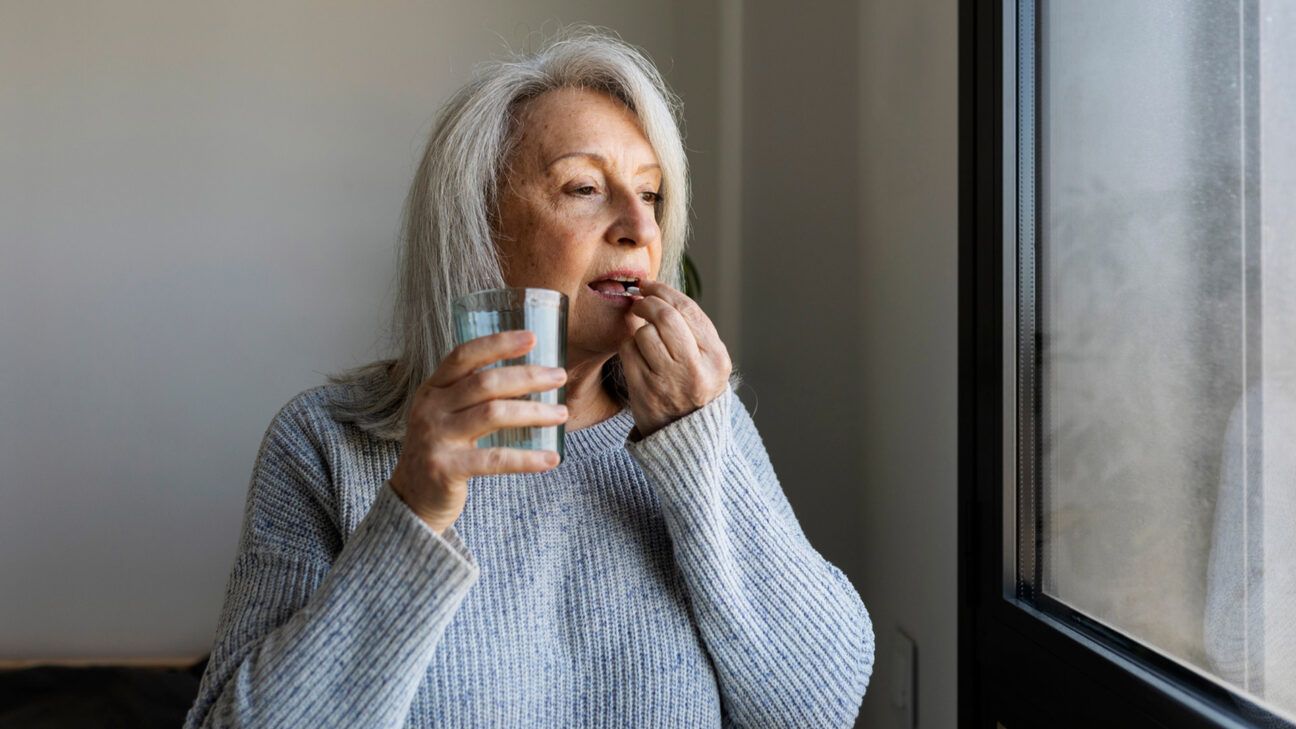
A new study looks at how common supplements may impact health. Valentina Barreto/Stocksy
A new study looks at how common supplements are associated with mortality risk from heart disease and cancer.
The study found that women taking calcium and vitamin D had a lower risk of dying from cancer.
But women had a slightly increased risk of dying from heart disease if they were postmenopausal.
Calcium and vitamin D supplements appear to lower the risk of dying from cancer, and, potentially, slightly increase the risk of dying from heart disease in postmenopausal women, new research suggests.
The Women’s Health Initiative (WHI) previously investigated the health effects of daily calcium and vitamin D supplementation in postmenopausal women but didn’t notice any significant effects.
The recent report, published this month in the Annals of Internal Medicine, looked at follow-up death data on those participants to identify the longer-term health effects associated with calcium and vitamin D (CaD) supplementation.
In the United States, older women’s diets tend to lack vitamin D and calcium, past evidence suggests, causing many doctors to recommend supplementation to those in this age group.
“This study highlights the complex relationship between supplements and biological effects and clinical outcomes, and the need for more research in this field,” Dr. Cheng-Han Chen, board-certified interventional cardiologist and medical director of the Structural Heart Program at MemorialCare Saddleback Medical Center in Laguna Hills, CA, told Healthline.
Chen was not involved in the study.
Calcium and vitamin D supplements appear to lower the risk of cancer mortality
The researchers evaluated health data gathered from the WIH’s trial in addition to National Death Index data to determine if long-term daily calcium and vitamin D supplements impacted women’s risk of cancer or heart disease.
The researchers specifically looked at whether the women, who originally participated in the WIH trial, developed cancer, heart disease, had a hip fracture, or died in the years that followed the trial.
They found that the women who took calcium and vitamin D supplements had a 7% lower risk of dying from cancer over the course of 22 years compared to those who took a placebo.
They also discovered that those who took the supplements faced a 6% higher risk of dying from cardiovascular disease. The cardiovascular effects were most pronounced in women who’d been taking supplements before they were assigned to take supplements as part of the trial.
Supplementation appeared to have no notable impact on the overall prevalence of cancer, heart disease, hip fractures, or all-cause mortality.
“This study found a long-term association between calcium and vitamin D supplementation in postmenopausal women and decreased cancer mortality and increased cardiovascular disease mortality, without a difference in all-cause mortality,” Chen explained.
Why calcium and vitamin D can influence your health outcomes
While it’s unclear why, exactly, calcium and vitamin D supplements may impact the development of cancer, some research suggests they decrease tumor invasiveness, impede angiogenesis (or blood vessel formation) in and around tumors, and affect gut functions and bile acid production.
Pastevidence also suggests vitamin D, specifically, increases tumor gene suppression and regulates inflammation in the body.
It may also decrease cancer cell growth and increase cell death, says Fredrick Schumacher, PhD, MPH, Associate Professor in the Department of Population and Quantitative Health Science at Case Western Reserve University’s School of Medicine.
Schumacher was not involved in the study.
A recent meta-analysis, which looked at the findings from five trials, determined that vitamin D supplementation was linked to 13% reduction in cancer mortality.
Though evidence on calcium and vitamin D supplementation and heart disease has been mixed, some researchers suspect extra calcium may lead to calcification of coronary arteries, thereby increasing the risk of dying from heart disease.
Past research has also identified a link between calcium supplementation and a higher risk of coronary heart disease, regardless of whether people also took vitamin D supplements.
“Coronary artery calcification is when the arteries become hardened and narrowed overtime due to calcium deposits and plaque buildup. This can increase the risk of heart disease, heart attacks, and strokes,” Michelle Routhenstein, MS, RDN, CDECS, CDN, a preventive cardiology dietitian at Entirely Nourished, said.
Routhenstein was not involved in the study.
Should you take calcium or vitamin D supplements?
According to Chen, calcium and vitamin D supplementation is routinely recommended for people who don’t get enough calcium in their diet along with postmenopausal women.
The supplements are primarily used to prevent osteoporosis and fractures in older adults, however, their use has been controversial.
Doctors often disagree on the optimal doses and regiments of calcium and vitamin D supplementation and some physicians have voiced their concerns about not knowing the long-term health effects, according to past research.
Routhenstein says calcium supplementation should be used in people who have low calcium levels.
Not getting enough calcium increases the risk of osteoporosis, which is a risk factor for heart disease, she added.
That said, it’s crucial to be prudent and intentional when taking any supplements.
For example, the absorption is highest with supplements that are 500mg or less.
“When calcium supplements are used without assessing current calcium intake, the excess may contribute to coronary artery calcium progression,” says Routhenstein.
More research is needed to determine the ideal duration and dosage, Schumacher says.
“The authors report several important observations related to nutrition and long-term health among post-menopausal women, however, these results need to be replicated. Furthermore, the generalizability of these findings need to be evaluated in additional groups, especially more diverse populations,” Schumacher said.
The bottom line:
Calcium and vitamin D supplements appear to lower the risk of dying from cancer, and, potentially, slightly increase the risk of dying from heart disease in postmenopausal women, new research suggests. In the United States, older women’s diets tend to lack vitamin D and calcium, causing many doctors to recommend supplementation in this age group. The new study underscores how future research is needed to better understand the long-term health effects linked to daily supplement use.
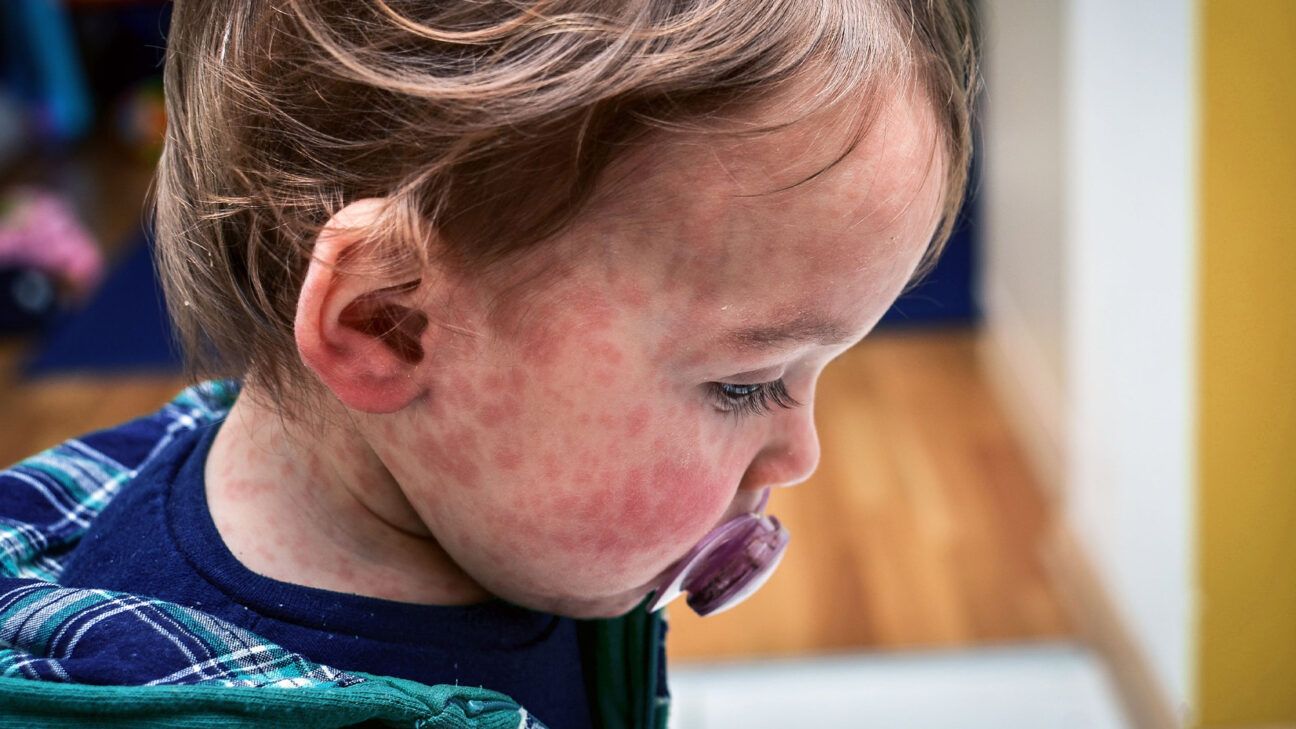
Measles outbreaks have been reported in multiple states this year in the U.S. jure/Getty Images
The CDC issued a health alert on March 18 highlighting the global spread of measles ahead of the busy spring and summer travel season.
The CDC advises families to vaccinate children as young as 6 months against measles if they plan to travel abroad.
The American Medical Association echoed the CDC’s warning as childhood vaccine exemption rates reached an all-time high.
Health officials are sounding alarm as rising measles cases in the United States and around the world endanger public health.
The Centers for Disease Control and Prevention (CDC) issued a health alert to physicians on March 18 to draw attention to the global spread of measles ahead of the busy spring and summer travel season.
The CDC noted that many countries affected by recent measles outbreaks are also travel destinations for American tourists, including the United Kingdom, Austria, Romania, and the Philippines.
The agency recommended families traveling abroad with infants as young as 6 months get their child vaccinated against measles a few months ahead of the routine immunization schedule.
Measles outbreaks around the U.S., most recently in Chicago, and those around the world are underscored by low vaccination rates.
The CDC added that measles cases are also brought into the U.S. by travelers who become infected while in other countries.
“As a result, domestic measles outbreaks have been reported in most years, even following the declaration of U.S. measles elimination in 2000. Most importations come from unvaccinated U.S. residents,” the CDC alert stated.
Officials urge people to get vaccinated
Health experts at the American Medical Association (AMA) echoed the CDC’s warning, urging individuals to get vaccinated against measles prior to travel if they’re not already immune.
“Measles is extremely contagious and can cause life-threatening illness. Vaccination not only prevents infection, measles-related complications and even death, but also helps prevent further spread to loved ones, neighbors, co-workers and others in close contact,” said Dr. Jesse M. Ehrenfeld, MPH, president of the American Medical Association, in a statement shared with Healthline.
Ehrenfeld stressed that when people are not vaccinated against infectious diseases like measles, they put themselves and others at risk of infection, which may lead to severe illness, disability, and even death.
High-risk groups for serious illness from infectious diseases include:
children too young to be vaccinated
cancer patients
immunocompromised people
“The overwhelming scientific evidence shows that vaccines remain among the most effective and safest intervention to both prevent individual illness and protect the health of the public,” Ehrenfeld said.
“The reduction in measles vaccination threatens to erase many years of progress as this previously eliminated vaccine-preventable disease returns.”
The AMA is reminding doctors to talk with their patients about the health risks of not being vaccinated and to continue to make strong recommendations for following immunization schedules unless exemptions are deemed medically inadvisable.
“We also urge physicians to educate patients on the signs and symptoms, severity and complications of measles given that many people are unfamiliar with the impact of the disease,” Ehrenfeld said.
Measles outbreaks fueled by low vaccination rates
The CDC warning noted as many as 36 states have low childhood vaccination rates.
Fewer than 95% of kindergarten-age children were vaccinated against measles during the 2022–2023 school year, which is below the threshold for herd immunity to prevent community spread.
Herd immunity occurs when a significant portion of the population has some immunity (whether vaccinated or with natural infection) against an infectious disease like measles.
The gap in vaccination coverage has left approximately 250,000 kindergartners at risk for measles infection annually over the past 3 years, according to the CDC.
“The level of immunity to measles in the general population in the U.S. is quite high given high vaccination rates (given in childhood since the 1960s) with high natural infection rates prior to the 1960s,” Dr. Monica Gandhi, MPH, professor of medicine at the University of California, San Francisco, told Healthline.
Population immunity in the U.S. will decline, however, if childhood vaccine rates do not improve, Gandhi warned.
Should you worry about getting measles?
Measles had been declared eradicated in the U.S. in 2000, but as cases recirculate, many people may wonder if they’re at risk.
But vaccinated individuals or previously infected individuals are unlikely to contract measles.
Young children should receive two doses of the measles vaccine, which offers lifetime protection in most cases.
The CDC estimates 97% of people, who have had the recommended two doses of the measles vaccine, are protected against the disease.
Gandhi said some adults may require booster vaccination prior to international travel, prior to college, prior to pregnancy, or during outbreaks.
“The larger population need not be concerned if vaccinations are kept up to date,” Gandhi noted.
Takeaway
Health officials at the CDC and American Medical Association are urging vaccination against measles ahead of the busy spring and travel summer season.
The warning comes as low vaccination rates fuel measles outbreaks in the U.S. and around the world.
While herd immunity against measles remains high in the U.S., this once-eradicated disease puts unvaccinated people and other high-risk groups at risk for infection and severe illness.
The study further found that those with heart disease or cancer also had an increased risk.
Also, restricting eating to less than 8 hours per day did not lead to a longer lifespan.
These findings were in comparison with people who ate between 12-16 hours each day.
The study authors write that this type of intermittent fasting, known as time-restricted eating (TRE), has become quite popular.
It involves limiting yourself to eating only during a certain number of hours. For example, an 8-hour TRE plan could involve eating a late breakfast at 10 a.m. and completing the final meal of the day by 6 p.m.
While TRE does not involve counting calories, the belief is that people will naturally consume less, potentially helping them lose weight as well as providing them with other health benefits.
How the link between TRE and cardiovascular death risk was studied
The researchers state that most short-term randomized controlled trials have found that TRE improves certain measures of cardiometabolic risk, such as blood pressure, cholesterol levels, and blood sugar. However, the long-term effects are not known.
Their goal for the study was to determine whether TRE is linked with a reduced risk of dying from all causes as well as from specific causes.
To gather information about the dietary patterns of the over 20,000 American adults who participated in the study, the team looked at data from the 2003-2018 National Health and Nutrition Examination Surveys (NHANES) and compared it to information about people who died between these years obtained from the Centers for Disease Control and Prevention’s National Death Index database.
In addition to the aforementioned findings regarding increased risk of death from cardiovascular disease, they found that people with existing cardiovascular disease who had an eating window of between 8 to 10 hours had a 66% higher risk of dying from either stroke or heart disease.
Also, TRE did not lessen the overall risk of death from any cause.
However, eating for less than 16 hours per day was linked with a lower risk of dying from cancer in those who had the disease.
The study authors stated in a press release that they were “surprised” by their findings since TRE has shown short-term cardiometabolic benefits.
“It’s crucial for patients, particularly those with existing heart conditions or cancer, to be aware of the association between an 8-hour eating window and increased risk of cardiovascular death,” said senior author Victor Wenze Zhong, Ph.D.
“Our study’s findings encourage a more cautious, personalized approach to dietary recommendations, ensuring that they are aligned with an individual’s health status and the latest scientific evidence.”
Why might TRE increase the risk of cardiovascular death?
Trista Best, MPH, RD, LD, a Registered Dietitian at Balance One Supplements, said the increase in risk might be due to potential metabolic effects and dietary patterns.
“Restricting food intake to an 8-hour window could lead to overconsumption during the eating period, especially if individuals compensate by indulging in larger meals or unhealthy foods,” she explained. “This may contribute to metabolic dysregulation, including insulin resistance, elevated blood sugar levels, and increased inflammation, all of which are risk factors for cardiovascular disease.”
Best further noted that prolonged fasting can trigger stress responses in the body, which can elevate cortisol and impact cardiovascular health.
Following an “extreme eating pattern” could also lead to nutritional deficiencies or imbalances, further exacerbating cardiovascular risk factors, she remarked.
“Therefore, while intermittent fasting can offer benefits, such as weight loss and improved metabolic health when practiced appropriately, an 8-hour time-restricted eating window may pose risks if not followed mindfully and balanced with overall dietary quality and lifestyle factors,” Best concluded.
Limitations of the study
Catherine Rall, RD, a Registered Dietitian with Happy V, said “This study doesn’t actually show a causal connection between intermittent fasting and cardiovascular death, just a correlation.”
This means that while there is a statistical link between TRE and death, the study is not constructed in a manner that would allow us to definitively say that there wasn’t some third factor that actually caused these deaths.
“It also doesn’t control for any other underlying factors like what people were eating or what kinds of underlying health conditions people had,” she said.
What might be a healthier eating pattern?
Cardiologist Karishma Patwa, MD, who is with Manhattan Cardiology in New York City as well as a contributor to LabFinder, stated, “While we shouldn’t rule out TRE completely, the focus should always be on living a healthy lifestyle and indulging in moderation.”
As far as a specific way of eating, Patwa suggests the Mediterranean-DASH diet, which is also known as the MIND diet.
“The Mediterranean-DASH diet has been shown to reduce CV risk,” she said.
A new study out of Sweden found that people taking ADHD medications had a lower mortality risk.
About 9.8% of children in the U.S. have been diagnosed with ADHD.
Experts say this study shows why it’s important for people with ADHD symptoms to get tested an receive treatment quickly.
A new study of people with attention deficit hyperactivity disorder (ADHD) suggested that medication for the condition was associated with an overall lower rate of mortality, particularly for unnatural causes of death.
Study followed people with ADHD for 11 years
The study, which incorporated data from national registries in Sweden, utilized a target trial emulation approach to determine whether starting medication for ADHD was associated with mortality in nearly 150,00 people.
The median age for diagnosis of ADHD was 17.4 years, but the study examined people between the ages of 6 and 64 from Jan. 1, 2007, to Dec. 31, 2018, who had not taken any medication for ADHD for at least 18 months before their diagnosis.
The medications involved in the study were the six that were licensed in Sweden for the treatment of ADHD from 2007 to 2020: methylphenidate, amphetamine, dexamphetamine, lisdexamfetamine, atomoxetine, and guanfacine.
More than half of the people examined in the study — 84,204 — initiated medication treatment within three months of their diagnosis of ADHD; 64,296 did not take medication within that period. The crude 2-year mortality rate was nearly twice as low for people who took medication — 17.3 per 10,000 people — than those who did not — 31.8 per 10,000 people.
The results were even more pronounced among unnatural causes of mortality (eg, unintentional injuries, suicide, and accidental poisonings).
How is ADHD associated with higher mortality risk?
The study authors note that these findings show correlation, not causation meaning these findings are not proof of a direct link between these medications and mortality rates.
However, the authors point out there has not been much research on this subject previously and that there have only been three studies to examine this link.
The researchers also noted that this is the first study to “rigorously” examine the association of mortality with adults that have ADHD, and given the higher rate of comorbidities in adults with ADHD compared with children and teenagers, it does provide a larger window for examination.
According to the U.S. Centers for Disease Control and Prevention (CDC) as of 2022, the percentage of children in the U.S. between the ages of 3 and 17 who ever received a diagnosis of ADHD is 10.2%.
Prevalence of the diagnosis worldwide, the study authors note, is 5.9% in youths and 2.5% in adults; the U.S. prevalence is estimated as 9.8% for children and adolescents and 4.4% in adults. And those diagnosed with ADHD have a “2-fold increased risk of premature death” compared with those who are not, the authors state.
Dr. Thomas MacLaren, a member of the Royal College of Psychiatrists in England and a consultant psychiatrist at Re:Cognition Health Ltd. in London, who was not involved in the study, told Healthline that the study clearly shows an overall health benefit of starting medication for ADHD.
“This could give people with ADHD further encouragement to look at discussing medication for the condition with their doctor, and thinking more about long-term improvement to their general health and well-being, beyond just the treatment of their ADHD symptoms,” MacLaren said, adding that it is still unclear exactly how the medications would directly contribute to lower mortality. “As ADHD can be linked to poorer physical health, self-care, and even drug and alcohol use in some people, the extra benefits of having your symptoms controlled with the right medication could be helping boost health indirectly.”
Are certain ADHD medications better than others as far as mortality risk?
Dr. Lenard Adler, the director of the Adult ADHD Program at NYU Langone Health, who was not involved in the study, told Healthline that the study’s strengths lie in the number of people examined, the length of time, and the ability to look at potential effects of medications. However, data on how specific medications may have contributed to a reduced mortality rate was elusive.
“The study did not break out, in particular, differences amongst the medications that are approved for ADHD — they either did the stimulant medicines or the non-stimulant medicines,” Adler said. “And also you can’t attribute all of these potential changes, as the authors note, to just being due to medication; there may be lifestyle changes, which could have contributed to some of these effects.”
What does this mean for people with ADHD?
Adler said that while the study was limited as far as causality and differences between medications, it should be encouraging for anyone with ADHD or who is concerned about having it, as it offers evidence behind the benefits of treating ADHD.
“The important things here are that it, again, highlights appropriately if individuals are out there that are worried that they have ADHD to get a diagnosis and to get appropriate treatment, because we do have good treatments available,” Adler said. “I would like to see additional information regarding potential differences amongst the medications, and potentially longer observations in terms of treatment effects.”
MacLaren said further examination is needed for a number of factors surrounding ADHD medication, including lifestyle changes outside of pharmacological treatment.
“It would be good to take this further in clinical trials of ADHD to answer questions about whether they directly reduce the risk of developing certain health conditions; to make comparisons between different treatment regimens; and to correct for ‘confounders,’ including people who might already have healthier lifestyles,” MacLaren said. “You want to know if two similar people who have the same lifestyle, if one of them taking ADHD medication will lower their mortality or have other undiscovered benefits.”
Takeaway
An extensive study of nearly 150,000 people in Sweden with a diagnosis of ADHD suggested that those who took medication for ADHD had a lower overall mortality rate.
It is one of the first studies to examine the role of ADHD in mortality in adults, who often have more comorbidities associated with the condition than children or teenagers.
The study was associative, not causal, meaning there is not a direct link between specific medications and lower mortality.
A new report questioned whether maternal mortality was rising in the U.S. SeventyFour/Getty Images
New research challenges current CDC reporting about rising maternal death rates in the U.S., suggesting maternal mortality is stable and on par with other developed countries.
The study authors claim a “pregnancy checkbox” introduced by the CDC in 2003 may have contributed to inaccurate pregnancy-related death tolls.
Discrepancies around direct, indirect, incidental, and accidental deaths among pregnant people may have led to reporting errors, researchers say.
The CDC disagrees with the study findings and stands by the accuracy of its data collection methods.
The ongoing maternal health crisis in the United States affects millions of women who do not have access to quality prenatal and postnatal care, particularly those who live in areas with restricted abortion access.
These disparities fuel rising maternal mortality rates that disproportionately affect women of color.
But, new research suggests that the number of maternal deaths in the past two decades may have been overestimated.
The study, published March 12 in the American Journal of Obstetrics & Gynecology, shows maternal mortality in the U.S. held steady and was on par with other developed countries.
The study data also indicate that maternal deaths from direct obstetric causes declined over the past 20 years.
Researchers say the 2003 inclusion of a pregnancy checkbox on death certificates, which showed whether a person was pregnant at or near their time of death, misrepresented the increase in the number of maternal deaths.
“Our study showed that maternal mortality rates were low and stable between 1999-2002 and 2018-2021, which is very different from the high rates and dramatic increases reported by the NVSS [National Vital Statistics System] in recent years,” lead author Dr. K.S. Joseph, PhD, a Professor in the Departments of Obstetrics and Gynaecology and the School of Population and Public Health, University of British Columbia and the Children’s and Women’s Hospital & Health Centre of British Columbia said in a news release.
“We found that exclusive reliance on the pregnancy checkbox on death certificates, without corroboration from the cause-of-death information, led to an overestimation of maternal mortality rates by the NVSS in 2018-2021.”
Maternal death rates lower than CDC estimates
The researchers found that maternal deaths in the U.S. were stable overall, averaging at just over 10 per 100,000 live births from 1999 to 2002, as well as from 2018 to 2021.
This conflicts with maternal mortality rates reported by the Centers for Disease Control and Prevention, which increased from 9.65 per 100,000 live births to 23.6 per 100,000 live births for the same time period, respectively.
These findings challenge upward trends that were previously reported by the National Vital Statistics System (NVSS), a division of the CDC.
The CDC’s 2021 maternal mortality report shows nearly a 40% increase in overall maternal deaths from 2020, with rates for non-Hispanic Black women 2.6 times higher than white women.
The CDC told Healthline the agency disagrees with the AJOG analysis.
“The methods used in the AJOG report are known to produce a substantial undercount of maternal mortality. That’s because there are maternal deaths occurring that would not otherwise be identified if the death certificate didn’t include a pregnancy checkbox,” a CDC spokesperson said.
“Capturing these otherwise unrecorded maternal deaths is critical to understanding the scope of maternal mortality in the United States and taking effective public health action to prevent these deaths. The recent report’s analysis does not address this, nor does it provide evidence of how large any potential overcount may be.”
How were new maternal death rates calculated?
Maternal deaths may occur during pregnancy, childbirth, or the postpartum period resulting from conditions directly related to pregnancy or conditions exacerbated by pregnancy and birth.
To find out whether current maternal death rates were accurate, researchers examined NCHS data from 1999 to 2021.
They examined factors that may have been driving the increase. These included:
changes in obstetric factors
maternal chronic conditions
“surveillance issues” (i.e., changes in data collection methods)
They also focused on maternal deaths that included pregnancy among the causes of death on death certificates.
The researchers concluded deaths resulting from obstetric causes (i.e., preeclampsia or hemorrhaging) decreased over the time periods studied by the researchers.
Deaths resulting from indirect causes that were exacerbated by pregnancy (i.e., hypertension) increased, however.
On par with CDC reporting, non-Hispanic Black women had disproportionately high rates of maternal mortality due to complications including:
ectopic pregnancy
cardiovascular conditions
kidney disease
other diseases
The researchers determined the pregnancy checkbox was linked to higher rates of less specific and incidental causes of death.
“By not relying on the pregnancy checkbox, our approach avoided the misclassification that has given the false impression of increasing maternal mortality rates in the U.S., study co-author Dr. Justin S. Brandt, director of the Division of Maternal-Fetal Medicine, Department of Obstetrics and Gynecology, NYU Grossman School of Medicine, said in the release.
“Identifying maternal deaths by requiring mention of pregnancy among the multiple causes of death shows stable maternal mortality rates and declines in maternal deaths from direct obstetric causes.”
‘Pregnancy checkbox’ miscalculations
In 2003, NCHS recommended adding a “pregnancy checkbox” to death certificates in the U.S. to better account for deaths occurring from a pregnancy complication.
As states began implementing the checkbox from 2003–2017, the CDC saw the quality of the data improve, and the maternal mortality rate was more than double the previously reported rate.
In 2018, NCHS made changes in coding rules and reporting to improve the accuracy of maternal mortality data and resumed publishing national maternal mortality rates after a pause in reporting following the phased implementation of the pregnancy checkbox.
However, the pregnancy checkbox may have led to discrepancies around how a positive checkbox was interpreted and accounted for.
For example, a pregnant person who died from high blood pressure would get a positive checkbox on their death certificate. But this is not considered a maternal death, despite the fact that her condition may have been exacerbated by pregnancy.
Another example would be a pregnant person with cancer who paused chemotherapy during pregnancy but then died of cancer because she was not able to receive treatment. This person would get a positive pregnancy checkbox, despite the cause of death being cancer, not obstetric.
“Researchers involved with the new study say the pregnancy checkbox system still accounts for many non-maternal and incidental deaths (i.e., a car accident) as maternal deaths, which they say has contributed to the errors in CDC’s maternal death rate reporting,” the CDC told Healthline.
“That said, the AJOG report confirms a prior CDC analysis, which found that the pregnancy box is sometimes mistakenly checked on death certificates, which contributes to some overcounting.”
A maternal health crisis persists, regardless of the data
Despite any disagreement over how maternal deaths are reported, experts agree that unacceptable disparities in maternal healthcare persist, fueling a disproportionate number of maternal deaths among racial and ethnic minority groups.
Looking ahead, researchers of the present study say the checkbox system could be improved by requiring physicians to specify the cause of death related to pregnancy.
“Accurate assessment of the number and causes of maternal death is an important priority for countries and healthcare policymakers. Improving maternal mortality surveillance is key to formulating plans to improve maternal health,” Dr. Roberto Romero, Editor-in-Chief for Obstetrics of the American Journal of Obstetrics & Gynecology (AJOG), and Chief of the Pregnancy Research Branch of NICHD, NIH, said in a statement.
Anu Sharma, founder and CEO of Millie, told Healthline that mortality rates, in general, are a narrow representation of the maternal health crisis in the U.S.
“Regardless of whether or not this specific data has been miscalculated, we undoubtedly have high rates of maternal morbidity, with nearly 50,000 near misses a year, as well as high rates of c-sections, preterm births, NICU stays, and poor maternal mental health,” Sharma said.
“On top of that, racial disparities for Black birthing people are significant, as this study continues to affirm. 36% of all U.S. counties are designated maternity care deserts. As researchers, policymakers, and providers all know — reducing the U.S. maternal health crisis to methodology differences around how mortality calculations are done ignores the harsh reality of what mothers giving birth in the U.S. face today.”
Takeaway
A new study suggests that maternal mortality rates in the U.S. may be lower than previous CDC estimates due to the 2003 addition of a pregnancy checkbox on death certificates.
The CDC disagrees with how the study authors calculated maternal death rates and stands by the accuracy of the agency’s data reporting.
Regardless of whether maternal deaths are up, down, or stabilized, a maternal health crisis persists in the U.S. that must be addressed.