By Terry Zeller For Dailymail.com Published: 21:38 EST, 8 March 2024 |…
Content source – www.soundhealthandlastingwealth.com

A new study has encouraging news for people whose job or other circumstances require them to sit for much of the day.
Researchers say every daily step you take beyond 2,200 steps per day reduces the risk of death and cardiovascular disease.
These benefits increase up to 9,000 to around 10,500 steps a day. At this level, you will see strong health benefits, even if you have a high amount of sedentary time.
Keith Diaz, PhD, a certified exercise physiologist and associate professor of behavioral medicine at Columbia University Medical Center in New York City, said the findings simplify the public health message on the benefits of walking.
“We all have the same target, whether we sit for eight hours at work, or we don’t,” he told Healthline. “Everybody should be aiming for 9,000 to 10,500 steps per day. You will achieve comparable health benefits [at this level], and you don’t need to do more.”
Diaz was not involved in the new research, which was published Mar. 5 in the British Journal of Sports Medicine.
Previous research has also shown that walking more during the day is associated with a lower risk of death and cardiovascular disease (CVD) events such as heart attack, stroke and coronary artery disease.
In those studies, the optimal amount of walking ranged from 4,400 steps per day to 10,000 steps per day. Some of this variation may be due to differences among the study participants or how the studies were carried out.
Other research has found that high amounts of sedentary time — sitting or lying down while awake — increases the risk of death and CVD events, as well as type 2 diabetes and death from cancer.
In the new study, researchers looked at both steps per day and sedentary time to see if walking could lower the health risks associated with long periods of sitting.
To do this, they examined data on 72,174 people enrolled in the UK Biobank study. The average age of participants was 61 years, and 58% were female.
In the study, people wore an accelerometer device on their wrist for 7 days to measure their physical activity and sedentary time. On average, participants took 6,222 steps per day.
Researchers used the bottom 5% of people, based on step count, as a comparison group — the cut-off for this group was 2,200 steps per day. This allowed researchers to assess the impact of increasing step count on the risk of death and CVD events.
In addition, the average sedentary time was 10.6 hours per day. Researchers considered people above this level to have high sedentary time and those below to have low sedentary time.
With nearly 7 years of follow-up, 1,633 participants had died and 6,190 experienced one or more CVD events.
After taking into account other factors that might affect the outcomes, researchers found that the amount of walking needed to maximize the health benefits was 9,000 to 10,500 steps per day.
They also estimated that 50% of the benefits occurred with 4,000 to 4,500 steps per day. Both of these scenarios included people with high and low levels of sedentary time.
“These findings align with the longstanding message from fitness experts that incorporating more walking into daily life can substantially improve health outcomes,” said ACE-certified trainer Sabrena Jo, who was not involved in the research.
“The study also underscores the simplicity and effectiveness of walking as a means to counteract the risks associated with sedentary lifestyles and cardiovascular disease,” she told Healthline.
Diaz said the 50%-mark in the study fits with what he and his colleagues have seen in their research on sedentary behavior and walking.
“In our lab studies, what we have found so far is that about 5,000 steps, spread out over the course of eight hours, is what you need to offset the harms of sitting,” he said. “This is the least amount of walking you’d have to do to offset some of these harms.”
In the new study, the benefits and optimum step counts differed slightly for people with high sedentary time and those with low sedentary time.
Among people with a high amount of sedentary time, walking 9,000 to 9,700 daily steps lowered the risk of dying from any cause by 39% and the risk of a CVD event by 21%. This was in comparison to people who walked 2,200 steps or fewer per day.
In the low-sedentary group, walking 9,800 to 10,300 steps per day lowered the risk of dying by 31% and the risk of a CVD event by 29%.
The results also show that, beyond 10,500 steps a day, the risk of death and CVD events continues to drop slightly.
However, at that point, “you’re not reaping much additional benefit,” said Diaz. “Going from 10,000 to 20,000 steps per day will not give the same benefit as going from zero to 10,000.”
The results fit with other research on the benefits of movement, but there are some limitations to this study. First, it is an observational study, so researchers can’t show cause and effect, only that there is an association between daily step count and risk of death or CVD event.
In addition, while the large sample size and the long follow-up reduced some of the potential bias in the analysis, the researchers point out that other factors that they didn’t take into account may have affected the results.
Participants’ step count was also only measured once over a 7-day period. It’s possible that their walking habits may have changed later in the study.
However, based on their findings, the study authors concluded that any amount of walking above 2,200 steps per day was associated with a lower risk of dying or CVD event, regardless of sedentary time.
“Our prospective results provide relevant findings that can be used to augment public health messaging and inform the first generation of stepping-based and device-based physical activity and sedentary guidelines,” they wrote.
Walking more — up to a point — is good for your health, as shown by this and other research. But even if you walk 10,000 steps per day, there is still value in reducing the amount of time you spend sitting during the day, if possible.
“For high sitters [aka those with a high amount of sedentary time], their risk of heart disease was greater than low sitters across all amounts of steps,” said Diaz. Researchers found that this difference was about 10%.
So, “it’s about lowering your sitting time, while increasing your stepping time,” he said.
One thing the study didn’t look at is how people’s steps were spread out over the day, something that Diaz and his colleagues focus on.
In a study published last year in the journal Medicine & Science in Sports & Exercise, they found that 5 minutes of walking every 30 minutes improved both blood sugar levels and blood pressure. Taking a 1-minute walking break every 30 minutes also provided benefits, although the impact on blood sugar was lower.
High blood pressure is a risk factor for heart attack and stroke. Elevated blood sugar levels occur in prediabetes and diabetes, which can damage the heart, blood vessels and kidneys.
Diaz’s research shows that reaching the 9,000 to 10,500 steps per day target may be easier than you realize.
“It’s hard to find time to walk for two hours straight,” said Diaz. “But this approach, where you chip away at it and accrue steps over time, is a useful strategy for people who can’t get to the gym.”
Other types of movement may have similar health benefits. But one strength of walking is that it’s a low-impact form of physical activity that is accessible to most people at any age and fitness level, said Jo.
“It can also be tailored to specific health conditions or limitations,” she said, “such as walking at a slower pace or using walking aids if needed.”
And walking doesn’t require any special equipment or gym membership. However, if you prefer to exercise indoors, walking on a treadmill or an indoor track still provides the same health benefits.
To help you add more walking to your day, Jo offers the following tips:
Researchers examined data on over 72,000 people who took part in the UK Biobank study. Participants wore an activity monitor on their wrist for 7 days to measure the time spent being active, and also time spent sitting or lying down during waking hours.
Walking 9,000 to 10,500 steps per day was associated with a lowest risk of death or having a cardiovascular event such as heart attack or stroke. This was true even among people who spent more than 10 hours a day being sedentary during their waking hours.
Getting in at least 2,200 steps per day also had health benefits, with 4,000 to 4,500 steps per day providing 50% of the maximum benefit. Taking frequent breaks during sedentary periods can improve heart health and other aspects of health, experts say.
Every Step Past 2,200 Steps Can Help Lower the Risk of Early Death and Heart Disease Read More »
By Mary Mrad For Daily Mail Australia Published: 20:12 EST, 7 March 2024 | Updated: 20:21 EST, 7 March 2024 She tragically lost her late husband Greg Lange to brain cancer in 2010. And Carrie Bickmore, 43, continued his legacy by starting her own charity, Carrie’s Beanies for Brain Cancer. The former Project host has now posed in […]
Content source – www.soundhealthandlastingwealth.com

Even low amounts of physical activity per day can significantly improve stroke risk.
While most fitness guidelines focus on an ideal amount of physical activity per day for good health, a new study indicates that even low levels of physical activity are an improvement over doing nothing at all.
The findings also align with the World Health Organization’s 2020 guidelines on physical activity, which emphasize the message: “some physical activity is better than none.”
“[The study] seems to be in line with other research that’s been published recently that shows that even low levels of physical activity can have tremendous benefits in terms of overall health and affecting mortality,” Dr. Michael Fredericson, Director of the PM&R Sports Medicine and co-director of the Stanford Center on Longevity at Stanford Medicine. He wasn’t affiliated with the research.
In the study, published March 5 in BMJ Journal of Neurology, Neurosurgery & Psychiatry, scientists performed a meta-analysis on 15 study articles after reviewing more than 3,000 studies on “leisure-time physical activity,” a catch-all term for any kind of physical activity, no matter the intensity. It encompasses a range of activities from gardening and walking to hiking, biking, and weightlifting.
“We performed a comprehensive meta-analysis of studies including the general population to assess the risk of stroke associated with different levels of leisure-time physical activity. Our most significant result was that even a small amount of physical activity can decrease the risk of stroke,” Dr. Raffaele Ornello, MD, Phd, a neurologist and researcher at the University of L’Aquila, in Italy, and author of the study, told Healthline.
An inactive or sedentary lifestyle is an established risk factor for many chronic diseases, including obesity, heart disease, type 2 diabetes, and stroke. While that is well known, just how much physical activity someone needs to see health benefits isn’t as clear. In fact, the study points out that there isn’t even a consensus about the minimum amount of physical activity to decrease risk of stroke.
So, in a world where only one-in-four US adults meet physical activity guidelines, it’s understandable why researchers would want to know what the effects of doing even the bare minimum amount of exercise are on serious outcomes like stroke.
But they’ve picked up a clear signal from across 15 previously published articles that even minimal amounts of physical activity improved the risk of stroke, independent of age and sex.
Compared to individuals who did no leisure-time physical activity whatsoever, those who did even small amounts reduced their risk of stroke by between roughly 10-30%.
The study also found confirmatory results when looking at specific kinds of stroke outcomes. For ischemic stroke, the most common type of stroke, which is caused by an obstruction in a vessel supplying blood to the brain, individuals who demonstrated low levels of physical activity had a 13% reduction in risk compared to those with none.
Results were similar for hemorrhagic stroke, a less common form of stroke that occurs when a blood vessel bursts and begins to bleed in the brain. In this case, low levels of physical activity resulted in a 16% risk reduction compared to no physical activity.
Part of the difficulty of assessing the health benefits of physical activity is its subjective nature: what is “moderate” for one person could be “intense” for another. So, when the researchers set out to do their review, they found differences in how prior studies categorized levels of exercise.
In total, 15 studies were included, which included more than 750,000 individuals, with an average follow-up time of 10 years.
Five of the studies used three levels to categorize physical activity (“none,” “below target,” and “ideal”); six studies used four (“none,” “low,” “moderate,” and “intense”); and two studies used five levels (“none,” “insufficient,” “low,” “moderate,” and “intense”).
But no matter how many categories the studies used or how they defined low levels of exercise, all showed a benefit compared to “none.”
Of course, high levels of physical activity tended to show more benefit as well. Individuals who had “moderate” levels of physical activity had a reduction in stroke risk of about 33%.
Interestingly, when individuals exercised at the highest level, “intense,” benefits seemed to diminish compared to more moderate exercise. In two of the studies, an “intense” showed only a 2% improvement compared to doing no exercise at all.
“There is some concern that these really high levels of exercise are probably not adding to your longevity and in fact could put you at risk for some cardiac issues,” said Fredericson.
The CDC recommends that adults need 150 minutes of moderate-intensity physical activity and 2 days of muscle-strengthening activity per week. However, it doesn’t have to be done all at once. In fact, breaking up your physical activity into smaller, more manageable chunks is totally acceptable.
Also, physical activity doesn’t mean you have to be putting hours into the gym or doing otherwise strenuous activity. If you enjoy gardening or working outside, that counts. If you walk your dog or spend time stretching in the evening, that does too.
And of course, if you’re motivated to get to jog, lift weights, or play sports, those are other great ways to get in physical activity.
“Even subjects with limited physical capabilities, who can only engage in limited amounts of physical activity, can experience its benefits. So, our main message is to encourage exercise. Even small amounts can make a difference for vascular prevention,” said Ornello.
Finding accessible ways to fit physical activity into your day is more important than the particular type of activity you’re doing.
“It’s really just about keeping people active,” said Fredericson.
“Let’s say you have a knee injury, then maybe you can get in the pool or you can do upper body weightlifting. If you can’t run, maybe you can get on your stationary bike. There’s almost always something you can do,” he said.
Even small amounts of physical activity can significantly improve your risk of stroke, according to a new study.
The more active you are, the better the health effects, but the study indicates that some is better than none at all.
Physical activity includes anything from gardening to jogging to weight lifting, so there are options for people of all ages and fitness levels to engage in.
Even Minimal Amounts of Exercise Can Drop Your Risk of Stroke Read More »
A 26-year-old woman with terminal cancer who has become a viral star while bravely documenting her battle with the illness online has shared the devastating moment she broke down in tears while taking her first bath in over a year during a bucket list trip to Japan. Madison Baloy, from Tampa, Florida, was diagnosed with […]
Content source – www.soundhealthandlastingwealth.com

It’s not unusual to feel a little out of sorts at this time of year. It’s cold and flu season, after all. However, concerns about a “mystery virus” are spreading online.
People began speculating about a “mystery virus” in February when a video by TikTok user @thatgirlkanesha went viral.
“You mean to tell me that everyone in the U.S. is getting sick by some virus, but they don’t know where it’s called?” she shares in the video.
“When I say everybody, I’m including myself too. I just had this so-called virus last week. I was feeling very lightheaded. I felt like I had to vomit. I felt like I was going to pass out. All of these symptoms are not adding up to me.”
Countless other videos have since emerged, with online creators claiming to experience many of the symptoms of COVID-19 (such as congestion and shortness of breath) despite testing negative for it.
However, health experts say this so-called “mystery virus” is unlikely to be cause for concern.
While it’s not clear exactly what illnesses people may have in the videos that are trending online, health experts say there likely isn’t much of a mystery to solve.
“The symptoms people in the videos describe, such as coughing, fever, fatigue, and generalized muscle pain, are common to many viral illnesses, including colds, COVID-19, and the influenza virus,” says board certified family physician Dr Sarah Bonza.
Additionally, respiratory syncytial virus (RSV) is another illness that is circulating and can cause similar symptoms to other viral infections like colds, the flu, or COVID-19.
“The symptoms can overlap greatly in these diseases, so it can be common to mistake them for one another, even without official testing,” she notes.
What’s more, general practitioner and founder of Say GP, Dr Semiya Aziz, notes that it’s possible that common viral illnesses (like colds and flu, for example) can mutate and change over time, forming new strains.
“This does not mean it is a new virus. It is simply a new version of the old virus,” she points out. “These changes may potentially present with new, previously unknown, symptoms and may explain what individuals are currently describing as a mystery virus.”
It’s natural to feel concerned if you’re experiencing new and unexpected symptoms, but both experts agree that the “mystery virus” currently trending on TikTok is likely a common respiratory illness.
Bonza says trends like these can cause unwarranted illness anxiety.
“We live in a post-pandemic era, and when you combine that with social media, health concerns can go viral even if there is no solid basis for them,” she points out.
What’s more, Bonza says the symptoms people are describing are non-specific and flu-like, which suggests they can be down to common viral illnesses such as the flu.
Considering we’re at the tail end of winter, Bonza says this isn’t surprising.
The unknown often sparks cause for concern, but TikTok’s “mystery virus” is unlikely to be something serious.
“As frightening as these new symptoms may appear, individuals suffering from this infection have not described them as life threatening or as warranting hospital admission,” Aziz points out.
“It’s important to realize that whilst some of these symptoms are extremely frightening, most viral infections are self-limiting and pass over a period of several days, with or without over-the-counter treatment,” she notes.
Online claims can create unnecessary fear, and Bonza says you should exercise extra caution when believing the so-called health information you find online.
She advises waiting for official announcements from the CDC or local health authorities.
“There is a meticulous system that public authorities follow when managing infectious diseases that spread quickly, and if there isn’t a current official announcement, then it shouldn’t be a cause for alarm,” Bonza notes.
While the mystery virus probably isn’t cause for concern, you may find the symptoms unpleasant, inconvenient, and debilitating. So, how can you treat them?
“Rest is crucial,” says Aziz. “It allows the body to fight off the virus effectively, so make sure you’re getting plenty of sleep and avoiding overexertion.”
Ensuring you stay hydrated by drinking plenty of fluids is also a good idea.
“This not only helps with hydration but also helps thin mucus secretions and alleviate symptoms like sore throat and dry cough,” Aziz explains.
Antibiotics are ineffective for viruses like colds and flu. However, you can take pain relief medication. Aziz says over-the-counter pain relief drugs may help to reduce fever and relieve headaches and body aches.
However, Bonza says if the fever doesn’t seem to go away in a week and you are experiencing signs of respiratory distress, such as difficulty breathing, shortness of breath, grunting, sweating, and wheezing, you should see a healthcare professional.
Bonza says practicing hand hygiene with soap and water to stop the spread of germs is a great place to start.
She also recommends upping your intake of vitamin C and making time for rest to help keep your immune system healthy and strong.
Maintaining healthy lifestyle habits can also help.
“Eating a balanced diet, staying physically active, getting enough sleep, managing stress, avoiding tobacco smoke and excessive alcohol consumption, may all help to support your immune system,” Aziz notes.
“Incorporating these preventive measures into your daily routine may reduce the risk of getting viral infections and protect you and others from illness,” she says.
It’s a good idea to keep up to date with vaccinations, too, including annual flu vaccines and COVID-19 vaccines. These reduce your chances of contracting a viral illness and can reduce the severity of the infection if you do.
Health experts say there’s little mystery about the so-called “mystery virus” trending on social media platforms like TikTok.
The symptoms described in many online posts overlap with the respiratory illnesses we see every cold and flu season.
Health information shared on social media can often spark fear, but the so-called “mystery virus” is unlikely to be a serious cause for concern.
TikTok’s ‘Mystery Virus’: Symptoms, Treatment, and Debunking Misinformation Read More »
Some lucky sandwich lovers will soon have a new shop to try out as a fast-growing chain plots dozens of new store openings. Port of Subs, a Nevada-based sandwich chain with more than 135 stores across seven Western states, just scored a major development deal that will see it expand to a new corner of […]
Content source – www.soundhealthandlastingwealth.com
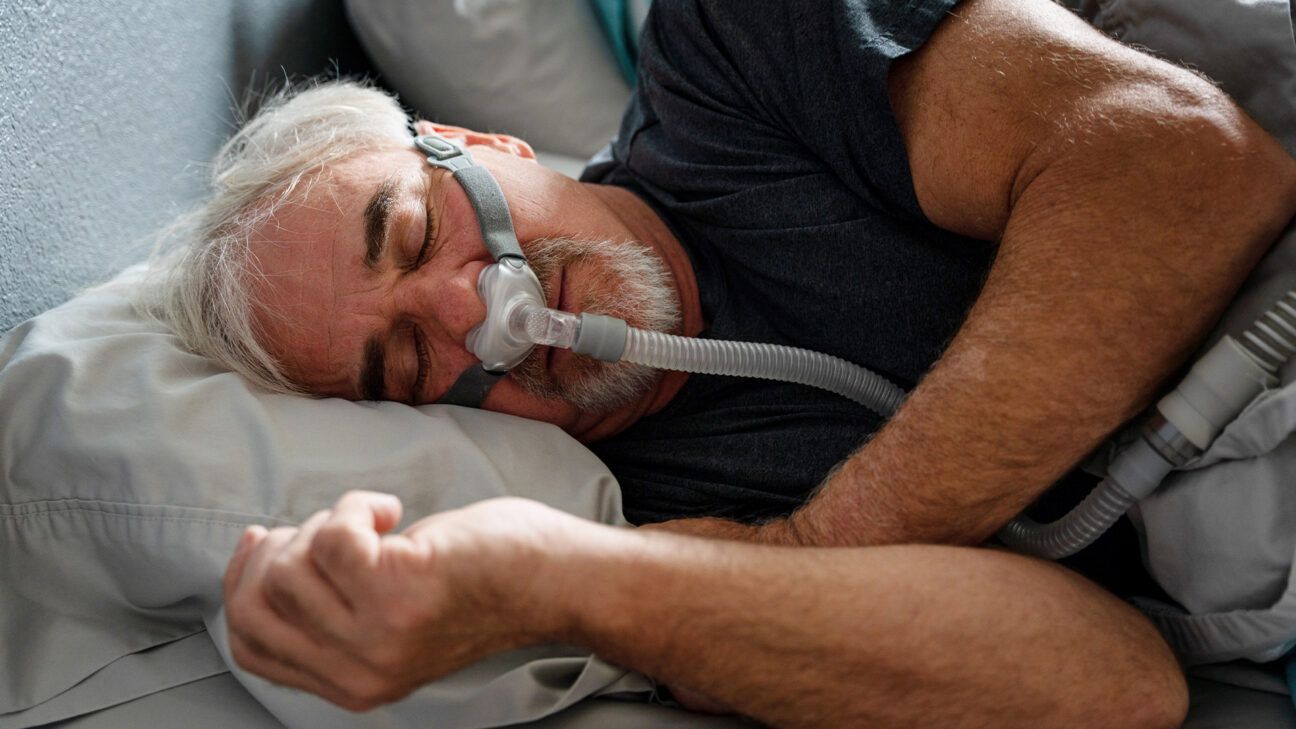
People with sleep apnea may have a greater risk of developing cognitive issues, according to new research.
The study, which involved over 4,200 people, found that those with sleep apnea were about 50% more likely to have memory and thinking problems compared to those without sleep apnea.
The research will be presented at the American Academy of Neurology’s 76th Annual Meeting April 13-18, 2024.
It’s unclear if sleep apnea directly causes cognitive deficits or if the issues with attention and memory are linked to comorbidities.
Some scientists suspect the intermittent drops in oxygen, abnormal blood flow, and neuroinflammation seen in people with sleep apnea may impair cognitive function.
“The disrupted, poor-quality sleep seen in sleep disorders leads to both acute and chronically worsening changes in the brain,” said Dr. David Merrill, MD, PhD, a geriatric psychiatrist and director of the Pacific Neuroscience Institute’s Pacific Brain Health Center at Providence Saint John’s Health Center in Santa Monica, CA.
Merrill was not involved in the research.
The researchers say the findings highlight the importance of early screening to prevent, detect, and treat cognitive impairment in people with sleep apnea.
Sleep — specifically, the quality, quantity, frequency of it — can be both protective or a risk factor for cognitive function, says Merrill.
When people regularly get high-quality sleep, their brain health is protected and enhanced as they age.
A good night’s sleep allows for the repair and restoration of brain function, according to Merrill.
The brain has a specialized cleaning system, the glymphatic system, which gets rid of waste that accumulates during the day.
The glymphatic system is activated during the deepest stages of sleep, he noted.
Without high quality sleep, the brain doesn’t get the opportunity to rest and repair.
“If sleep is chronically disrupted, this can lead to a number of health issues including headaches, fatigue, and memory loss that worsens over time,” Merrill says.
With sleep apnea, a person intermittently stops breathing during their sleep.
There are three types of sleep apnea: central, obstructive, and complex.
With obstructive sleep apnea (OSA), the muscles in the back of the throat overly relax, which prevents normal breathing and potentially dangerous drops in oxygenation of the brain, according to Merrill. Sometimes these tissues can block the airway leading to a choking or snorting sound as the body reacts to the lack of air.
These sleep interruptions can occur dozens of times an hour, causing some people to be severely sleep-deprived.
“Sleep disruptions alone can cause cognitive decline, but the choking episodes also can put a strain on the heart which causes decreased blood flow to the brain,” says Thomas Kilkenny, DO, the director of the Institute of Sleep Medicine at Staten Island University Hospital.
Kilkenny was not involved in the research.
These physiologic events can result in cognitive decline, according to Kilkenny.
“Past meta-analysis studies suggest that conditions found in OSA patients consistently are associated with impairments in attention, memory, executive functions, psychomotor functions, and language ability,” Kilkenny said.
Sleep disturbances can increase the risk of dementia, and inversely, that dementia can heighten a person’s risk of impaired sleep.
“So, you can end up with sleep worsening memory to the point of dementia, which then worsens sleep,” Merrill says.
The cycle can snowball, which is why it’s crucial to diagnose and treat sleep issues early on, he adds.
Ideally, sleep disturbances can be addressed before any symptoms of cognitive decline appear.
“The hope is that with improved sleep, we can actually delay the age of onset of dementia,” Merrill says.
The use of continuous positive airway pressure (CPAP) machines can prevent the sudden reductions in oxygenation.
As a result, this can protect brain function and decrease cognitive decline.
According to Kilkenny, using a CPAP device for at least one year has also been shown to improve cognition.
“Research studies have shown that even four hours per night using a CPAP device results in significantly less worsening of cognitive decline over time,” Merrill said, noting that there are other solutions for people who can’t wear a CPAP device overnight.
There are many steps people can take to improve their sleep, too.
Having regular sleep and wake times, being exposed to light in the morning, avoiding stimulants like caffeine in the afternoon, and sleeping in a cool, dark room, and avoiding screen time at night can improve sleep duration and quality.
“It’s crucial to use all available strategies to treat sleep symptoms to alleviate dementia symptoms,” says Merrill, and “that includes all the intuitive, but often difficult to achieve, elements of sleep hygiene.”
People with sleep apnea may have a greater risk of developing cognitive issues, new research suggests. The researchers say the findings highlight the importance of early screening to prevent, detect, and treat cognitive impairment in people with sleep apnea.
Having Sleep Apnea Tied to 50% Increased Risk for Memory Issues Read More »
Soaring numbers of Scots unable to work as they queue for treatment on SNP-run health service By Michael Blackley Scottish Political Editor Published: 18:16 EST, 4 March 2024 | Updated: 18:16 EST, 4 March 2024 Chronic NHS waiting lists are causing a spike in sickness absence from work and damaging the economy, a damning new […]
Content source – www.soundhealthandlastingwealth.com

High exposure to ultra-processed foods like sodas, candy, pre-packaged meat, sugary cereals, and potato chips is connected to an increased risk of 32 health issues including cancer, cardiovascular, gastrointestinal, and respiratory disorders, depression, anxiety, and early death, according to a new study published in The BMJ on February 28.
The study found that consumption of ultra-processed foods accounts for up to 58% of daily calorie intake in high-income countries like the United States. Middle- and low-income countries have also notably increased their consumption of them in recent years.
The people who ate more of these foods were at increased risk for depression, type 2 diabetes and fatal heart attacks.
Ultra-processed foods, which also include instant noodles, ready-made meals, and other packaged snacks like chips or cookies are mostly made out of “chemically modified substances extracted from foods, along with additives to enhance taste, texture, appearance, and durability, with minimal to no inclusion of whole foods,” the study says.
They have been processed industrially, with added flavors and colors, and have high amounts of salt, fat, and sugar and low amounts of vitamins essential to a healthy diet.
Evidence from the study points to alarming connections between eating high levels of processed foods and developing a number of health problems. The researchers reported there was “convincing evidence” of the following conditions being linked to eating ultra-processed foods.
Additionally the researchers there was “highly suggestive evidence” of the following:
“These findings support urgent mechanistic research and public health actions that seek to target and minimise ultra-processed food consumption for improved population health,” the study authors concluded.
Kristin Kirkpatrick, MS, a registered dietician at the Cleveland Clinic Department of Department of Wellness & Preventive Medicine in Ohio and a senior fellow at the Meadows Behavioral Healthcare in Wickenburg, Arizona, who was not involved in the study, told Healthline that ultra-processed foods (UPF) are cheap and prevalent in everyday shopping options.
“UPF are typically highly hyperpalatable. That means it’s hard to stop eating them, and when you are not eating them, you may very well be craving them,” Kirkpatrick said. “They may even make you feel calm and content while consuming them – so there are reasons why we start eating them and can’t stop.”
Melanie Murphy Richter, a registered dietitian nutritionist and the director of communications for the nutrition company Prolon, who was not involved in the study, told Healthline that economic factors and the time crunch of many American schedules, combined with the difficulty of parsing food labels and marketing, can make UPF an easy choice. There are also emotional factors, she said.
“In my practice, I often have my patients answer a variety of intake questions that help me understand the strongest motives behind their food choices. For some people, it’s simply because these are comforting foods they knew as a kid or that their grandparents made for them,” Richter said. “Other people, it’s price. And ultra-processed foods are absolutely cheaper than healthier alternatives. For others, it’s emotional. People eat because they are stressed, sad or angry. And it just so happens that the foods our body wants during these emotional experiences are… sugar!”
The increased risks of sleep disorders, anxiety, depression, and common mental health disorders that UPF pose are connected to a number of different ways they interact with our bodies, Richter said. She pointed to four key areas: glucose spikes and crashes; gut imbalances; inflammation (which is linked to many mood disorders); and nutritional deficiencies from a lack of vitamins.
Because UPF are so high in added sugars, extreme swings in glucose regulation can create mood swings and irritability, which can lead to depression over time.
“High sugar diets have shown to decrease the production of necessary neurotransmitters like serotonin, which plays an important role in mood regulation and mental well-being,” Richter said. “Additionally, high intake of sugar preferentially feeds pathogenic (harmful) bacteria in our gut like yeast and mold which can lead to severe dysbiosis. These pathogenic bugs can block or hinder our ability to produce necessary hormones like serotonin that keep us calm and relaxed. In fact, just shy of half of all those who reported having IBS or IBD also report having either anxiety or depression.”
Kirkpatrick also noted that the amount of UPF consumed can be directly proportional to the level of depression or anxiety: “Some studies also show an impact with the amount as well – as consumption of UPF goes up, so may risk for adverse mental health outcomes,” she said.
A new study suggests that consumption of ultra-processed foods is linked to 32 adverse health outcomes like cancer, heart disease, type 2 diabetes, depression, and early death.
Ultra-processed foods, which include store-bought cookies, prepackaged snacks, processed meats, sugary cereals, and sodas, are cheap and easy to obtain.
Researchers say consuming large amounts of ultra-processed foods can disrupt gut health, cause glucose spikes, and contribute to chronic inflammation, all of which have negative impacts on mental health.
Eating Ultra-Processed Foods Linked to 32 Health Issues Like Heart Disease Read More »