Rectal Bleeding in Young Adults Linked to 8.5 Times Higher Risk of Colorectal Cancer

Female healthcare working talking with female patient
A new study found that rectal bleeding is a warning of colorectal cancer in young adults. ZeynepKaya/Getty Images
  • Researchers say that rectal bleeding is a strong indication of early onset colorectal cancer in adults under 50.
  • Experts say younger adults who experience this symptom should undergo a colonoscopy to screen for colorectal cancer.
  • Rates of early onset colorectal cancer in young adults have been rising for more than a decade.

Rectal bleeding is a telltale sign that young adults under 50 may have colorectal cancer, according to a new study.

Researchers reported that rectal bleeding in younger adults increases the odds of a colorectal cancer diagnosis by 8.5 times.

The scientists reached their conclusions after analyzing 443 patients under 50 who underwent a colonoscopy at the University of Louisville Health System, KY, between 2021 and 2023.

Of the participants, 195 were diagnosed with early-onset colorectal cancer while 248 subjects had clear colonoscopy results.

The researchers said 88% of the young cancer patients underwent a colonoscopy because of symptoms, not because of routine screenings.

They added that 70% of the cancer patients had no family history of the disease.

In addition, people who had smoked in the past were more than two times as likely to develop early onset colorectal cancer as people who hadnโ€™t smoked.

The researchersโ€™ study was presented this week at the American College of Surgeons Clinical Congress 2025 in Chicago. The findings have not been published yet in a peer-reviewed journal.

Rectal bleeding may indicate colorectal cancer

The scientists said their research shows that young adults as well as medical professionals should take rectal bleeding as a significant sign of colorectal cancer.

โ€œMany of the early-onset colorectal cancers that I see have no family history,โ€ said Sandra Kavalukas, MD, a colorectal surgeon at the University of Louisville School of Medicine and a senior author of the study, in a press statement. โ€œThis research lends support to the question of who does or doesnโ€™t warrant a colonoscopy: if you have a person below the screening age with rectal bleeding, you should seriously consider a colonoscopy.โ€

Experts interviewed by Healthline who were not involved in the study agreed with this assessment.

โ€œYoung people with rectal bleeding should get a colonoscopy,โ€ said Alan Venook, MD, a professor of medical oncology and the associate director of program development at the Helen Diller Family Comprehensive Cancer Center at the University of California San Francisco.

โ€œThe hardest message to get across is that colorectal cancer is a disease of young people,โ€ he added.

Alan Bilchik, MD, a surgical oncologist and chief of medicine and the director of the Gastrointestinal and Hepatobiliary Program at Providence Saint Johnโ€™s Cancer Institute in Santa Monica, California, said medical professionals should no longer assume that rectal bleeding in younger adults is caused by hemorrhoids.

โ€œColorectal cancer is a young personโ€™s disease,โ€ he told Healthline. โ€œWe can no longer take for granted symptoms such as rectal bleeding in young adults.โ€

Robert Smith, MD, a senior vice president of early cancer detection science at the American Cancer Society, agrees.

โ€œDoctors often downplay symptoms of colorectal cancer in younger adults, believing that the chances of the symptoms being caused by colorectal cancer are remote because the patient is too young,โ€ Smith told Healthline. โ€œThe study results are not surprising. Persistent rectal bleeding is not normal and the source should be immediately investigated.โ€

Nilesh Vora, MD, a medical oncologist and medical director of the MemorialCare Todd Cancer Institute at Long Beach Medical Center in California, said the research is an important reminder to people under the age of 50.

โ€œDonโ€™t ignore any symptoms,โ€ he told Healthline. โ€œThis research sends this message a little louder.โ€

Colorectal cancer cases rising in young adults

The American Cancer Society (ACS) estimates there will be more than 150,000 new cases of colorectal cancer diagnosed in the United States this year.

More than 100,000 of those cases will be colon cancer, while slightly less than 50,000 will be rectal cancer.

The diagnoses are split almost evenly between males and females.

Colorectal cancer is the third-leading cause of cancer-related deaths in men and the fourth leading cause in females in the United States. Itโ€™s the second most common cause of cancer deaths overall. Colorectal cancer is expected to cause about 53,000 deaths this year.

The Cancer Society reports that the rate of people being diagnosed with colorectal cancer in the United States has been declining about 1% per year since the mid-1980s. They credit early screening and changes in lifestyle habits.

However, they note that the downward trend is mostly occurring in older adults. In people under 50, the rate of colorectal cancer diagnosis increased more than 2% per year between 2012 and 2021.

The death rate from colorectal cancer has also been declining slightly in the overall population, but it has been increasing slightly in younger adults.

In fact, colon cancer is theย leading causeย of cancer-related death in adults ages 20 to 49 in the United States.

Smith said that people born around 1990 have twice the risk of colorectal cancer compared with people born around 1950.

โ€œThese risks are continuing to rise and are carried forward as people age, meaning we see more diagnoses of colorectal cancer before and after age 45,โ€ he said.

Medical professionals arenโ€™t certain what is causing the increase in early onset colorectal cancer, but diet, lack of physical activity, and obesity are among the suspected causes.

Bilchik said there are also some theories that the overuse of antibiotics as well as inflammation in the body may be helping drive up colorectal cancer rates.

In addition, there has also been some research indicating that intestinal bacteria may also play a role.

Venook said exposure to this type of bacteria as a child may cause colorectal cancer to develop 20 to 30 years down the road.

โ€œWeโ€™re still trying to figure all this out,โ€ he told Healthline.

Why colorectal cancer screenings are important

Medical experts say colorectal cancer isย curableย if caught in its early stages. In later stages, it can be deadly.

They say thatโ€™s why screenings are vital.

Current recommendationsย call for males and females to start being tested for colorectal cancer at age 45.

In addition, screenings may be required before age 45 if a person has a family history of colorectal cancer or has certain medical conditions such asย inflammatory bowel disease (IBD).

Itโ€™s recommended that colonoscopy screenings be done every 10 years for people with no family history of the disease and no polyps discovered during the exam. The time between tests can be shorter for other patients.

Colonoscopiesย are generally considered the best screening for colorectal cancer, but other tests, such as at-home stool kits, can also be used.

Besides rectal bleeding, other symptoms of colorectal cancer include:

  • change in bowel habits
  • diarrhea
  • constipation
  • cramping or abdominal pain
  • unexplained weight loss

Smith adds that family history should not be ignored.

โ€œIndividuals should know their family history of cancer and any diagnosis of colorectal cancer among family members should be discussed with their doctor, especially if family members were diagnosed at a young age,โ€ he said.

How to lower your risk of colorectal cancer

There are a number of ways a person canย lower their riskย of colorectal cancer. Among them:

  • Healthy diet: Diets high in fat and low in fiber are associated with an increased risk of colorectal cancer. Red and processed meats have been shown to increase the risk. Protein from poultry, fish, and legumes is considered to be a better choice. High-fiber foods, including fruits, vegetables, and grains, may decrease the risk of colorectal cancer.
  • Regular exercise: The American Institute of Cancer Research recommends 2.5 hours of moderate physical activity a week. Regular exercise after a colorectal cancer diagnosis may also improve survival rates. It may also decrease the risk of reoccurrence.
  • Alcohol: Reducing alcohol consumption may decrease your risk of developing colorectal cancer as well as other cancers.
  • Smoking: People who donโ€™t smoke have a lower risk of developing colorectal cancer.
  • Weight: Being obese is associated with a higher risk of colorectal cancer, especially for men.

Bilchik said that stress can raise a personโ€™s risk of developing cancer as well as heart disease. He encourages people to adopt healthy lifestyle factors throughout their lives. โ€œMany things can be done at a younger age,โ€ he said.

Bilchik added that children can be taught to avoid fast food outlets and items purchased in vending machines. โ€œThe clock starts ticking at an early age on these things,โ€ he said.

Rectal Bleeding in Young Adults Linked to 8.5 Times Higher Risk of Colorectal Cancer Read More ยป

Waking up feeling groggy, disoriented, and sluggish is a common experience many…

Content source – www.soundhealthandlastingwealth.com

Read More ยป

Young Adults Who Stay Heart Healthy Have Lower Cardiovascular Disease Risk

Male running on bridge
A new study found that young adults in good cardiovascular health tended to maintain it as they got older. Studio Firma/Stocksy United
  • New research shows that building heart-healthy habits during young adulthood (and earlier) may determine your risk of heart disease decades later.
  • In a 40-year study of more than 4,200 young adults, those with better heart health early on maintained it โ€” while others saw a steady decline.
  • The findings suggest early prevention is key, but even later lifestyle changes can still help protect against heart attack and stroke.

Building healthy heart habits early in life is essential to lowering your risk of heart attack and stroke in later adulthood.

Youโ€™ve likely heard this advice before from a doctor or loved one. But new research shows just how closely heart health in early adulthood is linked to the risk of developing cardiovascular disease later in life.

In a study published on October 6 in JAMA Network Open, researchers followed more than 4,200 participants between the ages of 18 and 30 for nearly 40 years to track long-term trends. They found that participants tended to follow distinct heart health trajectories. And those patterns began early: By age 25, most had already settled into consistent habits that supported heart health โ€” or didnโ€™t.

Researchers used Lifeโ€™s Essential 8, a composite scoring system developed by the American Heart Association (AHA), to assess overall cardiovascular health. It includes health behaviors such as smoking status and sleep quality, as well as health indicators like blood pressure and cholesterol levels.

Individuals who have a high LE8 score are assessed as having good cardiovascular health, while low scores are linked to poor cardiovascular health.

People who had good cardiovascular health early in adulthood, indicated by high LE8 scores, tended to maintain it as they aged. Meanwhile, those with unfavorable cardiovascular health and low LE8 scores saw their habits and health decline over time.

Those patterns had real-world effects on health outcomes: poor cardiovascular health in early adulthood was linked to a tenfold increase in the risk of cardiovascular disease later in life.

โ€œThe original purpose of the study was to understand how we go from healthy young adults to middle-aged folks who develop risk factors,โ€ said Donald M. Lloyd-Jones, MD, cardiologist and cardiovascular epidemiologist at Boston University, and senior author of the study.

โ€œWhat we found was that if you had a high score, you tended to maintain that high score. And the worse you were at the start, the more it tended to decline over time. People with the persistently high LE8 score had the fewest cardiac events by far,โ€ Lloyd-Jones told Healthline.

Heart-healthy habits lower heart attack risk later in life

Researchers examined the link between heart health in young adulthood and later cardiovascular disease using the Coronary Artery Risk Development in Young Adults (CARDIA) study, a long-term prospective study.

Starting in 1985โ€“1986, participants underwent regular exams to track factors that contribute to cardiovascular disease over the next 35 years.

Lloyd-Jones and his team included 4,241 participants in the study. More than half (55.5%) were female, and nearly half (48%) self-identified as Black. The remainder were white males.

Cardiovascular health was assessed using the Lifeโ€™s Essential 8 score and used to track heart health changes throughout adulthood.

Participants fell into 4 distinct trajectory patterns of heart health over time:

  • Persistent high โ€” started with a high score and maintained it
  • Persistent moderate โ€” started with a middle score and maintained it
  • Moderate declining โ€” started with a middle score that got worse
  • Moderate/low declining โ€” started with a moderate to low score that got worse

Researchers identified several important conclusions from these trajectories. The first was that the four trajectory patterns never converged with one another, indicating that once someone was on a given path, for better or worse, they stayed on it. 

โ€œThis study suggests that the cardiovascular health trajectory that is established by age 25 years is difficult to change going forward. So early education and intervention are necessary,โ€ said Eiman Jahangir, MD, MPH, director of general cardiology and cardio oncology at Vanderbilt University Medical Center. He wasnโ€™t involved in the study.

The second conclusion was how much risk was associated with each group. Compared to the โ€œpersistent highโ€ scoring cohort, each group experienced a higher incidence of cardiovascular events in a stepwise fashion: the worse the trajectory, the greater the risk.

People in the least favorable trajectory, those with low declining scores, had a ten times higher risk of CVD later in life compared to the high-scoring group.

Interestingly, individuals whose cardiovascular health changed over time โ€” someone who started with a poor score and improved it, or a high score that got worse  โ€” had no statistically significant difference than those in the middle-scoring group.

โ€œThere may be residual effects of lower cardiovascular health status that carries through to adulthood,โ€ said Jahangir. โ€œBuilding healthy habits early in life is very important because it may be difficult to catch up in the future. Meaning correcting for those early poor habits later in life may not be enough, and that your risk may remain higher.โ€

Heart health matters at every age

The findings underscore the importance of building heart-healthy habits during young adulthood and even earlier. You are “never too youngโ€ to start thinking about heart health, said Lloyd-Jones.

โ€œPutting our children onto those healthier trajectories means they’re more likely to stay at the top of that group with highest cardiovascular health across their life course. Those people will live longer and with less chronic diseases. I think thatโ€™s a real win,โ€ he said.

However, he emphasized that heart health matters at every age. While starting early offers the greatest benefit, the research shows that improving your habits later in life can still lower your risk of cardiovascular disease.

Anyone can use Lifeโ€™s Essential 8 to understand the key factors that shape heart health and take steps to improve it โ€” such as being more physically active or getting better sleep.

โ€œIt is never too late to change. Yes, the earlier you start, the bigger the impact will be, but it will always help, it will always improve your outcomes,โ€ Lloyd-Jones said.

Jahangir recommends speaking with your healthcare provider to determine what the most effective course of action will be for your individual circumstance.

โ€œPrimary prevention remains our number one tool for fighting heart disease. This includes annual check-ups with a primary care doctor to check blood pressure, checking cholesterol as indicated, and counseling on diet, exercise, and tobacco cessation,โ€ he said.

Young Adults Who Stay Heart Healthy Have Lower Cardiovascular Disease Risk Read More ยป

Many women who experience chronic pelvic pain or discomfort initially suspect common…

Content source – www.soundhealthandlastingwealth.com

Read More ยป

Drugstore Nasal Spray May Cut COVID-19 Risk by 69%, Cold Risk by 71%

Female using nasal spray outdoors
A new trial shows that a common nasal spray may help lower the risk of contracting COVID-19 and other respiratory illnesses. Professional Studio Images/Getty Images
  • Researchers say people using a common allergy nasal spray, azelastine, were 69% less likely to contract COVID-19.
  • Participants in the trial were also 71% less likely to catch the common cold than placebo users.
  • However, larger trials are needed to confirm the findings in more diverse populations.
  • Vaccination remains the gold standard for protection against severe illness from COVID-19.

A common allergy nasal spray may help lower the risk of contracting COVID-19, according to new research.

In a clinical trial of healthy adults, people who used azelastine nasal spray (Astepro, Astelin) regularly for nearly two months were significantly less likely to become infected with SARS-CoV-2 (the virus that causes COVID-19) compared to those who used a placebo. 

The spray, widely available over-the-counter for allergic rhinitis (hay fever), also appeared to reduce some other respiratory infections, with only mild side effects reported. The findings were published online on September 2 in JAMA Internal Medicine.ย 

COVID-19 risk: Comparing nasal spray vs. placebo

Researchers at Saarland University Hospital in Germany ran a phase 2, double-blind, placebo-controlled trial between March 2023 and July 2024. 

This means neither the participants nor the researchers knew who was getting the active spray and who was getting the placebo until after the study ended.

The study included 450 healthy volunteers aged 18 to 65. Almost all had been vaccinated against COVID-19 at least once, with a median of three doses, and none had signs of acute infection at the start. 

Recruitment was open to the public and promoted through universities, pharmacies, and social media. 

Participants were randomly assigned to one of two groups: one received azelastine 0.1% nasal spray, and the other received a placebo spray that looked and felt identical but did not contain the active medicine.

Both sprays contained common inactive ingredients such as hypromellose, sodium chloride, and purified water.ย The azelastine spray also had 1 mg/mL azelastine hydrochloride.ย 

Participants used one puff in each nostril three times a day for 56 days. If they developed respiratory symptoms or had known exposure to COVID-19, they increased use to five times a day for three days.

Testing was a central part of the trial.ย Participants took a rapid antigen test for SARS-CoV-2 twice weekly, done by trained study staff.ย 

Positive results were confirmed with PCR testing.ย Those with symptoms but negative COVID rapid tests were screened with multiplex PCR for a wide range of respiratory viruses, including:

The primary measure was how many people developed PCR-confirmed COVID-19 during the 56-day study period. 

Secondary measures included the number of symptomatic COVID-19 cases, time to infection, duration of positive tests, and incidence of other respiratory infections. 

Safety was monitored by tracking adverse events and serious adverse events.

Nasal spray may protect against respiratory illnesses

Out of the 450 participants, 227 received azelastine spray and 223 received a placebo. Most were female (66%), and most identified as white (93%). The average age was about 33 years.

In the main analysis, 2.2% of people in the azelastine group tested positive for COVID-19 by PCR compared to 6.7% in the placebo group.ย This translates to about a 69% lower risk of infection for those using the active spray.ย 

Participants using azelastine also tended to go longer before contracting COVID-19.ย 

Among those who tested positive for COVID-19, the average time to infection was 31 days in the azelastine group versus 19 days in the placebo group.ย 

The average duration of positive rapid tests was shorter with azelastine, at about 3.4 days, compared to 5.1 days with placebo.

The spray also appeared to help against other respiratory viruses.ย Rhinovirus, which often causes colds, was the most common non-COVID infection detected.ย 

Only 1.8% of azelastine users tested positive for rhinovirus compared to 6.3% of placebo users, translating to about a 71% lower risk of infection.

Overall, 8.4% of azelastine users had at least one laboratory-confirmed respiratory infection during the study, compared to 18.8% of placebo users.

Side effects were generally mild and consistent with what is already known about azelastine. The most common issues were bitter taste, nosebleeds, and tiredness. 

Bitter taste was reported by 9.3% of azelastine users compared to 1.3% of placebo users. Nosebleeds occurred in 6.6% of the azelastine group and 4% of the placebo group. 

Serious adverse events were rare, and none were considered related to the spray. No deaths occurred during the trial.

The findings suggest that a widely available nasal spray, already approved for allergies, may offer an extra layer of protection against COVID-19 and possibly other respiratory infections.ย 

However, the study was relatively small and conducted in a single location, so larger trials will be needed to confirm the results in more diverse populations.

What to know about azelastine nasal spray

Parth Bhavsar, MD, a board certified family medicine physician and founder of TeleDirectMD, explained that in addition to bitter taste, nosebleeds, and tiredness, you might experience dizziness when using azelastine. Bhavsar wasn’t involved in the study.

He advised against ingesting alcohol or sedatives while using azelastine and being cautious when driving or using heavy equipment.

Bhavsar further noted that azelastine is fine for long-term use and will not lead to rebound congestion syndrome like certain decongestant sprays do.

“The principal practical risk with prolonged or more regular dosing is dose-dependent drowsiness and local nasal burning/epistaxis [nosebleeds],” he told Healthline.

Bhavsar said that people with recurrent nosebleeds or recent nasal surgery should consult with a physician before using it.

Steven Goldberg, MD, MBA, chief medical officer at HealthTrackRx, said that people with a known hypersensitivity to azelastine or any of the spray’s other ingredients should also avoid using it. Goldberg wasn’t involved in the study.

The nasal spray is also not recommended for pregnant or breastfeeding people due to limited safety data, Goldberg told Healthline.

If you do opt to use it, Goldberg recommended an over-the-counter version (often labeled for seasonal allergies), containing azelastine HCl 0.1% or 0.15%.

Then, follow the instructions on the label, using it once or twice day at the directed dose.

“Consider short-term use during travel, high-exposure environments, or early symptom onset,” said Goldberg.

If you have any underlying health concerns or plan to use it for a longer period of time, he advises that you speak with your doctor first.

Finally, it should be noted that using azelastine cannot replace COVID-19 vaccination.

“While azelastine nasal spray shows early promise in viral load reduction, it should be viewed as a complementary tool โ€” not a substitute โ€” for vaccination, rapid testing, and other public health measures,” Goldberg concluded.

Drugstore Nasal Spray May Cut COVID-19 Risk by 69%, Cold Risk by 71% Read More ยป

The recent announcement that Costco, the popular wholesale retailer, is now offering…

Content source – www.soundhealthandlastingwealth.com

Read More ยป

My journey with my mom to adopt the Blue Zone diet opened…

Content source – www.soundhealthandlastingwealth.com

Read More ยป

Common Hair Loss Drug Linked to Suicide Risk, Other Mental Health Harms

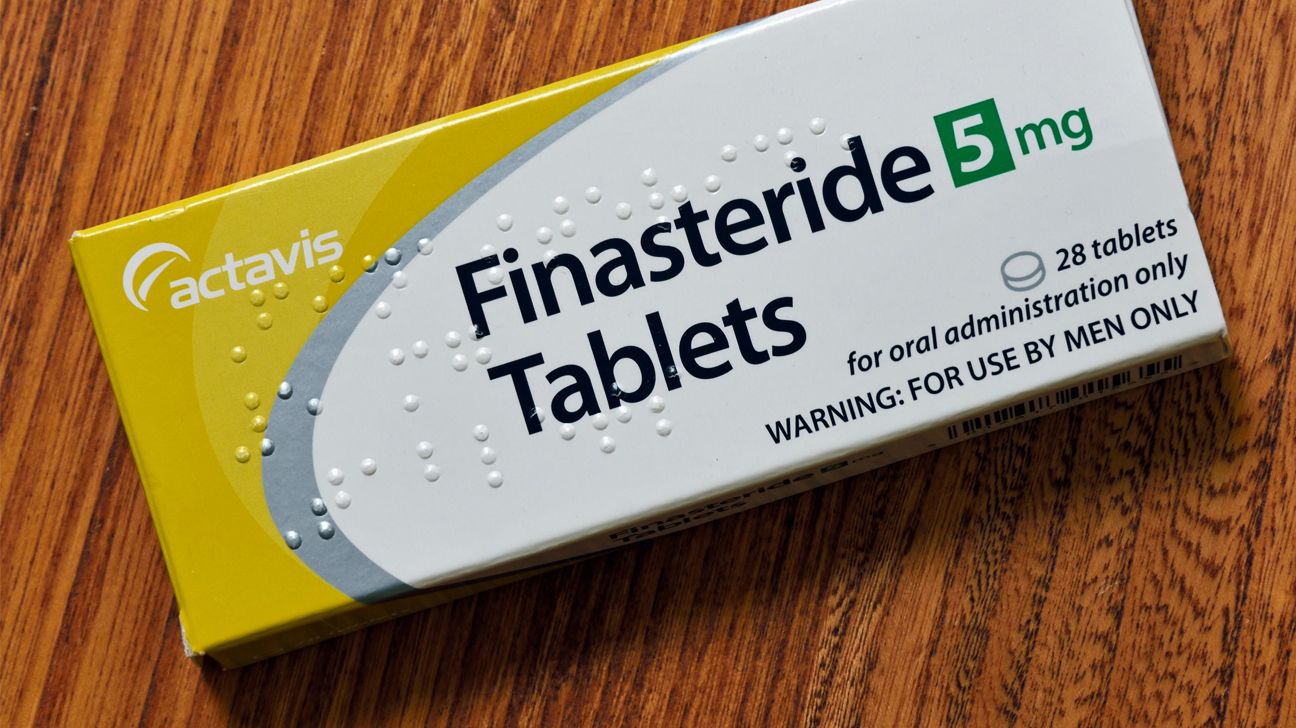
Finasteride oral tablets for hair loss
A new report on the mental health side effects of finasteride provides some evidence to support further research. Stan Pritchard/Alamy
  • A new report raises concern over the increased risk of depression and suicide by men who take the medication finasteride for hair loss.
  • The author of the commentary criticizes federal regulators and the drugโ€™s manufacturer for not producing stronger warnings about finasteride risks.
  • Experts say more studies should be done on finasterideโ€™s potential side effects, but they believe the drugโ€™s benefits outweigh its risks.

A new report warns that males who take the drug finasteride for hair loss face a higher risk of depression as well as suicide.

The author of the review, recently published in The Journal of Clinical Psychiatry, states that officials at Merck, the original manufacturer of finasteride, and federal regulators at the Food and Drug Administration (FDA) havenโ€™t done enough to investigate the drug’s safety or warn the public of its risks.

Mayer Brezis, PhD, a professor of medicine at Hebrew University in Jerusalem, states that over the past 20 years, hundreds of thousands of men may have endured depression and hundreds may have died from suicide from using what he described as a โ€œcosmetic medication.โ€

โ€œThe long delay in recognizing the risks associated with finasteride exposure includes the manufacturerโ€™s failure to perform and publish simple pharmacovigilance studies using database analyses and regulatorsโ€™ failure to request such studies from the manufacturer or to perform them,โ€ Brezis wrote in the commentary.

A call for more research on mental health effects

Experts interviewed by Healthline said the report provides some evidence to support further research, but falls short of any demand to curtail the use of finasteride.

โ€œIt highlights an area that for additional research and a more granular look at this issue,โ€ saidย Ramkishen Narayanan, MD, an urologist and urologic oncologist as well as the director of the Center for Urologic Health at The Roy and Patricia Disney Family Cancer Center at Providence Saint Joseph Medical Center in Burbank, CA.

Anthony Oro, MD, a professor of dermatology, associate director of the Center for Definitive and Curative Medicine, and co-director of the Child Health Research Institute at Stanford University, said the report is opinion and not definitive research.

โ€œThe report is a commentary, not a scientific study,โ€ Oro told Healthline. โ€œThe study summarizes other scientific reports in the literature linking finasteride to neuropsychiatric illness, including suicide, and provides commentary and speculation as to why the public is not more aware of these side effects.โ€

Officials at Organon, a spinoff from Merck that now manufactures finasteride, said the drug’s safety and efficiency have been well-established.

Company officials said in a statement shared with Healthline that โ€œOrganon stands behind the safety and efficacy of its finasteride products.”

“Regulatory agencies around the world thoroughly reviewed the safety and efficacy data for these medicines before their approval, and they, together with Organon, have continued to review additional safety and efficacy data in the decades that these products have been on the market as part of the rigorous, routine post-marketing surveillance process,โ€ Organon officials wrote.

โ€œWe encourage patients to speak with their doctors if they have any questions or concerns about their health or medication,โ€ they added.

Studies have linked finasteride to suicide risk

Brezis wrote his commentary after reviewing four independent analyses of adverse event reporting systems and four studies using data mining of healthcare records.

Brezis reported that this research, all conducted between 2017 and 2023, showed a โ€œsignificant increase in the risk for depression, anxiety, and/or suicidal behavior with the use of finasterideโ€ by people taking the medication for hair loss.

He added the health risks can be present even after a person stops using finasteride.

Brezis said that concerns about the mental health implications of finasteride were first published in 2002.

โ€œThere has been, therefore, a two-decade delay in the realization of the incidences and the gravity of neuropsychiatric effects, allowing harm from a medicine prescribed for a cosmetic indication of hair loss,โ€ he wrote.

Oro and Narayanan noted that the standard dose for finasteride for hair loss is 1 milligram (mg). The medication is also prescribed for men with an enlarged prostate. That standard dose is 5 mg.

They said Brezisโ€™ report recognizes that there is no evidence of a higher risk of depression or suicide in patients taking the higher dose. They said that this may indicate the increased risks in the lower dose could be related to the population that takes finasteride for hair loss.

Ken Williams, DO, a surgeon and founder of Orange County Hair Restoration in Irvine, CA, explained that males with hair loss may already be experiencing some psychological issues when they start taking the medication.

He said those with hair loss oftenย experience low self-esteem, unfavorable body image, and depression.

“Mental health disorders are already high for young men with hair loss, who are probably the most emotionally affected, as hair loss is critical to their self-image,” Williams told Healthline.

Other warnings on finasteride

In the commentary, Brezis called for immediate changes in how drugs such as finasteride are approved, monitored, and prescribed.

He recommended suspending marketing of the drug for cosmetic purposes until its safety can be established. He also called for more studies with strict enforcement, as well as a systematic recording of drug histories in suicide investigations.

In 2011, the FDA added depression to the drugโ€™s label as a possible side effect after small studies found significant increases in depression for some people taking the drug.

In 2022, the FDA added suicidality as a side effect.

Since 2011, the FDA hasย reportedlyย received more than 700 cases of suicidal thoughts or suicide attempts among those taking finasteride.

Narayanan said that these warnings are directed at men taking the drug for hair loss. As a urologist, he said he has โ€œno problemโ€ with prescribing finasteride as a treatment for enlarged prostate.

Basic facts about finasteride

Finasteride is an active ingredient contained in oral tablets sold under brand names such as Proscar and Propecia.

Proscarย was approved by the FDA in 1992 for the treatment of symptomatic benign prostatic hyperplasia in males with enlarged prostate.

Propecia was approved by the FDA in 1997 for treatment of male pattern hair loss (androgenetic alopecia).

Organon now manufactures these two medications. A number ofย companiesย manufacture generic versions of medications containing the active ingredient finasteride.

Past research has also shown thatย topical applicationsย of finasteride have similar benefits to the oral tablets. However, the FDA issued aย warningย in April about potential risks associated with these topical treatments.

Common side effects of finasteride use include:

  • decreased sex drive
  • trouble maintaining an erection
  • increase in breast size
  • skin rash

Serious side effects are less common. They include:

  • depression
  • swelling of the lips, tongue, throat, or face
  • nipple discharge

What to know about hair loss

Androgenetic alopecia, also known as common male pattern baldness, is responsible for about 95% of hair loss in men.

According to the American Hair Loss Association, about two-thirds of men in the United States will experience some degree of noticeable hair loss by the age of 35. The organization also estimates that by age 50, about 85% of men will experience some form of hair thinning.

A medical professional can officially diagnose the condition by examining the hair loss pattern and family medical history. A scalp biopsy may also be utilized.

A major cause ofย male pattern baldnessย is genetics. It can be associated with male sex hormones called androgens. The androgens have many functions, including regulating hair growth.

Advice on hair loss medications

Williams cautioned men against purchasing hair loss products that are sold online.

โ€œIt needs to be recognized that a very significant risk for mental health disorders occurs by the unethical marketing and distribution of finasteride by sophisticated marketing companies,โ€ Williams said.

โ€œThese companiesโ€ฆ market these medications on social media platforms and TV without patient-physician interaction or contact,โ€ he added.

Naranyanan said that medical professionals should take a multi-disciplinary approach when prescribing finasteride for hair loss.

He said itโ€™s important to uncover the reasons a person wants to take medication. If needed, the person could then be given therapeutic treatments or even antidepressant medications before taking finasteride.

Naranyanan also recommended discussing different options with patients.

Oro shared similar thoughts: “My advice to patients is the same for any drug I prescribe either oral or topical,โ€ he said.

โ€œRead about the side effects and talk to your doctor about the risks and benefits and decide if the latter outweigh the former. Each patient is unique, and I need to know their susceptibilities to conditions for which the drug may enhance (like NPI).ย  If my patients have adverse effects when I prescribe any drug, including finasteride, I stop the medicine immediately and investigate why,โ€ Oro concluded.

Common Hair Loss Drug Linked to Suicide Risk, Other Mental Health Harms Read More ยป

Listeria Outbreak: Pasta Meals From Trader Joeโ€™s, Walmart Tied to 4 Deaths

Trader Joe's recalled pasta meals over graphic
The Food and Drug Administration (FDA) has been investigating the Listeria outbreak in ready-made pasta meals since June. Design by Healthline; Photography courtesy of USDA
  • The USDA and FDA are warning consumers to throw away prepared pasta meals available at several national retailers, including Trader Joe’s, due to potential Listeria contamination.
  • The latest health warning is part of a growing national Listeria outbreak that has been under investigation since June.
  • So far, the CDC has reported 20 cases of Listeria infection and four deaths tied to the prepared meals.

The U.S. Department of Agriculture’s Food and Safety Inspection Service (FSIS) recently issued an alert about ready-to-eat pasta meals contaminated with Listeria.

The Food and Drug Administration (FDA) has been investigating the Listeria outbreak in pasta meals since June.

The pasta meals are sold at several national retailers, including Albertsons, Walmart, Trader Joeโ€™s, and Kroger. The supplier, Nateโ€™s Fine Foods, is recalling certain lots of its pre-cooked pasta.

The FDA identified five affected products:

  • Trader Joeโ€™s Cajun Style Blackened Chicken Breast Fettuccine Alfredo, 16 oz.
  • Marketside Linguine with Beef Meatballs & Marinara Sauce, 12 oz.
  • Marketside Grilled Chicken Alfredo with Fettuccine, 12.3 oz.
  • Marketside Grilled Chicken Alfredo with Fettuccine, 32.8 oz.
  • Home Chef Chicken Fettuccine Alfredo, 12.5 oz.
  • Scott & Jon’s Shrimp Scampi with Linguini Bowls, 9.6 oz.

Albertsons deli items made with bowtie pasta are also being recalled due to possible Listeria contamination. The company is voluntarily pulling these products from shelves.

The FSIS alert is the latest development in a nationwide outbreak first detected. Since then, additional contaminated products have been identified, most recently Trader Joeโ€™s Fettuccine Alfredo and Marketside Linguine with Beef Meatballs & Marinara Sauce.

FreshRealm, the manufacturer of the chicken fettuccine alfredo meals, began testing ingredients in its meals following the FDA’s initial investigation. Testing of the affected products indicates they are linked to the same outbreak, showing the presence of genetically related strains of Listeria monocytogenes.

“Nothing is more important than the health and safety of our products,” A FreshRealm spokesperson told Healthline.

“We actively test environmental samplesย from our facilities, which are consistentlyย negativeย for Listeria, as well as products and ingredients received from ingredient suppliers. When we identifiedย Listeria in an ingredient we received from a third-party supplier, we promptly notified the supplier andย government regulators at the USDA and FDA,โ€ the spokesperson continued.

Trader Joeโ€™s has issued a statement about the recall online, writing that although no food products have tested positive for Listeria, they are recalling the product โ€œin an abundance of caution.โ€

โ€œAt Trader Joe’s, nothing is more important than the health and safety of our customers and Crew Membersโ€ฆ We voluntarily take action quickly, aggressively investigating potential problems and removing the product from sale if there is any doubt about its safety or quality,” a Trader Joeโ€™s representative told Healthline.

Healthline reached out to Nateโ€™s Fine Foods, but the company couldn’t be reached for comment.

So far, the Centers for Disease Control and Prevention (CDC) reports that the outbreak is linked to 20 confirmed cases of listeriosis and four deaths. The affected products were distributed nationwide, and cases have been reported in 15 states, including California, Texas, Louisiana, Illinois, and Michigan.

โ€œPeople really do need to take these warnings seriously,โ€ said  John Schieffelin, MD, associate professor of pediatrics at Tulane University. 

โ€œFor certain groups of people, this is really a very serious disease. Make sure that you don’t have those products in their household. If you do, toss them in the trash. It’s not worth it,โ€ he added.

While most of these products are no longer available for sale, consumers are advised to check their refrigerators and freezers for the recalled products and either throw them away or return them to the store where they were purchased. The FDA’s website provides detailed lot numbers and expiration dates for affected products.

What is listeriosis?

Listeriosis is an infection caused by the bacterium Listeria monocytogenes. In the United States, Listeria ranks as the third leading cause of death from foodborne illness, after Salmonella and Toxoplasma gondii.

Each year in the United States, about 1,250 people are diagnosed with listeriosis. The infection is serious and can be deadly. Nearly all cases require hospitalization, and about one in five patients die.

Less severe symptoms of listeriosis generally resolve in 1โ€“3 days and typically include:

  • fever
  • nausea and vomiting
  • diarrhea
  • muscle ache

More severe, potentially life-threatening symptoms include:

  • headaches, neck stiffness
  • confusion, loss of balance
  • convulsions

Healthy people can get infected, but they rarely become seriously ill. Those at highest risk include pregnant women, newborns, adults age 65 and older, and people with weakened immune systems.

โ€œListeria is another very atypical type of food poisoning. You can get meningitis, you can get seizures, you can have a loss of your faculties, like balancing or walking. You can have an altered mental status. All of that is related to the fact that you’re having an infection that’s affecting your brain,โ€ said Rais Vohra, MD, medical director at California Poison Control and professor of clinical emergency medicine at the University of California San Francisco.

Listeriosis is up to 20 times more common in pregnant people than in the general population. The infection can cross the placenta and infect the fetus. About one in four pregnancy-related cases result in miscarriage or stillbirth, according to the CDC.

โ€œThe other thing that’s challenging about listeriosis is that it really requires very specific antibiotics. A lot of the antibiotics that you would generally get put on if you show up to the emergency room with diarrhea wonโ€™t work for it.,โ€ said Schieffelin.

If you develop any of the above symptoms or think you may have eaten a contaminated product, contact your healthcare provider right away. Early testing and treatment for listeriosis can help prevent serious illness.

How does listeria contamination occur?

Contamination can occur at many points in a foodโ€™s production and distribution cycle.

Listeria is a hardy bacterium that occurs naturally in the environment. It is commonly found in soil, water, sewage, and on animals. Because of this, raw foods such as vegetables, dairy, and meat can carry the bacteria before they ever reach a factory.

Unlike many other foodborne pathogens, Listeria can survive and even grow at refrigeration temperatures, which makes it especially difficult to control once it enters the food supply chain.

Listeria can thrive in unsanitary manufacturing conditions. Contamination typically happens when Listeria from raw ingredients or the environment makes its way onto equipment, surfaces, or into ready-to-eat products.

If cleaning and sanitation are inadequate in food processing plants, equipment, surfaces, and even workers can carry bacteria. If prepared foods, such as pasta meals, deli meats, soft cheese, or other pre-cooked meals, are contaminated after cooking or before sealing, they may carry the bacteria directly to consumers.

โ€œPeople do need to be aware of how complicated the food chain is,โ€ Vohra said. 

โ€œAll of our food comes from a number of different sources and gets shipped here and there. All of those preservation mechanisms have to be intact along the way, whether it’s the cold chain for your refrigerated foods, or just the washing and handling of the product.โ€

Actionable steps to avoid listeriosis

Listeria is associated with a wide variety of food products including raw milk, raw fruits and vegetables, and ready-to-eat meats, so prevention is key.

โ€œBy the time somebody gets hospitalized from this, they are very critically ill. So we really want to make sure people understand that prevention is going to be a key factor,โ€ said Vohra.

You can take simple, actionable steps to lower your risk for listeriosis. First, if you think you may have purchased any of the products mentioned above, do not eat them; throw them away or return them.

Clean any areas that may have come into contact with the affected products, including your refrigerator, freezer, counter tops, sink, and utensils.

For basic prevention of listeriosis and other foodborne infections:

  • Wash fruits and vegetables thoroughly before consuming.
  • Cook food thoroughly to kill any pathogens.
  • Practice good hand hygiene by washing your hands regularly.
  • Keep your kitchen surfaces and refrigerator clean.

As for the current outbreak: โ€œWeโ€™re not out of the woods yet,โ€ Vohra said. 

โ€œWe’re hoping that we’ve taken care of the source, and so therefore we’re seeing the tail end of the number of cases, but we also know that Listeria can trick people. It may take weeks for the infection to really manifest to a level where people see hospitalization.โ€

Listeria Outbreak: Pasta Meals From Trader Joeโ€™s, Walmart Tied to 4 Deaths Read More ยป

Sign In Sign Up
Sign In Sign Up
x

Chatbot

Scroll to Top