Uncategorized

โ€˜Reacherโ€™ Star Alan Ritchson Shares How He Manages Living with Bipolar Disorder

Alan Ritchson
Alan Ritchson, star of Amazonโ€™s hit series, โ€˜Reacher,โ€™ is sharing new details of how he manages living with bipolar disorder. Denise Truscello/Getty Images for Amazon Prime Video
  • Actor Alan Ritchson addresses his bipolar disorder diagnosis in a new interview.
  • The disorder is characterized by manic and depressive episodes.
  • Experts say that high-profile people speaking about mental health is crucial to breaking down stigma.

Alan Ritchson, the star of Amazon Primeโ€™s Reacher series, is speaking candidly about living with bipolar disorder.

Ritchson is a towering man; heโ€™s six-foot-three and known as much for his superhero physique as his leading-man persona on television. So, he might not be the first person that comes to mind when you think of mental illness. Now heโ€™s addressing it head-on in a new interview with Menโ€™s Health and shedding light on his diagnosis.

Now 41, Ritchson says he was diagnosed with bipolar disorder when he was 36. With the help of a psychiatrist and his wife, heโ€™s learned how to live with and control his behavior.

โ€œI am always happy to see celebrities and high-profile people sharing their experiences and mental health struggles. Of course, I am never happy to see/hear people struggling, but it normalizes mental illness and helps people feel less alone in a world that can feel quite lonely at times,โ€ Dr. Rachel Goldman, PhD, a licensed psychologist in private practice in NYC, and clinical assistant professor in the department of psychiatry at New York University, told Healthline.

What is Bipolar Disorder?

Bipolar disorder is a mental illness that is characterized by pronounced changes in a personโ€™s behavior, characterized by periods of mania and depression.

A manic episode is a hyperactive state in which the person feels energetic, has racing thoughts, sleeps less, takes part in harmful behaviors, and feels important or powerful.

A depressive episode is the opposite: the individual may feel lethargic, sad, oversleep, and have trouble making decisions.

Ritchson told Menโ€™s Health that a manic episode can manifest for him in a small way, like obsessing over a new pair of shoes โ€” and then buying 8 different kinds that look the same.

He also describes it as feeling like something โ€œisnโ€™t living up to its best potential.โ€

โ€œIt usually comes out in a very โ€” not in a mean way โ€” but in a โ€˜this has to be betterโ€™ way. Like a very, almost obsessive โ€˜this has to be better,โ€™โ€ he said in the interview.

Symptoms and severity can vary from person to person with bipolar disorder, but Ritchson tends to deal with mania more often than depression. His work schedule keeps him busy enough that he often works through depressive episodes.

โ€œWhen Iโ€™m feeling depressed, it doesnโ€™t really matter because I am so focused at work. I could go weeks without people even knowing I feel a certain way,โ€ he said.

Bipolar 1 vs bipolar 2

There are three types of bipolar disorder: bipolar 1, bipolar 2, and cyclothymic disorder.

Bipolar 1 is the most severe form and is characterized by manic episodes that last at least seven days and depressive episodes that last around two weeks. With bipolar one, manic episodes can be severe enough to require hospitalization.

Bipolar 2 still maintains the hallmark manic and depressive episodes, but the symptoms are less severe.

Cyclothymic disorder is the most mild form of bipolar disorder.

Ritchson doesnโ€™t specify his exact diagnosis in the interview, but the age of diagnosis could be an indicator.

โ€œThere are two main types of bipolar. The more severe one is called bipolar 1. Those patients usually get diagnosed around their late teens or early twenties,โ€ Dr. Po Wang, MD, a clinical professor of psychiatry and behavioral sciences at Stanford Medicine, told Healthline.

โ€œBipolar 2 episodes are not necessarily as severe. It can be a little bit delayedโ€ฆSo thirty-something is not too out of the ordinary for a diagnosis. That doesn’t mean they don’t have symptoms before then,โ€ said Wang.

Signs and symptoms of bipolar disorder

It can be difficult to identify bipolar disorder before it is diagnosed. Although there may be behavioral changes, they can be normalized and explained away. But, over time, a pattern can emerge of manic and depressive episodes that are indicators of bipolar disorder.

โ€œWhen these symptoms become problematic in our life, we need to flip that sort of normality viewpoint into โ€˜maybe there’s something going on,โ€™ and accept that these symptoms sometimes are pathologic,โ€ said Wang.

โ€œIf you notice a recent change in your mood or behaviors (i.e., appetite, sleep, etc.) and it’s more than just feeling like you are having an off day, then I would recommend seeking help,โ€ said Goldman.

The question of when and how to seek help is a difficult one, but it shouldnโ€™t be.

โ€œIf you are thinking about seeking help, or questioning if you should seek professional help, then it can’t hurt. Make the call and have a consultation,โ€ said Goldman.

She adds that when symptoms are beginning to take a toll on your life โ€” daily functioning, work, and personal relationships โ€” it is definitely time to speak to a medical professional. 

Bipolar disorder may not fit the same pattern for everyone, so paying attention to behavioral changes is important, even if they donโ€™t fit the model of a manic episode followed by a depressive episode.

Sharing stories can help reduce stigma

Both Wang and Goldman praised Ritchson for speaking out and helping to change the narrative around bipolar disorder. 

Looks can be deceiving, Wang points out.

โ€œWe have an idea of what celebritiesโ€™ lives are like: they are successful. And Ritchson is very athletic, so he looks healthy, right?โ€ said Wang. โ€œSo the other part of this conversation that is super important is when we see people who look healthy, and they can say, โ€˜I have problems too.โ€™โ€ 

โ€œSharing stories around mental health and talking so honestly and openly around mental health helps break the stigma. I also think it is wonderful, and important, for people to see that individuals who are successful also struggle with their mental health,โ€ said Goldman.

The bottom line

Actor Alan Ritchson, 41, was diagnosed with bipolar disorder when he was 36. Heโ€™s now discussing life with mental illness in a new interview.

Bipolar disorder is characterized by periods of energy and impulsive behavior (manic episode) and periods of melancholy and lethargy (depressive episode).

The disorder can sometimes be hard to spot, so it is important to watch for behavioral changes that seem out of the ordinary and can become part of a pattern.

Mental health experts praised Ritchson for speaking openly about his diagnosis and breaking down the stigma of mental illness.

โ€˜Reacherโ€™ Star Alan Ritchson Shares How He Manages Living with Bipolar Disorder Read More ยป

Is This Experimental Drug the New Mounjaro? Why It’s Too Early To Tell

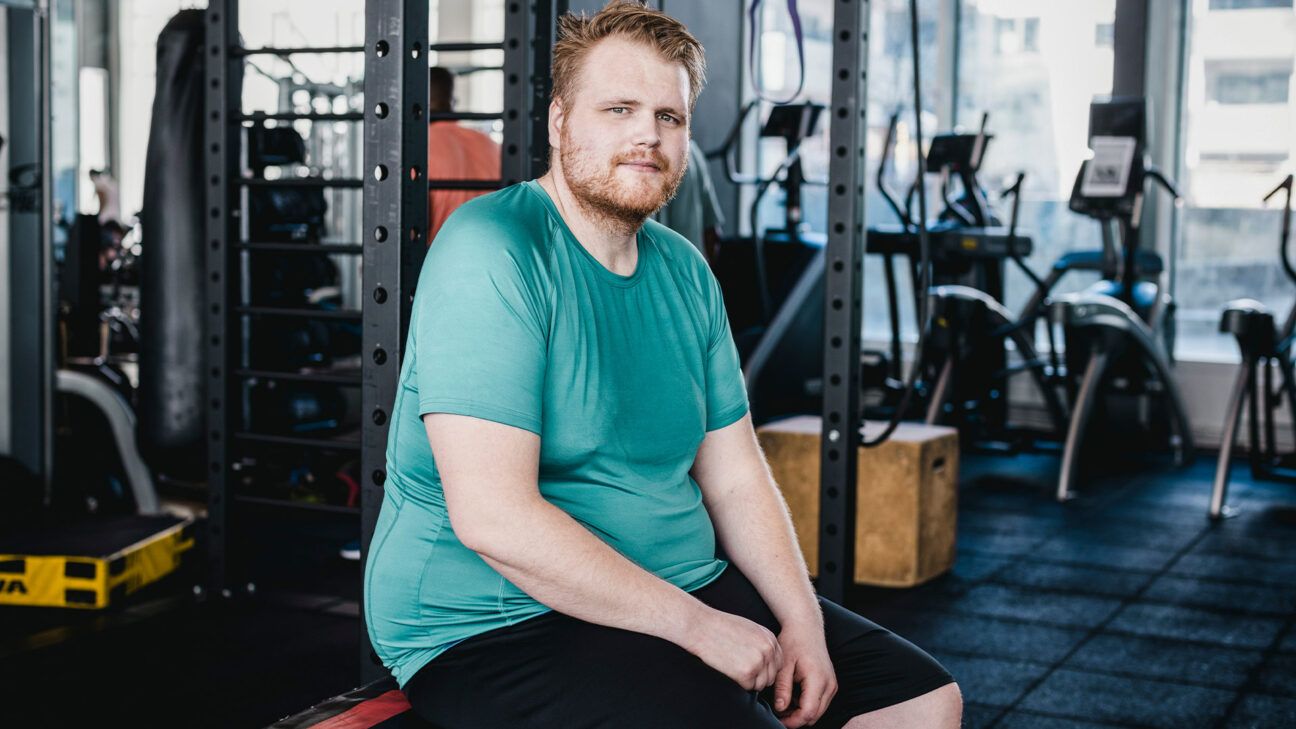
Man in green tshirt seen sitting on a bench at a gym.
Maskot/Getty Images
  • An experimental GLP-1 weight loss drug developed by Viking Therapeutics showed promising results in a mid-stage clinical trial.
  • The drug is a dual GLP-1/GIP receptor agonist, which like Zepbound and Mounjaro, mimics the actions of two hormones.
  • Additional clinical trials are needed to test the safety and effectiveness of the drug in a larger, more diverse group of people before it can be approved by the FDA.

Biopharma company Viking Therapeutics released promising initial results on Feb. 27 from a mid-stage clinical trial for its experimental weight loss drug.

The phase 2 trial followed 176 adults who have obesity or overweight. Researchers randomly assigned people to receive one of four doses of the test drug, VK2734, or an inactive placebo.

After 13 weeks, people in the clinical trial who received weekly injections of the drug lost up to 14.7% of their body weight from baseline on average, the company said in a statement.

When researchers adjusted for the amount of weight lost by people in the placebo group, those receiving the drug lost 13.1% of their body weight.

โ€œThese results are similar to tirzepatide [Zepbound, Mounjaro], which is already on the market. So itโ€™s promising that [Viking has] developed a similar drug that has good results,โ€ said Dr. Mir Ali, bariatric surgeon and medical director of MemorialCare Surgical Weight Loss Center at Orange Coast Medical Center in Fountain Valley, Calif.

Ali was not involved in the new research.

Why the drug isn’t going to compete with Mounjaro yet

Researchers also found that up to 88% of people who received the drug lost 10% or more of their weight, compared with 4% of people who received the placebo.

In addition, โ€œno evidence of a plateau was observedโ€ after 13 weeks among people receiving the drug, said Brian Lian, PhD, chief executive officer of Viking, in the statement, โ€œsuggesting further weight loss might be achievedโ€ from longer treatment periods.

The results have not been published yet in a peer-reviewed journal, so they should be viewed with caution.

Strong demand for currently approved weight loss drugs such as Novo Nordiskโ€™s Wegovy and Eli Lillyโ€™s Zepbound have made them hard to find. Having another option on the market might relieve some of that demand.

โ€œThe issue that consumers are running into is a shortage of these medications,โ€ Ali told Healthline. โ€œSo if there are more options to get this type of medication, I think that would be helpful.โ€

However, phase 3 clinical trials will be needed before the company can apply for regulatory approval of its drug. These studies will examine the effectiveness and safety of the drug in a larger, more diverse group of people.

The company plans to meet with the Food and Drug Administration (FDA) to discuss the next steps for the development of VK2735, reports CNBC.

The company also plans to report on the results of an early-stage clinical trial by the end of this month for an oral version of the drug, it said in the release.

New drug has similar side effects as Zepbound and Wegovy

The results of Vikingโ€™s phase 2 trial show that the drug was well-tolerated. The majority of adverse events that occurred in people who received the drug were mild or moderate, the company reported.

Gastrointestinal side effects were most common. These included nausea, vomiting, diarrhea and constipation, which commonly occur with GLP-1 drugs. Some people also experienced loss of appetite.

Among people who received the drug, 13% discontinued treatment early, compared to 14% in the placebo group.

Ali said the side effects seen in the trial are similar to what his patients experience when taking other weight loss medications, pointing out that in the study, the side effects occurred more frequently at higher doses of the drug.

However, โ€œwhat weโ€™ve found in our practice is side effects tend to resolve with time, as patients adapt to the drug,โ€ he said.

Vikingโ€™s drug belongs to a class of medications called dual GLP-1/GIP receptor agonists. It mimics the action of two hormones โ€” glucagon-like peptide 1 (GLP-1) and glucose-dependent insulinotropic polypeptide (GIP).

These are the same hormones targeted by Eli Lillyโ€™s weight loss drug Zepbound and diabetes drug Mounjaro.

Drugs such as Wegovy, Ozempic, and Rybelsus โ€” which have semaglutide as the active ingredient โ€” target only the GLP-1 hormone receptor.

While these kinds of drugs can have a dramatic impact on peopleโ€™s weight, Ali emphasized that, as with bariatric surgery, other approaches are needed alongside these tools.

โ€œThe whole goal with these tools is to help the patient change to a healthier diet and lifestyle,โ€ he said. โ€œThen they can maintain long-term success.โ€

Takeaway

Viking Therapeutics released results from a phase 2 clinical trial for its experimental weight loss drug. People who received weekly injections of the drug lost up to 14.7% of their body weight over 13 weeks, researchers found.

The drug is a GLP-1/GIP receptor agonist, which mimics the actions of two hormones โ€” glucagon-like peptide 1 (GLP-1) and glucose-dependent insulinotropic polypeptide (GIP). Eli Lillyโ€™s weight loss drug Zepbound and diabetes drug Mounjaro are in the same class of drugs.

Larger phase 3 clinical trials will be needed to test the safety and effectiveness of the drug in a more diverse group of people. Viking is in discussions with the FDA on next steps for the development of its drug.

Is This Experimental Drug the New Mounjaro? Why It’s Too Early To Tell Read More ยป

Marcia Cross was a vision in red as she walked the runwayย during the Vetementsย  Fall/Winter show as part of Paris Fashion Week on Friday. The Desperate Housewives star, known for her role as Bree Van De Kamp, proved she has still got it at 61 as she flaunts her age-defying looks for the glitzy event.ย  […]

Content source – www.soundhealthandlastingwealth.com

Read More ยป

TikTokโ€™s Obsession with Magnesium: Healthy or Hype?

A man taking supplements with water.
How accurate are the claims that magnesium supplements can boost your health? simonkr/Getty Images
  • The health benefits of magnesium have been gaining popularity on social media platforms like TikTok.
  • Research on the effects of magnesium, particularly in supplement form, is limited.
  • Registered dietitians say most people can achieve the recommended intake with food instead of the supplements often touted online.

From improved sleep to boosting exercise performance, magnesium is being touted as a quick fix for various health issues on social media platforms like TikTok.

โ€œMagnesium is an essential mineral necessary for numerous physiological processes in the body, including muscle and nerve function, energy production, and bone health, and our body does not make it naturally, so it must be consumed from dietary or supplemental sources,โ€ says Michelle Routhenstein, MS, RD, a registered dietitian nutritionist.

But while magnesium is essential, how much should you take each day, and how accurate are the claims that it can help with specific health issues?

We asked experts to weigh in on five of the most popular magnesium-based health claims racking up views on TikTok and to share what science really says about the potential benefits.

Magnesium can help you sleep

Magnesiumโ€™s potential to aid in relaxation is at the core of the popular Sleepy Girl Mocktail trend.

The drink consists of a half-cup of pure tart cherry juice, a tablespoon of magnesium powder, and sparkling water, with many claiming the simple recipe can help people fall asleep more easily and improve sleep quality.

โ€œThe trend highlights magnesium’s role in relaxing muscles and nerves, potentially calming mood, lessening anxiety, and improving sleep quality, which are relatable health concerns for many,โ€ says Kelsey Costa, MS, RDN, a registered dietitian nutritionist and national media spokesperson for Dietitian Insights. 

However, Costa says research is mixed, and more is needed.

For instance, a 2023 systemic literature review suggested a link between magnesium status and sleep quality in observational studies.

However, randomized control trials didnโ€™t show a specific correlation between supplementing with magnesium and improvements in sleep quality.

An older, small study of 46 older adults published in 2012 suggested that people who took 500 mg of magnesium daily for eight weeks reported fewer subjective insomnia symptoms than those who received the placebo.

What about the TikTok famous cocktail? Same deal.

โ€œIngredients like tart cherry juice in the Sleepy Girl Mocktail could indirectly support sleep due to their magnesium content, but further research is needed to determine their precise impact,โ€ Routhenstein says.

Magnesium can help prevent and treat cramps 

One registered dietician nutritionist is cautious about supporting this so-called benefit of magnesium.

โ€œThere are many different causes and types of cramps, making it dangerous to say broadly that supplementation will provide benefits for cramping,โ€ explains Maddie Pasquariello, MS, RDN, a registered dietician nutritionist. โ€œIn fact, when it comes to workout-related cramps, nocturnal cramps (or the kind of leg cramps that wake you up in the night), and cramps associated with pregnancy, there is little evidence to suggest that oral or IV magnesium supplementation will provide benefits.โ€

Research from 2021 didnโ€™t find evidence magnesium supplements could aid in the prevention or treatment of muscle cramps.

Additionally, research from 2020 suggests that magnesium doesnโ€™t prevent cramping in older adults but noted that research is conflicting and needed for pregnant people. 

Magnesium can help you avoid constipation and ease

Can regular magnesium intake help you stay regular โ€” as in relieving or preventing constipation? 

โ€œMagnesium…can aid in relieving constipation by drawing water into the intestines, softening the stool, and promoting bowel movements,โ€ Routhenstein says. โ€œMagnesium citrate acts as an osmotic laxative, meaning it pulls water into the intestines, resulting in increased bowel movements and facilitating smoother passage of stool.โ€

One 2019 study of 34 female patients with mild to moderate constipation indicated that magnesium oxide might help reduce โ€œcolonic transit time,โ€ or how long it takes something to move through your colon.

Research from 2021 indicated that magnesium intake might lower chronic constipation regarding stool frequency but didnโ€™t find a significant link between magnesium and stool consistency. In the end, the authors called for more research.

And Routhenstein stresses the need for caution.

โ€œHowever, it’s essential to use magnesium citrate as directed and consult a healthcare professional for personalized advice, as excessive magnesium intake can lead to diarrhea or other adverse effects,โ€ she says.

Magnesium can boost mental health

More than 1 in 5 adults in the U.S. live with a mental illness, according to the CDC. Treatment is available, including therapy and medication, but is magnesium worth considering, too?

Again, Pasquariello stresses caution due to limited data.

โ€œMagnesium has been investigated as a potential component of treatment for mental health conditions, including anxiety and depression, and lower magnesium intake can be associated with self-reported depression in adults who are not in current treatment for the condition,โ€ Pasquariello says. โ€œThat said, data is still limited.

Why the hype, then?

โ€œMagnesium, including forms like magnesium malate, may support mental health by regulating neurotransmitters and stress response. However, further research is needed to confirm its efficacy in specific mental health conditions,โ€ Routhenstein says.

A 2020 study indicated that stress could reduce magnesium in the body and vice-versa, terming it a โ€œvicious cycle.โ€

A 2017 review indicated that evidence suggests magnesium could be helpful for subjective anxiety but noted evidence (including self-reported data) is poor.

Magnesium can improve exercise performance 

Magnesium isnโ€™t the first supplement to be touted to improve exercise and likely wonโ€™t be the last. But does the idea hold merit?

โ€œBecause magnesium is directly involved in muscular function and energy production, magnesium status can affect athletic performance,โ€ Pasquariello says. โ€œMagnesium supplementation may decrease the accumulation of lactate in the body and help improve muscle contraction/relaxation, allowing for improved exercise endurance.โ€

But Pasquariello says more consistent research is needed.

Research from 2021 indicated that some experimental studies suggest that magnesium administration can improve glucose uptake and limit lactate buildup in skeletal muscles, enhancing exercise performance in the process.

Should you take a magnesium supplement?

Itโ€™s recommended that people get 310 to 420 mg of magnesium per day, depending on age, sex, pregnancy, and lactation status, Costa says.

She also pointed to data from 2013-2016 that indicates that nearly half of U.S. adults donโ€™t get enough magnesium.

โ€œFor most people, dietary sources of magnesium should be the focus, and magnesium supplements, therefore, should not be necessary,โ€ Costa says. โ€œThey should only be considered after optimizing diet to meet nutritional needs and addressing potential underlying causes of deficiency, such as certain medical conditions or medications.โ€

Bloodwork can help detect magnesium deficiency. Costa says magnesium-rich foods include:

  • Leafy greens like kale and spinach
  • Seeds such as flax, pumpkin, and chia
  • Nuts like Brazil nuts, almonds, and cashews
  • Legumes and tofu
  • Avocados
  • Whole grains

Routhenstein suggests speaking to your doctor before trying a magnesium supplement, especially if you are a person living with kidney disease, taking medication, or are pregnant or lactating.

TikTokโ€™s Obsession with Magnesium: Healthy or Hype? Read More ยป

Kensington Palace has released a new statement on Kate Middleton‘s health after being out of the public eye for two months following scheduled abdominal surgery. A Palace spokesperson reassured well-wishers as speculation continues to grow online following a string of royal health scares. A royal spokesperson said:ย ‘Kensington Palace made it clear in January the timelines […]

Content source – www.soundhealthandlastingwealth.com

Read More ยป

Boiling Water May Help Remove Up to 90% of Microplastics

A pot of boiling water is seen on a stove
A new study found that boiling water and filtering it can remove a significant amount of microplastics. Jena Ardell/Getty Images
  • A new study finds you can reduce the amount of microplastics you drink simply by boiling your water.
  • Scientists are just beginning to understand the health risks associated with microplastic exposure.
  • Nano- and microplastics are bits of plastic as tiny as one-thousandth of a millimeter in diameter.

Boiling and filtering your tap water may dramatically lower the amount of microplastics you drink, according to new research.

Recent studies have found that nano- and microplastics (NMPs), which are bits of plastic as tiny as one-thousandth of a millimeter in diameter, have been found in a host of products and even in tap water.

A new study, published February 28 in Environmental Science & Technology Letters, found that boiling mineral-rich water for just five minutes can reduce the amount of NMP youโ€™re exposed to by up to 90%.

Scientists are just beginning to understand the health risks associated with microplastic exposure, but growing evidence suggests the plastics can accumulate in the body and trigger oxidative stress, inflammation, insulin resistance, and liver issues.

Certain advanced water filtration systems can capture and help remove some NMPs from tap water. But researchers wanted to figure out other options to remove microplastics, especially since in poorer countries cheaper, more accessible solutions for clean water are needed.

Boiling water may be a safe, simple solution that can effectively decontaminate household tap water, the new findings suggest.

โ€œBoiling water before drinking is a great example of an ancient cultural practice that can help reduce an environmental exposure,โ€ Dr. Luz Claudio, PhD, a professor of environmental medicine and public health at the Icahn School of Medicine at Mount Sinai, told Healthline.ย 

Claudio was not involved in the study.

How boiling water can help remove microplastics

The researchers found simply boiling water is the first step to removing NMPs from tap water.

The researchers collected multiple samples of tap water from Guangzhou, China and contaminated the samples with varying levels of NMPs.

Each sample was boiled for five minutes then left to cool for 10 minutes.

Boiling hard water thatโ€™s rich with minerals โ€” such as calcium or magnesium โ€” creates a chalk-like residue known as limescale, or calcium carbonate (CaCO3), which can trap the plastics.

That solid, chalky residue then had to be separated and removed from the water with a standard coffee filter or stainless steel filter, thereby removing NMPs.

The team found that the impact was greatest in harder water: In samples that had 300 milligrams of CaCO3, for example, nearly 90% of NMPs were removed.

In softer water samples with less than 60 mg of CaCO3, roughly 25% of NMPs were removed.

โ€œWhatโ€™s important to note here is that the effectiveness of trapping these micro/nano plastics in these mineral solids is tied to how hard the water is โ€“ the harder the water, the more solids are formed, the more microplastics are trapped,โ€ Dr. Anja Brandon, PhD, the associate director of U.S. plastics policy at Ocean Conservancy and an environmental engineer, told Healthline.

Brandon was not involved in the study.

Why microplastics are found in tap water

Microplastics, such as polystyrene (PS), polyethylene (PE), polypropylene (PP), and polyethylene terephthalate (PET), are commonly found in groundwater and surface water, mostly due to wastewater and surface runoff after rainfall.

According to Claudio, itโ€™s hard to study the health effects of microplastics exposure since there are many types and we are exposed to several potential sources regularly.

Though the health risks are poorly understood, the inhalation and ingestion of microplastics has been shown to impair cell function disruption and trigger inflammation along with oxidative stress.ย 

The most well-documented short-term effects are on the gut microbiome, which can lead to intestinal issues, says Claudio.

Traditional water treatment plants arenโ€™t able to eliminate NMPs from drinking water, and while some water treatment technologies are able to capture and remove tiny plastic bits, these advanced systems do not exist in developing or underdeveloped countries.

According to Brandon, microplastics have been found to contaminate most if not all drinking sources. 

The researchers estimated that the intake of NMPs via boiled water is, depending on the region, two to five times less than whatโ€™s ingested through regularly drinking tap water.

That said, hard water is often an undesirable quality in tap water and many households have filtration systems that soften mineral-rich water, says Brandon.

More research is needed to inform if and when people should boil their tap water, she added.

How to limit your exposure to microplastics 

Anyone who wishes to boil their water should do so in a glass or stainless steel pot. 

After boiling the water for about five minutes, let it cool, and do not stir it, Claudio says.

The microplastics need to bind to the calcium and fall to the bottom of the pot so they can filtered or scooped out.

Keep in mind that boiling water is not a magic solution, says Claudio, as we are likely constantly exposed to other sources that contain microplastics. 

Brandon recommends avoiding single-use plastic packaging, including bottled water, not using plastic utensils and cooking products, and not putting plastic containers in the dishwasher or microwave. 

โ€œAll these items can shed plastic particles or leach chemicals with long-term, regular use,โ€ Brandon says. 

The bottom line:

Boiling and filtering your tap water may dramatically lower the amount of microplastics you drink, according to new research. Scientists are just beginning to understand the health risks associated with microplastic exposure, but growing evidence suggests the plastics can accumulate in the body and trigger oxidative stress, inflammation, insulin resistance, gut health problems, and liver issues.

Boiling Water May Help Remove Up to 90% of Microplastics Read More ยป

The relatives of musician Cat Janice, best known for her songย Dance You Outta My Head, announced that she died from cancer on Wednesday morning.ย  In a statement, shared to Instagram, theย 31-year-old performer’s loved ones revealed that she passed away inย her childhood home ‘surrounded by her loving family.’ย  ‘Catherine peacefully entered the light and love of […]

Content source – www.soundhealthandlastingwealth.com

Read More ยป

Wendy Williams: How Early Signs of Aphasia and Dementia Can Be Overlooked

Wendy Williams
Talk show host Wendy Williams has been diagnosed with primary progressive aphasia (PPA) and frontotemporal dementia (FTD) Johnny Nunez/WireImage/Getty Images
  • Wendy Williams has been diagnosed with primary progressive aphasia and dementia.
  • The announcement follows years of speculation about the talk show host’s health.
  • Experts say an early sign of primary progressive aphasia can be problems with speech.
  • Following a healthy lifestyle can reduce your risk for dementia.
  • However, the condition is progressive, and there is no known cure.

On February 22, 2024, it was announced via a press release that talk show host Wendy Williams had been diagnosed with primary progressive aphasia (PPA) andย frontotemporal dementia (FTD).

According to the National Institute on Aging, PPA affects a person’s ability to speak, read, write, and understand speech. It can also lead to slurred speech, or a person may become unable to speak at all.

FTD can create problems with memory, reasoning, and judgment. It can also cause changes in behavior.

Her care team stated in the press release that they were making the announcement in response to “inaccurate and hurtful rumors about her health.”

The 59-year-old star, who has received several Daytime Emmy nominations for her long-running talk show, The Wendy Williams Show, was the subject of 2020 media reports detailing an incident where she was having problems speaking and called singer Adele “Hodele.”

There were also reports in 2022 of Williams drinking heavily and seeming incapable of comprehending that her popular talk show had been canceled.

A newly released documentary, Where Is Wendy Williams?, highlights her cognitive and emotional decline in the time leading up to her 2023 diagnosis of PPA and FTD.

It also addressed that she has been living with lymphedema and Grave’s disease.

In the press release, her team stated that she is currently receiving medical care at Weill Cornell Medicine.

Additionally, they noted that Williams remains able to do many things for herself but is receiving care to make sure she is protected and has her needs taken care of.

“The decision to share this news was difficult and made after careful consideration,” they wrote, “not only to advocate for understanding and compassion for Wendy but to raise awareness about aphasia andย frontotemporal dementia and support the thousands of others facing similar circumstances.”

Early symptoms of frontotemporal dementia

Dr. Joel Salinas, Clinical Assistant Professor of Neurology at NYU Langone Health and Chief Medical Officer at Isaac Health, said that FTD can present in various forms, including those that affect language.

“Early symptoms of FTD with aphasia can be subtle and often go unnoticed because they might mimic everyday issues,” he explained.

“For instance, individuals may begin to experience difficulty finding the right words during conversations, which could easily be mistaken for stress or fatigue,” said Salinas. “There might also be changes in social behavior, such as diminished empathy, making inappropriate comments, or withdrawing from social interactions, which can be dismissed as mood swings or personal choices.”

Salina went on to note that people with FTD might experience lapses in their cleanliness or grooming, but these could be rationalized away as simply laziness.

“Some might start repeating words or engaging in compulsive behaviors (e.g., gambling), which may not immediately be recognized as symptoms of a neurological condition,” he added.

Other signs, according to Salinas, could be changes in dietary preferences. For example, a person might start overeating or develop a taste for sweets that wasn’t there before.

“Finally, the condition may also present with changes in motor function affecting movement,” he stated, “such as frequent falls or symptoms of weakness or rigidity that can sometimes resemble Parkinson’s disease.”

How to reduce your risk for frontotemporal dementia

According to the Alzheimer’s Society, about 10 to 15 out of every 100 people with FTD have a faulty gene that causes the disease. If your parent has that gene, there is a 1 in 2 chance you will inherit it.

However, it causes the behavioral variant of FTD rather than the PPA variant that Williams has, so it mainly affects the person’s behavior rather than their speech.

Genetic testing can help you assess your risk for this form of FTD.

Dr. Gary Small, a memory, brain, and aging expert at Hackensack Meridian Health, said that there are also other factors that affect your risk of developing dementia.

“Although genetics play a role, as with any dementia, potentially modifiable lifestyle behaviors can reduce risk and delay symptom onset, including regular physical exercise, healthy diet, stress management, not smoking, and mental stimulation,” he explained.

Unfortunately, once you have the condition, there is little you can do, according to Small.

“The disease has no cure, and as the illness progresses, patients lose their ability to remember and reason and develop movement problems, including balancing and swallowing,” he stated. “Patients also are at risk for depression and may develop inappropriate social behavior.”

Takeaway

The care team for former talk show host Wendy Williams recently announced that the star has been diagnosed with primary progressive aphasia and frontotemporal dementia.

This comes after several years of rumors about the state of her mental health.

Early symptoms are subtle and can go unnoticed but may include such things as speech difficulties, mood swings, or social withdrawal.

Certain lifestyle behaviors can reduce your risk and delay the onset of symptoms. These include exercising regularly, eating a healthy diet, managing stress, not smoking, and getting adequate mental stimulation.

However, the condition is progressive and has no known cure.

Wendy Williams: How Early Signs of Aphasia and Dementia Can Be Overlooked Read More ยป

A Married At First Sight breakout star is set to replace expert Mel Schilling. Lucinda Light, a fan favourite on the eleventh season of the hit Nine reality TV series, is ‘already being primed’ to take over from Schilling according to Woman’s Day. An insider told the magazine that Schilling’s health woes may play into […]

Content source – www.soundhealthandlastingwealth.com

Read More ยป

Weight Loss Combined with Exercise Can Cut Heart Attack Risk for People with Type 2 Diabetes

Older man walking a dog.
Weight loss combined with physical activity can significantly reduce the risk of heart attack for people who are living with type 2 diabetes. vitapix/Getty Images
  • A new study found that weight loss and physical activity dropped the risk of heart attacks by over 60% for people with type 2 diabetes.
  • The CDC estimates that about 38 million Americans or one in 10 have diabetes and 95% of them have type 2 diabetes.
  • Experts recommend people get on average about 150 minutes of exercise a week.

A new study finds that both weight loss and physical activity is key to helping drop heart attack risk for people with type 2 diabetes.

“According to a recent study, weight loss combined with physical activity led to a 61% lower risk in heart attacks for people with type 2 diabetes when compared with individuals with type 2 diabetes with low physical activity and no weight loss. Additionally, maintaining a high level of physical activity with weight loss led to a greater reduction in risk than just losing weight alone.”

Type 2 diabetes is a condition in which glucose levels build up when the body cannot react to insulin effectively or is unable to produce enough of it. Treatment for type 2 diabetes most commonly involves careful monitoring of blood sugar levels and medications like metformin or sulfonylureas, but diet, weight management, and exercise are part of a broader approach.

According to the Centers for Disease Control and Prevention, about 38 million Americans (one in 10, on average) have diabetes, and up to 95% of them have type 2 diabetes. The condition creates a significant risk for heart disease and heart attacks.

When that much glucose builds up in blood vessels, fatty residue can linger. This can lead to a condition called atherosclerosis that can block the flow of blood to the heart or brain, leading to a potential heart attack or stroke.

How does physical activity affect heart health in people with type 2 diabetes?

Researchers followed 1,229 people from 2001 to 2012 during th Look AHEAD trial and found that for people with type 2 diabetes who were also obese or overweight could reduce the risk of โ€œadverse cardiovascular outcomesโ€ if they maintained a high level of physical activity combined with consistent weight-loss regimes.

Dr. Matthew Oโ€™Brien, associate professor of Medicine and Preventive Medicine at Northwestern University Feinberg School of Medicine and the co-director of the Northwestern Primary Care Practice-Based Research Program, told Healthline that the previous Look AHEAD study had not found significantly lowered cardiovascular risks with just dietary or medical adjustments and resulting weight loss.

โ€œThe current study examined whether those who achieved both weight loss and longitudinal physical activity had a lower risk of acute cardiovascular events,” Oโ€™Brien said “Indeed, the study found that those who lost weight and achieved a high level of physical activity were less likely to develop acute cardiovascular events than their counterparts who didnโ€™t lose weight or get significant physical activity. Weight loss alone or physical activity alone did not result in a lower risk of these events โ€” that risk was only reduced among those who both lost weight and engaged in significant physical activity.โ€

O’Brien was not involved in the study.

Dr. Cheng-Han Chen, a board certified interventional cardiologist and medical director of the Structural Heart Program at MemorialCare Saddleback Medical Center in Laguna Hills, CA, who was not involved in the study, told Healthline that the combination of weight loss and physical activity may have a “synergistic” effect to protect the heart.

โ€œThe positive benefits of combining weight loss with exercise are likely multifactorial,โ€ Chen said. โ€œThis study previously reported on results that weight loss alone or increased physical activity alone were not [sufficient] to derive a cardiovascular benefit. It appears that there is a synergistic effect in combining weight loss with exercise, possibly mediated by improved glycemic control, decreased visceral fat, and improved energy metabolism, specifically in diabetic patients.โ€

How to work out to protect your heart

Itโ€™s important for anyone with type 2 diabetes who is also obese or overweight to talk to a doctor about a multi-pronged approach: diet, medication, and activity.

The U.S. Surgeon Generalโ€™s recommendation for most adults is up to 150 minutes of moderate activity per week or up to 75 minutes of vigorous activity per week. Still, Oโ€™Brien said that the presence of atherosclerosis could pose some issues with exercise, given the hindered flow of blood to or from the heart.

โ€œIf people with diabetes already have known cardiovascular disease, such as heart failure or blocked arteries in the heart, they may not be able to perform as much physical activity as those who do not have cardiovascular disease,โ€ Oโ€™Brien said. โ€œIf walking is the main source of physical activity, we recommend walking briskly to the point where the body begins to sweat, and breathing becomes a bit more difficult.”

O’Brien said diverse types of physical activity may also be beneficial for the heart.

“It is advisable to diversify physical activity and include several forms of cardiovascular exercise that work different muscle groups,” O’Brien said. “These may include climbing stairs, jumping rope, biking, or a rowing machine. In addition, there appear to be unique metabolic benefits from resistance training with bands, free weights, or weight machines. This type of physical activity will increase muscle strength, while lowering blood sugar in adults with diabetes.โ€

Chen suggested that a consistent approach to activity would be beneficial.

โ€œMy recommendations for exercise for people with diabetes and obesity are the same as for everyone else: at least 15-30 minutes of moderate aerobic exercise (such as brisk walking, jogging, stairs, bicycling, or swimming) most days of the week,โ€ Chen said.

Takeaway

A new study suggests that physical activity consistently combined with a target weight-loss approach reduced the risk of cardiovascular danger significantly for people with type 2 diabetes.

Type 2 diabetes poses significant risks to cardiovascular health.

Itโ€™s recommended that any physical activity be enough to sweat or breathe hard, and be done for at least 150 minutes per week.

Weight Loss Combined with Exercise Can Cut Heart Attack Risk for People with Type 2 Diabetes Read More ยป

Sign In Sign Up
Sign In Sign Up
x

Chatbot

Scroll to Top