
Lower-Calorie Mediterranean Diet With Exercise Cuts Diabetes Risk by 31%

Closeup of tomatoes and other vegetables
Eating a Mediterranean diet and following a healthy lifestyle can be very effective in lowering diabetes risk. Ivan Solis/Stocksy United
  • A Mediterranean diet, combined with calorie reduction and exercise, reduced the risk of type 2 diabetes by 31%.
  • In a study of older adults, those who followed this lifestyle lost an average of 3.3 kilograms (just over 7 pounds) of body weight.
  • Experts say that even small changes towards a healthier diet and more exercise can be beneficial in reducing type 2 diabetes risk

Eating a calorie reduced Mediterranean diet together with lifestyle changes can reduce the risk of developing type 2 diabetes by 31%.

Researchers in Spain found that following this eating pattern, participating in moderate exercise, and having professional weight loss guidance could be highly effective prevention tools against diabetes. The findings were published on August 26 in Annals of Internal Medicine.

“Diabetes is the first solid clinical outcome for which we have shown โ€” using the strongest available evidence โ€” that the Mediterranean diet with calorie reduction, physical activity and weight loss is a highly effective preventive tool,โ€ย Miguel รngel Martรญnez-Gonzรกlez, professor ofย Preventive Medicine and Public Healthย at the University of Navarra,ย adjunct professor of Nutrition at Harvard University, and one of the principal investigators of the project said in a press statement.

โ€œApplied at scale in at-risk populations, these modest and sustained lifestyle changes could prevent thousands of new diagnoses every year. We hope soon to show similar evidence for other major public health challenges,” Martรญnez-Gonzรกlez continued.

About the research

For the study, researchers followed 4,746 people ages 55 to 75 who lived with overweight or obesity as well as metabolic syndrome for six years.

The participants had no prior history of diabetes or cardiovascular disease.

To determine whether a Mediterranean diet with reduced calories could be beneficial in preventing type 2 diabetes, the researchers split the participants into two groups.

The first group had a moderate exercise plan and professional guidance, and ate a calorie-reduced Mediterranean diet with about 600 calories less than the second group, who just ate a regular Mediterranean diet with no exercise plan or calorie reduction.

As well as reducing the risk of type two diabetes, the researched found that those in the first group who ate a calorie reduced Mediterranean diet and exercised lost an average of 3.3 kilograms or 7.3 pounds of body weight. They also had a reduction of 3.6 centimeters (1.4 inches) in their waist circumference.

In comparison, the second group lost 0.6 kg (1.3 pounds) and just 0.3 cm (0.1 inches) of waist circumference.

This suggests the calorie reduced Mediterranean diet together with exercise prevented roughly three out of every 100 participants in the study from developing type 2 diabetes.

A meaningful reduction in diabetes risk

Experts say that while the dietary and lifestyle modifications in the study arenโ€™t new, the results are promising.

โ€œ31% is a substantial and meaningful reductionโ€ said Marilyn Tan, MD, an endocrinologist and clinical associate professor of medicine at Stanford.

“It’s not surprising, per se, but I would call it encouraging.ย We’ve known for a long time that a cleaner, less processed diet, reduced calories, and more exercise contribute to better metabolic health. In addition, professional support for weight loss is helpful not only for education but also for keeping people on track,” Tan told Healthline.

More than 38 million Americans live with diabetes, and of these, 90-95% live with type 2 diabetes. Rates of young people developing diabetes are also rising.

โ€œIn the U.S., prevalence and incidence of diabetes are tied to body weight and obesity (higher than global average), dietary quality (which is lower than the global average), and physical activity (which is also very low with people in sedentary jobs and doing a lot of commuting to and from work),โ€ Dana Hunnes, PhD, senior dietitian supervisor at the RR-UCLA Medical Center told Healthline.

โ€œAlso, our healthcare system is not equal for all. Many people cannot afford healthy food, good health care, and depend on ‘what seems like inexpensive’ foods that cause a lot of health problems in life.ย So, this is sadly very concerning, and there are [multiple] factors that are responsible for these trends,” Hunnes noted.

Lifestyle changes help prevent diabetes

Lifestyle changes can prevent or delay type 2 diabetes, and experts say both exercise and the Mediterranean diet are useful change people can implement.

โ€œThe Mediterranean diet emphasizes whole grains, vegetables, fruits, legumes and nuts; overall this is reducing carbohydrate and sugar intake which in turn reduces insulin secretion and increases fat breakdown, both improvingย diabetes risk,โ€ said Mir Ali, MD, board certified general surgeon, bariatric surgeon and medical director of MemorialCare Surgical Weight Loss Center at Orange Coast Medical Center in Fountain Valley, California.

โ€œI suggest to my patients to start with small changes, like eliminating sugary drinks, and build on improving the diet from there. Also, with exercise, it is more important to be consistent (30 minutes/day, 5 days a week) than having irregular intense exercise, and even walking is beneficial. If it’sย not possible to get in the exercise in one session, breaking it up throughout the day is acceptable. Again, starting with small changes and building on that,” Ali said.

Barriers to healthier food choices

Whilst the Mediterranean diet and lifestyle interventions in the study show significant benefit, Tan notes that there may still be barriers for some.

โ€œFor many people, it may be difficult to implement.ย In general, healthier whole foods, olive oil, healthy nuts, fruit, etc., are more expensive than processed foods,” Tan said.

“It also takes time to buy and prepare these foods, and many people don’t have time for the meal preparation.ย Physical support for weight loss is not always available locally or covered by insurance. In addition, most people are aware that physical activity is important, but this also relies on having time and a safe place to exercise,โ€ she continued.

In the study, the reduced-calorie group ate 600 fewer calories than their peers. The experts note that while tracking and reducing calories can seem overwhelming, some strategies can make it more manageable.

โ€œOne way to start is by reducing portion size,” Ali said. “Some people will get smaller plates or use otherย guides to help reduce portions. Others will use apps or other methods to help reduce calories. Again, it is easier to make small changes that are sustainable and build on those changes. Unfortunately, no one method works for every person.”

There are some risk factors for type two diabetes that canโ€™t be changed, like age or having a family history of diabetes. But experts say weight loss can still make a notable difference to reducing risk.

โ€œWeight loss in someone who is overweight or obese can help reduce diabetes risk significantly,” Tan said.ย “It’s been established that a 5โ€“10% weight reduction in someone who is overweight or obese can reduce type 2 diabetes risk.”

Lower-Calorie Mediterranean Diet With Exercise Cuts Diabetes Risk by 31% Read More ยป

Carly Pearceโ€™s OCD and anxiety began in childhood, not just during adulthood…

Content source – www.soundhealthandlastingwealth.com

Read More ยป

Do Hair Loss Treatments for Women Actually Work? What Experts Think

Female pulls hair out of brush
From hair growth supplements to prescription medications, experts discuss the best treatments for female hair loss. Manassanant Pamai/Getty Images
  • Women may experience hair loss for many reasons, including genetics, stress, and aging.
  • Certain home remedies may provide modest benefits for hair health, but many lack scientific evidence.
  • A dermatologist can recommend the most effective medications and treatments for female hair loss.

Noticing more hair on your pillow, in the shower, or on your brush can be a stressful experience for anyone.

While losing around 50 to 100 strands of hair each day is completely natural, when hair loss is more than normal, it can spark anxiety about whether there is a health issue happening beneath the surface.

From kitchen remedies and essential oils to massages and nutritional supplements, countless solutions promise thicker, healthier hair for women, yet itโ€™s hard to know what really works.

At the same time, medical treatments exist for cases where hair loss is more than cosmetic, but figuring out when and how to seek professional help isnโ€™t always straightforward.

If youโ€™ve ever wondered what causes female hair loss, whether home remedies actually make a difference, or when itโ€™s time to call your doctor, our experts will help you separate myth from reality.

What are some common causes of female hair loss?

Susan Massick, MD, a board certified dermatologist at The Ohio State University Wexner Medical Center, told Healthline there are several common causes of hair loss in women.

Androgenic alopecia, also known as female pattern hair loss, is a hereditary condition where the hair follicles shrink and stop growing hair.

In women, this type of hair loss occurs “mainly on the vertex of the scalp, although some women do note thinning along the frontal hairline, particularly near the temporal scalp,” she said.

Massick explained that there are also certain medical conditions that can cause hair loss, including:

Anything that stresses the body can lead to a type of hair loss called “telogen effluvium,” in which there is rapid, all-over shedding of hair, she added.

High fevers, severe infections, surgeries, childbirth, rapid weight loss, and psychosocial stressors from work or home life are all potential causes of telogen effluvium.

Certain medications and chemotherapy can also be culprits in hair loss, Massick said.

She further pointed out that the normal hormonal shifts that women experience throughout their lifespan, such as pregnancy, childbirth, and menopause, may cause hair shedding.

Massick additionally noted the impacts of hairstyling techniques, explaining that traction alopecia can occur, especially along the front hairline, when women wear tight braids, use heat styling methods like flat-ironing, or use chemical treatments like perms, dyes, and relaxers.

How effective are home remedies for hair loss?

Marie Jhin, MD, a board certified dermatologist and the Chief Medical Officer atย Musely, said that natural remedies can help support hair and scalp health, but their results are usually modest.

“Coconut oil, for example, can strengthen strands and reduce breakage, but it is unlikely to spark new growth,” she said.

“Rosemary and peppermint oils may boost circulation to the scalp, but studies are limited.”

Jhin said that red ginseng and onion juice have shown some benefit in small studies, but are not considered to be reliable treatments on their own.

“Scalp massage can temporarily increase blood flow, which may feel soothing but will not reverse significant thinning,” she added.

Jhin noted that while these natural remedies may complement proven medical therapies, they cannot replace a visit to a dermatologist.

Massick added that it’s important to be gentle in your haircare routine and eat a well-balanced diet. She suggested taking care of any health or lifestyle factors that might be contributing to your hair loss.

“[Have] your thyroid, hemoglobin (i.e., blood counts), and iron/ferritin levels checked; manage stress; no smoking; get plenty of rest,” she advised.

What hair loss treatments are available?

Massick said the first thing to know about treating hair loss is it’s “a marathon, not a sprint.” She suggests being patient and being realistic about the fact that it may take six months or more to see results.

She additionally discussed the following treatment options available through your dermatologist.

Medications

Minoxidil (Rogaine)

When it comes to medications, she said minoxidil, in both topical and oral forms, may be used to combat thinning hair.

“Although the exact mechanism of action is unknown, it is thought that improved blood flow to the hair follicles prevents hair shedding and perhaps enhances hair regrowth,” she explained.

According to Massick, minoxidil has some pluses: It has been widely studied and clinically proven to slow hair loss. It is easy to use and generally considered safe. It can also be obtained over the counter or by prescription.

However, it does have some downsides. It must be used consistently; you will lose any gains if you stop using it. Additionally, it can take a minimum of six months for women to see improvement. Also, it is not safe for those who are or may be pregnant or who are nursing.

Finasteride (Propecia)

This drug is often used to treat enlarged prostates in males as well as male pattern hair loss.

While the Food and Drug Administration (FDA) has not approved it for use in women, Massick said some doctors may consider its use, in both topical and oral forms, for female-pattern hair loss.

However, finasteride is only considered to be appropriate for those who are postmenopausal or otherwise unable to bear children.

Finasteride inhibits type II 5-alpha-reductase, the enzyme that converts testosterone into dihydrotestosterone (DHT).

“By blocking the conversion of testosterone to DHT, finasteride prevents the miniaturization of the hair follicles, arresting the hair loss,” explained Massick.

Although this medication is convenient to use โ€” it can be taken as a once-a-day pillโ€”and it’s clinically proven to stop hair loss and even sometimes induce hair regrowth, it also works only as long as you are using it and may not work well for everyone.

Its potential to cause birth defects in male babies also limits its use in women of childbearing age.

Dutasteride (Avodart)

According to Massick, oral dutasteride inhibits both type I and type II 5-alpha-reductase enzymes.

Because of this dual inhibition, “[It] appears to hold a slight advantage over finasteride in limiting or even reversing hair loss,” she said.

However, it comes with the same concerns as finasteride and is not currently FDA-approved for hair loss; it is only approved for treating benign prostatic hyperplasia (BPH) in males.

This means any use in women for hair loss is off-label and should be limited to those who can’t become pregnant while using it.

It also has a longer half-life, so it will remain in the body longer than finasteride.

Spironolactone

Massick said spironolactone has anti-androgen effects, making it useful for female pattern hair loss, especially in women with PCOS who may have excess male hormones.

Again, however, it is not advised for pregnant and breastfeeding women due to possible birth defects in male babies.

It should also be noted that spironolactone is a diuretic, so it can affect blood pressure. If it lowers your blood pressure too much, this may be a concern.

Women with kidney disease or high potassium should also not use it since it may increase potassium to dangerous levels.

Platelet-rich plasma (PRP)

Platelet-rich plasma (PRP) treatments are performed by drawing blood, spinning it down to separate out the different components, and injecting the concentrated platelet-rich plasma into the treatment area.

“PRP treatments use your own plasma to help induce hair growth,” Massick explained, noting that PRP is used for androgenic alopecia since it concentrates growth factors to stimulate the hair follicles.

While this treatment can be effective, it works better when used with other hair loss treatments.

However, it is expensive and the results are temporary, so the procedure must be repeated periodically. Additionally, the FDA has not approved PRP as a treatment for hair loss.

“Generally, patients undergo injections every 4 weeks for 3 months and then maintenance when needed,” Massick said.

Low-level laser therapy (LLLT)

Low-level laser therapy (LLLT) involves stimulating hair growth with red light at 655 nanometers.

“Although the exact mechanism of action is not fully known, the thought is that the light will activate stem cells in the hair follicles, thus regenerating from a dormant to the growth phase of the hair cycle,” said Massick.

She said there are several devices on the market, available as both combs and helmets/caps.

“Results vary among patients and depend on consistent usage,” said Massick, “with best results typically when used in combination with other modalities, such as topical minoxidil.”

Hair transplant

Massick said she would recommend a hair transplant only if all other options had failed.

Explaining the procedure, she said that micrografts of one to two units are harvested where normal hair is growing and are then transplanted into the thinning area.

Cons of hair transplantation, per Massick, are that it is painful, costly, and requires a recovery period following surgery.

When should you see a doctor for hair loss?

Jhin said, “If hair loss comes on suddenly, worsens quickly, or appears in patches, it is best to see a dermatologist right away to rule out underlying medical conditions.”

She further advised that if you’ve been using over-the-counter hair loss treatments without much success, this would also be a good time to seek out professional care.

“The sooner treatment starts, the better the chances of preserving and restoring hair,” said Jhin.

You can find a dermatologist near you using Healthline’s FindCare tool.

Do Hair Loss Treatments for Women Actually Work? What Experts Think Read More ยป

Vitamin D plays a crucial role in the health and well-being of…

Content source – www.soundhealthandlastingwealth.com

Read More ยป

The cost of Andrea Swiftโ€™s knee surgery varies widely, sparking curiosity about…

Content source – www.soundhealthandlastingwealth.com

Read More ยป

What to Know About Staying Heart Healthy During Extreme Heat

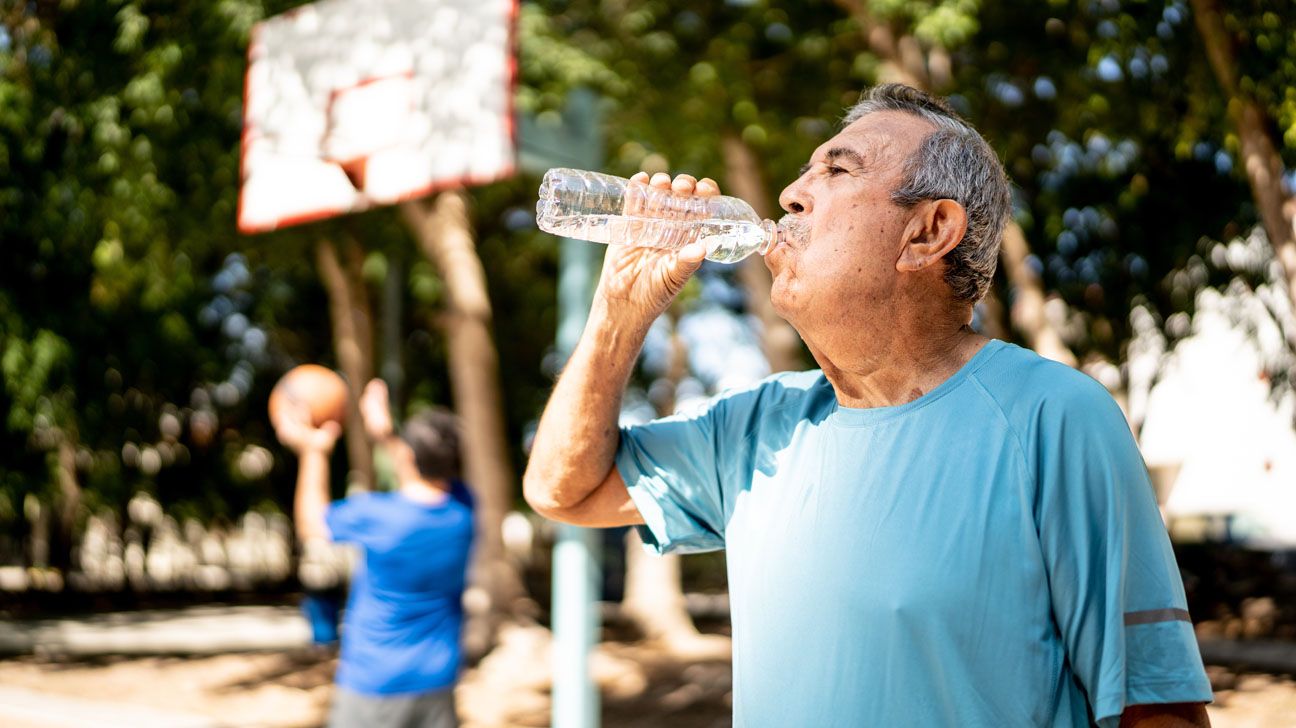
Older male drinking water outside in heat
Heat-induced dehydration can place stress on the heart and raise the risk for serious cardiac events. FG Trade Latin/Getty Images
  • Higher temperatures can raise the risk of heat-related illness, especially for older adults.
  • Extreme heat can place stress on the heart, which could be deadly for those with underlying cardiovascular conditions.
  • A cardiologist shares how extreme heat affects heart function and offers tips for staying heart healthy during hotter weather.

As summer draws to a close and extreme temperatures fade into the rearview, heat advisories persist across some parts of the United States.

Data from the Centers for Disease Control and Prevention (CDC) show that when the heat index is high, so is the risk of heat-related illness.

Cardiovascular risks, especially for older adults living in low socioeconomic status, are of particular concern.

A recent study published in Scientific Reports highlights how social determinants of health affect cardiovascular risk.ย The findings indicate that people living in low-income status with limited healthcare access face higher risks of death from cardiovascular disease.

As heat-related health risks are projected to double over the next two decades, the American Heart Association (AHA) warns these risks could be deadly for those with heart disease.

Heat-induced dehydration can place stress on the heart and raise the risk for serious cardiac events, such as heart valve failure (HVF).  

โ€œExtreme heat exerts significant strain on the cardiovascular system, leading to both immediate and long-term negative effects on heart function,โ€ said Naddi B. Marah, MD, an interventional and structural cardiologist with Memorial Hermann Health System.

Healthline recently spoke with Marah to learn more about heat-related cardiovascular risks like HVF and how to protect your heart health during heat waves.  

This interview has been lightly edited for clarity.

How does extreme heat affect heart function? 

Marah: The bodyโ€™s primary response to high temperatures is peripheral vasodilation, which is the widening of arteries or blood vessels to facilitate heat dissipation. This leads to lower blood pressure and an elevated heart rate.ย 

Additionally, fluid loss, dehydration, and electrolyte imbalances from sweating collectively worsen conditions like heart failure, coronary artery disease, and heart rhythm abnormalities.ย ย 

In those with heart valve issues or compromised cardiac function, the effects can be far more dangerous. 

What’s the difference between heat exhaustion and a serious cardiac event?

Marah: This is a very important distinction โ€” and not always a clear-cut one. Heat exhaustion is most likely caused by recent heat exposure and typically includes symptoms like: 

  • heavy sweating
  • fatigue
  • weakness
  • dizziness
  • nausea
  • cool, clammy skin

Itโ€™s usually related to dehydration from fluid loss and improves with rest, cooling, and rehydration.  

However, if someone experiencesโ€ฏchest pain, shortness of breath, confusion, palpitations, or low blood pressure, we become more concerned about aโ€ฏcardiac cause, especially if itโ€™s worse with activity, such as feeling short of breath with minimal activities, such as climbing a flight of stairs.ย 

Heart valve failure similarly presents with progressive fatigue, difficulty breathing, rapid weight gain, and an inability to lie flat.ย 

Why are complications of heat-related cardiovascular events?

Marah: Heat exposure can act as aโ€ฏcardiovascular stress test. In people with heart valve disease, this additional stress can trigger decompensation, where the heart is unable to pump enough blood to meet the bodyโ€™s needs.ย 

Older adults, people with longstanding cardiovascular disease, and especially those taking diuretics or other medications affecting fluid balance, are particularly vulnerable during heat waves, as their heartsโ€™ compensatory mechanisms are often impaired.  

HVF can worsen with physical activity and often develops swelling in the legs. It is critical to seek medical evaluation if your initial symptoms do not improve rapidly with cooling or hydration.

Thatโ€™s why itโ€™s essential to recognize thatโ€ฏheat isnโ€™t just uncomfortable โ€” itโ€™s a legitimate health risk, especially for those with known or suspected cardiovascular issues. 

Who is most at risk for HFV and other underlying heart conditions?ย 

Marah: Individuals most at risk for HFV and other underlying heart conditions are adults over 65, and those with other medical conditions, such as:ย 

  • high blood pressure
  • diabetes
  • high cholesterol
  • obesity
  • kidney disease

Aโ€ฏfamily history of cardiovascular diseaseโ€ฏalso raises your risk, especially if close relatives had heart valve problems or cardiac events at a young age. 

If youโ€™re experiencing symptoms such asโ€ฏshortness of breath,โ€ฏfatigue,โ€ฏswelling in the legs,โ€ฏpalpitations, orโ€ฏfainting spells, those can be signs that your heart valves arenโ€™t functioning properly.  

How can you protect your heart health during extreme heat? 

Marah: Protecting your heart during heatwaves involves both lifestyle adjustments and, in some cases, medication management. 

Some key strategies include: 

  • staying well-hydrated
  • avoiding outdoor strenuous activity during peak heat
  • using air conditioning or seeking cool environments
  • dressing in light, breathable fabrics 

Most importantly, monitor for early symptoms of decompensation, including shortness of breath, chest pain, and palpitation. 

Donโ€™t hesitate to review your medications with your doctors, and ask if dose adjustments may be necessary during heatwave alerts.  

I always tell people, “Donโ€™t wait for symptoms to take the lead.” See your cardiologist for a simple screening, which can catch heart valve issues early and keep your heart beating strong for years to come.

What to Know About Staying Heart Healthy During Extreme Heat Read More ยป

What Is โ€˜Ozempic Vulvaโ€™ and Is It a Real Side Effect of GLP-1 Drugs?

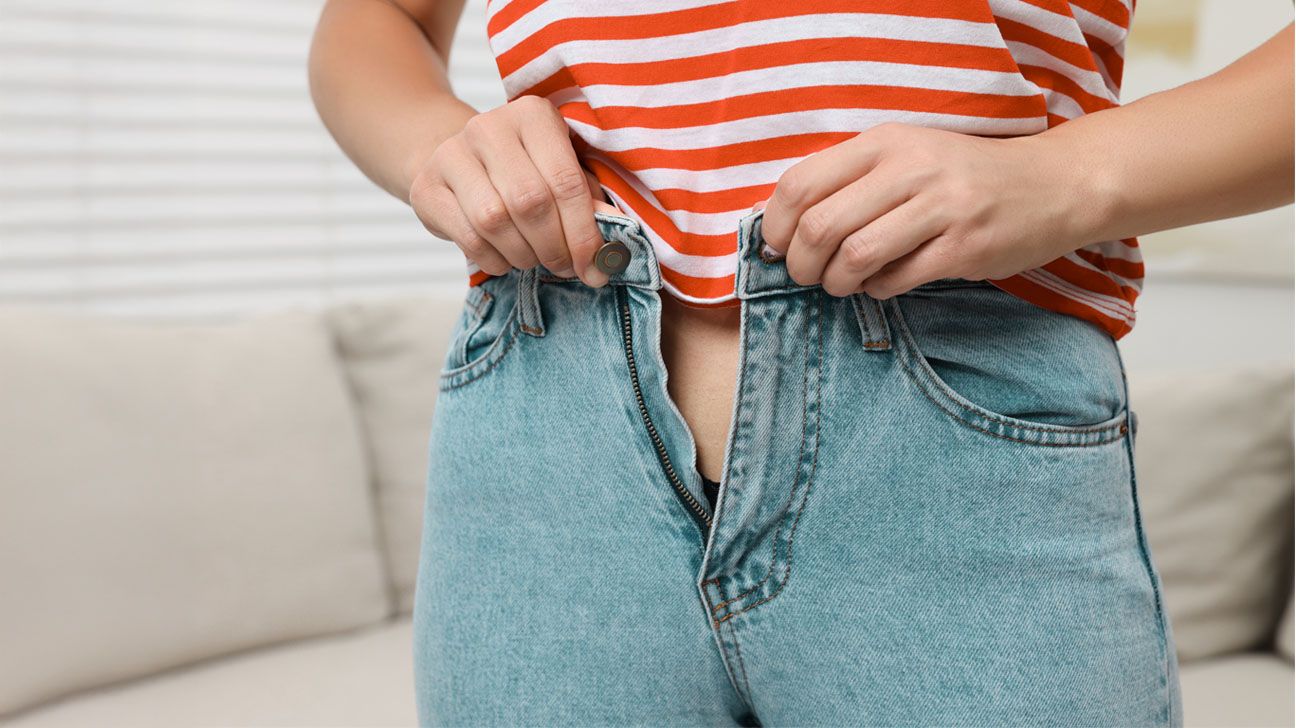
Female buttons up jeans over waist
Anecdotal reports of “Ozempic vulva” include unusual vaginal changes as a possible side effect of GLP-1 drugs. Liudmila Chernetska/Getty Images
  • Women are reporting what’s been coined as “Ozempic vulva,” an unexpected side effect of Ozempic and other GLP-1 drugs.
  • Ozempic vulva is characterized by sagging skin, vaginal dryness, and weaker pelvic muscles.ย 
  • Experts say sagging skin is likely a side effect of rapid weight loss, rather than the weight loss drug itself.
  • Pelvic floor physical therapy, vaginal lubricants, and topical estrogen may help with symptom management.

Ozempic and other GLP-1 medications are fast becoming household names for their role in weight loss. Their side effects are making headlines, too.ย 

Alongside well-known side effects like nausea, constipation, and stomach pain, some users are reporting a more unexpected concern: โ€œOzempic vulva.โ€ย 

Online, females are sharing changes theyโ€™ve noticed since they started taking GLP-1 injections, including sagging skin, vaginal dryness, weaker pelvic muscles, and, in some cases, increased discharge.ย 

“Iโ€™ve lost 20 kg or 44 lbs. Iโ€™ve been really lucky, and I have no noticeable sagging skin in my tummy or my arms/legs. Then I went to the gyno today cause I was experiencing pain when biking and sitting for long periods,โ€ one woman shared on Reddit.ย 

โ€œTurns out Iโ€™ve lost all my fat pads in my vulva! She told me my vulva is saggy and I will continue to experience pain when biking/sitting,โ€ she continued. 

While vaginal changes arenโ€™t a listed side effect of GLP-1 medications, experts suggest that rapid weight loss and the loss of fat pads that support vulvar tissue may play a role in these symptoms.ย 

Is ‘Ozempic vulva’ a real side effect of GLP-1 drugs? 

โ€œOzempic vulva is not a medical term, nor is it a direct side effect of GLP-1 medications,โ€ Prabha Sivaraman, consultant obstetrician-gynecologist at Manchester Deansgate Clinic, United Kingdom, told Healthline.ย 

โ€œWhat women are noticing is actually the impact of rapid weight loss on soft tissues. The medication itself does not act on the vulva, vagina, or pelvic floor, and the changes are really byproducts of body composition shifting quickly.โ€

When rapid weight loss occurs, fat pads in the vulva can shrink. This may be particularly noticeable in the mons pubis and labia majora, which provide volume and shape.

“If skin elasticity and connective tissue donโ€™t adapt at the same pace, the result can be a looser or less supported appearance,โ€ Sivaraman explained.ย 

โ€œItโ€™s essentially the same mechanism we see elsewhere in the body. When weight drops rapidly, the skin and tissues sometimes lag behind.โ€

Daniel Atkinson, a general practitioner and clinical lead at Treated, United Kingdom, told Healthine that itโ€™s important to remember weight loss looks different on everyone. 

โ€œPeople have little control about which parts of their body are affected,โ€ he pointed out.

โ€œThe vulva contains fatty tissue, so its appearance and elasticity could potentially change when someone loses weight, in the same way certain other areas of the body might look and feel different.โ€ 

Other symptoms include vaginal dryness, muscle weakness 

Sagging skin isnโ€™t the only reported side effect of GLP-1 medications. Some women also report experiencing vaginal dryness and muscle weakness. 

Sivaraman said neither dryness nor pelvic muscle weakness is caused by GLP-1 medication itself.

โ€œVaginal dryness is almost always hormonal and could be due to menopause or contraceptives,โ€ she explained.ย 

Muscle weakness, including in the pelvic floor, can occur if weight loss is accompanied by loss of lean muscle mass. 

โ€œWithout resistance training and adequate nutrition, some muscle strength is inevitably lost. These are consequences of rapid weight and body composition changes, not of the drug directly,โ€ Sivaraman said.ย 

Should you be concerned about sagging skin? 

If youโ€™re experiencing any of these side effects, when are they a cause for concern? 

Atkinson said itโ€™s a good idea to start with a visual check. 

โ€œItโ€™s worth considering these changes might occur for other reasons too, such as hormonal changes, other medications, or even genetics,โ€ he shared. 

โ€œHowever, if you experience vaginal irritation and discomfort you think is happening because of your treatment, you should speak to your prescriber right away.โ€ 

Cosmetic differences like sagging skin aside, Sivaraman said there are other changes to be mindful of. 

โ€œConcern arises if new symptoms develop, such as urinary leakage, pelvic heaviness, bulging, or painful dryness. 

โ€œThose symptoms may point to pelvic floor issues or hormonal changes, and they are worth seeking medical advice about because effective treatments are available,โ€ she explained. 

Treatments and therapies for ‘Ozempic vulva’

If youโ€™ve experienced rapid weight loss and are navigating vaginal changes, some treatment options are available.

โ€œSurgery is not the first line of management and should be considered only if symptoms are severe or persistent,โ€ Sivaraman advised. 

There are many supportive measures, many of which you can try at home.ย 

โ€œPelvic floor physiotherapy and exercises such as Kegels strengthen support and reduce symptoms of laxity,โ€ said Sivaraman.ย 

โ€œMeanwhile, vaginal moisturizers and lubricants help with dryness, and topical estrogen is highly effective in postmenopausal women if suitable.โ€ย 

Adjusting your approach to weight loss may prove useful, too. โ€œMaintaining gradual, well-paced weight loss and incorporating resistance training protects tissues and muscle tone,โ€ Sivaraman noted.

If your discomfort persists, your clinician can offer advice on how to manage it and help you determine if your weight loss treatment is the cause.ย 

Sivaraman said these changes are not unique to GLP-1 medications like Ozempic. 

โ€œAny method of significant weight loss, whether through bariatric surgery, strict dieting, or medication, can cause them,โ€ she explained.ย 

โ€œWhat makes the difference is the speed and scale of weight loss. Rapid, large reductions make changes more noticeable, while gradual weight loss gives tissues more opportunity to adapt.โ€

What Is โ€˜Ozempic Vulvaโ€™ and Is It a Real Side Effect of GLP-1 Drugs? Read More ยป

FDA OKs First-Ever Glucose Monitoring System for Weight Loss: What to Know

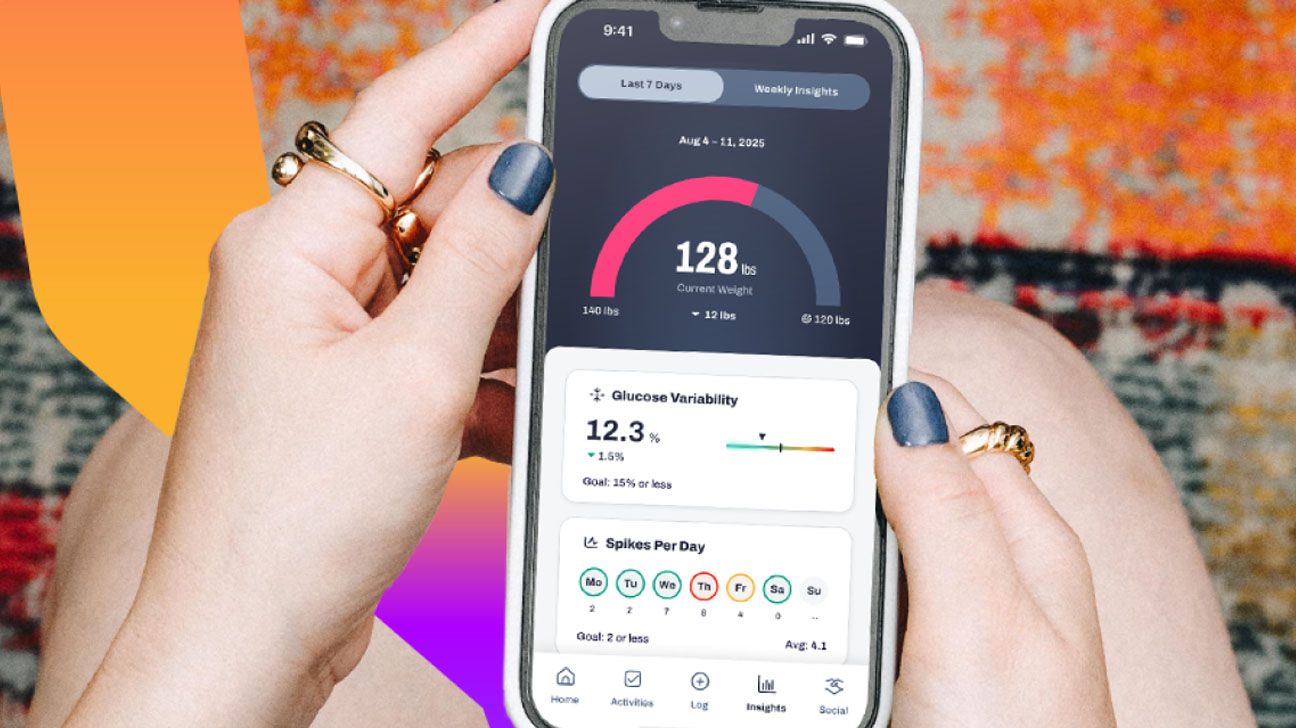
Signos glucose monitoring app
The Signos system can be used alone, in combination with, or after GLP-1 drugs or bariatric surgery. Photography courtesy of Signos
  • The FDA cleared the first glucose monitoring system specifically designed for weight management, from startup Signos, providing a new option for maintaining a healthy weight.
  • The system uses a continuous glucose monitor, or CGM, which sends real-time data to an app. This is coupled with an AI platform to provide personalized lifestyle recommendations for weight management.
  • The system, which requires a monthly membership, can be used alone or with or after weight loss treatments such as GLP-1 drugs or bariatric surgery.

This week, the Food and Drug Administration (FDA) cleared the first glucose monitoring system specifically designed for weight management, from California-based start-up Signos, providing Americans with a new option for maintaining a healthy weight.

The system uses a glucose biosensor from Dexcom that tracks blood glucose 24/7 to reveal how food, exercise and sleep can impact glucose levels. This is paired with an AI platform to transform real-time data into personalized, lifestyle recommendations for managing weight.

โ€œSignos shows you how your body utilizes glucose as a fuel source and helps you keep an eye on your overall metabolism by spotting patterns that make weight management difficult,โ€ Sharam Fouladgar-Mercer, CEO and co-founder of Signos, told Healthline.

Glucose monitoring available to everyone

The Signos system has been โ€œclearedโ€ by the FDA, which is different from being โ€œapproved.โ€ When a device is cleared, the manufacturer has shown that it is โ€œsubstantially equivalentโ€ to a legally marketed device โ€” meaning it is as safe and effective, and works in the same way.

FDA approval is a stricter designation required for prescription medications, over-the-counter medications, vaccines, and Class III medical devices such as those that are implanted in the body or have the potential to cause significant injury or illness.

Other treatment options for losing weight are generally limited to people above a certain body mass index (BMI) or who are overweight and have other health conditions. These include GLP-1 receptor agonists such as Wegovy and Zepbound and surgical options like bariatric surgery. However, anyone can purchase a Signos membership to access its system.ย 

โ€œEveryone deserves access to insights that help them live healthier, longer, more vibrant lives. Signos isn’t just about data; it’s about giving people ownership over their health and weight journeys in a way never before seen,โ€ Fouladgar-Mercer said in a press release.

Obesity costs the U.S. healthcare system almost $173 billion a year, according to the Centers for Disease Control and Prevention (CDC). Almost three-quarters of Americans are overweight, which includes those with obesity, CDC data shows.

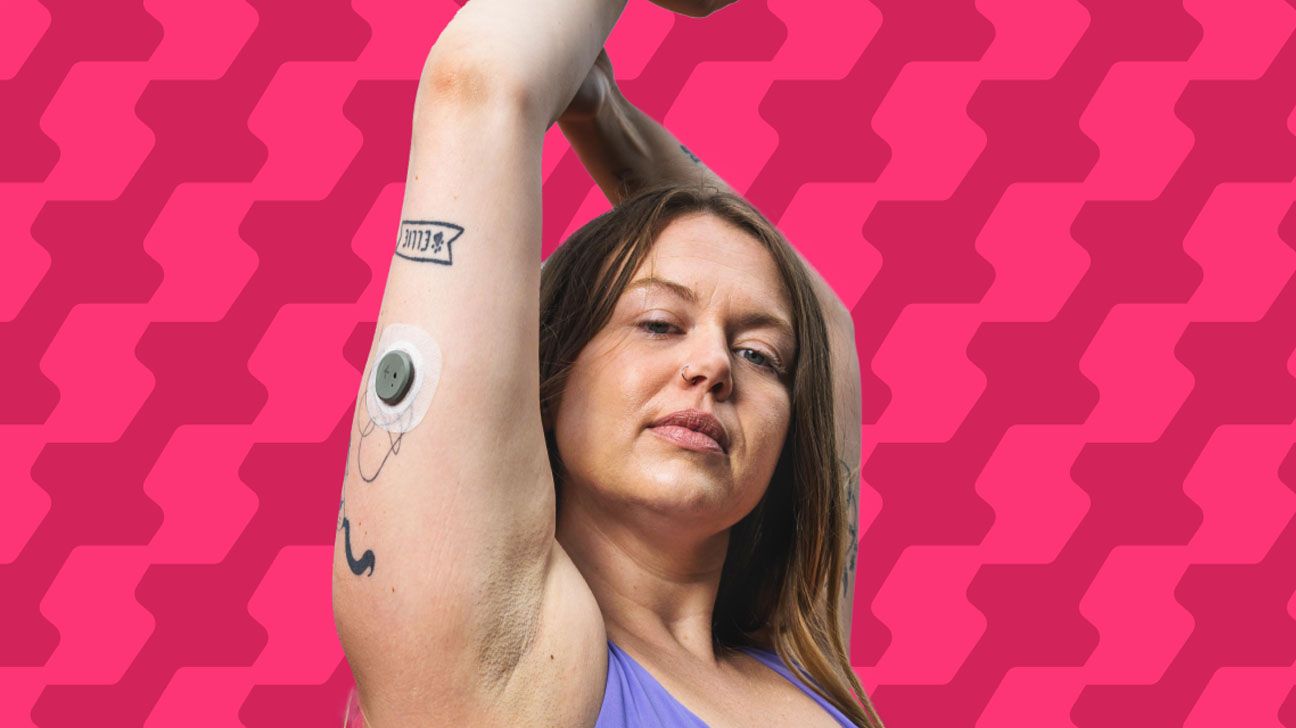
Signos glucose monitoring system pictured on the back of female's arm
The Signos glucose monitoring system uses a glucose biosensor that tracks blood glucose 24/7. Photography courtesy of Signos

System supports other weight loss treatments

Customers who sign up for the Signos system can choose a three-month plan for $139 or a six-month plan for $129.

Health insurance companies donโ€™t currently cover the system for weight management, but Signos says it is working with insurers to get coverage.

The Signos system can be used alone, in combination with, or after GLP-1 drugs or bariatric surgery.

โ€Signos is designed to help you on your weight journey, regardless of where you are in it,โ€ Fouladgar-Mercer told Healthline. โ€œIf you are being treated with different options, having that knowledge [about your glucose levels] is powerful in many ways, including maintaining that weight loss.โ€

The Dexcom biosensor is placed on the upper arm, and data is wirelessly sent to Signosโ€™ app. The app also allows people to log their food intake, physical activity, and other information that the AI platform uses to make personalized recommendations.

In addition to assisting people in losing weight, the Signos system helps people understand how their bodies respond to meals, exercise, sleep and stress, which can encourage them to make behavioral changes that improve their overall health.

โ€œWith Signos, people form habits that stick for life,โ€ Fouladgar-Mercer said. โ€œDiets are generally tough to sustain, and then thereโ€™s often the rebound effect. Knowing what works for you is critical for maintaining the healthy weight you worked so hard to achieve, and our member feedback says that approach is the most effective.โ€

Benefits of glucose monitoring

Paunel Vukasinov, MD, an internist and obesity medicine specialist with Medical Offices of Manhattan and a contributor to LabFinder, told Healthline that using a continuous glucose monitor (CGM) can help patients become aware of the impact that food has on their glucose levels.

โ€œMany patients change what they eat once they see how certain foods affect their glucose,โ€ he said, โ€œand they say the tool helps them make healthier choices overall.โ€

However, โ€œfor people without glucose issues, CGMs may add little benefit beyond what general healthy eating advice provides,โ€ he cautioned. So โ€œthe data should always be interpreted with a trained healthcare professional for optimal results.โ€

Some research suggests that continuous glucose monitoring can motivate people to change their behaviors, although larger, more rigorous studies are needed.

One small study looked at sedentary individuals with overweight or obesity. People received one-on-one counseling to learn how physical activity affects blood glucose levels. They then used a CGM or an activity tracker for 10 days. Afterward, both groups reported being more motivated to exercise.

Fouladgar-Mercer said the company plans to publish data in the future around the effectiveness of their system for weight management.

โ€œThat said, all of our data, as well as a plethora of other research, has shown that managing glucose is critical to managing your weight,โ€ he said. โ€œIt’s fundamental. And Signos is [currently] the only system that focuses on that aspect.โ€

FDA OKs First-Ever Glucose Monitoring System for Weight Loss: What to Know Read More ยป

Menopause is a transformative phase in a woman’s life, marked by significant…

Content source – www.soundhealthandlastingwealth.com

Read More ยป

New Hypertension Guidelines Emphasize Earlier Treatment, Avoiding Alcohol

Female doctor checks older male's blood pressure
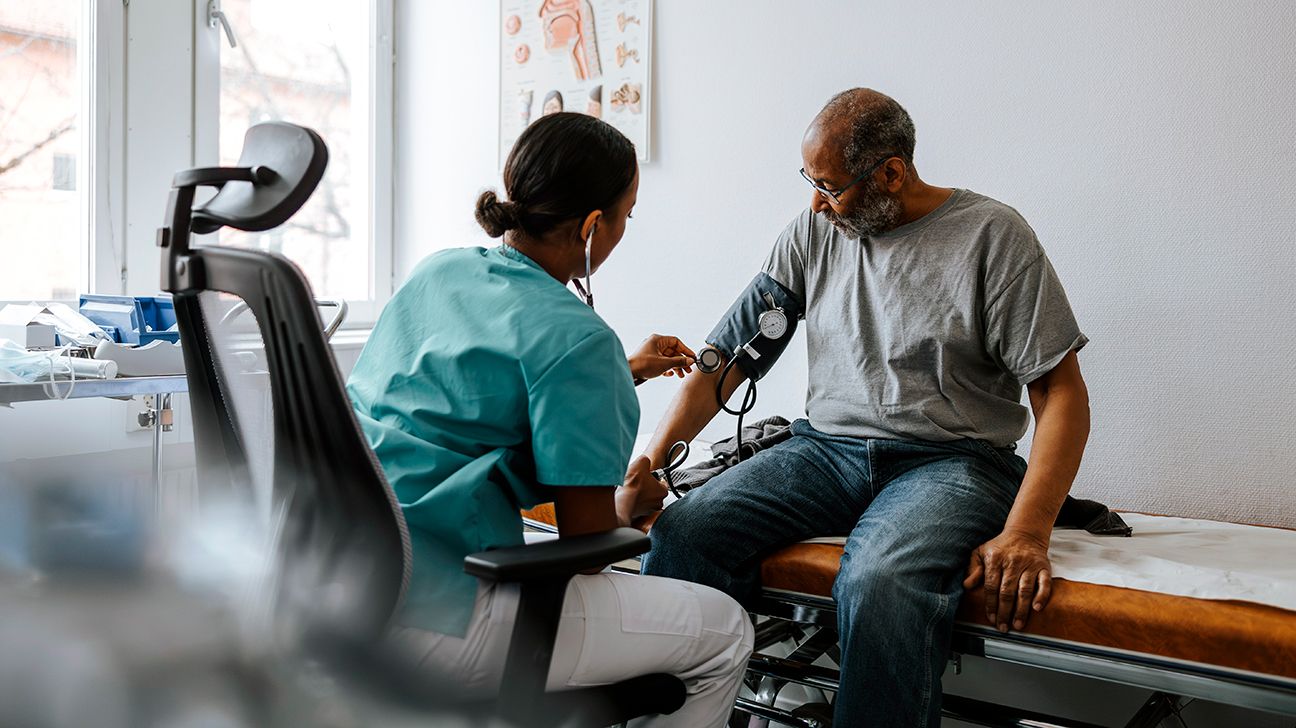
New blood pressure guidelines from the AHA recommend starting treatment earlier and abstaining from alcohol. Maskot/Getty Images
  • New blood pressure guidelines from the American Heart Association (AHA) reaffirm earlier recommendations and include some key changes.
  • The new guidelines recommend earlier treatment for high blood pressure and abstaining from alcohol.
  • They also emphasize the dangers of hypertension during and after pregnancy.

New blood pressure guidelines issued by the American Heart Association (AHA) and American College of Cardiology call for earlier treatment, abstaining from alcohol, and greater attention to blood pressure during pregnancy, among other changes.

High blood pressure or hypertension is the most prevalent modifiable risk factor for the development of cardiovascular disease.

Hypertension affects about half of U.S. adults, putting them at greater risk of heart attack, stroke, and dementia. Despite being widespread, hypertension is typically asymptomatic and under-treated; only about one in four adults with high blood pressure has it under controlย 

The latest guidelines are largely unchanged from the 2017 version, published nearly a decade ago. The core recommendation remains intact: adults should achieve a blood pressure of less than 130/80 mm HG.

They also continue to emphasize the importance of diet, salt intake, and weight loss as modifiable lifestyle changes that can help achieve this goal.ย 

But there are also important changes and updates too, namely earlier and more aggressive treatment of hypertension. 

โ€œFor the vast majority of people, the advice provided in the 2017 guidelines still holds,” said Randall S. Stafford, MD, PhD, a professor of medicine and director of the Program on Prevention Outcomes and Practices at Stanford Medicine. Stafford was also a member of the AHAโ€™s hypertension guideline committee in 2017.

“These updated guidelines suggest more intensive treatment of high blood pressure in the presence of hypertension-related disease. The intensity of treatment is slightly greater for people with chronic kidney disease, coronary artery disease, diabetes, and a high risk of future cardiovascular events like stroke and heart attack,โ€ Stafford told Healthline.

Here are the main takeaways from the new guidelines, as well as actionable steps you can take to lower your blood pressure.

Earlier treatment for hypertension

The categories of blood pressure did not change this year, but when to seek treatment has. The stages of hypertension are classified as:

  • Normal: less than 120/80 mm/Hg
  • Elevated: 120โ€“129 / less than 80
  • Stage 1 Hypertension (High Blood Pressure): 130โ€“139 or 80โ€“89
  • Stage 2 Hypertension (High Blood Pressure): 140 or higher or 90 or higher
  • Severe Hypertension: higher than 180 and/or higher than 120
  • Hypertensive Emergency: higher than 180 and/or higher than 120

Earlier guidelines recommended treatment with lifestyle changes and medication for people with blood pressure readings above 140 mm Hg, classified as stage 2 hypertension. The new guidance lowers that threshold to include those with readings in the 130โ€“139 mm Hg range, or stage 1 hypertension.

Doctors are expected to start with lifestyle changes for three to six months. If blood pressure remains above target after that period, medication may be added.

Alongside this change, the guidelines also recommend the use of the PREVENT risk calculator, to help with early detection of cardiovascular disease. The calculator is โ€œthe first risk calculator that combines measures of cardiovascular, kidney, and metabolic healthโ€ to estimate cardiovascular disease risk and guide personalized treatment.

The authors also now emphasize the role of hypertension in the development of dementia later in life as part of this shift towards earlier treatment.

โ€œThere is now more clear and robust evidence that intensive lowering of blood pressure reduces the risk of cognitive decline and dementia,โ€ Daniel W. Jones, MD, FAHA, volunteer chair of the guideline writing committee and a past-president of the AHA (2007-2008), told Healthline.

Alcohol โ€” no safe amount for heart health

In another shift, the guidelines now recommend minimal — ideally zero — alcohol consumption.

โ€œThese new guidelines make clear that when it comes to alcohol consumption, less is more. In fact, the data that informs these guidelines suggest that eliminating alcohol intake altogether may have the most favorable impact on blood pressure, particularly for patients with existing hypertension,โ€ said Daniel Muรฑoz, MD, MPA, executive medical director of the Vanderbilt Heart & Vascular Institute, Vanderbilt University Medical Center. Muรฑoz wasn’t involved in the new guidelines.

For those who do choose to drink alcohol, the current recommendation is no more than two drinks per day for males and no more than one drink per day for females.

Despite this, Stafford noted that โ€œthere is no safe level of alcohol exposure.โ€

Reducing sodium is still key

Limiting dietary salt (sodium) consumption remains a pillar of hypertension prevention.

Although unchanged, the latest guidelines reinforce earlier recommendations of limiting sodium intake to less than 2,300 milligrams per day, with an ideal goal of just 1,500 mg (about ยพ of a teaspoon) per day.

โ€œThe new guidelines make clear the importance of moderating and limiting the amount of dietary sodium intake, given the clear linkage between excess sodium intake and high blood pressure,โ€ Muรฑoz said.

Although managing salt intake can be challenging, experts recommend a few simple tactics, such as:

Hypertension and pregnancy

If you are pregnant or plan to become pregnant, you need to โ€œknow your numbers.โ€ High blood pressure during pregnancy can lead to serious complications, including preeclampsia, stroke, kidney problems, and premature delivery.ย 

โ€œThe guidelines include important new recommendations for how to treat blood pressure during pregnancy, including an emphasis on the importance of monitoring blood pressure during the post-partum period. High blood pressure during or after pregnancy can endanger the health of the mother and can also impact the health of the child,โ€ Muรฑoz said.

โ€œThankfully, we know that effective treatments exist for controlling blood pressure during and after pregnancy,โ€ he added.

Modest weight loss can improve heart health

The Dietary Approaches to Stop Hypertension (DASH) diet is a standard recommendation for lowering blood pressure and improving heart health.

โ€œThe DASH diet is a well-proven tactic for blood pressure management. It is well-balanced and rich in nutrients, including from fruits, veggies, [and] whole grains. Itโ€™s also low in salt and low in saturated fats, all of which contributes to better cardiovascular health,โ€ said Muรฑoz.

Additionally, other lifestyle factors, including exercise and weight loss are important contributors to lowering blood pressure and greater overall cardiovascular health.

The guidelines recommend the standard target of 150 minutes per week of moderate exercise. They also highlight that even moderate weight loss of 5% body weight is enough to achieve health benefits and improve blood pressure.

โ€œExcess weight puts excess strain on the heart and excess load on our blood vessels. By losing weight, we reduce this strain and allow our cardiovascular system to operate at its best. Iโ€™ll also add that itโ€™s best to lose weight in safe, sustainable ways, especially through a healthy diet and regular exercise,โ€ Muรฑoz said.

The guidelines also acknowledge GLP-1 drugs and bariatric surgery as effective weight loss interventions that also aid in lowering blood pressure.

While there are no major overhauls of the general recommendations this year, the updates do provide timely, up-to-date information about the most important steps individuals can take to reach their blood pressure goals.

The guidelines are also a reminder that although high blood pressure is pervasive, it is also highly treatable.

โ€œIt is often referred to as ‘the silent killer‘ because there are no symptoms of high blood pressure for a lot of people. This latest information will help people to make wise and informed choices about reducing their risk of heart disease, stroke, dementia, and chronic kidney disease by managing their blood pressure through lifestyle therapy and medication, if appropriate,โ€ Jones said.

New Hypertension Guidelines Emphasize Earlier Treatment, Avoiding Alcohol Read More ยป

Sign In Sign Up
Sign In Sign Up
x

Chatbot

Scroll to Top