
In the battle against dementia, many people seek effective and accessible ways…
Content source – www.soundhealthandlastingwealth.com

In 2023, the Food and Drug Administration (FDA) approved the first over-the-counter (OTC) oral contraceptive pill, Opill, paving the way for improved birth control access without a prescription.
Opill is a progestin-only oral contraceptive that does not contain estrogen. The once-daily pill is 98% effective at preventing pregnancy when used exactly as directed and 91% effective with typical use.
This form of birth control works by thickening cervical mucus, preventing the sperm from reaching the egg. It may additionally stop the egg’s release from the ovary.
For the first time, a large study highlights the impact of Opill by examining whether access to an over-the-counter birth control option has improved since its FDA approval.
According to researchers at Oregon Health & Science University, there is good news: Opill reached many people who previously did not use any contraception or relied on less-effective methods.
The findings were more pronounced among underserved populations such as uninsured people, adolescents, and those living in rural areas. The results of this nationally representative study were published on August 18 in JAMA Network Open.
The research looked at nearly 1,000 people ages 15 to 45 in 49 states who received oral contraceptive pills between April 2024 and February 2025.
About one-third of this group purchased over-the-counter birth control through either a large pharmacy chain or through Opill’s online retailer. Two-thirds of subjects obtained a prescription from a healthcare professional.
Compared with prescription users, those who used OTC birth control pill were more likely to:
As the study authors note, these groups are more likely to face obstacles to obtaining a prescription for contraception.
Those who used OTC birth control were also more likely to have been pregnant or given birth before. They reported having sex more often but were less likely to have received contraceptive counseling in the past year.
Many were not using a current birth control method before obtaining the OTC birth control pill, or they relied on less effective methods like condoms or emergency contraception.
By contrast, prescription users were more likely to already be using highly effective methods
The biggest impact of expanded OTC birth control access, however, was in helping people start or upgrade their contraception:
In other words, people who might otherwise go without reliable contraception were much more likely to begin or improve their birth control use when the pill was available over-the-counter.
Carly Ross, MD, an OB-GYN and Winx Health advisor specializing in patient advocacy and accessibility, said that access to contraception is essential.
“With reproductive rights facing increasing restrictions, prevention is more important than ever,” she told Healthline. “We’re seeing women lose autonomy over their bodies while simultaneously facing reduced access to comprehensive reproductive care — with nearly 19 million women living in reproductive care deserts.”
Ross added that birth control is about more than just pregnancy prevention. “[It] gives women the power to plan their futures, their careers, and their families on their terms,” she said.
“When accurate information about our bodies is being erased from public websites and over a third of states don’t require medically accurate sex education, we’re setting people up to make uninformed decisions about their health,” she noted.
Increasing accessibility, whether that’s through OTC birth control pills or other types of reproductive healthcare, is crucial for empowering women in their healthcare choices, Ross said.
In addition to pregnancy prevention, hormonal contraception can also help with the management of certain chronic health conditions, including endometriosis.
If you’re interested in learning more about the best form of birth control to suit your needs, talk with your doctor.
If you make an informed decision that doesn’t require a prescription, OTC birth control is widely available at large chain pharmacies and big-box retailers.
Sadia Saeed, MD, a physician at Welzo, noted that many of these retailers provide online ordering for in-store pickup or delivery.
“In areas where local access is limited, reputable online pharmacies and telehealth services can ship directly to your home,” Saeed told Healthline.
If you do go this route, however, Saeed cautioned that you should ensure you’re obtaining OTC birth control from a licensed retailer that carries only FDA-approved products.
You can also ask your pharmacist before you make your purchase. Even though these medications are OTC, a pharmacist can still provide invaluable information, Saeed said.
“They can guide you on correct usage, potential side effects, and interactions with other medications, ensuring both safety and effectiveness,” she explained.
The FDA’s approval of Opill as the first over-the-counter birth control pill marked a turning point in contraceptive access in the United States.
As new research shows, the impact of OTC birth control availability is reaching those who need it most — uninsured individuals, young people, and those living in rural or underserved areas.
For many, OTC birth control provides an opportunity to use reliable contraception or switch from less effective methods.
Experts emphasize that access to birth control is not only about preventing pregnancy but also about supporting people’s ability to make decisions about their futures, families, and health on their own terms.
As Opill becomes more widely available, it may help close gaps in access and give more people the freedom to choose safe, effective contraception.
Over-the-Counter Birth Control Led to Dramatic Rise in Contraceptive Access Read More »

Late nights and a few drinks might be disrupting your sleep more than you think.
A large international study led by researchers at Flinders University has found that symptoms of obstructive sleep apnea (OSA) — a common sleep disorder that may slow or stop breathing — may tend to worsen on weekends.
Researchers coined the term “social apnea” to describe the weekend increase in symptoms, which appear driven by lifestyle habits such as staying up late, sleeping in, and drinking alcohol. Adherence to OSA therapies like CPAP machines may also be less consistent on weekends.
The team analyzed data from over 70,000 people worldwide and found participants were 18% more likely to have moderate to severe OSA on weekends (Saturdays) than mid-week (Wednesdays).
Sleeping an extra 45 minutes or more on weekends increased the risk of worse sleep apnea by 47%.
“Biologically, these habits can relax the muscles in the throat, push sleep into early-morning REM stages (when OSA is often more severe), and throw the body clock out of sync,” Heather Darwall-Smith, a psychotherapist specializing in sleep, who wasn’t involved in the study. told Healthline.
Sleep specialist Lindsey Hanna said symptoms of “social apnea” could develop even in those who don’t have obstructive sleep apnea.
“We often call it ‘social jetlag,’” she told Healthline. “Your body clock thrives on predictability, and when you shift your schedule by several hours on the weekend, your sleep becomes lighter and more fragmented.”
“Even without OSA, people often notice Monday morning grogginess, cravings for sugary foods, and reduced focus. You don’t need a diagnosis of OSA to feel the impact because your circadian system always notices when routines are off,” Hanna continued.
Certain individuals may be more susceptible to sleep-related disruptions than others.
“The research found the effect was stronger in men and in adults under 60, but anyone who lives with big swings between weekdays and weekends is likely to notice it,” Hanna said.
“Shift workers, parents of young children, or anyone juggling late nights with early starts are especially vulnerable to weekend-related sleep disruption,” she added.
Long-term poor sleep — even if it’s only on weekends — can take a toll on physical and mental health.
“Even without diagnosed OSA (bear in mind it is massively under-diagnosed), irregular weekend routines can fragment sleep, reduce deep and REM stages, and leave you feeling less rested,” Darwall-Smith said.
“It can also disrupt hormone balance, including leptin and ghrelin. This can lead to increased appetite, food cravings, and gradual weight gain, which in turn can raise OSA risk.”
Late nights and increased alcohol consumption can also impact body weight and appetite hormones.
“Eating large, late meals can disrupt digestion overnight and, over time, contribute to weight gain,” Darwall-Smith explained.
“This is important because extra weight around the neck and upper airway increases OSA risk, while disrupted sleep alters hormones like leptin (which signals fullness) and ghrelin (which triggers hunger), making it harder to maintain a healthy weight.”
Darwall-Smith said these factors can affect mood, focus, and emotional regulation, which may influence a person’s behaviors in relationships, at work, and in daily life.
“Beyond the medical side, disrupted sleep also affects patience, communication, and emotional availability,” she explained.
If you’re concerned you’re not getting enough quality sleep on the weekends, experts say it’s important to maintain a consistent wake-up time, even on weekends.
“Even if you go to bed later, try not to sleep in too much the next day as that can trigger social jetlag,” Darwall-Smith advised.
For those nights when you don’t get enough quality shut-eye, Hanna recommended short daytime naps, of 30 minutes or less, “rather than prolonged morning sleep to repay sleep debt.”
If you’re consuming alcohol, Darwall-Smith noted it’s a good idea to alternate drinks with a nonalcoholic beverage.
“For every alcoholic drink, have a glass of water; this reduces dehydration and may lessen airway relaxation,” she explained.
What and when you eat can impact your sleep quality as well.
“Aim to finish large or heavy meals at least two to three hours before bed to aid digestion and reduce night-time reflux, which can worsen breathing disruptions,” Darwall-Smith advised.
You should also carve out time for restful activities on the weekend. For example, Darwall-Smith recommended adding recovery time to your weekend schedule.
“Plan lighter activities the morning after a big night, so you’re not overloading yourself when you’re already short on restorative sleep,” she said.
“What I like about the ‘social apnea’ concept is that it reminds us that sleep health isn’t just a medical issue, it’s relational,” Darwall-Smith said.
“It affects how we feel, think, and interact, and, fortunately, small changes in weekend habits can protect not only your health but also the quality of your time with loved ones.”
Weekend Habits May Worsen Symptoms of Obstructive Sleep Apnea Read More »
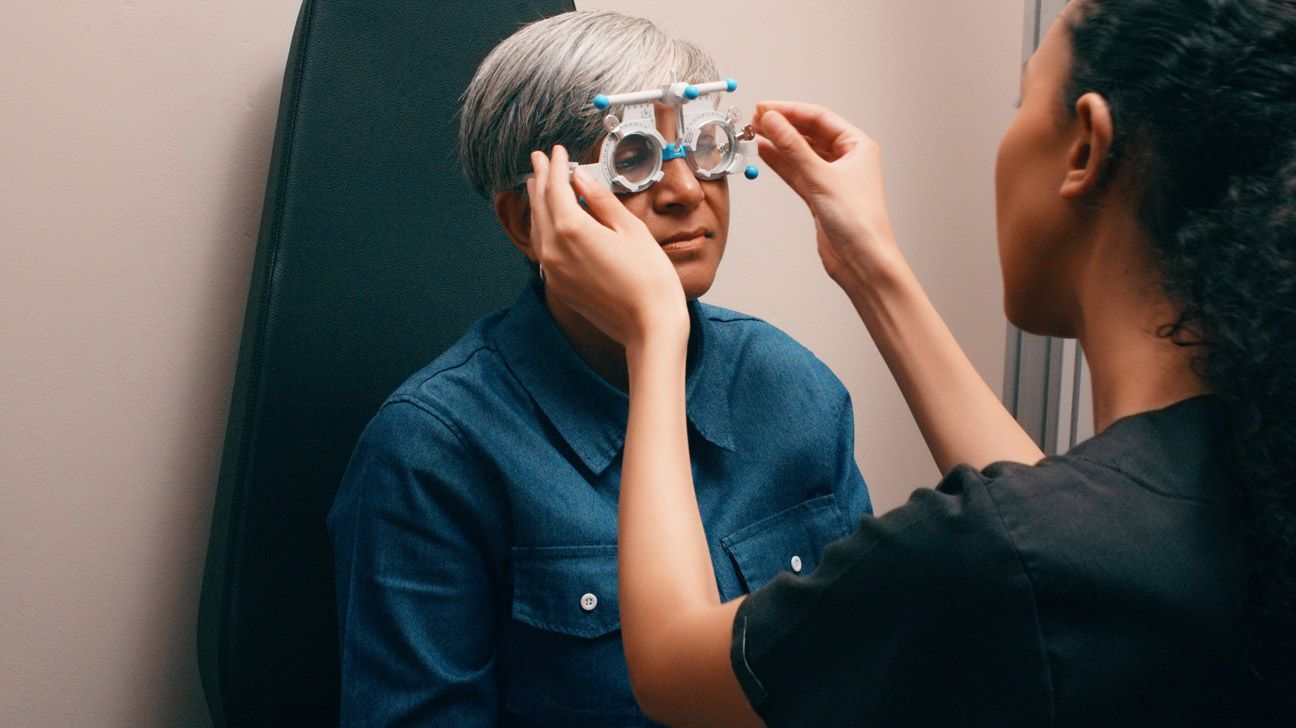
The debate over whether GLP-1 medications raise the risk of eye conditions that could lead to vision loss continues.
Scientists have been closely studying this association as more people turn to these widely prescribed drugs for weight management.
Some studies have suggested a link, but the overall evidence has been inconsistent. However, when a potential side effect becomes as serious as vision loss or blindness, even a remote possibility is worth investigating.
GLP-1 drugs are a class of medications used to treat obesity and type 2 diabetes that include semaglutide (Ozempic, Wegovy) and tirzepatide (Mounjaro, Zepbound). They work by mimicking naturally occurring hormones that help regulate blood sugar, promote satiety, and reduce appetite.
While GLP-1s are generally well tolerated and offer numerous health benefits — from weight loss and better glucose control to a lower risk of cardiovascular disease — research suggests they could increase the risk of certain serious eye conditions.
Previous research has linked GLP-1 drugs to a sudden, vision-threatening condition called nonarteritic anterior ischemic optic neuropathy (NAION) and to “wet” age-related macular degeneration.
The risk of developing these conditions is relatively low. However, they are serious and should be factored into the risk–benefit discussion when considering GLP-1 therapy with a doctor.
As a flurry of new research offers a clearer picture of how GLP-1 drugs may affect eye health, Healthline spoke with experts to help break down the findings.
Three new studies investigated the link between GLP-1s and eye disease, but each employed distinct methods and arrived at different conclusions.
A new study compared the effects of semaglutide or tirzepatide with other antidiabetic medications — such as insulin and metformin — on optic nerve conditions, including NAION, in patients with type 2 diabetes.
The retrospective cohort study, published on August 11 in JAMA Network Open, included nearly 160,000 patients, evenly split into two groups: one taking GLP-1s and one taking other antidiabetic medications.
Over two years of follow-up, those taking a GLP-1 had higher rates of NAION and other optic nerve conditions than those in the comparison group.
There were 93 patients with other optic nerve disorders in the semaglutide or tirzepatide group, and 54 patients with these disorders in the comparison group. The study did not specify the types of other optic nerve disorders.
“Newer GLP-1RAs have lots of benefits. This study provides evidence of their potential risks. For each patient, the risk-benefit tradeoff critically depends on a patient’s clinical characteristics and their preferences and clinicians’ recommendations,” senior study author Rong Xu, PhD, professor and director of the Center for AI in Drug Discovery at Case Western Reserve University, told Healthline.
A separate retrospective study, also published in August in the same journal, reached a different conclusion.
In a large cohort of patients with type 2 diabetes, researchers found that GLP-1 use was not associated with a higher incidence of NAION but was linked to another eye condition: diabetic retinopathy.
During a two-year follow-up, 5,037 patients taking a GLP-1 developed diabetic retinopathy, compared with 4,938 who were not — a 7% increased risk.
In a twist, the study found that although there was a small increase in diabetic retinopathy, GLP-1 use appeared to protect against the condition’s progression and sight-threatening complications.
A subgroup of patients in the study had pre-existing diabetic retinopathy. Those who took a GLP-1 had a lower risk of complications, including progression to proliferative diabetic retinopathy, diabetic macular edema, vitreous hemorrhage, and neovascular glaucoma. They were also less likely to require medical, surgical, or laser treatments for their eyes.
Most notably, GLP-1 use was associated with a significantly lower incidence of blindness from any cause.
Another study — a meta-analysis and review of 78 trials involving more than 73,000 participants — concluded that semaglutide was associated with an increased incidence of NAION but emphasized that evidence for a causal link remains inconclusive.
The review, published on August 14 in JAMA Ophthalmology, found that semaglutide neither increased nor reduced the risk of eye disorders, including diabetic retinopathy.
It’s important to note that all three studies can only identify correlations and cannot establish that taking a GLP-1 causes these eye disorders.
Studies so far have also focused almost exclusively on patients with type 2 diabetes, so it’s unclear what effect GLP-1s have on eye conditions in individuals taking them for weight loss.
If you’re having trouble making sense of what these conflicting findings mean — especially if you already take a GLP-1 or are considering one — you’re not alone.
Here’s a quick summary on GLP-1s and various eye conditions, and what experts have to say about them:
NAION causes sudden blindness in one eye, usually after waking, that is caused by a lack of blood flow to the optic nerve. The condition is elusive, and not well understood. The condition is serious, but despite an apparent increased incidence among patients taking GLP-1s, the condition is still uncommon.
“NAION is rare in general,” said Xu. “For patients with high risk of developing NAION (e.g., those with diabetes, hypertension) who are taking GLP-1RAs, ophthalmologists may increase vigilance,” she said.
Linda Lam, MD, MBA, an ophthalmologist with Keck Medicine of USC, who wasn’t involved in the research, tells Healthline that it’s too early to make a “definitive connection” between NAION and GLP-1s.
“To make a correlation that GLP-1s cause NAION would be a big leap,” she said.
Diabetic retinopathy is a complication of type 1 and type 2 diabetes that may lead to vision loss. It is the most common cause of preventable blindness in the United States.
Though it may seem counterintuitive, antidiabetic medications that improve blood glucose may worsen this condition.
“It’s better to be cautious and protective with vision. So, if a patient has started on a GLP-1 and they already have some diabetic retinopathy, I would just have them come in sooner to see their eye care provider,” said Lam.
A recent study published in June found that patients with type 2 diabetes who took GLP-1s were more than twice as likely to develop wet AMD as those who did not.
Researchers also identified a dose response, meaning that the longer the patients took a GLP-1, the more likely they were to develop the condition.
However, there still needs to be more research to substantiate this link.
“We need to have a lot more studies before we can make these cause and effect determinations. But, anyone who has neovascular AMD and is on a GLP-1 needs to be monitored more closely,” said Lam.
The bottom line: GLP-1s have many health benefits, and while there is some evidence to support an association between them and serious eye conditions, that link should not be overstated, and must be considered within the greater context of your individual health.
Patients with diabetes should get regular eye exams, regardless of whether they are taking a GLP-1, but taking the medication may be one more reason to schedule an exam.
“GLP-1s have potentially good long-term effects for long-term health in patients with diabetes or obesity. But doctors should be much more cautious and aware of visual complications while they’re on these medications, especially when their glycemic numbers go down rapidly. The threshold for when to see your eye care provider or retina specialist should be lower,” Lam said.
Do GLP-1 Weight-Loss Drugs Cause Vision Loss? What to Know Read More »

A groundbreaking new oral medication for weight management has shown promising results in a recent large-scale clinical trial, offering hope to millions with obesity and related health issues.
Orforglipron, developed by Eli Lilly, is an investigational daily pill that mimics the effects of injectable GLP-1 receptor agonists, a class of drugs known to help with weight loss and blood sugar control.
In its pivotal Phase 3 ATTAIN-1 trial, which involved over 3,000 adults with obesity or overweight, orforglipron demonstrated significantly higher weight loss compared to a placebo.
Participants titrating up to the highest dose of 36 milligrams lost an average of 12.4% of their initial body weight (27.3 pounds) over the course of the 72-week study.
Lower doses (6 milligrams and 12 milligrams) also showed clinically significant weight reductions of 7.8% and 9.3%, respectively.
Beyond weight loss, orforglipron improved heart health markers while maintaining a safety profile similar to existing treatments. These improvements included lower levels of non-HDL cholesterol, triglycerides, and systolic blood pressure. At the highest dose, it also reduced high-sensitivity C-reactive protein (hsCRP) by 47.7%
With regulatory submissions planned by the end of 2025 and a global launch on the horizon, here is everything you need to know about the new weight loss pill from Eli Lilly.
Injectable glucon-like peptide-1 (GLP-1) medications have skyrocketed in popularity due to their clinically significant effects on weight loss and the management of certain health conditions.
This class of drugs, sometimes referred to as GLP-1 receptor agonists, includes Wegovy (semaglutide) and Zepbound (tirzepatide). Diabetes medications Ozempic and Mounjaro are often prescribed off-label for weight management.
Unlike injectable GLP-1 drugs, orforglipron is not a peptide. Peptides are naturally occurring short chains of amino acids whose synthetic versions have found applications in many areas, such as skin care, bodybuilding, and weight loss, due to their ability to trigger desirable effects in the human body.
While orforglipron is not a peptide, it can activate the glucagon-like peptide-1 receptor in the same way as GLP-1 medications.
“Orforglipron is a new kind of GLP-1 medication known as a small-molecule oral GLP-1 receptor agonist,” explained Rekha Kumar, MD, an obesity medicine specialist and head of medical affairs at Found.
This means orforglipron can be taken in pill form to achieve similar effects, including weight loss and other improvements in metabolic health, like better blood sugar control, lower blood pressure, and reduced cholesterol.
Once-daily oral versions of GLP-1 drugs could replace the need for once-weekly injections, but Eli Lilly isn’t the only drug manufacturer with a weight loss pill in the works.
Competitor Novo Nordisk’s weight loss pill has also produced meaningful weight loss results in clinical trials. The Food and Drug Administration (FDA) recently accepted Novo Nordisk’s application to produce its oral version of Wegovy.
While clinical trials for both drugmakers’ weight loss pills have yielded positive results for weight loss, experts say they may not always be as effective as injectable counterparts.
“That’s because orforglipron is a non-peptide, small-molecule pill, so it doesn’t bind to the GLP-1 receptor quite as strongly as injectable peptide medications, which mimic our body’s natural GLP-1 hormone,” Kumar explained.
“Even so, the results are still very good by any health standard, and for people who prefer a pill over an injection, it’s an effective alternative to help reach weight-care goals,” Kumar told Healthline.
Some people may prefer current injectable GLP-1 medications due to their potential for greater weight loss or the simplicity of weekly injections.
For others, the convenience of a once-daily pill like orforglipron might seem more appealing.
Kumar noted that many people might prefer a pill over needles, or not having to worry about refrigeration or structured rules about when to inject the medication.
According to Eli Lilly’s press release, orforglipron can be taken at any time of the day without restrictions on food and water intake.
“It’s a great option for people who want a simpler, needle-free treatment that fits easily into busy or unpredictable schedules — like parents, frequent travelers, or anyone who dislikes injections,” Kumar said.
There are also the dual factors of cost and availability.
Kumar said you can “expect manufacturing and storage to be easier and cheaper for a pill like this, so once someone starts, they’re less likely to face the shortages we saw after Wegovy and Zepbound launched.”
This could make orforglipron more accessible to many people, Kumar noted.
Meghan Garcia-Webb, MD, triple board certified in internal medicine, lifestyle medicine, and obesity medicine, and an internist at an academic medical center in Boston, noted that orforglipron has shown potentially mild to moderate gastrointestinal side effects.
These include nausea, vomiting, constipation, and diarrhea.
As Eli Lilly stated in a press release, this is consistent with the overall safety profile of other drugs in this class.
About 1 in 10 individuals at the highest tested dose dropped out of the study due to these adverse effects.
Importantly, Eli Lilly also stated that there were no observed signs of liver-related side effects.
“Overall it seems like a very promising alternative offering similar results to Wegovy with a similar side effect profile to current GLP-1 RA weight medications,” said Garcia-Webb.
Eli Lilly announced they’re planning to submit orforglipron to the FDA for weight loss this year. Garcia-Webb said this means the pill could be approved as early as 2026.
The drugmaker stated that Orforglipron’s positive Phase 3 ATTAIN-1 trial results have put it on track to submit to global regulatory agencies by the end of 2025.
They are also making substantial investments to meet anticipated demand at launch. This indicates that orforglipron could become available to consumers following regulatory approval.
However, Eli Lilly cautions about the risks and uncertainties in drug development. There are no guarantees that orforglipron will be approved or make it to market on the anticipated timeline.
In the meantime, Novo Nordisk’s weight loss pill could come to market sooner, but an exact timeline remains unclear.
Orforglipron: What to Know About Eli Lilly’s New Weight Loss Pill for Obesity Read More »
Oropouche virus disease is a lesser-known tropical infection that’s been spreading across Central and South America in recent years. If you’re planning to travel to the region, or are just curious about this emerging health concern, here’s everything you need to know.
What are the symptoms of Oropouche virus disease and how can you avoid it? Read More »
The so-called One Big Beautiful Bill Act (OBBBA), signed by President Donald Trump in early July, will impact virtually every health-related program in the United States.
The bill, officially known as House Resolution 1, is expected to reduce federal spending on health-related programs by $1 trillion between now and 2034.
It’s estimated that those cuts will cause at least 10 million people to lose health insurance coverage during the next nine years.
It calls for a reduction in funding for food assistance programs and rural hospitals, as well as reduced funding for Planned Parenthood services, which have been temporarily blocked by a federal judge.
Some of these impacts will take years to be felt. Other provisions, however, could directly affect people’s lives in the next year or two.
”It is the biggest cut to our social safety net in history,” Liz Fowler, PhD, a distinguished scholar in Health Policy and Management at the Bloomberg School of Public Health at Johns Hopkins University in Maryland, said in a news release from the college.
Here’s a look at six key areas affected by spending reductions outlined in President Trump’s “Big Beautiful Bill.”
Federal funding for Medicaid is expected to be reduced by more than $790 billion over the next decade.
More than 70 million people currently receive Medicaid benefits, but various factors could significantly reduce this estimate.
The cuts may also affect hospitals, as Medicaid is responsible for 20% of revenue at these medical facilities nationwide.
Experts also point out that people who are no longer on Medicaid will not seek preventive care and end up in hospital emergency rooms due to more serious medical issues.
“Cutting Medicaid means millions lose access to basic care, leading to sicker patients, overwhelmed ERs, and rising costs for everyone,” said Kanwar Kelley, MD, a specialist in otolaryngology, head and neck surgery, obesity medicine, and lifestyle medicine as well as the co-founder and chief executive officer of Side Health.
“Lack of access to preventive care leads to a sicker population, which leads to more medical expenses,” Kelley told Healthline.
Medicare is a federal program founded in 1965 that provides health insurance coverage to people 65 years and older. About 66 million Americans are enrolled.
Trump’s bill does not directly mention Medicare cuts, but there are measures that could impact recipients.
Under a 2010 budget mechanism law known as PAYGO, the Congressional Budget Office estimates the Trump bill could trigger more than $500 billion in Medicare cuts between 2026 and 2034, KFF reports.
The Center for Medicare Advocacy notes the bill will also reduce the number of people eligible for Medicare. They say some non-citizens who meet Medicare eligibility requirements through work history or residency length will no longer be covered.
In addition, the bill imposes a nine-year ban on implementing improvements to Medicare Savings Programs that help lower-income Medicare beneficiaries pay for premiums and out-of-pocket costs.
Older adults who are enrolled in both Medicaid and Medicare could hit with a double impact.
“The [bill] will affect this [older] age range by reducing access to care,” Kelley said. “Creating restrictions based on work requirements and new regulations for exemptions will exclude many in this age group from qualifying. Those in this age range will have a harder time re-entering the workforce to continue their coverage.”
The bill will make it more difficult for people to join or remain in programs offered by the Affordable Care Act (ACA), also known as Obamacare.
This difficulty will be due to several changes. They include:
Some immigrants will also no longer be eligible for ACA coverage.
In addition, financial assistance that helps people afford insurance in ACA marketplaces will be allowed to expire at the end of this year.
The Bloomberg School of Public Health at Johns Hopkins University predicts these changes will cause ACA premiums to rise by 75% next year.
Kelley agrees that premiums will likely go up, causing a cascade of events.
“Removing or cutting these subsidies will lead to more expensive plans offered on the marketplace. By raising these prices, many will choose to live without health insurance and risk catastrophic medical debt,” he said. “Making access to healthcare harder for individuals creates gaps in care for patients, which is crucial in screening for life-altering illnesses.”
The bill does provide rural hospitals with $50 billion over the next five years to help reduce the effects from the cuts in Medicaid spending.
However, the Center for American Progress reports that funding will not be nearly enough to make up the difference.
The organization states that slightly more than 2,000 rural hospitals receive $12 billion per year in net revenue from Medicaid.
At some rural hospitals, Medicaid represents 40–50% of their revenue.
The organization added that children, non-elderly adults, and people with disabilities would be the people in rural areas most affected.
Kelley agreed that the effects could be far-reaching.
“This loss of funding will hit rural hospitals hard, leading to closures and increasing healthcare disparities in marginalized neighborhoods,” he said.
The Center for American Progress also notes that rural hospitals have low operating margins. They project that more than 300 rural hospitals could be at risk of closure.
“Rural communities already face challenges with adequate staffing and medically necessary equipment as they usually operate on tight margins with the subsidies,” Kelley said. “Reducing the number of providers will lead to closures, which forces those in the community to travel farther for their regular and emergency care.”
The bill would cut $120 billion from the Supplemental Nutrition Assistance Program (Supplemental Nutrition Assistance Program (SNAP) over the next decade, according to estimates.
About 40 million people currently receive assistance from the SNAP program. The League of Women Voters projects the cuts could impact 22 million families.
Kelley said the impact is beyond just food.
“Food insecurity leads to bad health outcomes,” he said. “Cutting programs directed at addressing hunger will lead to increased rates of obesity, diabetes, and poor nutrition in kids.”
“Hunger in children leads to poor educational outcomes. Cutting SNAP and other food programs will lead to children going to school hungry, seniors skipping meals, and families making decisions between food and other necessities, including health,” Kelley added.
The bill impacts Planned Parenthood operations by banning people from using Medicaid at healthcare non-profit facilities that provide abortion services outside of cases of rape, incest, or when the pregnant person’s life is in danger.
Planned Parenthood estimates that the new law could close nearly 200 of its facilities. About 60% of those centers are in medically underserved communities.
In addition, the organization states that more than 1 million people could lose access to afford healthcare services such as STI testing and birth control.
Miller Morris, MA, MPH, is a women’s health researcher and founder of Comma, a service focusing on menstrual health. She notes that a court injunction has temporarily blocked the bill’s ban on Medicaid use at reproductive health clinics like Planned Parenthood.
However, she said if the provisions are eventually upheld, they could have far-ranging effects.
“If the court’s injunction were to be lifted, the defunding of Planned Parenthood would mean fewer resources for all the preventative and primary care services they offer, leading to reduced access for millions of women, especially those in low-income and rural communities,” Morris told Healthline.
“This reduction in Medicaid funding will see catastrophic consequences for the millions of women who rely on Planned Parenthood and similar low-cost organizations for vital, life saving care,” she added.
“As Planned Parenthood is also a crucial provider of prenatal and pregnancy care, it’s clear that this isn’t about saving babies. It’s about exerting control over women,” Miller said.
6 Ways Trump’s ‘Big Beautiful Bill’ Could Limit Healthcare Access Read More »