Tai chi can help improve your health in multiple ways. MoMo Productions/Getty Images
A new study shows tai chi was more effective than aerobic exercise in lowering blood pressure among prehypertension patients.
Practicing tai chi helps reduce stress, boost mood, and promote heart health, all of which contribute to improving hypertension.
Aside from tai chi, additional ways to lower blood pressure include exercising regularly (walking or swimming) and eating a healthy diet rich in fruits, vegetables, and whole grains.
Aerobic exercise is known to help the heart and the cardiovascular system. But now a new study finds that the exercise of tai chi may be a better option for people looking to lower their blood pressure.
According to the new study, tai chi proved to be more effective than aerobic exercise in lowering blood pressure among patients with prehypertension.
A blood pressure reading is comprised of two numbers. The top number is the systolic pressure or the pressure in your arteries when your heart beats. The bottom number is the diastolic pressure or the pressure in your arteries when your heart rests between beats.
A normal blood pressure level is less than 120 systolic over less than 80 diastolic (less than 120/80 mm Hg).
Prehypertension blood pressure is defined in this study as a systolic reading between 120-129 mm Hg and a diastolic pressure of 80-89 mm Hg.
High blood pressure levels or hypertension would be a systolic reading of 140 mm Hg or higher and a diastolic reading of 90 mm Hg or higher.
People taking tai chi saw larger drop in blood pressure
Researchers analyzed 342 participants with prehypertension between the ages of 18 and 65. Participants were placed in two groups. One group performed four 60-minute sessions of tai chi each week for one year. The other group performed the same number and frequency of sessions for aerobic exercise. The duration of the study was 2 and a half years.
“The study’s strengths lie in its robust methodology, including its prospective, single-blinded randomized clinical trial design,” said Dr. Joseph Daibes, cardiologist at Northwell Lenox Hill Hospital. “Randomized controlled trials are considered the gold standard for assessing the effectiveness of interventions as they minimize bias and allow for causal inference. The inclusion of a large sample size and its 12-month duration further enhances the reliability of the findings, providing a comprehensive assessment of the long-term effects of tai chi and aerobic exercise on blood pressure management.”
At the end of one year, there was a significant change in systolic blood pressure for both groups but a bigger drop in the tai chi group.
The researchers found an average systolic blood pressure change of −7.01 mm Hg in the tai chi group vs −4.61 mm Hg in the aerobic exercise group.
Daibes continued: “The study’s findings indicating that tai chi was more effective than aerobic exercise in reducing [systolic blood pressure] among individuals with prehypertension offer valuable insights for healthcare providers and patients alike. Tai chi, as a mind-body exercise, may offer unique benefits beyond traditional aerobic activities, such as stress reduction, improved relaxation, and enhanced mental focus, which could contribute to its superior efficacy in lowering blood pressure.”
Tai chi can help with anxiety, depression, and sleep issues
Growing evidence demonstrates the mental and physical benefits of tai chi, which include reducing anxiety and depression, improving sleep and cognitive performance, and promoting heart health.
“Tai chi exercise is characterized by slow, purposeful movements,” Joe Petreycik, RN, and physiotherapist, Bridgeport Hospital, explained. “It involves meditative breathing, mindfulness, and imagery. With meditation and imagery accepted as effective stress reduction techniques which can lower blood pressure, it makes sense that tai chi exercise would have similar blood pressure lowering benefits.”
In short, tai chi seems to have an advantage when it comes to lowering blood pressure in people dealing with prehypertension. This exercise primarily focuses on the mind-body connection.
“The slow, deliberate movements combined with focused breathing create a serene environment that’s perfect for dialing down stress levels – a big win for blood pressure management,” said Daibes.
Also, tai chi is extremely gentle on the body, making it accessible to most people.
“It’s not like your typical high-intensity workouts; it’s more like a peaceful dance that’s good for the soul,” Daibes explained. “And the benefits don’t stop there – tai chi also works wonders for circulation and cardiovascular health, which are key players in keeping blood pressure in check. With its holistic approach to wellness, tackling both physical and mental well-being, tai chi is shaping up to be a game-changer for folks looking to get a handle on their blood pressure.”
The health benefits of tai chi
Tai chi can improve your health in numerous ways, according to Dr. John Higgins, professor and sports cardiologist with UTHealth Houston. These include:
Lowering stress and blood pressure
Improving muscle strength
Improving balance and flexibility
Improving joint health
Improving sleep quality
Increasing bone density
Boosting the immune system
Improved lung function
Reduced cardiovascular disease
“Tai chi can certainly be helpful in improving exercise tolerance, particularly in those with barriers to regular aerobic exercise,” Petreycik stated.
Its gentle yet disciplined movements help improve balance, flexibility, and joint health, making it a popular choice for people looking to stay agile and reduce stiffness, especially if they have arthritis or other joint issues, Daibes explained.
Plus, the focus on deep breathing and mindfulness makes tai chi a great stress reliever, helping you unwind and find inner peace, he added.
Top ways to lower blood pressure
Besides tai chi, there are several other effective ways to lower blood pressure.
“Regular exercise, such as brisk walking or swimming, along with a healthy diet rich in fruits, vegetables, and whole grains, can make a significant difference for reducing blood pressure,” said Daibes. “Managing weight, reducing sodium intake, limiting alcohol consumption, quitting smoking, and prioritizing quality sleep are also essential steps.”
Stress management techniques like deep breathing exercises and meditation can help, as can medication when necessary. It’s crucial to find the right combination of lifestyle changes and medical interventions with the guidance of a healthcare provider for optimal results, Daibes added.
Also, the value of aerobic exercise in lowering blood pressure should not be overlooked.
“Moderate intensity aerobic exercise is considered the gold standard for exercise-based treatment of high blood pressure,” Petreycik explained. “Because of the recommended guidelines of 150 minutes or more per week, this considerable time commitment may be difficult for many to adhere to.”
There is a growing body of evidence showing a dose-response relationship between exercise intensity and blood pressure. Simply put, as the exercise intensity increases, one can expect a lower resting systolic and diastolic blood pressure, he explained.
People who are physically capable and have approval from their physician “to participate in high intensity interval training (HIIT), there is potential for reductions in blood pressure similar to that with taking commonly prescribed blood pressure medications,” said Petreycik. “Adapting to the higher intensity aerobic exercise improves cardiorespiratory fitness which has been shown to address common comorbidities related to high blood pressure, such as diabetes and obesity.”
From a dietary perspective, the heart-healthy Mediterranean Diet can help lower blood pressure with its emphasis on a rich variety of plant-based foods, protein sources low in saturated fat and cholesterol, and inclusion of unsaturated fats such as nuts, seeds, and oils, Petreycik stated.
Adhering to recommended guidelines for sodium intake can also help lower blood pressure. For most people, this may be consuming less than 2,300 mg per day. For others with preexisting health conditions, their doctor may recommend as little as 1500 mg per day.
The combination of a heart-healthy diet and exercise regimen can assist with weight loss or weight management. Losing as little as 10lbs if you are considered overweight or obese can have a positive impact on lowering blood pressure, Petreycik added.
Takeaway
According to a recent study, tai chi was more effective compared to aerobic exercise in lowering blood pressure among prehypertension patients.
There are many health benefits of tai chi, which include decreasing stress, boosting mood, and promoting heart health, all of which can help with hypertension.
Other ways to lower blood pressure include working out on a regular basis and eating a healthy diet rich in fruits, vegetables, and whole grains.
A new report from the CDC shows that syphilis cases spiked in 2022 while the number of cases of other sexually transmitted infections were flat or decreased. Anchiy/Getty Images
A new report found that syphilis cases are the highest they’ve been since the 1950s.
The report reveals that cases of syphilis and congenital syphilis increased by 80% over the past five years.
Health experts say the spike in cases shows the need for improved public outreach and education efforts.
When the Centers for Disease Control and Prevention’s (CDC) 2022 STI Surveillance Report was released recently, one statistic stood out starkly — total syphilis cases were reported at their highest since 1950.
Among the more than 2.5 million cases of syphilis, gonorrhea, and chlamydia reported nationwide, the report shows that total 2022 syphilis cases stood at 207,255, a number that includes congenital syphilis, which is passed from pregnant mothers to their babies.
Experts say these findings underscore the need for improved public health outreach and education efforts around sexually transmitted infections (STIs) and address some of the intersecting factors that exacerbate health disparities among groups that are affected the most by conditions like syphilis.
What the CDC’s report reveals about national STI numbers
These 2022 figures are the latest and most complete data for national STI numbers. The report reveals that cases of syphilis and congenital syphilis increased by 80% over the past five years, with congenital syphilis cases increasing by 937% over the past decade.
While syphilis cases have climbed, chlamydia cases stood at 1,649,716 in 2022, showing a 6.2% decrease over five years (that number stood at 1,758,668 in 2018).
Gonorrhea numbers actually “declined for the first time in at least a decade,” according to the report. Those 2022 numbers stand at 648,056 reported cases, an 8.7% decrease since 2021, which saw 710,151 reported cases.
Zeroing in further on the national syphilis epidemic, primary and secondary syphilis cases grew by 10% in 2022 and by 68% since 2018.
In the report, Laura Bachmann, MD, MPH, chief medical officer, Division of STD Prevention at the CDC, writes that the growth in these numbers in women, in turn, feeds the rise in congenital syphilis cases. They saw an increase of 31% from 2021 to 2022.
She writes that almost every state in the country reported at least one congenital syphilis case, with Texas, California, Arizona, Florida, and Louisiana collectively comprising 57% of all reported congenital syphilis cases nationwide. Bachman writes that, in 2022, these congenital syphilis infections resulted in 282 stillbirths and infant deaths.
2022 figures highlight persisting racial and ethnic disparities
Bachman writes that “Black or African American, Hispanic and Latino, and white” groups showed the highest number of syphilis cases.
When it comes to congenital syphilis specifically, in every 155 births among Native American and Alaska Native people, there was one congenital syphilis case. Additionally, Black Americans experienced 30% of congenital syphilis cases.
Men who have sex with men are disproportionately affected by STIs, and the number shows common coinfection with HIV, with 36.4% of men who have sex with men with reported primary and secondary syphilis were also diagnosed with HIV.
That being said, the 2022 report points to what it references as a “heterosexual syphilis epidemic in the United States.” The national rate of primary and secondary syphilis among women rose by 19.2%, with men who have sex with women rising at the same time.
Some of the factors contributing to the syphilis epidemic
This is just a snapshot of the wide-ranging report.
When asked to put the findings in context — exactly whyare rates of STIs, like syphilis, are climbing in recent years — Bachmann told Healthline that a multitude of factors are at play here.
“The report doesn’t tell us why these STIs are increasing, but we know a wide range of factors can contribute to high levels of infections, and it’s going to take multiple solutions to turn the epidemic around,” she said.
She explained that reductions in STI screenings, treatment interventions, prevention efforts, “and partner services by health departments” have most likely contributed to national increases in STI numbers.
Additionally, she pointed to the rise in substance use nationwide, which goes hand in hand with “less safe sexual practices.”
“Syphilis and drug use are intersecting epidemics — with a substantial percentage of heterosexual syphilis transmission occurring among people who use drugs — particularly methamphetamine. We are also more than a decade into a national opioid crisis that is putting more people at risk for HIV, viral hepatitis, and STIs,” Bachmann said.
“And there continue to be social and economic conditions that make it more difficult for some groups to stay healthy. These include poverty, stigma, lack of medical insurance or a healthcare provider, unstable housing, and a higher burden of sexually transmitted infections in some communities,” Bachmann added.
Bachmann also pointed to the fact that condom use has decreased among some groups, like young Americans as well as gay and bisexual men.
“We must ensure that providers and prevention partners are equipping those no longer using condoms with the tools and information they need to protect themselves against other STIs,” she added. “And last, but not least, STIs continue to be stigmatized. This stigma can bury the truth that all people deserve quality sexual healthcare to live healthy lives. Stigma can also deter people and groups from taking action to prevent and treat STIs.”
The impact of congenital syphilis
The report shows that the application of timely testing and treatment during pregnancy could have prevented 88% of congenital syphilis cases in 2022.
Bachmann said the CDC has been “sounding the alarm about the devastating consequences of a rapidly accelerating STI epidemic for more than a decade.”
“We are calling on healthcare providers to urgently act to stop increases in congenital syphilis cases. Providers should consider starting syphilis treatment as soon as they receive the first positive test result — presumptive treatment — during pregnancy for patients who face greater obstacles to ongoing care,” she added.
She said that rapid syphilis testing and presumptive treatment could be applied in places like emergency departments, syringe service programs, in prisons, and in maternal and child health programs when a follow-up might be uncertain.
Bachmann added that in counties nationwide that have high syphilis rates, “screening should be offered to sexually active women and their partners, as well as people with other risk factors.”
There is also great opportunity for providers to collaborate with community health workers who are embedded on the ground with those most at risk. They can oftentimes help bridge some of the gaps in syphilis testing and treatment during pregnancy.
“CDC will continue to offer funding, training, guidance, and support to develop treatment guidance with the most up-to-date and effective syphilis screening and treatment options. We provide the only federal source of STD prevention funding for health departments to prevent, monitor, and rapidly detect and treat syphilis,” Bachmann said.
“We support healthcare providers through training, education, guidelines, tools, and resources, and we fund work integrating STD and substance use prevention and treatment services and maternal and child health case management services,” she added.
How to address the syphilis epidemic
In looking at the report, Kelly A. Johnson, MD, MPH, medical director for the California Prevention Training Center at UCSF, and a UCSF Infectious Diseases physician, told Healthline that social determinants of health play a major role “in vulnerability to syphilis and other STIs.”
“In California, for example, we see time and time again that lack of healthcare access, substance use, and housing instability are associated with syphilis, particularly in pregnancy. Factors such as stigma, poverty, structural racism, and discrimination are also at play, influencing the likelihood of syphilis transmission and acquisition within certain sexual networks,” Johnson explained.
She added that there are gaps in syphilis knowledge and awareness across the country that can lead to “missed opportunities” for proper screening, testing, and treatment interventions.
“Syphilis in adults and adolescents can be challenging to diagnose. This is largely because the infection is characterized by episodes or stages of active infection — during which time patients have symptoms — interspersed by periods of latent, or asymptomatic, infection. This means that patients who are completely well-appearing and report no symptoms at all can still be infected. These latent infections will not be identified unless providers know when asymptomatic screening is indicated,” Johnson said. “Even during symptomatic periods, syphilis has been called the ‘great masquerader’ for a reason. It can look like a lot of other things.”
Johnson explained that the symptoms are highly variable and “sometimes nonspecific.” This could include the presence of ulcers, sores, and rashes, to something a bit more subtle, like swollen lymph nodes, flu-like symptoms, hair loss, and neurological symptoms that can be confused for being caused by other conditions.
“Since syphilis was previously uncommon, we are now faced with a situation in which patients and providers alike may be unfamiliar with the signs and symptoms of infection, precluding diagnosis and treatment, allowing for ongoing transmission, and further compounding the problem of rising cases,” she said.
There is good news here — syphilis is easily treated, and congenital syphilis can be prevented entirely, she stressed. It goes back to raising awareness.
She also pointed to the disruptions caused by the COVID-19 pandemic. The health crisis hit public health STD control programs hard. Johnson said this meant staff, program funding, and resources were all redirected to other areas to address the pandemic.
“That said, the trends we are seeing in syphilis pre-dated COVID-19. So, while the viral pandemic did not help, I do not think it is solely to blame here,” Johnson said.
David Stein, the CEO and co-founder of at-home diagnostics and testing company Ash Wellness, told Healthline that these statistics echo what he’s been hearing from public health workers on the ground. Stein’s company offers a wide range of at-home testing, including tests for HIV and STI at large, working in partnership with some public health departments.
“It’s sad to get the confirmation of it [the rising syphilis rates], especially around congenital syphilis. If we tested more, we would catch it more, and we could treat it more and prevent it as far as passing it on to an infant,” he added.
Stein echoed Bachmann and Johnson in saying that education can play a big role.
He said that many people might not really be aware of how common and widespread these common STIs are and that they can not only be easily tested for, but treated. Stein explained that, while these infection rates climb, not enough resources and funding are making their way to accessible testing and prevention efforts.
“Public funding [for these programs] is being cut,” he said.
How to improve support for the groups and regions impacted the most
Bachmann said that “the biggest risk factor for syphilis” for many people is “where they live.”
“The reality is the rise in syphilis in the past several years means most of us live in areas that are now considered to have high rates among women of reproductive age. This means providers must seize on opportunities to address syphilis before pregnancy, by offering to screen more sexually active women and their partners on a regular basis and continuing to offer testing to people with other risk factors for syphilis,” Bachmann explained.
The disproportionate rates of syphilis in newborn babies are rooted deeply in “entrenched social factors that create greater obstacles to quality healthcare services,” she said.
This creates something of a negative domino effect. The health inequities this causes lead to higher syphilis rates in the communities and sexual networks affected the most.
Bachmann said the goal is to tailor prevention efforts “that include community-based patient navigators, case managers, and disease intervention specialists” who can directly address racial and ethnic disparities in congenital syphilis, for instance.
In speaking on the broader racial and ethnic disparities that feed into the nation’s syphilis epidemic and STI rates as a whole, Bachmann said that to see lasting progress, “we must understand the systems that create inequities and work with communities and partners to address them.”
In looking at the rising rates of syphilis among heterosexual Americans, Stein said there definitely is a blind spot in public health messaging in reaching these communities.
He said members of the LGBTQ+ community at large — particularly gay and bisexual men — have been the recipients of robust public health messaging around safe sex practices and STI awareness, all in the shadow of the HIV and AIDS crisis.
For these groups, it is relatively more common and acceptable to seek out screening, to go to clinics, and to seek out providers for sexual health information.
When it comes to the heterosexual community, he said there hasn’t been “the same understanding or appreciation of the tools we have out there.”
Stein pointed to the fact that this increase in STI rates among heterosexual people has been evidenced in other countries, but places with universal health systems, for instance, have more accessible and common testing, and they also “are a little bit ahead” of the U.S. in releasing that data, which might also make some of the figures from this report stand out so starkly.
While men who have sex with men historically have been impacted by syphilis disproportionately — they make up nearly half of the male primary and secondary syphilis cases in 2022. Johnson said it is important to emphasize that “the reality is that anyone having sex is at risk of acquiring syphilis, regardless of gender or sexual orientation.”
Other STI rates are remaining flat or declining
Outside of the rather bleak syphilis statistics, the fact that gonorrhea cases have declined for the first time in a decade, while chlamydia numbers remain level, offers some tentatively positive notes among the data, Johnson said.
“For chlamydia, we know that most cases are asymptomatic. This means that chlamydia case counts reported in surveillance data largely reflect whether people are being screened, aka, being checked for chlamydia as part of routine healthcare. We know, for example, that at the 2020 height of COVID-19, when many clinics were forced to pause preventive healthcare — including routine STI screening — there were significant decreases in reported chlamydia cases,” Johnson said.
“Now — although we are once again detecting more chlamydia cases in 2022 compared with 2020, reported chlamydia rates are still lower than they were in 2019. Unfortunately, this may reflect the fact that people are still not being screened for chlamydia at pre-pandemic levels, meaning that cases may still be occurring but going undetected and thus not reported,” Johnson said.
The gonorrhea declines might show some successful public health and clinical efforts to raise awareness to get diagnosed and tested, Johnson added.
“Still, if you zoom out, gonorrhea cases have increased by 11.1% since 2018 — and there were still around 648,000 cases in 2022 – meaning that this remains an important public health concern. I think the CDC will be looking very carefully at the 2023 data to better understand the trends we are seeing in gonorrhea,” she said.
Bachmann further contextualized those points. Since this is the first drop in reported gonorrhea cases in at least a decade, she explained that “the CDC is examining this finding closely and will be looking to final 2023 data to understand better if this signals a decline in infections and to understand better where, why, and among whom the decrease occurred with the hope we can expand on what’s working.”
STI resources currently available
For Stein, he sees at-home testing models like Ash Wellness as a positive move, but one that needs more support. He said his company’s collaboration with public health departments has revealed how effective it can be to make these types of resources available in regions hit hardest by STIs.
“I think there is an incredible opportunity that did not exist pre-COVID as far as the ability for patients to self-collect samples from home without the stigma, without the shame, without the inconvenience, without having to physically go to a lab or a health department or whatever it may be,” Stein said. “We just need more people to know about it and more of the decision-makers on the legislation level to appreciate it and put funding toward it.”
Johnson stressed that the average person should know that “STIs can happen to anyone who has sex” and that sexual healthcare should be a crucial component of one’s routine healthcare maintenance.
“While this can be difficult, the more you, your partner(s), and your healthcare providers feel comfortable discussing your sex practices and any recommended interventions, the better,” she said.
Johnson pointed to vaccines for hepatitis A, hepatitis B, HPV, mpox, and meningitis “that are indicated in certain populations to help protect against” STIs as important interventions. She also pointed to preventive tools like preexposure prophylaxis (PrEP), HIV postexposure prophylaxis for HIV prevention, and doxycycline postexposure prophylaxis (doxyPEP), for syphilis, chlamydia, and gonorrhea as effective medical tools for STI prevention.
Bachmann said it’s important to recognize that the “stigma associated with STIs buries the truth.”
“People should know, everyone deserves to live healthy lives, and they can take action to prevent and treat STIs. People can help keep themselves and their sexual partners protected from STIs by talking to their partner about STIs and considering what safe sex options are right for them, including using condoms and reducing the number of sex partners,” Bachmann added. “Getting tested for sexually transmitted infections, especially if you or your partner are pregnant or planning to get pregnant. And, ask a healthcare provider about how to prevent syphilis.”
Eating the Atlantic Diet was linked to better health outcomes in a new study. Hispanolistic/Getty Images
People who followed the Atlantic Diet, a traditional way of eating in Portugal and Spain, were less likely to develop metabolic syndrome after 6 months, a new study showed.
Metabolic syndrome is a group of five health risk factors that can lead to diabetes, heart disease, stroke. They include high blood sugar, high blood pressure, and large waist circumference.
The Atlantic Diet emphasizes seasonal, local, fresh, and minimally processed foods such as vegetables and fruit, fish and seafood, and olive oil.
People who followed the Atlantic Diet, a traditional way of eating in parts of Portugal and Spain, lowered their chances of developing metabolic syndrome, a new study showed.
Metabolic syndrome is a group of five risk factors that can lead to diabetes, heart disease, stroke, and other health problems. A person is diagnosed with metabolic syndrome if three or more of these factors are present:
“This study showed benefits of the [Atlantic Diet] for multiple aspects of health, such as cholesterol levels, blood pressure, blood sugar control, and obesity,” said Dr. Cheng-Han Chen, an interventional cardiologist and medical director of the Structural Heart Program at MemorialCare Saddleback Medical Center in Laguna Hills, Calif., who was not involved in the research.
“These results should not be surprising,” he told Healthline, “as the diet is very similar to the well-studied and beneficial Mediterranean diet.”
The Atlantic Diet, also known as the Southern European Atlantic Diet, is a traditional dietary pattern of northern Portugal and northwestern Spain.
It’s similar to the heart-healthy Mediterranean Diet, but the Atlantic Diet has unique aspects drawn from the way people traditionally eat in certain parts of Portugal and Spain.
“These types of dietary patterns (Atlantic and Mediterranean Diets) have the potential to reduce the risk of heart disease, diabetes, cancer, stroke and even cognitive decline such as dementia and Alzheimer’s disease, and improve [gastrointestinal] function and the gut microbiome,” said Tracy Crane, PhD, RDN, co-Leader of the Cancer Control Research Program of the Sylvester Comprehensive Cancer Center at the University of Miami Miller School of Medicine.
The Atlantic Diet emphasizes seasonal, local, fresh and minimally processed foods, including:
vegetables, fruits, cereals, whole grains and whole-grain bread, potatoes, nuts (in particular, chestnuts) and legumes
fish and seafoods
dairy products (mainly milk and cheese)
beef, pork, poultry, and wild game
olive oil
wine
Food preparation in this region involves simple cooking techniques such as boiling, grilling, baking, and stewing.
“The Atlantic Diet presents significant potential for enhancing health due to its emphasis on nutrient-dense foods and family-oriented eating habits,” said Michelle Routhenstein, MS, RD, a registered dietitian nutritionist who specializes in heart disease at EntirelyNourished.com.
“By prioritizing wholesome ingredients and traditional cooking methods such as stewing, this diet enhances the bioavailability of nutrients, ensuring that the body can better absorb and utilize them,” she told Healthline.
In particular, stewing is an excellent heart-healthy cooking method, she said, because it preserves nutrients and flavors, and minimizes the formation of advanced glycation end products.
These compounds are created when certain foods are cooked at high temperatures, as with grilling and frying. They are “associated with oxidative stress and inflammation, factors linked to cardiovascular diseases,” said Routhenstein, who was not involved in the new research.
How the study was conducted
The study, which took place from 2014 to 2015, involved over 200 families recruited from a primary health care center in a rural town in northwestern Spain.
Families were randomly assigned to follow either the Atlantic Diet (121 families, including 270 adults) or their usual diet (110 families, including 248 adults).
All participants were of Spanish ethnicity and Caucasian descent, the average age was 47 years old, and about 60% were female. Families had on average two to three members.
People following the Atlantic Diet attended three nutrition education sessions and received additional support such as a cooking class, a recipe book, and free food baskets with foods typical of the diet.
At the start of the study and after 6 months, researchers collected information from participants on what they ate (using a 3-day food diary), physical activity, medication use, and other factors.
Researchers measured metabolic variables at the primary healthcare center: waist circumference, triglyceride levels, HDL cholesterol levels, blood pressure, and fasting glucose levels.
Sticking to the Atlantic diet helped lower the risk of metabolic syndrome
More than 450 participants did not have metabolic syndrome at the start of the study. Of these, 3% of the people following the Atlantic Diet developed metabolic syndrome after 6 months, compared to 7% of those following their usual diet.
Overall, people following the Atlantic Diet saw improvements in waist circumference, obesity around the middle, and HDL cholesterol — but not in blood pressure, triglyceride levels or fasting glucose levels.
“[The results] show that adhering to this diet can lead to improvements in various risk factors associated with cardiovascular disease and metabolic syndrome,” said Routhenstein.
“The emphasis [in the Atlantic Diet] on consuming nutrient-dense foods can contribute to better weight management and reduced waist circumference, further lowering the risk of cardiovascular issues,” said Routhenstein.
In addition, 117 participants started off with metabolic syndrome. After 6 months, about one-third of people in both groups no longer met these criteria. This suggests that the Atlantic Diet mainly benefitted people who had not yet developed metabolic syndrome.
However, 6 months may not be enough to “properly assess metabolic changes,” the researchers wrote in the paper.
A longer-term study published in 2021 in BMC Medicine, though, found that older adults in Spain who followed the Atlantic Diet more closely were less likely to die from any cause over an average follow-up of 11 years.
Extra support for participants
The new study had several strengths, including the large number of people who completed the study. The participants also mainly had moderate socioeconomic and educational levels, which may make the results relevant to more people.
Researchers, though, were unable to take into account all factors that might affect a person’s risk of developing metabolic syndrome.
In addition, participants in the Atlantic Diet group received food baskets, which made it easier for them to stick with the diet. However, people in the real world don’t have that extra support, so they may be less likely to follow the diet.
Research from the real world suggests that people may be able to follow parts of this dietary pattern even without free food baskets.
An earlier survey of older adults in northwestern Spain and northern Portugal, published in 2022 in the Journal of Functional Foods, found that people’s adherence to the Atlantic Diet was “medium-high.”
However, the study showed that this group was less likely to follow the nuts, wine, and fish and seafood characteristics of the diet, although most of them ate dairy products and olive oil every day.
How to start the Atlantic Diet
One key aspect of the Atlantic Diet is its emphasis on seasonal, local foods, which differ from region to region. But even if you don’t have the same kinds of local foods in your area, Chen said the general principles of the Atlantic Diet can guide you toward healthy eating.
“In particular, the diet emphasizes a variety of fresh and seasonal foods, including vegetables, fruits, whole grains, beans, nuts, fish, seafood and meat — which are all nutritious and healthy components of a balanced diet,” he said.
“In addition, its emphasis on foods that are minimally processed is a lesson we can incorporate into our eating habits,” he said.
Crane agrees: “The takeaway is if people generally follow a plant-based diet — high in vegetables, fruit, healthy sources of fat, legumes and protein — it can improve a variety of risk factors for several chronic diseases,” she told Healthline.
“This study is one in a long line of studies demonstrating the benefits of this type of dietary pattern,” she added.
Another aspect of the study that Routhenstein thinks is useful is the emphasis on introducing the Atlantic Diet to families.
“By prioritizing shared meals and dietary habits within the family unit, individuals are more likely to adhere to healthier eating patterns,” she said. “This family-centric approach not only promotes the consumption of nutrient-dense foods but also fosters positive social interactions around mealtime.”
Takeaway
In a new study, researchers randomly assigned people to follow either the Atlantic Diet or their usual dietary patterns. This is a traditional way of eating in Portugal and Spain that emphasizes seasonal, local, fresh, and minimally processed foods.
After 6 months, people on the Atlantic Diet were less likely to develop metabolic syndrome, a set of risk factors for diabetes, heart disease, stroke, and other health problems.
They also saw improvements in waist circumference, obesity around the middle, and HDL (“good”) cholesterol, but not blood pressure, triglyceride levels or fasting glucose levels.
A study looks at how a healthy and active lifestyle can impact cognitive decline. Justin Paget/Getty Images
A new study finds being active can help offset signs of cognitive decline.
A new study found being physically active, eating well, and avoiding smoking and alcohol can all help slow mental decline.
Even people diagnosed with dementia had less decline by taking on these healthy habits.
It’s well known that a healthy lifestyle can have a tremendous impact on our physical and mental health, and new research shows it may keep our brains sharper as we age, too.
The study, published in JAMA Neurology February 5, found that healthy lifestyle choices — being physically active, eating well, avoiding smoking and limiting alcohol consumption — may slow cognitive decline, even in people with neuropathologies like dementia.
More research is needed to understand why lifestyle factors have this impact, but scientists suspect healthy behaviors promote brain cell growth and plasticity, fight inflammation in the brain, and boost vascular function.
“Even for individuals with cognitive decline and dementia, adhering to and improving upon multiple lifestyle factors may be able to slow cognitive decline, or improve behavioral outcomes such as mood or certain aspects of cognition,” Ryan Glatt, CPT, NBC-HWC, a senior brain health coach and director of the FitBrain Program at Pacific Neuroscience Institute in Santa Monica, CA, told Healthline.
Better brain function detected in people with healthier lifestyles
The researchers evaluated the health data of 586 individuals who participated in the Rush Memory and Aging Project, a longitudinal study that ran from 1997 to 2022.
The participants were deceased and had undergone an autopsy.
The study included information about the individual’s cognition, lifestyle factors, and results from neuropathologic evaluations.
A lifestyle score, ranging from 0 to 5, was assigned to each individual, depending on how much regular physical activity they get, whether they smoked or drank alcohol, what their diet was like, and if they were involved in cognitive activities.
The researchers found that a healthier lifestyle was linked to better cognitive function, regardless of whether the participants had brain pathologies like Alzheimer’s disease.
Higher lifestyle scores were also associated with lower levels of the beta-amyloid plaque, a protein that accumulates in the brain in people with Alzheimer’s disease.
This suggests lifestyle factors may have a protective effect on brain function in older adults, even in people who are actively experiencing cognitive decline.
“Using a large autopsy study sample, the authors showed that this relationship between lifestyle and cognition is largely independent of the burden of dementia-related changes,” said Dr. Irina Skylar-Scott, a board-certified, fellowship-trained cognitive and behavioral neurologist at Stanford Medicine.
How you can protect your cognitive function
Evidence consistently shows that a healthy lifestyleprovides numerous cognitive benefits, and may reduce the risk of dementia even in people who are genetically predisposed to the condition.
A recent report estimated that modifying 12 risk factors, many of which relate to a healthy lifestyle, could delay or prevent up to 40% of dementia diagnoses.
“This study provides more evidence that leading a healthy lifestyle is important in virtually all aspects of our lives,” said Dr. Jonathan Rasouli, Director of Complex and Adult Spinal Deformity Surgery at Staten Island University Hospital.
Rasouli was not involved in the study.
More research is needed to better understand how and why lifestyle factors affect cognition, but scientists have a few theories.
“When engaging in healthy lifestyle factors for brain health, lifestyle behaviors such as physical activity and cognitive stimulation can help to increase brain blood flow, improve heart health, increase brain activity, and increase brain volumes,” says Glatt.
For example, evidence has shown that a healthy lifestyle boosts vascular function in the body, reducing the risk of diabetes and hypertension, and ultimately, dementia.
In addition, lifestyle factors may promote neurogenesis, or brain cell growth, along with neuroplasticity, which is the brain’s ability to form new connections between brain cells, according to Skylar-Scotts.
A healthy lifestyle may prevent neuroinflammation and oxidative stress in the brain, too, she added.
Investing in health now can payoff in later years
Skylar-Scott recommends doing 150 minutes of physical activity a week, spending time with friends and family, doing cognitively stimulating tasks, and eating a well-rounded diet.
The effects of lifestyle on cognitive function are strongest in older adults without dementia.
“It’s like investing in retirement,” says Skylar-Scott.
But even those with existing brain pathologies may benefit from participating in social, cognitive, and physical activities.
“In elderly patients with dementia, being healthy can be immensely beneficial and help improve outcomes, so it is imperative that we focus on holistic as well as medicative approaches to patients with dementia,” says Rasouli.
The bottom line:
A new study found that healthy lifestyle choices — including being physically active, eating well, avoiding smoking and limiting alcohol consumption — may slow cognitive decline, even in people with neuropathologies like dementia. It’s believed that healthy behaviors promote brain cell growth and plasticity, fight inflammation in the brain, and boost vascular function.
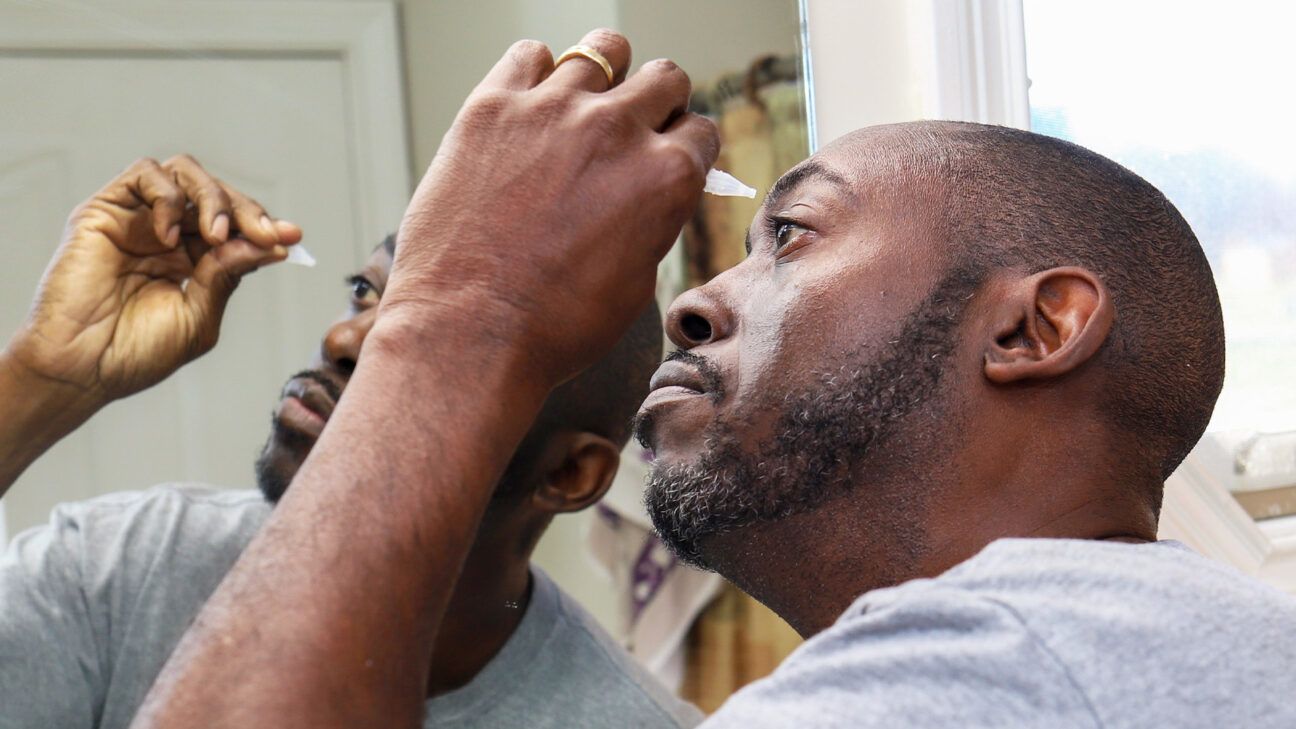
The FDA is warning consumers to avoid eye drop brands that they say are copycat products.
Eye drop brands South Moon, Rebright or FivFivGo should not be purchased since they are copycat products, according to a new FDA report.
These copycat eye drops are dangerous since the manufacturing is not regulated in the same way as approved eye drops.
A new report from the FDA advised consumers against buying “copycat” eye drop brands.
In the warning, the agency cited the brands South Moon, Rebright or FivFivGo due to the risk of infection. These eye drops are copycat products that can be mistaken for Bausch + Lomb’s Lumify brand eye drops.
What to know about the copycat eyedrops
The eyedrops from South Moon, Rebright and FivFivGo are not FDA-approved. The agency said that the brands state that the drops can help with glaucoma, but that condition is only treated with surgery or prescription drugs.
South Moon and Rebright eye drops were both tested by the agency. The South Moon eye drops were contaminated with the bacteria Burkholderia cepacia complex, which could lead to an infection that is unable to be treated by antibiotics.
Although Rebright was not found to be contaminated, FDA does not recommend that consumers purchase these eye drops.
FivFivGo samples were not available to be tested.
What to know about the potential risk from the eye drops
“While it may be tempting to buy these copycat products, there can be risk associated with them,” said Vicente Diaz M.D., M.B.A., Chief of Ophthalmology at Yale School of Medicine. “These are made by much smaller enterprises, and as such the manufacturing practices are not regulated the same way. There was a recent problem with artificial tear manufacturers for the same reason, and that led to blindness and even death.”
The testing of the Rebright and South Moon eye drops revealed that they did not contain the active ingredient in Lumify: brimonidine tartrate.
“The origin of these products is currently unclear, and FDA continues to investigate. South Moon is labeled as made by Shantou Cross-border Premium Products E-Commerce Co. Ltd. in China,” according to the report.
If you have any of these products the FDA recommends discarding them.
“These products are not regulated the same way and the smaller manufacturers may not have the best sterility practices,” Diaz explained. “The risk is that there is the potential for contamination which can lead to ocular and systemic infections.”
No health issues reported
The report noted that “FDA has not received any adverse event reports that specifically name the South Moon, Rebright or FivFivGo products. However, the agency has received reports related to possibly fake Lumify, including product quality concerns, eye irritation, pain and infection.”
The FDA encourages consumers to purchase eye products from reputable retailers, which includes state-licensed pharmacies. Also, be cautious of online retailers selling products with inaccurate information.
When looking for reputable eye drops, Diaz recommends the following:
For dry eye, Refresh and Systane are the leading brands.
For eye redness, Lumify by Bausch & Lomb, is a brimonidine-based product that comes from a well-known brand with no known manufacturing issues.
Past issues with eye drops
Last year, the FDA issued a drug safety alert over eye drops after concerns that they were contaminated.
New research suggests that eating a strict vegan or ketogenic diet can have a rapid positive effect on your immune system. FreshSplash/Getty Images
Scientists observed rapid and divergent changes in immune system response in individuals who ate a strict vegan or ketogenic diet.
The findings are from a small trial conducted by the National Institutes of Health.
Researchers believe the study could eventually lead to a better understanding of how diet could be used therapeutically to treat disease, but it is too early to tell.
Scientists are making strides in investigating the biological underpinnings behind that old adage, “You are what you eat.”
In a small study conducted by the National Institutes of Health (NIH), researchers observed rapid changes to the immune system in individuals who adopted vegan and ketogenic diets.
The results of the study were published in the journal Nature Medicine.
In the trial, participants ate either a controlled vegan or ketogenic diet for two weeks and then had to switch to the other diet for two weeks, a type of trial known as a “crossover.”
During this month-long period, researchers kept close tabs on participants’ biomarkers, metabolic changes, and microbiota, as well as the bacteria in the gut, and metabolic changes to monitor potential effects on the immune system.
What researchers found was that these diets affected the immune system response in uniquely different ways.
The ketogenic diet was associated with responses from the adaptive immune system, which targets specific pathogens, while a vegan diet elicited a response from the innate immune system, the body’s “first line” defense against germs.
“It was surprising to us to see how differently both diets impact the immune system. We expected the diets to impact the immune system but didn’t expect such a strong and divergent signal,” Dr. Verena Link, PhD, a Bioinformatic Specialist at the NIH’s National Institute of Allergy and Infectious Diseases, and co-author of the research, told Healthline.
“This research article delivers an important message to both the scientific community and the public audience that a selective diet can impact our body’s physiological condition,” Dr. Ji Wei Tan, PhD, a Professor of Immunopharmacology at Monash University in Malaysia, told Healthline.
Tan wasn’t affiliated with the NIH research but has investigated the role of plant-based diets in the prevention of infectious disease.
While more research is needed, the authors of the study believe that the discovery will help to better understand and utilize dietary interventions for the treatment of various diseases and chronic conditions.
Understanding the divergent immune responses from the two diets
Both diets had significant effects on the microbiome and the immune system response, but the responses differed based on the diet.
So, while both affected the immune system, what is important to note from the study is that they acted on it in apparently contrary ways.
The immune system consists of two parts: the innate immune system and the adaptive immune system. Both have an essential role in keeping the body safe from pathogens, viruses, bacteria, and germs that can make you sick.
“We found that the vegan diet prompted responses linked to innate immunity (the body’s non-specific first line of defense against pathogens) while the keto diet prompted responses associated with adaptive immunity (pathogen-specific immunity built through exposures in daily life and vaccination),” said Link.
The innate immune system includes things like skin, mucous membranes, and anti-bacterial cells. This is the “first line of defense” against harmful pathogens and provides a base layer of protection.
However, this system can only do so much. If germs penetrate this first line of defense, the body utilizes the adaptive immune system, which is made of T cells, B cells (which are known as lymphocytes), and other antibodies.
The adaptive immune system is responsible for immunity to certain diseases. Once a particular germ has been encountered, the adaptive immune system learns to identify it and can respond immediately in the future.
“This research has provided us with clear scientific evidence that our diet of choice could play a role in modulating our body’s physiological condition. That is why more and more people are starting to incorporate nutrition’s role in combating certain chronic diseases such as cancer,” said Tan.
Benefits of a vegan versus ketogenic diet
Investigators recruited 20 individuals for the study, which included both men and women, individuals of different ethnicities and body size based on BMI calculation. During the first two weeks, the participants would eat only one type of diet, either vegan or ketogenic, and then switch to the other diet for an additional two weeks.
Both diets included non-starchy vegetables and minimum amounts of highly processed food.
However, that is about where the similarities ended.
A vegan diet is entirely plant-based, excluding all animal products, including meat, fish, milk, and eggs. It includes staples like legumes, rice, root vegetables, whole grains, soy products, fruits, and vegetables On the other hand, the ketogenic or “keto” diet, as it is popularly known, embraces meat and fat, generally derived from animal products.
The difference in the diets also extended to more than the makeup of specific foods.
Those on the vegan diet got the majority of their calories from carbohydrates and almost none from fat — 75% carbs and 10% fat. While the ketogenic was the complete opposite, deriving 75% of calories from fat and 10% from carbohydrates.
Although in both diets participants were able to eat freely, those on the vegan diet tended to eat fewer calories overall.
During the study, researchers collected and analyzed samples, including urine, blood, and stool, to look for biological changes caused by the diets. The samples were investigated using advanced fields of study, including:
Proteomics: the study of proteins and their cellular activities
Metabolomics: the study of metabolites and molecules resulting from metabolic functioning
Transcriptomics: The study of all RNA molecules
How does diet affect immunity?
Diet is known to affect the microbiome, which results in downstream effects on the immune system and disease risk. The significance of the NIH’s finding is that it helps to shine some light on the complex relationship between diet, microbiome, and immunity.
Despite knowing that diet affects the microbiome and that the microbiome affects immunity, the direct mechanisms between diet and immunity still aren’t clear.
“Microbiomes are organisms (bacteria, viruses, fungi, parasites) present throughout our body, with the largest composition in the GI tract (small and large intestines)…The co-existence of these microorganisms in the body helps produce immunity by exposing, conditioning, and training the body to numerous organisms since birth,” said Dr. Roopa Naik, MD, who spoke with Healthline about the study and has previously published on the impact of vegan diets on health.
Dr. Akiko Iwasaki, PhD, a Professor of Immunobiology at Yale School of Medicine, told Healthline that the NIH research indicates, “We’re coming full circle in terms of trying to understand how diet can impact immunity. It seems that both types of diets are able to help the host cope with viral infection.”
A critical first step in using diet to help treat disease
The link between diet and immunity is still not well understood, but with more research, clarifying that relationship could lead to new therapeutic diets for disease.
“It’s definitely a first step in understanding how diet can impact the immune system. We don’t have the molecular mechanism yet of what nutrients are doing to each immune cell type, but it just gives us hope that we might come to this kind of understanding in the future,” said Iwasaki.
Others were more skeptical about the findings.
Dr. Raymond Swanson, MD, a Professor of Neurology at UCSF who has written about the effects of the ketogenic diet on inflammation in the brain, told Healthline, “The outcome measures here are very complex, and it is simply not known if any of the diet-induced differences identified in this study have any real impact on health or immunity.”
“This study, although highly detailed, was done on a small and very selective population. A large study involving diverse patient populations would be necessary to identify the helpful and harmful impacts of a vegan or a ketogenic diet,” said Naik.
The bottom line
Scientists at the NIH observed rapid, divergent changes to the immune system based on whether individuals ate a ketogenic or vegan diet.
The findings help to shed light on the complex relationship between diet, gut microbiota, other biological mechanisms, and the immune system.
While the findings could one day lead to practical applications such as therapeutic dietary interventions for disease and chronic conditions, it is too early to speculate on what those might be.
FDA requires warning for CAR-T therapy over concerns about blood cancer risk.
CAR-T — or chimeric antigen receptor T-cell — therapy harvests a person’s own immune cells, altering them genetically, to treat cancer.
About 27,000 people have undergone CAR-T therapy, and at least 25 of those people have developed a rare blood cancer, according to the FDA.
A recent warning by the FDA about CAR-T therapy suggests that the treatment can increase the risk of certain rare blood cancers. The agency required makers of the drug to put a boxed warning, its strongest safety notice, on the prescription information for the therapy.
CAR-T — or chimeric antigen receptor T-cell — therapy harvests a person’s own immune cells, altering them genetically, and putting them back into the person’s body to treat blood cancers like leukemia, multiple myeloma and lymphoma. The process, which was approved by the FDA in 2017, adds a gene for a receptor to the T cells, allowing them to attach to the specific cancer’s antigen; each type of cancer requires tailoring the genes to that particular antigen.
According to the FDA, about 27,000 people have undergone CAR-T therapy, and at least 25 of those people have developed a rare blood cancer. An abstract published last year also suggested the risk of this kind of therapy, stating that several cases of lymphoma had resulted from it. Scientists have also been researching the use of CAR-T therapy for other diseases, such as autoimmune diseases and viral infections like HIV and hepatitis C.
Four manufacturers of CAR-T therapy drugs — Bristol Myers Squibb (Abecma and Breyanzi); Gilead Sciences’ Kite Pharma (Yescarta and Tecartus); Johnson & Johnson (Carvykti); and Novartis (Kymriah) — were notified by the FDA that they must submit proposed label changes in the next month that state CAR-T therapy can increase the risk of rare blood cancers.
What’s the risk involved with CAR-T therapy?
The risk of CAR-T therapy is known, but statistically very rare, and the benefits of the treatment still outweigh those potential downsides, Dr. Wael Harb, board-certified hematologist and medical oncologist at MemorialCare Cancer Institute at Orange Coast and Saddleback Medical Centers in Orange County, CA, told Healthline.
“This risk is associated with the use of a virus (usually a lentivirus) to integrate the gene encoding the CAR into the T cells’ DNA. The concern is that this integration could potentially activate oncogenes if it occurs near cancer-associated genes,” Harb said. “The overall benefits of CAR T-cell therapy, especially in cases of blood cancers where patients have few other options, are still considered to outweigh these risks.”
While the FDA warning will raise some concerns for doctors and physicians, it’s still not clear that the rare blood cancers in some people were directly caused by the therapy, according to Dr. Naveed Wagle, neuro-oncologist at Pacific Neuroscience Institute in Santa Monica, CA and Associate Professor of Translational Neurosciences at Saint John’s Cancer Institute in Santa Monica, CA.
“CAR-T therapy is still very early in its clinical development. The approval of these medications was warranted based on the clinical trial efficacy they showed,” Wagle said. “The new data in post-approval use is correlative and does not show a direct causal relationship. However, it does raise concerns and warrants close surveillance.”
Harb echoed the need for monitoring, pointing out that the FDA warning doesn’t suggest that CAR-T therapy should be suspended.
“Given the transformative impact of this therapy in treating blood cancers, especially in patients with relapsed or refractory disease, it’s likely that many doctors will continue to consider it a valuable treatment option,” Harb said. “The actual impact on the use of CAR T-cell therapy will depend on individual assessments of risk versus benefit, further findings from ongoing investigations, and possible updates to treatment guidelines or protocols.”
Are there other options for treating blood cancer?
According to the National Cancer Institute, CAR-T therapy leads to long-term survival in only roughly half of people who undergo it, and the cost — hundreds of thousands of dollars — can be prohibitive. There are still multiple forms of treating cancer, although they need to be tailored to a person’s needs through consultation with their physician — but there are still risks to those as well, Harb said.
“These include traditional treatments like chemotherapy, radiation, and small molecule drugs, each of which also carries its own risks and benefits. For multiple myeloma patients, treatments such as alkylators, immunomodulatory drugs, and autologous stem cell transplantation are alternatives, though they too are associated with a risk of secondary cancers,” Harb said. “The choice of treatment should be a decision made in consultation with healthcare providers, considering the individual patient’s situation, the type of cancer, previous treatments, and overall health.”
Takeaway
The FDA has ordered the manufacturers of six CAR-T therapy drugs to put a warning on their prescription information that a rare form of blood cancer is a risk of the treatment.
CAR-T therapy, which is used to treat blood cancers like leukemia, multiple myeloma and lymphoma, involves taking cells from a person’s body, altering them genetically to bind to the antigens of cancer cells, and then reinfusing them into the person.
Statistically, the risk of rare blood cancer from CAR-T therapy is low, but physicians say more monitoring and testing is needed.
ADHD medication was already in short supply. Getty Images
Azurity Pharmaceuticals, who produce a medication known as Zenzedi, have issued a voluntary recall due to a manufacturing error.
The medication is used to treat ADHD and narcolepsy.
Experts say that, if the incorrect medication is consumed, it could have significant side effects.
A type of ADHD medication is being recalled after a Nebraska pharmacist opened a container for ADHD medication and discovered it contained the wrong pills.
Zenzedi is a drug that is used to treat attention deficit hyperactivity disorder (ADHD) and narcolepsy. Azurity Pharmaceuticals, the company that produces the medication, announced the nationwide action—which affects one lot—on January 24.
“To date, Azurity has not received any reports of serious adverse events related to this recall,” the company said in its recall announcement.
ADHD medication is already in short supply
According to a statement published by the company, and publicized by the US Food and Drug Administration, the pharmacist opened a bottle intended to contain Zenzedi, but which was actually filled with carbinoxamine maleate, an antihistamine.
Dr. Bryan Shapiro (MD, MPH), an assistant clinical professor of psychiatry at the University of California-Irvine, says that this recall is hitting patients when they are already struggling to obtain their ADHD medication due to shortages.
“We’re at a time right now where patients are having a hard time getting their ADHD medications in general…there’s been this milieu of frustration, and challenges getting the medication they need for ADHD.”
Shapiro’s other concern is that those who may have taken the incorrect medication, which is a sedative and an antihistamine, could be facing the impacts of not taking the correction medication while also dealing with issues stemming from taking a different pill that provides the opposite effects.
“So the patient could be experiencing withdrawal from stimulants, while at the same time being exposed to a drug that decreases alertness, increases sedation,[and] a variety of other side effects that can increase the risk of a variety of things like vehicle accidents or other potential problems,” Shapiro said.
Dr. Farah Khorassani (PharmD), associate clinical professor at the University of California-Irvine and a psychiatric pharmacist, said safety measures at the pharmacy mean the pills were flagged early.
“When verifying medications, many pharmacists compare the pills counted in the vial to an image of a pill that is available through different softwares or databases. If that doesn’t match, the pharmacist would identify it,” Khorassani said.
She said it’s unclear how the wrong pills could have been put in the bottle.
“This is hard to answer without knowing their manufacturing process. My guess would be that they were also bottling the other medication found in the bottle at the same facility and that there was an error. But it’s hard to tell,” Khorassani said.
Azurity Pharmaceuticals is urging patients who are concerned that they may be affected by the recall to contact their health provider. The lot of medication that has been recalled was shipped to wholesalers between Aug. 23 and Nov. 29 last year. The incorrect tablets are white and round while Zenzedi are light yellow and hexagon-shaped.
The recalled lot number is F230169A.
The medication affected is the 30mg dose and anyone who is concerned that they may have ingested the incorrect medication is urged by the company to contact them.
What to know if you take ADHD medication
If you are someone affected by the recall, Shapiro says that it’s important people understand that there are other options available other than Zenzedi.
“Zenzedi is not a unique medication formulation. It’s dextroamphetamine. And there are other generic forms of dextroamphetamine that should be available as a substitute while this recall process is addressed.”
Name brands of these replacement drugs include Dexedrine and Dextrostat.
Khorassani says that, if you are concerned that you have been impacted by the recall, that you should contact your pharmacy for confirmation and next steps.
“If there is a concern that their current medication could be the mislabeled batch, contact your pharmacy to confirm the medication you received is correct. Those filling prescriptions for this medication should double-check with their pharmacist to ensure the pills in the bottle are the correct medication.”
Zooming out, Shapiro says he’s worried, as more medications come on the market to treat ADHD that further issues could surface.
“The more new forms of the same drug you introduce, the more chances there are for error because it’s just an additional product that’s being brought.”
Takeaway
A lot of ADHD medication is being recalled after a pharmacist opened a pill bottle containing the wrong pills.
A new study shows how Instagram junk food content may increase cravings for unhealthy foods and negatively impact mental health. mixetto/Getty Images
A new study shows how exposure to junk food content on Instagram increases cravings for salty or fatty foods and leads to feelings of stress, sadness, and exhaustion.
Repeated exposure to unhealthy content on social media may have negative psychological consequences.
Advertising on social media can influence a person’s decision-making and food choices.
To consume social media content in a healthy way, follow reputable, trusted sources.
Experts recommend limiting time spent on social media to preserve your mental health.
Advertising on social media has become increasingly popular across all industries, including food brands.
However, there is growing evidence to show that some food-related content is having harmful effects on users’ mental health.
According to a new study, young adults who were exposed to junk food content on Instagram experienced cravings for unhealthy foods and negative mental health effects. The findings were recently published online in the journal Appetite.
Researchers observed 63 participants ages 18 to 24 years old who were separated into two groups. One group looked at a standard Instagram feed and the other looked at a feed with junk food images for 15 minutes.
Next, participants answered a survey, which included questions about body image perception, mood, and food cravings. Then 7 days later, they looked at the other Instagram feed and answered the survey questions again.
Results showed participants who were exposed to junk food content had increased cravings for salty and fatty foods. They also experienced increased feelings of stress, sadness, exhaustion, and hunger.
Neither Instagram feed affected body image perception, the study notes.
How social media affects your relationship with food
“Constant exposure to food advertisements on social media certainly can impact our perception and relationship with food,” said Dr. Nicole Avena, nutrition consultant, assistant professor of neuroscience at Mount Sinai School of Medicine, visiting professor of health psychology at Princeton University, and author of “Sugarless.”
“Seeing your favorite celebrity enjoying a specific junk food through a paid advertisement may incline you to choose similar food options. Similarly, seeing your favorite influencer enjoying healthy and nutritious foods may influence you to choose healthier options,” Avena added.
Social media may also impact our relationship with food through comparison.
“Social media typically focuses on highlights and near-perfect content and advertisements; however, this is not an accurate representation of real life,” Avena explained.
“For consumers, it can become easy to compare what is on your plate to what is on the plate of people that you follow on social media. Comparing your food choices to others can negatively impact your relationship with food and may even impair your body image.”
In addition, social media can influence what foods and lifestyle habits you try. And the more you’re exposed to certain types of content, the greater the psychological impact.
“From direct, delectable food cooking content to fashion and fitness influencers, our perceptions and relationship with food are in some way indelibly impacted by social media,” said Dr. Uma Naidoo, a nutritional psychiatrist, professional chef, and bestselling author of “This is Your Brain on Food.”
“Social media is ever a highlight reel of sorts: beautiful recipes with ASMR-style sound effects may convince us to try new dishes or recipes, while ‘fitness experts’ — who may, in reality, be any level of expertise — may convince us that a particular lifestyle is the way to go. And the constant nature of such stimuli only deepens its impact,” Naidoo said.
Exposure to junk food content may harm mental health
Advertisements are often designed to have a psychological effect on the viewer.
“Visual food cues induce a dopamine response in reward areas in the brain,” said Dr. Mireille Serlie, professor of internal medicine at Yale School of Medicine.
“Some foods trigger higher responses than others. It has been shown that pictures of food high in fat and sugar lead to a higher dopamine response and to more brain activity in reward brain areas. The intensity of that response predicts the subsequent amount of food intake. Repeated consumption of unhealthy food might affect the wiring of the brain, leading to more cravings and higher food intake,” Serlie noted.
For food advertisements, the goal is often to make it look appealing and delicious to increase the desire to buy and eat it.
“Food brands often use psychology-based marketing techniques to manipulate consumers into making specific decisions surrounding their food choices,” Avena said.
“Junk food content can activate the dopamine system in the brain, which produces feelings of pleasure. For example, if a bag of chips appears on your social media feed, it may increase your cravings for chips due to triggering the feeling of pleasure that your brain typically associates with eating a bag of chips,” Avena added.
Naidoo explained that many factors may be at play in why social media makes us feel negative or craving emotions.
“Firstly, it’s important to understand that a lot of basic human behaviors stem from a drive to survive,” she said. “When we see attractive foods, products, and people on social media, the most unconscious instinct is to want to ‘be like them’ — and if it’s difficult, we can develop negative feelings towards them, or about ourselves.”
“Feelings of impulsivity may be mediated by both the amygdala — or our ‘fear and aggression center’ in the brain, as well as possible dopamine dysregulation associated with addiction. All of this also drives anxiety where we feel unsettled and worried about our food and other choices,” Naidoo noted.
Tips for healthy social media use
“When navigating Instagram and other social media platforms, it is best to follow accounts that produce positive content and promote feelings of confidence and motivation surrounding your food choices,” said Avena.
“Following accounts that post negative content can be detrimental to our mental health and relationship with food.”
Avena also recommended limiting time on social media to reduce exposure to content that may cause feelings of unease.
As for content in the nutrition space, it’s advisable to view content from registered dietitians and nutrition experts who have a thorough understanding of the science behind nutrition recommendations, Avena added.
“Social media sites use cookies and other algorithms to give us more of what we tend to be seeing,” Naidoo said. “We can turn off cookies or recommended functions to prevent some of this from happening and showing up in our individual social media accounts,” she recommended.
It may also be helpful to follow trusted sources like physicians and even professional chefs on social media to help ensure you’re getting your food content from responsible creators, Naidoo said.
Takeaway
A new study shows that looking at junk food content on Instagram increases cravings for unhealthy foods and leads to feelings of stress, sadness, and exhaustion.
Experts say social media marketing can influence our desires and decisions, including what we eat.
When considering food-related content on social media, it’s recommended to follow nutritionists and dietitians who are reputable and credentialed.
Bariatric surgery is an extremely effective tool for obesity.
The procedure’s effects on various forms of cancer is not well understood.
A new review now sheds some light on the relationship between bariatric surgery and cancer.
Bariatric surgery appears to decrease the risk of certain forms of cancer, but may increase the risk of others, according to a new scientific review. The authors say their findings underscore the need for more research on the issue before making confirmatory statements about the effects of the procedure on cancer risk.
Treating obesity is commonly viewed as an “upstream” way of preventing other more serious conditions later on. Since bariatric surgery is so effective for obesity, it might stand to reason that it could be effective at helping to prevent the many forms of cancer associated with obesity.
But the truth is more complicated.
Mixed findings on bariatric surgery and cancer risk
Bariatric surgery’s association with increased cancer risk is not well established. In a review published today in JAMA Surgery, researchers found differing results for how the procedure affects different forms of cancer.
“Our review found that the quality of the studies and its findings are heterogenous and might be susceptible to bias,” said Dr. Zhi Ven Fong, a Surgical Oncologist at Mayo Clinic Arizona and author of the review told Healthline.
“The data where there has been good consistency is the reduction of breast, ovarian, and endometrial cancer risk with bariatric surgery. However, there have been concerning signals from preclinical and epidemiological studies that bariatric surgery may be associated with a higher risk of developing colorectal cancers,” he added.
However, it is important to note that the review doesn’t prove a causal link between bariatric surgery and cancer risk. Nor does it cast doubt on the overall effectiveness of bariatric surgery.
“This review makes the point that there are consistent positive associations and negative associations for certain types of cancer as they relate to bariatric surgery, and then there is a gray zone where there are conflicting results from different studies,” said Dr. Cindy Kin, an Associate Professor of Surgery at Stanford Medicine who was not involved in the research, told Healthline.
Bariatric surgery may reduce risk of breast, ovarian, and similar cancers
Researchers found that bariatric surgery had the greatest association with lowering the risk for cancers associated with hormones, including breast cancer, ovarian cancer, and endometrial cancer. In one study of nearly 7,000 patients, those who received bariatric surgery “demonstrated a significant reduction in breast cancer risk” at an average 5-year follow up period, compared with those who did not.
In what the researchers call “the largest study to date,” of more than 300,000 female patients, individuals who underwent the procedure and lower rates of breast, endometrial, and ovarian cancer.
Scientists believe that the mechanisms for how bariatric surgery affects these cancers has to do with the role of how fat, adipose tissue, affects hormones in the body, like estrogen and insulin. Adipose tissue produces excess estrogen, which is associated with the above-mentioned cancers.
Obese individuals also tend to have more insulin in their bodies, which can also lead to the development of certain cancers.
Leptin, a hormone that is key to metabolism, reproduction, and satiety, is produced in fat cells. However, when it is produced in abundance due to obesity, it too can lead to “aberrant cell proliferation” then cancer.
Conflicting findings on other forms of cancer
The relationship between bariatric surgery and other forms of cancer is far less obvious. Historically, esophageal and gastric cancer were believed to be at increased risk due to their physical effects on the digestive tract and the potential to exacerbate acid reflux.
However, the review found that this was not the case: cancer risk was actually similar or slightly improved.
Findings on pancreas and liver cancer were inconsistent.
For colorectal cancer, results were, again, mixed. But the authors note two studies in which colorectal cancer found an increased risk following bariatric surgery.
“Given the potential increased risk of colorectal cancers, caution should be exercised when considering bariatric surgery in patients with increased baseline risk of colorectal cancers such as those with inflammatory bowel disease,” said Fong.
Other experts interviewed by Healthline pushed back on these findings.
“This association of increased incidence of colorectal cancer would not trump all the benefits that are actually causally linked to bariatric surgery. For patients who meet the standard criteria for bariatric surgery, the potential benefits of the surgery outweigh the risks,” said Kin.
Dr. Dan Azagury, section chief of Minimally Invasive and Bariatric Surgery and medical director for the Bariatric and Metabolic Interdisciplinary clinic at Stanford Health was also cautious about the findings.
“We should be very careful about drawing too strong conclusions on the topic of colorectal cancer: as the authors mention, the data is very contradictory,” he said.
Bariatric surgery, sometimes called “weight loss surgery”, modifies the digestive system to reduce the amount of food a patient consumes and helps them feel more full. There are several procedures, such as a gastric sleeve and gastric bypass, that all fall under the name bariatric surgery, but there are others as well.
These procedures are only recommended for those who have class III obesity (a BMI of 40+) or class II obesity (a BMI of 35+) and at least one comorbidity, such as high blood pressure or diabetes.
Bariatric surgery has demonstrated weight loss as much as 77% of body weight. Patients also tend to keep the weight off, averaging 50% of weight loss at five years after the initial operation.
As with any major healthcare decision, patients should discuss the risks and benefits of bariatric surgery with their healthcare provider.
“Healthcare providers should include the potential associations with increased or decreased cancer risk in their discussions with patients as part of the shared decision-making process. Only about 1% of patients who are eligible for bariatric surgery actually undergo the operation, so clearly there is an opportunity here to improve education and counseling for patients with obesity regarding their options,” said Kin.
The bottom line
For many forms of cancer, including liver, pancreas, gastric, and esophageal, the effects of bariatric surgery are unclear, heterogenous, or inconclusive.
There appears to be a strong association between bariatric surgery and decreased risk of hormone-related cancers including breast, endometrial, and ovarian.
Some studies have indicated an increased risk of colorectal cancer after bariatric surgery, however others did not.
Experts agree that for the appropriate candidate, bariatric surgery’s health benefits far outweigh the risks.