Uncategorized

Eating Three Servings of Kimchi Daily Linked to Lower Risk of Obesity
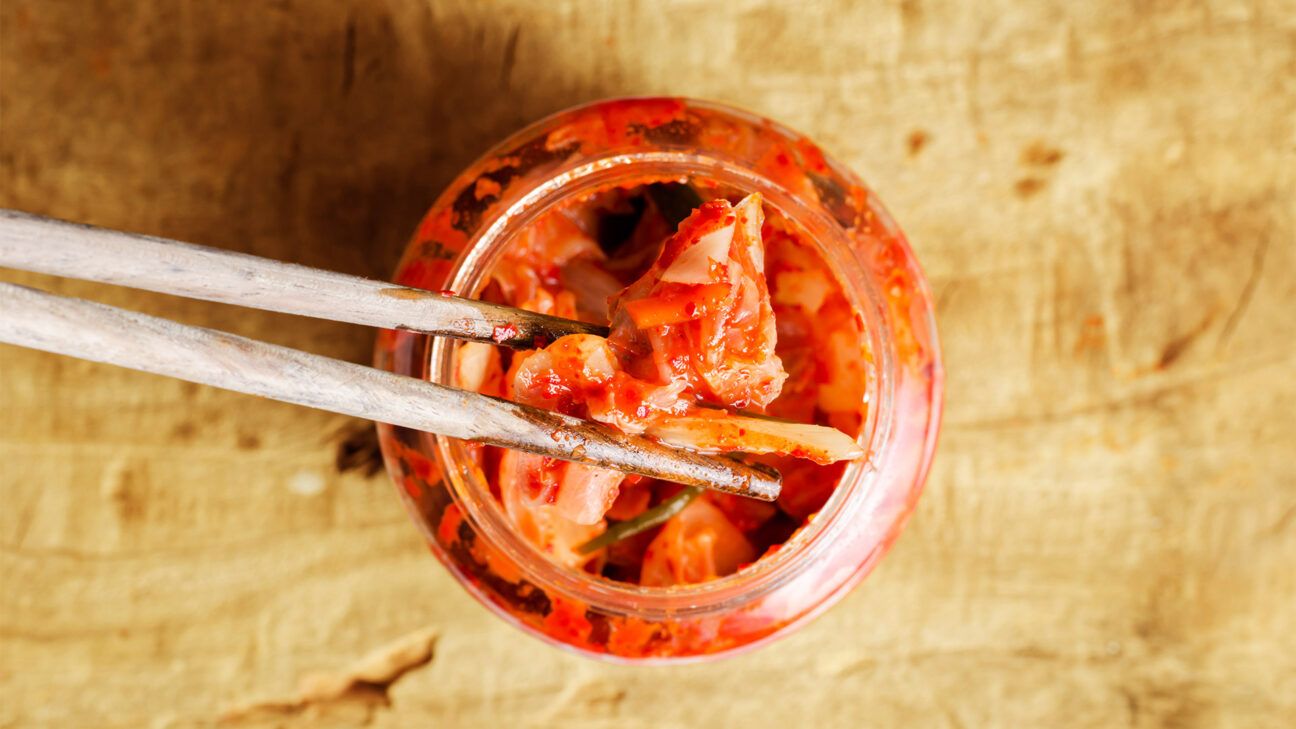
A jar of kimchi is seen from above.
Nungning20/Getty Images
  • A new study shows consuming up to three servings of kimchi each day is linked to a lower rate of obesity among men.
  • As an observational study, itโ€™s difficult to know kimchiโ€™s specific impact on weight loss.
  • Health benefits of kimchi include being high in antioxidants, the ability to improve gut health, reduce inflammation, and boost immunity.
  • To incorporate more kimchi into your diet, you can add it as a topping to many dishes you already like to add some spice or crunch.

Eating up to three daily servings of kimchi could reduce menโ€™s risk of obesity. Also, radish kimchi is associated with a lower prevalence of abdominal obesity in both men and women, according to a new study.

The findings were published in the journal, BMJ Open.

Researchers looked at data from the Health Examinees (HEXA) study, which included 115,726 participants (36,756 men, 78,970 women who were 51 years old, on average). HEXA examines environmental and genetic risk factors for chronic health conditions among Korean adults over 40.

Participants answered a 106-item food frequency questionnaire, sharing how frequently they ate certain foods, from never to 3 times a day. Height, weight and waist circumference were also measured.

Results showed consuming as many as 3 daily servings of total kimchi was associated with an 11% lower prevalence of obesity compared with less than 1 daily serving.

For men, 3 or more daily servings of baechu kimchi was linked to a 10% decreased prevalence of obesity and a 10% decreased prevalence of abdominal obesity compared to 1 serving.ย 

For women, 2 to 3 daily servings of baechu kimchi (napa cabbage kimchi) was linked to an 8% decreased prevalence of obesity, whereas 1 to 2 servings each day was linked with a 6% lower prevalence of abdominal obesity.ย 

In addition, consuming below-average quantities of kkakdugi kimchi (cubed radish kimchi) was associated with approximately a 9% lower likelihood of obesity in both men and women.ย 

Kimchi and obesity risk

โ€œThis is an observational study, so it doesnโ€™t show that eating kimchi causes a reduction in obesity risk,โ€ Samantha Cassetty, MS, RD, nutrition and wellness expert and co-author of Sugar Shock. โ€œBut it suggests a link between the two, which raises the possibility. Itโ€™s in line with previous research with similar findingsโ€“that kimchi intake is associated with a lower risk of obesity and may help reduce body weight and waist size. That said, the study was limited to Korean participants, so the association between kimchi and protection against obesity might not hold up in other populations.โ€

Cassetty continued: โ€œIf you want to try this, itโ€™s healthy for most people, however, kimchi is high in sodium, and most people are already overdoing. So, find ways to reduce the sodium in your diet by replacing ultra-processed foods with whole foodsโ€“especially plant foods, which contain potassium that helps counter the effects of sodium.โ€

Itโ€™s also notable that in this study, just eating more kimchi was not necessarily linked to a smaller waistline.

โ€œThe authors note this may be because of how kimchi is often eatenโ€“with rice,โ€ Cassetty stated. โ€œSo, higher intakes might come with eating more in general, particularly more ultra-processed foods, which are also linked with higher rates of obesity.โ€

Since this is an observational study, itโ€™s hard to know the extent of the role kimchi played in weight loss. There are numerous factors to take into consideration including overall diet and lifestyle.

โ€œKimchi is made from pickled cabbage and cabbage is a healthy cruciferous vegetable that has fiber, Vitamin C and Vitamin K,โ€ said Natalie Rizzo, MS, RD, author of Planted Performance. โ€œKimchi is made by fermenting cabbage, which means it has โ€˜goodโ€™ bacteria, or probiotics. The authors of this study hypothesize that the bacteria strains in kimchi aid in weight loss, but since itโ€™s an [observational] study, thereโ€™s no way to know if the weight loss is from those bacteria strains or something else.โ€

Furthermore, โ€œkimchi is a low-calorie food, and eating it may help you reduce your calorie intake and lead to weight loss. Since itโ€™s rich in fiber, it may help keep you full without adding many calories to a meal,โ€ Rizzo added.

Health benefits of kimchi

Fermented foods like kimchi are rich in gut-nourishing bacteria that promote the growth of beneficial organisms in your gut microbiome. This ecosystem plays a part in regulating numerous bodily functionsโ€“from mood and weight to cholesterol and blood pressure levels to inflammation and immune functioning, Cassetty explained.

Eating kimchi can help create a healthy balance of gut bacteria, allowing the good bacteria thrive while getting rid of the bad bacteria.ย 

โ€œBecause of its role in your gut microbiome, kimchi may promote better gut and heart health,โ€ said Cassetty. โ€œKimchi is also being studied for its potential role in supporting brain health and preserving memory. Your enteric nervous system is located in the gut, so whatโ€™s good for the gut is also good for your brain. Itโ€™s all connected.โ€

Kimchi also has antioxidant properties that contribute to its health benefits.ย 

โ€œAntioxidants help stabilize damaged cells that initiate diseases like cancer and heart disease,โ€ Cassetty noted. โ€œSo, upping your antioxidant status can help protect you from developing chronic conditions.โ€

The probiotic properties of kimchi might also help treat yeast infections.ย 

โ€œWe also see that kimchi might help protect against obesity,โ€ said Cassetty. โ€œBesides contributing beneficial bacteria to your gut, kimchi is a low-calorie way to add spice to meals. When your meals are flavorful and enjoyable, and you eat mindfully, itโ€™s easier to eat healthier portion sizes, which can help you manage your weight without feeling deprived.โ€

However, itโ€™s also important to consider that kimchi is high in sodium, and most people are already overdoing this. So, if youโ€™re thinking about adding kimchi to your diet, cut back on sodium elsewhere by choosing whole foods over heavily processed ones and limiting the use of salt in your kitchen, Cassetty added.

Healthy ways to incorporate kimchi into your diet

โ€œMany people are unfamiliar with kimchi, but you donโ€™t have to branch out of your comfort zone to try it,โ€ Cassetty stated. โ€œKimchi is a great way to add a kick to familiar foods like turkey burgers, eggs, whole grain bowls (such as brown rice or quinoa bowls), and roasted veggies. You can also try it as a sandwich condiment.โ€

Rizzo recommends adding kimchi to any food that needs a little crunch. โ€œTop a stir fry or grain bowl with kimchi. Add it to a sandwich for a spicy crunch. You can even top your eggs with kimchi to add texture and crunchiness,โ€ she said.

Takeaway

Eating up to three servings of kimchi each day is linked to a reduced rate of obesity among men, according to a new study.

This study is observational so itโ€™s difficult to measure kimchiโ€™s direct effect on weight loss. Overall diet and lifestyle also play a role.

There are many health benefits of kimchi such as promoting gut health, lowering inflammation and improving immunity.

To add more kimchi to your diet, it can be used as a tasty topping for many meals.

Eating Three Servings of Kimchi Daily Linked to Lower Risk of Obesity Read More ยป

RSV Surged this Winter, What Expectant Parents Should Know About the Vaccine

Pregnant woman in a white shirt stands in a hallway.
Andrey Zhuravlev/Getty Images
  • RSV is a common and highly contagious respiratory virus that can cause infections ranging from mild to severe.
  • It can lead to bronchiolitis, pneumonia, respiratory failure, and death in some cases.
  • Pregnant people can get the RSV vaccine late in their pregnancy to provide protection for their infants after they are born.

Hospitalizations for respiratory syncytial virus (RSV) surged during the holiday season and remain high in the new year โ€” with young infants hit particularly hard by RSV-related illness.

RSV is a common and highly contagious respiratory virus that can cause infections ranging from mild to severe. It can lead to bronchiolitis, pneumonia, respiratory failure, and death in some cases.

โ€œRSV usually causes mild cold-like symptoms in adults, [but] it can be severe and lead to hospitalization in infants and older adults,โ€ Dr. Adi Katz, Director of Obstetrics and Gynecology at Northwell Lenox Hill Hospital in New York City, told Healthline.

โ€œIt is estimated to result in 6,000โ€“10,000 deaths among seniors and 100โ€“300 deaths among children younger than 5 [years old] annually [in the United States]. During the 2022โ€“23 season, children were hospitalized with RSV-related illness at an overall rate of 605.6 per 100,000, more than 10 times the rate of the general population,โ€ Katz said.

To help protect young infants from RSV illness, the U.S. Centers for Disease Control and Prevention (CDC) encourages people who are 32โ€“36 weeks pregnant during RSV season to get a single dose of Pfizerโ€™s bivalent RSVpreF vaccine (Abrysvo). This is sometimes known as the maternal RSV vaccine.

โ€œThe take home message is that this [vaccination] is a simple step that a pregnant individual can take to protect their newborn baby,” said Katz. “It can be a life saving measure.”

How the RSV vaccine can provide key protection for newborns

The U.S. Food and Drug Administration (FDA) approved the Abrysvo vaccine for pregnant people in August 202, after researchers found it was safe and effective for preventing lower respiratory tract infections in newborns.

โ€œWe now have an RSV vaccine that can prevent serious RSV infection in infants when received during pregnancy,โ€ Dr. Jennifer Thompson, FACOG, an associate professor in the Division of Maternal-Fetal Medicine at Vanderbilt University Medical Center told Healthline.

โ€œBy receiving the RSV vaccine during pregnancy, maternal antibodies cross the placenta and provide protection to the newborn. These antibodies help prevent the development of severe RSV lower respiratory tract infection in infants up to 6 months of age,โ€ Thompson said.

The vaccine is made from an inactivated protein from the surface of RSV, known as the fusion glycoprotein, or protein F.

When the vaccine is given to a pregnant person, their immune system responds by producing antibodies against protein F. This allows their immune system to recognize and attack RSV if it encounters the virus later on.

It takes about 2 weeks for the pregnant personโ€™s immune system to produce antibodies following vaccination.

The pregnant person passes the antibodies onto the developing fetus across the placenta, which provides protection against RSV that continues for at least 6 months after birth.

Reducing the risk of severe illness in infants

Itโ€™s still possible for infants to contract RSV after their birthing parent has received the Abrysvo vaccine in pregnancy. However, the vaccine significantly reduces the newborn infantโ€™s risk of developing RSV infection in general and severe RSV infection mainly.

Researchers found that when pregnant people received the Abrysvo vaccine during weeks 32โ€“36 of pregnancy, it reduced their babyโ€™s risk of lower respiratory tract disease from RSV by 34.7% within 90 days following birth and 57.3% within 180 days after birth.

The vaccine provided even greater protection against severe lower respiratory tract disease, lowering the risk by 91.1% within 90 days after birth and 76.5% within 180 days after birth.

โ€œRSV can be such a devastating disease for some families,โ€ said Thompson, โ€œand to now have a vaccine to offer patients that is safe and effective at preventing severe RSV in infants is wonderful.โ€

Low risk of severe side effects

The risk of serious side effects from the Abrysvo vaccine is low. Most side effects are mild and short-lasting.

โ€œThe main side effects that have been reported are similar to other vaccines and include pain at the injection site, headaches, and muscle pain,โ€ said Thompson.

Researchers found the rate of preeclampsia was slightly higher among pregnant people who received the vaccine: 1.8% of those who received the vaccine in a clinical trial developed preeclampsia, compared with 1.4% of pregnant people who received the placebo. The overall rate of preeclampsia remained low.

Researchers also found the rate of preterm birth was slightly higher among pregnant people who received the vaccine (5.7%, compared with those who received a placebo (4.7%). However, they could not determine whether this difference was caused by the vaccine or something else.

The FDA has taken steps to manage the potential risk of preterm birth by approving the Abrysvo vaccine for only those pregnant people who are 32โ€“36 weeks pregnant.

People who have a history of severe allergic reactions to any component of the vaccine shouldnโ€™t receive it. Severe allergic reactions to vaccines are rare.

Taking steps to prevent infection

Pregnant people can speak with their obstetrician to learn more about the potential benefits and risks of getting the RSV vaccine or other immunizations during pregnancy.

Abrysvo is specifically recommended for people who are 32โ€“36 weeks pregnant during RSV season, which lasts from September through January across much of the United States but may vary in some regions. Speak with your doctor if you live in Alaska, Florida, or outside the continental United States to learn about the timing of RSV season in your region.

If you recently gave birth and didnโ€™t receive the Abrysvo vaccine at least 2 weeks before delivery, talk with your doctor to learn whether your baby should receive immunization against RSV with the monoclonal antibody nirsevimab (Beyfortus).

Beyfortus can lower the risk of serious RSV infection among infants, but itโ€™s available in the United States only in limited supplies. It may be given to an infant as a single injection shortly before or during their first RSV season โ€” and in some cases, shortly before their second RSV season.

Most babies who are born to a birthing parent who received the Abrysvo vaccine at least 2 weeks before delivery donโ€™t require immunization with Beyfortus later on.

But some babies with high risk factors for severe infection may benefit from immunization from Beyfortus, even if their birthing parent did receive the Abrysvo vaccine.

This includes certain infants who:

  • were born prematurely and have chronic lung disease
  • have cystic fibrosis with severe disease
  • have severe immunocompromise
  • are American Indian or Alaska Native

A physician may also recommend immunization with the monoclonal antibody palivizumab (Synagis) in rare cases. This immunization is only given to children under the age of 24 months who have certain health conditions that raise their risk of severe RSV disease.

Limiting contact with people who are sick, washing hands regularly with soap and water or alcohol-based hand cleanser, and wearing face masks in public may also help prevent RSV or other respiratory infections.

Talk with your doctor to learn more about strategies to prevent and manage RSV infections.

Takeaway

To help protect young infants from RSV illness, the CDC encourages people who are 32โ€“36 weeks pregnant during RSV season to get a single dose of Pfizerโ€™s bivalent RSVpreF vaccine (Abrysvo). This is sometimes known as the maternal RSV vaccine.

RSV Surged this Winter, What Expectant Parents Should Know About the Vaccine Read More ยป

CRISPR Therapy Approved to Treat Blood Disorder That Causes Anemia

Two women work together in a labratory.
Julieanne Birch/Getty Images
  • This month the FDA has approved a treatment for an inherited blood disorder.
  • The Casgevy treatment was developed through CRISPR gene-editing technology and involves modifying a personโ€™s own blood stem cells and then transplanting them back.
  • The treatment can now be used for a type of blood disorder that results in anemia.

After an initial approval in December of the cell-based gene therapy Casgevy for sickle-cell disease (SCD), the U.S. Food and Drug Administration last week approved the therapy to treat another blood disorder.

The FDA approved the therapy to treat a condition called transfusion-dependent beta-thalassemia (TDT), an inherited blood disorder that results in anemia and frequent blood transfusions.

Casgevy, a treatment developed through CRISPR gene-editing technology, involves modifying a personโ€™s own blood stem cells and then transplanting them back. Those altered cells then attach and multiply in the personโ€™s bone marrow and facilitate the production of fetal hemoglobin, which can help with oxygen delivery. This approval makes the treatment the first of its kind for TDT.

โ€œTodayโ€™s approval is an important step in the advancement of an additional treatment option for individuals with beta-thalassemia, a debilitating disease that places individuals at risk of many serious health problems,โ€ said Dr. Nicole Verdun, director of the Office of Therapeutic Products within the FDAโ€™s Center for Biologics Evaluation and Research. โ€œThe approval of a cell-based gene therapy for this condition using CRISPR/Cas9 technology reflects FDAโ€™s continued commitment to supporting safe and effective treatments that leverage the most promising and cutting-edge medical technologies.โ€

Whatโ€™s the difference between sickle cell disease and TDT?

Sickle cell disease, also known as sickle cell anemia, is a genetic disease in which red blood cells have an abnormal crescent shape โ€” hence the โ€œsickleโ€ part of the name. This makes them sticky and unable to bend, meaning they can get trapped in small vessels and block the flow of blood to different parts of the body. This can result in debilitating pain episodes and organ damage.

Symptoms of sickle cell anemia may appear in babies as early as 4 months old, but generally occur around the 6-month mark.

Symptoms include:

  • excessive fatigue or irritability, from anemia
  • fussiness, in babies
  • bedwetting, from associated kidney problems
  • jaundice, which is yellowing of the eyes and skin
  • swelling and pain in hands and feet
  • frequent infections
  • pain in the chest, back, arms, or legs

Transfusion-dependent beta-thalassemia, also known as beta thalassemia major, is one of three variations of beta-thalassemia. At least 100,000 people globally have the disease, with an estimated 1,200 in the United States, according to the Boston Childrenโ€™s Hospital. It manifests in genetic mutations that reduce hemoglobin production, which results in lifelong anemia and a series of other complications, Dr. Sonali Chaudhury, the section head for the Stem Cell Transplantation and Cellular therapy Program at the Ann & Robert H. Lurie Children’s Hospital of Chicago, told Heathline.

โ€œIt manifests clinically as jaundice, growth retardation, hepatosplenomegaly, endocrine abnormalities, and severe anemia requiring life-long blood transfusions. Life-long transfusions also result in iron overload,โ€ said Chaudhury.

Before this new gene therapy the treatment for the condition was a stem cell transplant or supportive care.

What are the advantages of Casgevy?

Casgevy, which will be produced by Vertex Pharmaceuticals and administered via authorized treatment centers, should be available to patients 12 years and older early this year.

With this cell therapy there is greater potential for a person to be cured for TDT and SCD with less short- and long-term side effects compared to a stem cell transplant.

And stem cell transplants that would have been stymied or delayed by a wait for appropriate donors can now be accelerated by using a personโ€™s own cells through Casgevy, Chaudhury said.

โ€œBefore these therapies, the only available curative therapy was allogeneic stem cell transplant, which may have complications and was not accessible to all due to lack of appropriate donors,โ€ Chaudhury said.

What are any potential drawbacks of Casgevy?

Chaudhury explained that some short- and long-term toxicities can occur with this treatment, which can result in nausea/vomiting, mucositis, risk for infections, hair loss, liver toxicity, pulmonary toxicity and infertility. And the cost โ€” Vertex has listed it at $2.2 million for a single course of treatment โ€” will likely create some significant issues with access for people who need it.

โ€œThe product is very expensive and will be accessible only to patients with insurance benefits. Will be cost prohibitive and likely inaccessible to patients in low income/low resource countries,โ€ Chaudhury said, adding that there are also potential issues that could stem from other medical conditions. โ€œCasgevy has not yet been tested in patients with stroke and neurological involvement in SCD or patients with TDT with severe iron overload with liver damage.โ€

Takeaway

Casgevy, a new gene-editing therapy for blood disorders, has been approved as a treatment for sickle cell disease and transfusion-dependent beta-thalassemia.

The potential for curing these two blood disorders, which can result in frequent blood transfusions and lifelong anemia, is enormous.

But the cost of a single course of treatment โ€” $2.2 million โ€” ultimately raises questions about accessibility.

CRISPR Therapy Approved to Treat Blood Disorder That Causes Anemia Read More ยป

Can TikTokโ€™s Walking Backward Trend Really Help You Improve Fitness and Lose Weight?

Close up of a person's legs walking.
Walking backward is more than a simple fitness trend on TikTok. Health experts say it has several science-backed benefits. doble-d/Getty Images
  • Walking has long been recommended to improve physical and mental health outcomes.
  • Traditionally, people put one foot in front of the other. However, a new TikTok trend shows people gravitating toward walking backward.
  • Experts say that walking backward activates different muscle groups and even works the mind in other ways, giving way to potential health benefits. 

Racking up millions of views on TikTok is a new fitness trend that’s not-so-new: walking backward.

Simply walking is a commonly recommended way to get exercise that has several health benefits and can aid with weight loss.

For instance, a 2023 meta-analysis indicated that walking 2,337 steps daily could decrease a personโ€™s risk of dying from cardiovascular disease, and 4,000 steps could lower the chances of all-cause mortality. 

In all likelihood, the participants in these studies mostly walked forward. Yet, head over to TikTok and search โ€œwalking backward,โ€ and youโ€™ll see videos that have already been viewed a combined 24 million times.

However, research shows this trend may actually have some health benefits, too.

โ€œMovement is healthy for a person,โ€ says Dr. Peter Morelli, MD, a pediatric cardiologist and medical director of the Fit Kids for Life Program at Stony Brook Children’s Hospital. โ€œWalking backward is a way to mix it up and cross-train in a sense. Anything like that is always a positive thing.โ€

In addition to Morelli, Healthline spoke with two certified personal trainers who discussed walking backward, why itโ€™s trending, the potential benefits, and how to do it safely.

Exactly what is the walking backward trend on TikTok?

This one is pretty straightforward.

โ€œWalking backward is generally exactly as it sounds,โ€ says Rebecca Stewart, CPT, a personal trainer and the founder of MovementFX. โ€œMost viral TikToks show backward walking on a treadmill, but it can be done on a path or outdoors, too.โ€

Walking backward, also called โ€œretrowalking,โ€ isnโ€™t new.

Coaches and physical therapists have used backward training as a means for cross-training and rehabilitation since before the rise of TikTok. However, experts credit the platform for its newfound popularity.

โ€œIt’s not just another run-of-the-mill exercise โ€” it’s something that makes you stand out, which is a big deal on social media platforms like TikTok where unique and eye-catching content is king,โ€ says Mike Julom, ACE, CPT, the founder of ThisIsWhyImFit.com.

Potential benefits of walking backward

Typically, taking steps back (figuratively speaking) has a negative connotation. Yet, walking backward stands out to professionals for another reason that has nothing to do with its TikTok-friendliness: It could have some benefits, primarily because of the additional muscles you need to engage in order to perform the movement.

Experts share that benefits of walking can include improvements in:

  • Strength 
  • Cardiopulmonary fitness and health
  • Posture
  • Balance 
  • Coordination
  • Pain, specifically in the back and knee
  • Mobility
  • Mental well-being
  • Focus and cognition

Fitness improvements

Because walking backward puts more emphasis on the quads than walking forward, Julom says adding it to a fitness routine for strength-building purposes might be beneficial.

โ€œStrengthening [quad] muscles can lead to better overall leg strength and can be especially helpful for people recovering from certain types of knee injuries,โ€ Julom says.

The quads arenโ€™t the only ones getting a workout.

โ€œYour calves and ankle muscles get a better workout, too, as they work harder to stabilize your steps,โ€ Julom says. โ€œPlus, your core muscles, including your abs and lower back, are more actively involved in keeping you balanced and upright.โ€

Stewart says walking backward also requires energy.

In a small 2021 study of 20 people experiencing chronic strokes, participants walked backward on a treadmill for 30 minutes per day, three times per week, for four weeks. 

The research indicated that the potential benefits of walking backward included improved pace and cardiopulmonary fitness. Balance was a third potential perk. 

Balance and posture 

โ€œWalking backward demands more balance and coordination because you can’t see where you’re going โ€” it challenges your body to maintain stability,โ€ Julom says. โ€œIt encourages you to straighten your back to maintain balance, which can help correct posture over time.โ€

Julom adds that this effect can benefit people who spend long periods sitting and may be more prone to slouching.

A small 2016 study of 33 people indicated that walking backward on a treadmill for 20 minutes five times weekly for four weeks could improve balance and gait control.

A systemic review and meta-analysis published in 2019 indicated that walking backward could be a tool to improve balance in individuals at high risk for falls.

Pain and injury recovery and prevention

Julom points out that regularly walking backward can boost someoneโ€™s range of motion in the knees, hips, and ankles.

โ€œThis is because walking backward forces these joints to move in ways they aren’t typically used to, which can help in loosening up and stretching out the surrounding muscles and tendons,โ€ he says.

Additionally, it’s often gentler on the knees, especially if a person is going downhill. Julom says this aspect of walking backward makes it a solid potential option for people with knee issues. The reduced pressure on the lumbar spine might aid in back pain reduction.

A study of almost 70 people from 2019 indicated that participants who partook in a six-week retrowalking program saw a more significant reduction in knee pain (and improved quad strength) than those who walked forward.

A 2020 study of men with nonspecific chronic back pain suggested that retrowalking might be therapeutic.

Mental benefits

Walking backward is also different from walking forward because it requires more mental energy.

โ€œNew motion like that makes you think,โ€ Morelli says. โ€œIt engages your mind, helps you focus, and there might be a mental benefit.โ€

Since itโ€™s fun, a person might stick with it, providing an additional way to get steps in, Morelli says, which may also aid with weight loss.

Stewart adds that walking backward requires a person to be โ€œmore mindfulโ€ about their motions, helping them focus on the task, not stressors. Additionally, she says it can aid in cognitive function, including short-term memory.

Research published in 2019 also indicated that backward locomotions like backward walking could boost a personโ€™s recall function.

Safety considerations and how to get started

While walking backward is generally safe, Stewart says some individuals should exercise increased caution and speak with a doctor, including people experiencing:

  • vertigo
  • limited mobility
  • Parkinson’s disease
  • balance issues

Other recommendations from the experts Healthline spoke with include:

  • Choose the right space. Morelli suggests an open, empty space, like an uncrowded track. Julom suggests a self-powered treadmill that allows a person to control the belt speed and reduces the risk of bumping into something or someone.
  • Start with small increments. Julom recommends trying 5 to 10 minutes per session three times a week and working up to 15 to 20 minutes at least five times a week. 
  • Go slow. Stewart suggests starting with 1.0 to 2.0 as a speed setting on the treadmill with no incline.
  • Maintain posture. Julom reminds people to keep their backs straight and to avoid leaning too far back or forward. โ€œYour head should be up and your gaze slightly forward,โ€ he says.

Takeaway

Walking backward may provide several health benefits. It activates different muscle groups than when a person steps forward โ€” mainly the quadriceps.

Other muscles, such as those in the core, are needed to maintain balance and stability.

According to health experts, this muscle engagement might help improve fitness, strength, balance, and posture.

Additionally, experts share walking backward requires focus, which might help with cognitive function.

Research is limited, and the studies often include smaller sample sizes. Perhaps the best perk? Itโ€™s different, which might help people spice up โ€” and stick to โ€” a fitness regimen, which can aid with weight loss.

Can TikTokโ€™s Walking Backward Trend Really Help You Improve Fitness and Lose Weight? Read More ยป

Mood Interventions May Help Reduce Inflammation in Ulcerative Colitis and Chronโ€™s Disease

A smiling woman standing in a street.
New research suggests that mood interventions can help reduce inflammation for people who are living with inflammatory bowel disease. alvarez/Getty Images
  • Researchers have found that mood interventions can help reduce inflammation.
  • Mood interventions include such things as psychotherapy and antidepressants.
  • In people with IBD, levels of inflammatory biomarkers were reduced by 18%.
  • Experts say they could help because there is a link between the gut and the brain.
  • Mood interventions could provide a cost-effective treatment alternative for IBD.

According to research published on January 24, 2024, in eBioMedicine, interventions that improved mood also brought down inflammation in people with inflammatory bowel disease by 18%.

Inflammatory bowel disease (IBD) is an umbrella term including the autoimmune conditions Crohn’s disease and ulcerative colitis.

Both conditions involve chronic inflammation of the gastrointestinal tract, eventually leading to damage.

Symptoms include bloody stools, diarrhea, fatigue, pain, and weight loss.

Treatment for IBD currently involves medications, surgery, and various diet and lifestyle changes.

However, the researchers at the Institute of Psychiatry, Psychology & Neuroscience at Kingโ€™s College London believe that mood interventions could provide a cost-effective alternative to these treatments.

Mood interventions linked to reduced inflammation in IBD

The systematic review and meta-analysis included 28 randomized controlled trials involving more than 1,700 people. The studies examined were related to cases where people with IBD were treated with some sort of mood intervention.

Dr. Garry Spink, a pain psychologist in Liverpool, New York, who was not involved in the study, explained that mood interventions are treatments that focus on addressing underlying psychological and sociological factors that impact mood.

Some of the types of interventions that the researchers looked at included psychotherapy, antidepressants, and exercise.

The studies selected for analysis also provided measures for inflammatory biomarkers such as C-reactive protein and fecal calprotectin.

The team found that psychotherapy performed better than antidepressants and exercise. Cognitive behavioral therapy, acceptance and commitment therapy, and mindfulness-based stress reduction were the most effective forms of psychotherapy.

Additionally, the more the treatments improved mood, the more they also improved levels of inflammatory biomarkers.

The scientists said these findings suggest that treatments that improve mood are capable of treating inflammation in IBD as well as inflammation in general.

Why mood interventions might help reduce inflammation

Spink said the short answer as to why mood interventions appear to be beneficial in inflammatory diseases like IBD lies in the mind-body connection.

“In short, our minds and bodies are connected and influence each other,” he explained. “So, the way you view a situation, the behaviors you engage in, and how you perceive your environment influences your body’s reaction and your experience of that environment.”

Spink went on to discuss how increasing depression leads to changes in the immune system, which affects levels of inflammatory markers, which, in turn, leads to high levels of inflammation. 

“More specifically related to inflammatory bowel disease, there is a gut-brain connection that is composed of a large number of neural connections from the gut and the brain that communicate both ways,” he added.

“Thus, the gut can affect your mood, and your mood can affect your gut. That is why we sometimes feel ‘sick to our stomachs’ when stressed.”

Spink further explained that this two-way communication plays an important role in directing resources away from the gut in times of stress when we might need them to deal with a threat in our environment.

Melanie Murphy Richter, MS, RDN, who is a Registered Dietitian Nutritionist as well as the Director of Communications and a Medical Science Educator for Prolon, added that any sort of stress, whether real or perceived, is enough to affect the gut lining.

“When stress goes unmodulated, over time, it will cause an imbalance in our gut flora, cultivating a friendly environment for pathogenic (harmful) fungi like yeast and mold to live and grow,” she stated.

“The overgrowth of these microbes can also lead to gut inflammation and can also be a root cause of IBD.”

Implications of these findings for the future

“More and more practitioners are finding that by focusing on improving mood and mental health, we can significantly reduce inflammatory biomarkers and even CRP levels, a measure of inflammation in the body,” said Richter.

“Other research is diving into the impact of mindfulness practices like meditation on the reduction of inflammation and disease.”

Richter added that mood interventions are “incredibly important” when it comes to managing inflammatory conditions like IBD.

“Even if future research finds that these interventions are only moderately helpful in reducing inflammation and disease progression, the positive impact they play on a personโ€™s outlook on their health conditions and state of life is worth the time and energy spent pursuing them,” she concluded.

The study authors additionally note that IBD medications can be quite expensive, whereas mood interventions, in particular psychotherapy, tend to be relatively affordable. They believe that mood interventions may help make treatment for IBD less expensive as well as more effective.

Takeaway

Researchers have found that mood interventions โ€” including psychotherapy, antidepressants, and exercise โ€” can help reduce the inflammation associated with IBD by 18%.

This might be because there is two-way communication between the gut and brain, allowing resources to be directed away from the gut in times of stress when we need to be able to respond to threats.

In the future, mood interventions could be a less expensive alternative to the medications currently used to treat IBD.

Mood Interventions May Help Reduce Inflammation in Ulcerative Colitis and Chronโ€™s Disease Read More ยป

Eating Vegan Diet In Pregnancy Linked to Preeclampsia and Lower Birthweight

A pregnant woman in a striped shirt eats a salad.
Kosamtu/Getty Images
  • A new study shows women who follow vegan diets during pregnancy may have a greater risk of developing preeclampsia and giving birth to babies with lower birth weight.
  • Getting enough nutrients for the pregnant person and baby can be challenging when food choices are limited due to dietary restrictions.
  •  Important nutrition considerations on plant-based diets include fruits and vegetables, complex carbohydrates, plant-based proteins, healthy fats and hydration.

Women who follow vegan diets during pregnancy could encounter an increased risk of developing preeclampsia (a pregnancy-related blood pressure condition) and of giving birth to newborns with lower birth weight, according to a new study.

The findings were published this week in Acta Obstetricia et Gynecologica Scandinavica.

How vegan and vegetarian diets are linked to health conditions

A questionnaire was given to 65,872 women mid-pregnancy who identified themselves as omnivorous, 666 as fish/poultry vegetarians, 183 as lacto/ovo vegetarians, and 18 as vegans. 

Results showed that protein consumption was lower among lacto/ovo vegetarians (13.3%) and vegans (10.4%) than omnivorous participants (15.4%). In addition, micronutrient consumption was lower among vegans.

Vegan mothers showed a higher incidence of preeclampsia and their newborns weighed an average of 240g less.

โ€œIt is a large cohort study, and our finding that offspring of vegan mothers had on average 240 g lower birth weight compared to omnivorous and a significantly lower birthweight z-score is noteworthy,โ€ corresponding author, Dr. Signe Hedegaard, Department of Obstetrics and Gynecology, University of Copenhagen in Denmark, told Healthline. โ€œWe found that vegetarian and especially vegan mothers had substantially lower protein intake than omnivores, and for around half of our vegan participants it was below the current recommendation.โ€

Hedegaard continued: โ€œThis might be a plausible explanation for lower birth weight, but we are aware that this cannot be concluded from an observational study. For micronutrients dietary intake of vitamin B12, vitamin D, and calcium were lower among those adhering to plant-based diets, but when intake from dietary supplements was added to the dietary contribution, the median intake of all vitamins and minerals was well above the recommended nutrient intake for most participants, independent of their diet.โ€

Although the number of vegans is very small, and that data was collected 20 years ago and may reflect different habits compared to those following vegan diets today, their findings on lower birth weight among infants born to mothers adhering to plant-based diets are consistent with more recent studies. 

โ€œThe low intake of proteins and other micronutrients is in line with what has been reported in other more recent studies of vegan populations,โ€ said Hedegaard. 

Itโ€™s important to note that meeting protein requirements while maintaining a vegetarian and vegan diet can be difficult.

โ€œMoving forward we must be aware that for pregnant women adherent to vegetarian and vegan diet obtaining sufficient protein intake can be a challenge,โ€ Hedegaard explained. โ€œDuring pregnancy and the period of breastfeeding they should be advised of having an adequate protein intake and consider appropriate vitamin supplements; especially vitamin D and vitamin B12. It might be recommended to consult a dietician, for individualized guidance.โ€

Further research is needed for improving evidence-based guidelines and recommendations. Due to environmental as well as animal welfare concerns there is a growing interest in a plant-based diet, and therefore this is relevant.

How a vegan diet affects pregnancy

As the study mentioned, pregnant people who follow vegan diets may face an increased risk of developing preeclampsia and of giving birth to newborns with lower birth weight.

โ€œThese characteristics may coexist for one pregnant individual, but they may not be causal (or directly related to one another),” Joy Cornthwaite, a registered dietician specializing in women’s care at UTHealth Houston, stated. “Preeclampsia has many possible causes including placenta proteins that control the health of existing and newly formed blood vessels, genetics, age at pregnancy, history of chronic hypertension, obesity, and/or nutritional deficiencies.โ€

Being an observational study, this research cannot prove causation but rather a potential association between a vegan diet and preeclampsia or lower birth weight. More research is needed to determine if there is a causal relationship

Moreover, research on plant-based diets have shown improvement in many of the risk factors that may contribute to preeclampsia. 

โ€œThe key to optimizing the benefits of plant-based diets, especially vegan diets, is to structure meal options and eating routines to achieve nutrient-dense intake and to appropriately plan and monitor micronutrient supplementation – both during and after pregnancy,โ€ said Cornthwaite.

The contribution of dietary restrictions to nutrition deficiencies and nutrients is not singular to veganism.  

Any dietary restriction can pose a risk to the health of pregnant people and their babies, i.e. iron is necessary for oxygenation; calcium is vital to bone and blood vessel health, Cornthwaite explained.  Because their diet does not include traditionally known sources of calcium like milk and other dairy products, vegans must remain consistently intentional about choosing plant sources of calcium and/or taking supplements daily. 

Regarding birth weight, the study indicated that babies in the study born to vegan mothers were 240g smaller than other study participants.  

โ€œThis amounts to less than half of a pound and still remains in line with average weight for babies,โ€ said Cornthwaite. โ€œAgain, birth weight is influenced by many factors including maternal weight and genetics. Ultrasounds and regular prenatal visits allow Obstetricians to determine and personalize what weight gain is appropriate for their patient and track trends for fetal weight gain.โ€

Vegan mothers had a higher prevalence of preeclampsia

Achieving adequate intake of nutrients during ever-changing appetite, tastes, and aversions is more difficult when food choices are limited due to dietary restrictions, Cornthwaite explained. This could result in lower opportunities for intake, lower frequency if intake – which limits calorie intake and nutrients; and limits maternal and fetal weight gain. 

โ€œAll pregnant mothers can benefit from assessment and supportive nutrition counseling. Oftentimes vegan and vegetarian mothers are not referred to an RD because plant-based diets are assumed to be more healthful, but something as small as a plan for one additional low volume, nutrient dense snack at 3pm, i.e. dried apples + nuts/seeds + almond milk, can contribute valuable calories and nutrition for mothers and babies,โ€ Cornthwaite added.

Is one diet better than another for pregnancy?

The researchers studied four diet types:  fish/poultry vegetarians,  lacto/ovo vegetarians, vegans and omnivores.

โ€œFood culture and choice is highly personal,โ€ said Cornthwaite. โ€œThe diet that is most appropriate for a pregnant person is the diet that they choose to consume, optimized for pregnancy. This can be achieved with the help of a Registered Dietitian who will work closely with the pregnant mother and her physician to assess intake and develop a meal plan that address any challenges to achieving adequate macro and micronutrient goals based on individual needs.โ€

General diet recommendations for pregnant people and their newborns 

Ask for a referral to a registered dietitian to assess the current intake. 

โ€œMeal plans that may be sufficient for a non-pregnant person will not be sufficient for pregnancy,โ€ Cornthwaite stated. โ€œPregnant mothers are often prescribed prenatal vitamins and whenever indicated, through pregnancy labs, may be prescribed additional supplements.โ€

Pregnancy can also mark the beginning of food sensitivities and/or aversions. An RD can assist with personalizing substitutions that decrease nausea or other discomforts like reflux or fatigue, Cornthwaite explained. 

Scheduling follow-up visits with your RD for the duration of pregnancy (and post-partum) will allow proactive discussions around taste and appetite changes to prevent deficiencies, maintain health for mother and baby, and may prevent nutrition-related complications.

โ€œEvery pregnant person should feel supported and safe to discuss her personal beliefs, culture, and needs around food. I often begin to work with mothers by encouraging a self-assessment of intake based on a plant-based plate method – no judgement, just establishing a baseline,โ€ said Cornthwaite. โ€œThis allows the pregnant mother to identify areas and options for improvement and to practice shared decision-making when having conversations with her clinical team.โ€

She explained, that important nutrition considerations on plant-based diets can be grouped by food and nutrient sources: 

  • Fruit and Vegetables – valuable sources of water-soluble vitamins, sources of hydration, calcium, magnesium, potassium, and other blood pressure-improving nutrients, as well as protein. 
  • Complex carbohydrates for fiber and energy.  
  • Dairy substitutes for calcium.
  • Plant-based proteins like beans and legumes
  • Healthy fats
  • Hydration

Takeaway

Women who follow vegan diets during pregnancy may have a greater risk of developing preeclampsia and giving birth to babies with lower birth weight, a new study showed.

Meeting proper nutrient requirements for the pregnant person and baby can be hard if dietary restrictions are too strict. However, it is important to note that the diet is not the problem, but the ability to maximize the benefits of a plant-based diet.

While diet is a personal choice, there are certain nutrition guidelines on plant-based diets that should be taken into consideration. That includes eating fruits and vegetables, complex carbohydrates, plant-based proteins, healthy fats and staying hydrated.

Eating Vegan Diet In Pregnancy Linked to Preeclampsia and Lower Birthweight Read More ยป

How to Reduce Your Risk of Gaining Weight After Stopping Ozempic, Wegovy, or Mounjaro

A woman holding a bottle of water.
While most people gain weight back after stopping medications like Ozempic, Mounjaro, and Wegovy, health experts say there are steps you can take to reduce your risk. Javier Zayas Photography/Getty Images
  • GLP-1 medications like Ozempic and Wegovy are meant for long-term use. However, some patients may stop because of side effects, cost, and accessibility.
  • Research suggests regaining weight is common after cessation.
  • Experts recommend staying on the medications long-term. However, they shared tips for reducing weight regain after ceasing use should a person need to stop.

GLP-1 medications like Ozempic and Mounjaro (which have been approved for treating type 2 diabetes but are sometimes used off-label for weight loss), as well as Wegovy and Zepbound (which have been approved to treat overweight and obesity), have soared in popularity due to their effectiveness as weight loss aids.

While many people find they do lose a significant amount of weight while taking these drugs, a large number of people who stop taking them discover they can quickly regain the weight they’ve lost and more โ€” commonly referred to as Ozempic rebound.

In fact, a clinical trial published in 2022 indicated that people regained two-thirds of their body weight a year after ceasing to take 2.4 mg of semaglutide (the maximum Wegovy dose).

โ€œAnti-obesity medications like Wegovy should not be used for short-term weight loss, but rather long-term treatment of obesity, which is a chronic disease requiring lifelong intervention,โ€ says Dr. Katherine H. Saunders, MD, DABOM, the co-founder of Intellihealth and a physician at Weill Cornell Medicine. 

However, there are a number of reasons why people may stop taking these drugs.

“Cost is a big factor,” explains Dr. Mir Ali, MD, a bariatric surgeon and medical director of MemorialCare Surgical Weight Loss Center at Orange Coast Medical Center in California. “Often, these medications, even when covered by insurance, can have significant out-of-pocket expenses. Due to their popularity, these medications can often be in short supply. Many people stop these medications when they achieve their desired goal.”

But is weight gain inevitable after you stop taking a GLP-1 drug?

Health experts say it’s complicated, and though people generally do, they can take steps to significantly reduce their risk and keep the weight off.

Why people regain weight after stopping drugs like Ozempic 

Obesity is now thought of as a chronic condition, much like diabetes or hypertension.

โ€œTherefore,  it should be treated like a chronic disease, and patients need to continue the medication long-term,โ€ Ali says.

In other words, stopping insulin might cause a spike in a patientโ€™s A1C levels, and a person who ceases use of beta blockers for hypertension could see elevated blood pressure. Itโ€™s the same with a GLP-1. 

And, like diabetes, there is no โ€œcureโ€ for obesity.

โ€œThese medications are treatments and not cures,โ€ says Dr. Daniel B. Maselli, MD, ABOM, a bariatric endoscopist and obesity medicine physician at True You Weight Loss in Georgia.

As with other medications, GLP-1s like Ozempic affect a personโ€™s biochemistry. 

โ€œThese medications bind to and activate receptors in the body โ€” GLP-1 for semaglutide,โ€ says Maselli. โ€œThese receptors promote downstream pathways that are important for appetite regulation, insulin sensitivity, and metabolism, among other benefits, and so lead to improvements in weight and metabolic health.โ€

Ali adds that the stimulation slows stomach emptying, increasing the chance a patient is satiated longer (and therefore eats less).

โ€œWhile these GLP-1 medications can mute those obesity-promoting pathways or heighten obesity-fighting pathways, those pathways, fundamentally, still exist,โ€ Maselli says. โ€œSo when you remove the GLP-1 medication, that patient is set back on a course of weight increase.โ€

In other words, without the medication to block and promote pathways that can affect a bodyโ€™s biochemistry, a person is more likely to return to consuming more calories and regaining weight.

โ€œThis is not a unique phenomenon to GLP-1 medications and is similar to what we observe with medications that treat other chronic conditions, like high blood pressure, asthma, or inflammatory bowel disease,โ€ Maselli says.

How to reduce your risk of weight gain after stopping drugs like Ozempic

These drugs may be meant for long-term use, but as Ali pointed out, thatโ€™s not in the cards for every patient. Even though it’s not recommended, people cease taking GLP-1 drugs for a number of reasons, including the severity of side effects, medication access issues, and cost.

Yet, GLP-1 drugs aren’t a cure-all to begin with, and even clinical trials found that patients lost weight while taking these medications in conjunction with making lifestyle habit changes.

Experts shared the following tips on how to keep weight off long-term, even if you took a GLP-1 medication for a short time.

Seek support

Even if a provider doesnโ€™t recommend going off of a medication, they can still provide support and answer questions. Use them as a sounding board.

โ€œEveryone who has lost a significant amount of weight inevitably hits bumps in the road,โ€ Saunders says. While Saunders feels that stopping an anti-obesity medication is a huge hurdle for a person to climb, life changes and new medications can also present challenges.

โ€œThe patients who fare best are those who reach out early to their care team for help,โ€ Saunders says.

If possible โ€“ and you donโ€™t have one already โ€” add a member to your support team, like a weight-inclusive registered dietitian. 

โ€œThis support system can help you navigate the mental and emotional aspects of weight fluctuations while offering health-promoting strategies that donโ€™t rely upon a return to restrictive dieting,โ€ says Cara Harbstreet, MS RD LD of Street Smart Nutrition.

Eat mindfully

Maselli says that no diet can perfectly mimic the biochemical effects of drugs like Ozempic and Wegovy. However, some foods can help a person feel fuller longer.

โ€œFiber and protein, for instance, take more time to move through the stomach and digestive tract โ€” similar to how GLP-1 medications delay stomach emptying โ€” and so are more filling than other types of foods,โ€ he says.

Harbstreet agrees that foods rich in fiber and protein are beneficial. The timing of consumption also matters.

“Since protein has a similar effect for satiety, spread your protein intake throughout the day,” says Harbstreet. “In other words, avoid a pattern of small meals or lower protein foods all day before filling up on tons of protein at dinnertime.”

Harbstreet says legumes like beans offer both fiber and protein.

Whole grains and leafy green vegetables are packed with fiber. Additionally, she says that foods like avocado with healthy fats can increase and prolong full feelings.

Exercise regularly 

Consistent physical activity is a hallmark recommendation for overall health and weight loss maintenance, whether a person is or isnโ€™t on an anti-obesity medication.

โ€œRegular exercise has a number of benefits, including increasing cardiovascular health, burning more calories, and building muscle,โ€ says Ali. โ€œIt is important for a person to find some sort of activity that they enjoy and can do on a regular basis.โ€

Ali suggests doing at least 30 minutes of exercise per day, five times per week, though you may want to work up to that amount over time.

โ€œStarting slow and building up to a regular regimen is perfectly fine,โ€ he says.

Seek out another type of therapy

While anti-obesity medications can offer significant benefits, patients have other therapies available. 

โ€œMuch like any other disease state, if one type of therapy isnโ€™t feasible due to cost, access, tolerance, or just ineffectiveness for a specific patient, then pursuing an alternate treatment strategy is a very reasonable course of action,โ€ says Maselli.

Maselli says these treatments may include endoscopic bariatric therapies like endoscopic sleeve gastroplasty, which can be performed as a same-day outpatient procedure and does not require long-term medication use.

Treat other underlying conditions

Maselli reminds people that obesity and overweight can put individuals at risk for more than 200 conditions, including hypertension and type 2 diabetes

A patient on a weight loss drug like Wegovy may have one or more of them. That’s why itโ€™s important to continue to treat these conditions after going off an anti-obesity medication.

โ€œLeft untreated, many of these conditions can reduce energy and tolerance of physical activity,โ€ Maselli says. โ€œItโ€™s critical to see your physician to screen for these common conditions and treat them if found.โ€

Additionally, Maselli recommends asking your healthcare professional if other medications you take list weight gain as a possible side effect.

โ€œItโ€™s an incredibly common side effect, and many medications have a weight-neutral alternative that can be used instead,โ€ Maselli said.

Set realistic expectations

Harbstreet says itโ€™s important to manage expectations โ€” you can do all of the above and still put weight back on.

โ€œThis likely isnโ€™t what you want to hear, but the reality is that weight regain is very likely,โ€ Harbstreet says. โ€œWeight cycling can have a negative effect on metabolic health, as well as body image and self-esteem, so resist the urge to start another fad diet or start heavily restricting. This increases the risk of disordered eating or developing an eating disorder.โ€

Takeaway

Patients commonly regain weight after they stop taking GLP-1 medications, and a new, albeit small, survey indicates that patients who ceased anti-obesity medication reported consuming more calories.

GLP-1 drugs change a personโ€™s biochemistry, making them feel fuller longer and slowing digestion. However, they do not cure obesity.

When a person stops taking the medication, its effects halt, too, and a person may return to their previous calorie consumption.

While there are steps you can take after ceasing these medications that may help reduce your risk of regaining weight, health experts say that a personโ€™s best bet for maintaining weight loss while taking drugs like Ozempic is to take the medication long-term.

How to Reduce Your Risk of Gaining Weight After Stopping Ozempic, Wegovy, or Mounjaro Read More ยป

Would You Change Jobs to Get Ozempic, Wegovy Coverage? 20% of Americans Say, ‘Yes’

Woman sitting at a desk using a computer.
A new survey finds that a growing number of people say coverage of GLP-1 drugs like Ozempic and Wegovy is not only worth changing jobs but is a more important perk than child care assistance or unlimited PTO. Lock Stock/Getty Images
  • As the demand for anti-obesity medications like Ozempic and Wegovy soars, American workers demand coverage.
  • One survey found that employees would rather have coverage for anti-obesity medications than other benefits like child care.
  • As the desire for these medications stays high, experts anticipate that more employers will find ways to cover them.

Nearly half of American adults are interested in taking a safe and effective prescription anti-obesity drug like Ozempic or Wegovy to lose weight. 

The desire for access to anti-obesity medication is so strong that people are more interested in coverage for these medications than other work perks, including child care.

Without coverage for these drugs, it can cost a person over $1,000 for a one-month supply.

To get a better understanding of consumer sentiment when it comes to GLP-1 medications, the cardiometabolic care solution, 9amHealth, surveyed over 1,300 Americans.

They discovered that workers are willing to leave their jobs (or stay at one they hate) and cut back on spending across the board to get their hands on these medications.

In fact, 67% of respondents stated they would be โ€œlikelyโ€ or โ€œvery likelyโ€ to stay at a job they didnโ€™t like in order to sustain coverage for weight loss medication.

This doesnโ€™t surprise Dr. Angela Fitch, co-founder of Knownwell and president of the Obesity Medicine Association.

โ€œThese medications are revolutionary in their efficacy in treating obesity. Patients finally find something helpful that many have been trying to treat with various lifestyle offerings by employers for years and have not found success,โ€ Fitch told Healthline.

The medications help people achieve 20% weight loss or more compared to older medications that typically cause about 5% weight loss, said Dr. Sethu Reddy, past president of the American Association of Clinical Endocrinology.

The medications are so effective at blunting obesity-associated health problems that they were named the 2023 Breakthrough of the Year by Science, a peer-reviewed journal published by the American Association for the Advancement in Science.

While science and physicians back the medications, seeing people accomplish weight loss on the medications drives them to want to achieve the same, said Reddy.

โ€œEveryone knows what their co-workers, friends, relatives, etc., are doing [because theyโ€™re] publicly sharing their experiences,โ€ he told Healthline. โ€œIt has been known for decades that obesity is a state that plays a significant role in oneโ€™s self-image and worth and in oneโ€™s perception of success.โ€

Workers stress the need for access to anti-obesity medications

Other key findings from the survey included:

  • Of respondents employed somewhere that does not offer coverage for semaglutide medications, 20% of respondents are โ€œlikelyโ€ or โ€œvery likelyโ€ to change jobs to gain coverage.
    • Many respondents reported spending a significant amount of their monthly income on GLP-1 medications, with 50% of respondents saying they are cutting back on entertainment, groceries, luxury purchases, and more to afford these medications.
  • When it comes to job perks, respondents ranked coverage for weight loss medications as more important than child care assistance/reimbursement, unlimited PTO, work-from-home or hybrid work models, and team bonding activities.
  • 38% of respondents have tried black market weight loss products in the past, but the majority have gone the more traditional route of trying dietary restrictions and exercise/personal training prior to considering GLP-1 medications.

Will employers start to prioritize coverage for anti-obesity medications?

In 2023, about 25% of employers covered anti-obesity medication. According to the healthcare firm Accolade, this could jump to 43% percent in 2024.

However, the cost to employers is so steep that in 2023, some companies like the non-profit healthcare system Ascension and the University of Texas system stopped coverage due to a 233% total cost increase for them.

And just this month, Ozempic and Mounjaro were among 800 medications that experienced a median list price increase of 4.5%, according to a Wall Street Journal report.

Despite the cost, Fitch said employees should continue to demand coverage for obesity care. She believes it should be a standard benefit on all insurance plans, just like coverage is offered for other diseases. 

โ€œWe donโ€™t have to stay in a job we hate to have care for our cancer; why should we need to do this for our obesity?โ€ she said. โ€œPatients with obesity have been stigmatized and have not stood up for access to care given they feel as though the disease is their fault.โ€

Why access to anti-obesity medication should be a standard health benefit

Fitch said anti-obesity medications should be a standard benefit to all patients, including those on Medicare and Medicaid. 

โ€œCurrently, employers have to choose to add coverage and pay extra for coverage while large insurance companies continue to become more profitable [as] millions of Americans donโ€™t have access to care,โ€ said Fitch.

How employers respond to coverage may depend on how tight the job market is, noted Reddy.

โ€œIf the demand for workers is high, employers may be incentivized to update their health insurance policies. If there are lots of people looking for few jobs, then the job applicants will not use this drug access as a factor, and neither will employers upgrade their insurance coverage,โ€ he said.

While he acknowledged that medications like Ozempic and Wegovy are revolutionary for obesity patients, he said that the ultra-fast communication driven by social media can cause trends to form quickly and end quickly.

โ€œIโ€™m sure the pharma companies are paying attention to this vast amount of free marketing. Publicity can rapidly change direction as well,โ€ he said. โ€œTo give you an idea, 20 years ago, I had patients insist on a weight loss medication, even if there was a small chance of needing heart surgery. The popularity of bariatric surgery is another indicator.โ€

With more advances in medical therapy in the works, he notes that current branded anti-obesity medications will be off-patent.

โ€œAt that time, prices should fall, and access should get easier,โ€ said Reddy.

Would You Change Jobs to Get Ozempic, Wegovy Coverage? 20% of Americans Say, ‘Yes’ Read More ยป

Sign In Sign Up
Sign In Sign Up
x

Chatbot

Scroll to Top