
โ€˜Goodโ€™ vs. โ€˜Badโ€™ Ultra-Processed Foods: How to Spot the Difference

Cupcake with red icing
Healthier ultra-processed foods tend to have more nutrients, while less healthy options are loaded with sugar, unhealthy fats, and salt. Catherine Falls Commercial/Getty Images
  • The American Heart Association (AHA) suggests that not all ultra-processed foods (UPFs) are bad for you.ย 
  • Certain processing methods help keep foods safe, nutritious, and affordable without sacrificing quality. 
  • Healthier UPFs tend to have more nutrients, while less healthy options are loaded with sugar, unhealthy fats, and salt.ย 
  • Choosing UPFs with better ingredients and nutrient profiles can support convenience without harming long-term health.

Ultra-processed foods (UPFs) have developed an unhealthy reputation, but not all UPFs are created equally.  

A new scientific advisory from the American Heart Association (AHA) has challenged the idea that all ultra-processed foods are unhealthy.ย 

While many ultra-processed foods have been linked to adverse health outcomes, the advisory, published on August 8 in Circulation, offered a more nuanced perspective. For instance, AHA scientists argue that some UPFs appear to have better nutritional profiles and can fit into an overall healthy diet.

UPFs are typically high in saturated fats, added sugars, and sodium, and can contribute to adverse cardiometabolic health outcomes, including heart attack, stroke, obesity, inflammation, type 2 diabetes, and vascular complications.

Yet as a press release about the advisory notes, โ€œcertain types of industrial food processing are beneficial for preservation and safety, and/or lowering cost, such as techniques that extend shelf life, control microbial growth, mitigate chemical toxicants, preserve functional, nutritional and sensory (taste) qualities, and reduce food loss and waste.โ€

While thereโ€™s plenty of evidence indicating that junk foods are harmful to health, the new AHA report suggests there may be a few processed foods you can include in your diet in moderation.

Some ultra-processed foods healthier than others

“Healthier UPFs are those that, despite undergoing industrial processing, still offer nutritional benefits, such as fiber, protein, vitamins, and minerals, and have limited amounts of added sugars, unhealthy fats, and sodium,โ€ said Nichola Ludlam-Raine, a registered dietitian and author of “How Not To Eat Ultra-Processed.”ย 

Some examples of healthier ultra-processed foods include:

  • whole grain breads
  • high-fiber breakfast cereals
  • certain dairy products
  • fortified plant-based milks

โ€œIn contrast, โ€˜less healthyโ€™ UPFs are typically low in nutritional value and high in added saturated fat, sugars, and salt, or multiple additives (which can encourage the passive overconsumption of calories),โ€ Ludlam-Raine said.

โ€œThe key difference often lies in the ingredients and nutrient profile, not just the processing,โ€ she added.ย 

Samantha Peterson, MS, RDN, functional medicine dietitian and founder of Simply Wellness, agreed. She said some of the worst UPFs include:

  • sugar-sweetened beverages
  • refined snack foods
  • instant noodles
  • processed meats

โ€œThese are often high in rapidly absorbed sugars or refined starches, inflammatory fats, sodium, and other additives; a combination that can drive blood sugar spikes, gut imbalance, chronic inflammation, and increased risk for heart disease, diabetes, and certain cancers,โ€ she explained.ย 

โ€œOver time, high intakes of low-nutrient UPFs can contribute to obesity, insulin resistance, high blood pressure, elevated cholesterol, gut microbiome disruption, and higher risks for cardiovascular disease and certain cancers,โ€ she continued.ย 

What to look for on nutrition labels

While some ultra-processed foods have little to no redeeming qualities, others can provide essential nutrients and offer convenience for busy lifestyles.

Experts recommend paying attention to nutrition content on food labels and reading the list of ingredients carefully.

โ€œWhen choosing UPFs, I recommend looking for items such as bread or cereals with 3 grams or more fiber per serving,โ€ Ludlam-Raine advised. 

She added that people should opt for products such as yogurt with 5โ€“10 g of protein and reduced or no added sugar options.ย 

Fortified products are another item to look out for. Ludlam-Raine said that foods fortified with added calcium, vitamin D, B12, iron, and iodine can help boost your intake of key nutrients.ย 

If in doubt, โ€œa shorter, more recognisable ingredient list is often (though not always) a good sign,โ€ she said. 

Similarly, Peterson said it’s a “good sign” if the first few ingredients listed on a label include whole foods (i.e., oats, beans, milk, salmon, etc.).

Healthier ultra-processed foods

It can be helpful to have a specific list of examples. Ludlam-Raine said some healthier processed foods include:

  • Fortified whole grain breakfast cereals. These can be a good source of fiber, iron, and B vitamins, but it’s a good idea to avoid those containing added sugar.
  • Plant-based milks (i.e., fortified soy or almond milk without added carrageenan). โ€œThese are often enriched with calcium and iodine, which are important nutrients especially for those avoiding dairy,โ€ Ludlam-Raine said.ย 
  • Canned beans (including baked beans) and pulses in water. โ€œThese are technically UPFs due to industrial tinning and the addition of firming agents, but they are a natural and great source of plant protein and fiber,โ€ she said.ย Rinsing beans thoroughly can help reduce sodium content.
  • Whole grain sliced bread. โ€œSo long as itโ€™s low in salt and sugar, it provides fiber and complex carbohydrates for sustained energy,โ€ she explained.ย 
  • Greek-style or plain yogurts with live cultures. โ€œThese can support gut and bone health,โ€ she noted.

Ludlam-Raine added that these foods contribute positively to nutrient intake and offer convenience, which is an important factor for overall health.

Ultra-processed foods in moderationย 

Many processed foods offer convenience, affordability, and important nutrients, especially for those with limited time or budget. 

For example, canned beans, whole grain breads, and fortified plant milks provide fiber, protein, and vitamins while needing minimal prep.

Peterson said that โ€œprocessing isnโ€™t inherently bad.โ€ She noted that freezing, fortifying, or canning can preserve nutrients and support public health. 

Both experts agreed that balance is key. Swapping sugary drinks for sparkling water or white bread for whole grain, while planning simple meals that mix fresh, frozen, and healthier UPFs, can make a real difference.

Ludlam-Raine recommended adopting an 80:20 rule: 80% whole foods with 20% offering leeway for healthier processed foods. She advised keeping less healthy UPFs as occasional rather than daily choices and encourages using a food diary to identify small but impactful changes.

Choosing healthier ultra-processed foods in moderation can allow you to take advantage of convenience without sacrificing long-term health.

โ€˜Goodโ€™ vs. โ€˜Badโ€™ Ultra-Processed Foods: How to Spot the Difference Read More ยป

Anti-Inflammatory Diet May Improve Colorectal Cancer Survival Rates

Dark leafy greens anti-inflammatory diet
New research suggests an anti-inflammatory diet may improve outcomes for people with stage 3 colon cancer. GMVozd/Getty Images
  • An anti-inflammatory diet may be beneficial for colon cancer survivors.
  • In a clinical trial, those with colon cancer who followed an anti-inflammatory diet had longer overall survival rates than those who ate a pro-inflammatory diet.
  • More research is needed to determine this effect, but it may be due to the impact anti-inflammatory foods can have on inflammation, which is linked to the development of cancer.

People living with colon cancer who ate an anti-inflammatory diet in a clinical trial had longer overall survival rates compared to those who ate a pro-inflammatory diet.

Research presented this week at the 2025 American Society of Clinical Oncology Annual Meeting in Chicago found that diet and physical activity could be important interventions for improving outcomes in people with stage 3 colon cancer.

โ€œOne of the most common questions that patients ask is what they should do after treatment to maximally reduce their risk of cancer recurrence and improve survival,โ€ Sara Char, MD, a clinical fellow in Hematology and Oncology at Dana-Farber Cancer Institute and first author of the study, said in a press statement.

โ€œThese findings add to the published literature about the importance of dietary patterns and physical activity in outcomes of patients with colorectal cancer.โ€

Inflammatory diets increase colon cancer risk by 87%

The researchers used information from a stage 3 clinical trial that commenced in 2010 with the goal of reducing the risk of cancer recurrence among people living with stage 3 colon cancer. The trial enrolled 2,526 patients.

In the trial, those living with colon cancer had surgery and then either three or six months of chemotherapy. Some of the patients also had celecoxib, an anti-inflammatory drug.

The participants had the option of completing both the lifestyle and dietary questionnaires. A total of 1,625 participants were eligible for the study.

The researchers examined the responses to the dietary questionnaires and calculated an empirical dietary inflammatory pattern score for each participant. This score measures how inflammatory a particular diet is.

In the study, a pro-inflammatory diet was considered one that included higher amounts of processed or red meats, refined grains, and sugar-sweetened beverages.

An anti-inflammatory diet includes a variety of vegetables, such as leafy greens, as well as coffee and tea.

After assessing the diets of participants as well as their overall survival, the researchers concluded that those who ate the most pro-inflammatory diets had an 87% higher risk of death than those who ate the least amount of pro-inflammatory foods.  

The study adds to a growing body of research indicating that systemic inflammation can not only increase the risk of colon cancer but also influence disease progression.

The researchers also examined the impact of physical activity on patient outcomes. Those who reported their physical activity as the equivalent of regularly walking at a 2โ€“3-mile-per-hour pace for one hour roughly three times a week or more were considered to have a high level of physical activity.

The researchers found that those who ate more anti-inflammatory foods and participated in higher levels of physical activity experienced the best overall survival outcomes of those studied. They had a 63% lower risk of death compared with their peers who consumed the most pro-inflammatory diets and had lower levels of physical activity.

Anti-inflammatory diet improves colon cancer outcomes

The researchers say further study is needed to determine the mechanism underpinning anti-inflammatory diets and survival rates among patients with colon cancer.

โ€œThis study provides additional evidence that diet may be important for improving outcomes and survival in patients with stage 3 colon cancer,โ€ Kimmie Ng, MD, co-senior author of the study and associate chief of the Division of Gastrointestinal Oncology at the Dana-Farber Cancer Institute, said in a press statement.

โ€œFurther studies are needed to tailor specific dietary recommendations for patients with colon cancer, and to understand the biological mechanisms underlying the relationship between proinflammatory diets and survival.โ€

Past research suggests that inflammation may play a role in the development of colon cancer by promoting the proliferation of tumor cells as well as suppressing anti-tumor immunity in the body.

โ€œInflammation is a key part in cancer formation,โ€ said Nilesh Vora, MD, a board certified hematologist and medical oncologist and medical director of theย MemorialCare Todd Cancerย Instituteย at Long Beach Medical Center in Long Beach, CA. Vora wasn’t involved in the study.

“When the body is inflamed, there are damages that are happening, and the body needs to repair or heal the injury, and produce an inflammatory response. And whenever you have that happening, there’s a risk factor for tumor formation, for cancer formation, whenever there’s an inflammatory process happening. So I think this inflammatory diet connected to cancer is also connected by that hypothesis,” Vora told Healthline.

Effects of phytonutrients on colon cancer

Another possible mechanism behind anti-inflammatory diets and survival rates are due to the impact of the phytonutrients found in anti-inflammatory foods.

โ€œIt is likely in some parts related to the increase in phytonutrients found in anti-inflammatory diets that protect the gut mucosa (the lining of the colon) and the good bacteria that are in the colon,” said Dana Hunnes, PhD, a senior dietitian supervisor at RR-UCLA Medical Center. Hunnes wasn’t involved in the study.

โ€œItโ€™s also likely that these plant foods are high in fiber, which helps feed the healthy gut bacteria and also ‘brush away’ decaying foods and other fecal materials that may increase the risk for colon cancer. There are certain foods (high fiber carbs primarily) that get digested by gut bacteria and turn into short-chain fatty acids, which feed the healthy bacteria of the gut, which can help decrease colon cancer progression. So, these might be some of the mechanisms,” Hunnes told Healthline.

Best anti-inflammatory foods

Hunnes cited various nutrient-dense foods to eat as part of an anti-inflammatory diet.

โ€œFruits, vegetables (especially dark-leafy greens and deep-colored fruits, think berries). Nuts, seeds, legumes, and whole grains, also, as they are all high in fiber and healthy fats,โ€ she said.

โ€œThese findings do not surprise me at all as we are finding that inflammation affects so many chronic conditions in negative ways. I think it shows the importance of and value of eating as healthy and as anti-inflammatory as possible.โ€

Anti-Inflammatory Diet May Improve Colorectal Cancer Survival Rates Read More ยป

โ€˜Ozempic Teethโ€™ May Cause Tooth Decay, Other Dental Health Effects

Female receiving dental cleaning
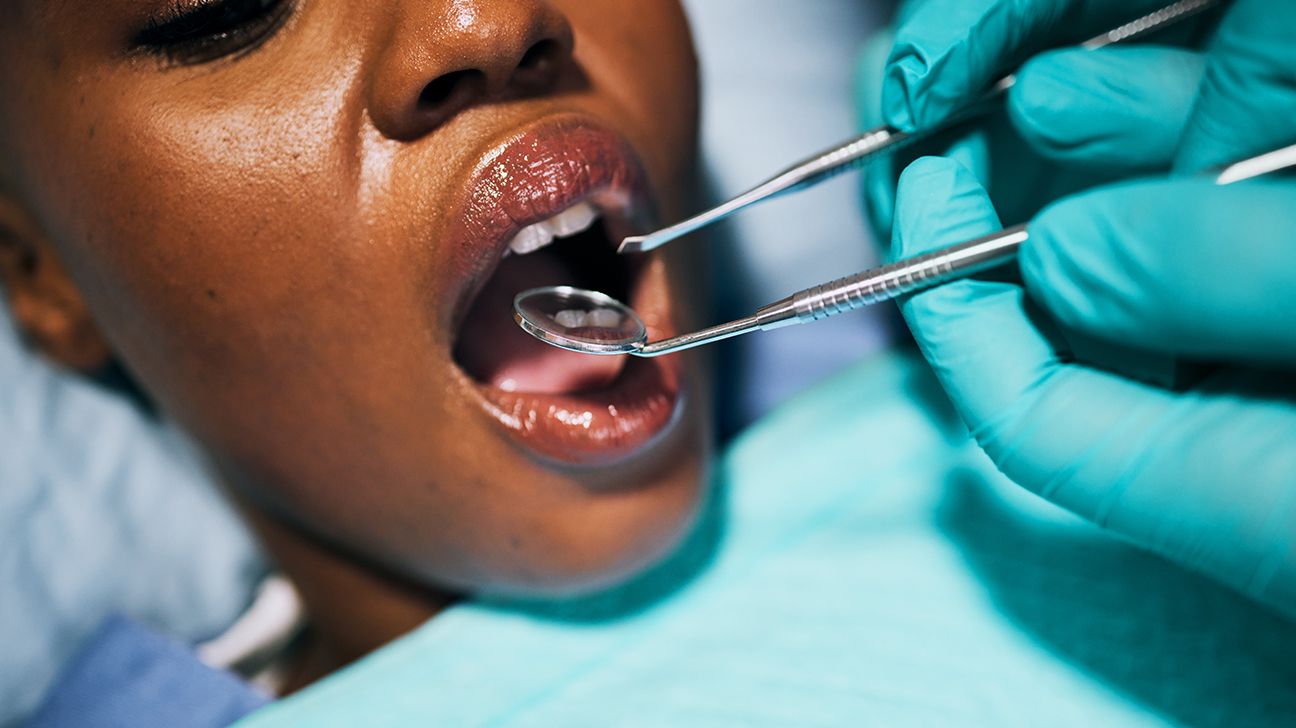
People using GLP-1 drugs are reporting an unusual side effect impacting dental health that some are calling “Ozempic teeth.” Jacob Wackerhausen/Getty Images
  • People using GLP-1 drugs like Ozempic are reporting what they call “Ozempic teeth.”
  • The unusual side effect refers to the dental health impacts of GLP-1 drugs, including tooth decay, sensitivity, and tooth loss.
  • Dentists say that dry mouth, vomiting, and low appetite are likely causes of these side effects.
  • Proper oral care is a must for people using GLP-1 medications.

You may have heard of GLP-1 side effect phenomena like “Ozempic face” or “Ozempic butt,” which refer to sunken cheeks or flat derriere following weight loss.

These changes often occur due to rapid fat โ€” and in some cases, muscle โ€” loss, which can leave skin looking more loose and aged, particularly on the face and buttocks.

Recently, many people using GLP-1 medications also report what has been termed “Ozempic teeth.”

According to Catrise Austin, DDS, a cosmetic dentist, author of “Stop Diabetes Today,” and host of the “Letโ€™s Talk Smiles Podcast,” as more people turn to medications like Ozempic and Wegovy (semaglutide) for diabetes and weight loss, dentists are seeing more patients experiencing a range of unexpected oral side effects.

“While not officially labeled as a clinical diagnosis, ‘Ozempic teeth’ is becoming a catch-all phrase describing the sudden onset of dental decay, sensitivity, and even tooth loss in patients on these medications,” Austin told Healthline.

“Ozempic teeth” may also include dry mouth, enamel erosion, inflamed gums, and, in severe cases, cracked or loose teeth, she noted.

“Though anecdotal, these stories have gained traction as more users share alarming dental side effects online and in media reports,” she said.

Of course, Ozempic is not the only GLP-1 drug linked to “Ozempic teeth.” Other GLP-1s may lead to similar side effects.

GLP-1 medications include tirzepatide (Mounjaro, Zepbound), liraglutide (Saxenda, Victoza), dulaglutide (Trulicity), and exenatide (Byetta, Bydureon BCise).

How Ozempic affects your dental health

Austin cited several mechanisms as likely culprits for Ozempic-related tooth issues.

Dry mouth (xerostomia)

“Reduced salivary flow is one of the most common complaints I hear from patients on GLP-1 medications,” she said. “Saliva is essential for neutralizing acids and protecting enamel. When itโ€™s diminished, the risk of decay and gum disease rises sharply.”

If you have dry mouth, you may feel thirsty, have trouble swallowing, feel like your mouth is sticky, or have dry, cracked lips.

Nausea and vomiting

Austin noted that clinical data reported by the Food and Drug Administration (FDA) show that nausea occurs in 16% to 20% of patients who use Ozempic. Additionally, 5โ€“9% have vomiting.

“Repeated exposure to stomach acid can erode tooth enamel and increase sensitivity,” she explained.

Malnutrition

“Some patients experience appetite suppression to the point of nutrient deficiency, which can affect gum health and healing,” said Austin.

Vitamin C, vitamin D, and B complex are just a few of the many vitamins that play a crucial role in gum health.

Reduced oral care

Austin additionally observed that some may neglect regular brushing and flossing while they are feeling unwell, which can lead to accelerated tooth decay.

For maximum benefit, you’ll also want to floss before you brush.

How to protect your teeth when using Ozempic

Ehsan Ali, MD, the “Beverly Hills Concierge Doctor” and board certified internal and geriatric medicine specialist, echoed Austin’s remarks about GLP-1-related tooth and gum problems. He added that it’s more than just your teeth that may be at stake.

“[Dental] health is tied to overall health,” he told Healthline. “Poor oral hygiene can increase your risk for infections, inflammation, and even heart disease over time.”

However, there are a few easy things you can do to protect yourself.

“First, hydration is key,” said Ali. “Drink lots of water throughout the day to keep your mouth from getting dry.”

You can also try using a mouth rinse that promotes saliva production or chewing sugar-free gum to help keep your mouth moist.

Ali also recommended avoiding skipping meals, even though you may not be feeling hungry.

“Nutrients like calcium and vitamin D are important for oral health,” he said. So, it’s essential to continue to eat a healthy, balanced diet and not restrict your caloric intake too severely.

For most people, a healthy calorie deficit is around 300โ€“500 calories per day.

Also, remember to brush and floss regularly and avoid acidic or sugary snacks, which can wear down tooth enamel, said Ali.

“If youโ€™ve been vomiting, rinse your mouth out with water and baking soda before brushing, as this helps neutralize stomach acid,” he advised.

Austin further suggested avoiding alcohol, tobacco, and caffeine, which can all worsen dry mouth.

When you should see a dentist or doctor for help

As GLP-1 medications like Ozempic, Wegovy, and Mounjaro continue to rise in popularity for diabetes management and weight loss, itโ€™s important to be aware of the potential oral health complications that may come with them.

While โ€œOzempic teethโ€ isnโ€™t a formal diagnosis, the growing number of reports about dry mouth, enamel erosion, and even tooth loss point to a real concern for many patients.

Simple steps can help protect your smile, including staying hydrated, maintaining consistent oral hygiene, eating a nutrient-rich diet, and using saliva-supporting products.

Itโ€™s also crucial to speak with your healthcare team if you experience persistent nausea or vomiting or notice any dental changes.

“If youโ€™re noticing new sensitivity, bleeding gums, bad breath that wonโ€™t go away, or any sudden changes like loose teeth or breakage, itโ€™s time to call your dentist,” said Ali.

If you are frequently experiencing nausea or vomiting, he said it’s also a good idea to speak with the doctor managing your weight loss.

“[They] may need to adjust your dose or add something to help protect your stomach,” he said.

“The earlier we catch it, the easier it is to manage โ€” and ideally, prevent permanent damage,” Ali said.

The bottom line? These medications can offer powerful health benefits, but being proactive about side effects ensures they donโ€™t come at the cost of your teeth.

As always, prevention and early intervention are key to keeping your oral health on track.

โ€˜Ozempic Teethโ€™ May Cause Tooth Decay, Other Dental Health Effects Read More ยป

Why Ozempic, Wegovy May Cause Hair Loss, Plus Tips to Help Treat It

Removing hair from a brush
GLP-1-related hair loss is usually a temporary side effect, and there are treatments available to help facilitate hair regrowth. Bondarillia/Getty Images
  • Some individuals taking GLP-1 drugs have reported hair loss as a possible side effect.
  • The exact cause of GLP-1-related hair loss is unclear, but experts say it could be attributed to weight loss from the medication.
  • This form of hair loss is considered temporary, and treatments are available to help facilitate hair regrowth.

Significant weight loss is one of the hallmarks of GLP-1 drugs,ย but some people have claimed that their hair is vanishing along with the excess pounds.

Although hair loss isnโ€™t an officially listed side effect of GLP-1 drugs โ€” a class of medications used to treat obesity and type 2 diabetes, including Wegovy, Ozempic, and Zepbound โ€” anecdotal reports and emerging research suggest that it’s a real phenomenon.

โ€œItโ€™s definitely a common thing that we’re seeing in the office,โ€ said Marisa Garshick, MD, a board certified dermatologist and clinical assistant professor of dermatology at Weill Cornell Medicine.

However, just because a side effect is common doesnโ€™t mean itโ€™s well understood.

There is little published literature on GLP-1-related hair loss, and it remains unclear how prevalent the condition is or whatโ€™s causing it. Most experts believe any resulting hair loss isnโ€™t caused by the drugs themselves, but rather by the weight loss they induce.

“We don’t think of it as something specifically unique to the GLP-1s, insofar as any kind of stress placed on the body โ€” be it physical, like surgery, or emotional, psychological, or a lifestyle change โ€” can sometimes contribute to a type of hair shedding called telogen effluvium,โ€ said Garshick.

GLP-1-related hair loss is generally temporary, though it may take time for hair to grow back. Several treatment options are available โ€” from diet and lifestyle changes to supplements, prescription medications, and more.

What causes sudden hair loss?

Telogen effluvium is a common type of sudden hair loss that typically results from stress or shock. Common triggers may include:

Other causes include nutrition deficiencies, endocrine disorders, and, yes, dramatic weight loss.

โ€œGLP-1 associated hair loss is unique in that the continued weight loss is a continued โ€˜stressor,’” said Jenni Holman, MD, FAAD, a diplomate of the American Academy of Dermatology.

“Unlike a singular exposure or event, the ongoing weight loss often slows the body’s ability to reset the hair shedding cycle. As opposed to shedding hair over a few weeks, the hair shedding may continue throughout the weight loss process,โ€ Homan explained.

Since this type ofย hair loss is likely linked to weight loss and not the GLP-1 drug itself, shedding may not start for months after beginning treatment.ย 

Telogen effluvium tends to resolve once the underlying stressor has been addressed. However, it may take several months before hair volume is restored.

โ€œGenerally, we can reassure patients that it’s a temporary process that does tend to get better with time,โ€ Garshick said.

GLP-1 hair loss vs. other forms of hair loss

Telogen effluvium or sudden hair loss differs from other forms of hair loss in significant ways.ย Here’s a closer look.

โ€œThe way we distinguish it typically is by the sudden onset of hair shedding that typically occurs with telogen effluvium,” Garshick said.

“It’s usually more diffuse, so youโ€™ll notice hair loss from everywhere, as opposed to androgenetic alopecia, which may be more of a localized area.”

What to do when shedding starts

If you notice increased hair shedding, Holman suggests taking a quick inventory of your personal history: โ€œAre there any new medications, stresses, illnesses, or major body [or] life changes in the last three months?โ€ย 

Diet and other lifestyle factors can have serious effects on hair health, so paying attention to what youโ€™re eating and general stress level are good places to start.

Since most people who take GLP-1s eat less, this may affect diet quality and potentially lead to nutritional deficiencies.

โ€œWhen hair loss occurs, I check for possible vitamin and iron deficiencies, which can be associated with hair loss. Vitamin D deficiency is common. I also check zinc levels,โ€ said Sun Kim, MD, an associate professor of Endocrinology at Stanford Medicine.

Protein deficiency during weight loss can also exacerbate hair loss, so Kim advises all patients to consume adequate protein while taking a GLP-1 drug.

In some cases, slowing the rate of weight loss may be an effective strategy to mitigate hair loss while also maintaining the benefits of the GLP-1 medication.

Do supplements work for GLP-1-related hair loss?

Garshick noted that robust scientific evidence to support the effectiveness of certain supplements for hair loss is still lacking.

“There are certain [supplements] where, anecdotally, we’ve had success and certainly I’ve had patients who have done very well,โ€ Garshick said.

Nutrafol, a clinically studied hair loss supplement, has been shown to improve hair regrowth. Other popular supplements include Viviscal and Wellbel.

Remember that nutritional supplements are not approved by the Food and Drug Administration (FDA), so do your due diligence before purchasing such products.

โ€œI recommend nutraceuticals [for hair loss] with some dose of skepticism because they are expensive,โ€ said Kim.

Holman cited some common over-the-counter supplements that may aid hair regrowth by directly addressing dietary deficiencies, such as iron or vitamin C. Such supplements may also be comparatively inexpensive.

โ€œSupplements are most helpful if the hair loss is related to a true deficiency of a nutrient,โ€ she said.

Serums and shampoos for hair loss

There are some topical serums with substantial evidence to support their effectiveness. Holman recommended platelet-derived exosome serums.

However, like supplements, the evidence for serums, where it exists at all, will vary, as will results.

Even if serums and other leave-in products donโ€™t directly impact hair loss, they may still support scalp and hair health, which can support hair regrowth.

Some types of shampoos may also be helpful.

โ€œThere’s a shampoo ingredient called ketoconazole that may be something to consider, especially if you have some underlying predisposition to androgenetic alopecia, in the context of the telogen effluvium,โ€ Garshick said.

โ€œKetoconazole shampoo or other medicated shampoos that have key ingredients like peptides or biotin can help to strengthen, volumize, and support the hair while we’re waiting for it to grow back,โ€ she added.

Can minoxidil help GLP-1-related hair loss?

Minoxidil has been approved for use by the FDA since the mid-1980s to help facilitate hair regrowth.

The medication promotes hair growth through anti-inflammatory, vasodilating, and anti-androgenic effects.

It’s available as both an oral pill and a topical liquid or foam.

โ€œLow-dose oral minoxidil is a mainstay of treatment for most types of hair loss,” Holman said.ย 

“While it doesnโ€™t specifically reset the shedding of telogen effluvium that correlates with new medications and weight loss, it does help overall hair growth.”

PRP, red-light therapy may promote hair regrowth

Platelet-rich plasma (PRP) uses a person’s own blood to isolate plasma, concentrate it, and then inject it into the body. Itโ€™s believed to promote healing and hair regrowth.

โ€œWhen we do that, it helps to stimulate the hair follicles to speed up that regrowth process,” Garshick explained. “So for some patients who they feel like the process is dragging on and they’re not noticing hair regrowth, sometimes this can speed it up.”

The benefits of PRP treatment for hair loss havenโ€™t definitively been proven, though a 2014 study found that it was effective in treating androgenic alopecia.

Red light therapy may also benefit hair regrowth and can be performed at home using a specialized hat or helmet.ย 

Holman noted that PRP injections and red and orange laser light caps can “achieve a synergistic effect with oral anti-androgens and supplements.”

How long does it take for hair to grow back?

Regrowing hair takes time, especially if you are continuing to lose weight with GLP-1 medication.

โ€œTypically, if the weight stabilizes, the hair should too,” Garshick said. “But, because hair takes a long time to grow, sometimes you might not see those changes for six to twelve months.”

Holman provided a slightly longer estimate: โ€œIf the GLP-1 hair loss is solely the telogen effluvium type hair loss, yes, the body can reset itself.ย  Typically, once weight remains stable, the body will begin to reset the shedding cycle. However, this can take 12-18 months once weight is stable.โ€

If you’re concerned about GLP-1-related hair loss, consulting a board-certified dermatologist may be a good first step.

โ€œA very real option is also not doing anything. In some cases, it’s better for patients to be heard, evaluated, and just be reassured that things will get better with time,โ€ Garshick said.

Although sudden hair loss can be concerning, remember that it’s likely a temporary side effect. Ask your prescribing physician about hair loss and what you can do about it before making any changes to your medication.

Why Ozempic, Wegovy May Cause Hair Loss, Plus Tips to Help Treat It Read More ยป

French Fries Linked to Higher Diabetes Risk, but Potatoes Are Still Healthy

French fries being cooked in a fryer
New research has found that consuming three or more servings of French fries per week is associated with a 20% increased risk. Kobus Louw/Getty Images
  • Eating French fries three or more times a week is linked to a 20% higher risk of developing type 2 diabetes.
  • Experts say the way fries are processed and cooked, including added sugars, refined oils, and high heat, plays a major role in raising the risk.
  • Fries are considered an ultra-processed food that may impact blood sugar, gut health, and inflammation when eaten regularly.
  • An occasional serving of fries is unlikely to cause harm, but it’s recommended to limit intake and focus on balanced, whole-food meals to support metabolic health.

Love a side of fries? New research cautions that moderation is key.ย 

Eating fried potato products like French fries three times weekly is linked to a higher risk of developing type 2 diabetes (T2D).

Researchers followed over 150,000 participants over several decades and found that those who ate fried potatoes frequently were more likely to develop T2D compared to those who ate them less often.ย 

The study, published on August 6 in The BMJ, showed that consuming three or more servings of French fries per week is associated with a 20% increased risk.

Experts say the findings highlight well-established concerns over ultra-processed food consumption and the role these foods play in blood sugar regulation and long-term health.

Fries, other ultra-processed foodsย negatively impact health

Nichola Ludlam-Raine, a registered dietitian and author of “How Not to Eat Ultra-Processed,” wasn’t involved in the new study but said she isnโ€™t surprised by the findings.

โ€œFrench fries are a form of ultra-processed food high in refined carbohydrates, fat (often from unhealthy oils due to the re-heating and reuse of them), and calories,โ€ she told Healthline.

A 2022 metaโ€‘analysis of 1.1 million people found that moderate intake of ultraโ€‘processed foods (UPFs) is linked with a 12โ€ฏ% higher risk of developing typeโ€ฏ2 diabetes (and up to 31โ€ฏ% higher risk with high consumption).

While potatoes are naturally rich in fiber, potassium, and vitamins C and B6, itโ€™s how they are prepared that matters.ย 

โ€œFrying potatoes increases their energy density (calories per gram) and often introduces harmful compounds like trans fats or advanced glycation end products, especially when oils are reused,โ€ said Ludlam-Raine.

โ€œFrying also breaks down some of the natural fiber and increases the glycemic response.โ€

Caroline Roberts, a nutritional therapist at Integral Wellness, explained that industrially prepared fries go through multiple steps that can raise their glycemic index. Roberts wasn’t involved in the new study.

โ€œFor the big chain fast food restaurants and any frozen French fries you buy in the supermarket, the skin of the potato is removed, removing most of the fiber content and immediately raising the glycemic index,โ€ she told Healthline.

โ€œOnce cut and washed, sugar is added as part of the preparation process before they are cooked, which ensures they have the golden brown colour we all know, but raises the glycemic index of the fries further.โ€

Roberts added that the part-boiling and part-frying process increases fat content and gelatinizes starch, which may cause a rapid rise in blood glucose levels.

Then there are the extra ingredients to consider. 

โ€œUltra-processed foods like French fries often contain additives, preservatives, emulsifiers, and refined oils that aren’t typically used in home cooking,โ€ Ludlam-Raine noted.

โ€œThese can negatively impact the gut microbiome, promote inflammation, and contribute to insulin resistance over time.โ€

A comprehensive review involving nearly 10โ€ฏmillion participants linked UPF consumption to at least 32 adverse health outcomes, including typeโ€ฏ2 diabetes, among others such as:

  • cardiovascular disease
  • obesity
  • mental health conditions
  • premature death

Fries in moderation unlikely to cause harm

Some good news? If you enjoy French fries, you donโ€™t have to swear off them forever. 

โ€œOverall dietary pattern is crucial when assessing diabetes risk,โ€ Roberts said.

A healthy diet that emphasizes whole foods with adequate protein, fiber, and healthy fats can help minimize the risk of type 2 diabetes. Therefore, Roberts noted, the occasional serving of fries can be enjoyed as part of a balanced diet.

Ludlam-Raine agreed that French fries should be consumed in moderation rather than regularly.

โ€œWhile an occasional portion isnโ€™t likely to cause harm, habitual intake matters,โ€ she said. โ€œIโ€™d recommend limiting fries and similar foods to no more than once every couple of weeks and ensuring meals are balanced to help stabilize blood sugar.โ€

Like other ultra-processed foods, however, French fries are designed to be highly palatable, which may trigger cravings and lead to overconsumption and raise blood sugar levels, Roberts noted.

Refined carbs may spike blood sugar

The new research also flagged white rice as a potential contributor to type 2 diabetes. Like French fries, white rice can be digested quickly and cause blood sugar spikes.ย 

โ€œWhite rice has been stripped of its fibrous outer layer,โ€ said Roberts. โ€œWithout fiber, white rice is rapidly digested and can raise blood sugars significantly in some people.โ€

Ludlam-Raine explained that โ€œrefined carbohydrates are quickly broken down into glucose, causing rapid rises in blood sugar and insulin levels. These foods lack the fiber, vitamins, and minerals found in whole grains, which help slow digestion and support metabolic health.โ€

This doesnโ€™t mean white rice is off the menu entirely. Pairing it with protein and healthy fats can prevent rapid blood sugar spikes. 

If youโ€™re looking for an alternative, experts recommend simple swaps, like brown rice, bulgur, or quinoa.ย 

A balanced diet helps lower diabetes risk

If youโ€™re worried about your type 2 diabetes risk or youโ€™re looking to reduce your intake of French fries, there are lots of ways you can make healthier choices. 

If you want to make something similar to French fries at home, Roberts advised cutting white potatoes into wedges, keeping the skin on to retain the fiber content, and using an air fryer to cook them so that no oil is needed. 

โ€œCooked and reheated white potatoes have a much lower glycemic index because the process of cooling and reheating them activates their resistant starch content,โ€ she explained.ย 

Ludlam-Raine recommended โ€œhomemade oven-baked potato or sweet potato wedges using olive oil and herbsโ€ as an easy alternative.

Itโ€™s what you eat day to day that truly matters most. 

Both experts stressed the importance of building meals with blood sugar balance in mind: focus on whole food protein sources, fiber-rich vegetables, and healthy fats.

To help lower your risk of type 2 diabetes, Ludlam-Raine offered a few nutrition tips:

  • Include fiber at every meal from vegetables, whole grains, pulses, nuts, and seeds.
  • Prioritize protein, like eggs, fish, tofu, or beans.
  • Choose healthy fats, such as olive oil, avocado, and oily fish.
  • Limit less nutritious ultra-processed foods and sugary drinks.

Roberts added that hydration and balanced snacking also play a role in supporting blood sugar regulation.

Ultimately, most experts agree itโ€™s the overall pattern of what you eat that matters most. 

โ€œMaking small, sustainable swaps, like choosing whole grains over refined carbs and preparing meals at home more often, can significantly reduce long-term risk,โ€ said Ludlam-Raine.

French Fries Linked to Higher Diabetes Risk, but Potatoes Are Still Healthy Read More ยป

What are the symptoms of the chikungunya virus and is there a vaccine?ย 

Chikungunya may not be a household name, but this mosquito-borne viral infection has become a significant concern for travellers to some destinations. The disease, whose name derives from the Kimakonde (a language of Southern Tanzania) word meaning โ€˜that which bends upโ€™ due to the severe joint pain it causes, has spread across the globe in โ€ฆ

What are the symptoms of the chikungunya virus and is there a vaccine?ย  Read More ยป

How RFK Jr.’s Move to Cut mRNA Vaccine Funding Impacts Public Health

RFK Jr. cuts $500 in funding for vaccines
RFK Jr.’s decision to pull funding for mRNA vaccines could thwart public health responses to future pandemics. Anna Moneymaker/Getty Images
  • HHS Secretary Robert F. Kennedy Jr. announced the agency will pull $500 million in funding for 22 mRNA vaccine development programs.
  • Kennedy criticized mRNA vaccines, claiming the evidence-based technology “failed to protect” against respiratory diseases like COVID-19 and influenza.
  • Experts say terminating funding for mRNA vaccine programs could impact public health responses to future pandemics and the fight against cancer and other diseases.

The U.S. Department of Health and Human Services (HHS) announced on August 5 that it will withdraw $500 million in funding from vaccine development projects.

The decision follows what the agency described as a comprehensive review of mRNA-related investments that began during the COVID-19 public health emergency.

โ€œWe reviewed the science, listened to the experts, and acted,โ€ HHS Secretary Robert F. Kennedy Jr. said in a statement shared with Healthline. โ€œWeโ€™re shifting that funding toward safer, broader vaccine platforms that remain effective even as viruses mutate.โ€

Kennedy said the decision to terminate 22 mRNA vaccine development projects is based on data showing that the vaccines โ€œfail to protect effectively against upper respiratory infections like COVID and flu.โ€ 

Some final-stage contracts with vaccine makers (i.e., Arcturus and Amplitude) have been granted permission to conclude their projects, but no new mRNA-based projects will be allowed.  

โ€œLet me be absolutely clear: HHS supports safe, effective vaccines for every American who wants them. Thatโ€™s why weโ€™re moving beyond the limitations of mRNA and investing in better solutions,โ€ Kennedy said.

The shift in health policy aligns with Kennedyโ€™s ongoing skepticism over vaccine safety and effectiveness.

The Health Secretary has criticized mRNA technology on his social media platforms, scaled back recommendations for COVID-19 shots, dismissed the CDC panel that recommends vaccines, and has been generally skeptical of vaccination against measles amidst a growing outbreak.

The HHS attests that vaccines developed against COVID-19 that were funded for emergency use โ€œfailed to meet scientific standardsโ€ and will be replaced with โ€œevidence-based solutions,โ€ such as whole-virus and novel platforms.

In a news conference following the HHS announcement, Kennedy said the administration’s next focus is a โ€œuniversal vaccineโ€ that mimics โ€œnatural immunity,โ€ the Associated Press reported.

mRNA vaccines considered safe, effective

Public health experts have expressed concern over the agencyโ€™s move.

Most experts support the large body of evidence showing that mRNA is a safe and effective, evidence-based technology for fighting respiratory diseases like COVID-19, influenza, and respiratory syncytial virus (RSV)

mRNA vaccines have also shown promise as treatments for certain forms of cancer and other chronic diseases.

โ€œThese vaccines have been used in millions of doses around the world and have been subject to very careful scrutiny as to their effectiveness and safety by the Ministries of Health of many countries around the world, not just our own,โ€ said William Schaffner, MD, an infectious disease specialist and a professor of medicine at Vanderbilt University in Nashville.

โ€œThe latest technology, which has been [around] for over 20 years, burst upon the scene when scientists were able to very quickly create the extraordinarily effective and safe mRNA COVID-19 vaccines,โ€ he told Healthline.

โ€œHaving federal seed money that spurs further research withdrawn is very, very disappointing, and certainly will slow further development.โ€

Universal vaccines vs. mRNA vaccines

Kennedy said that health officials and scientists will shift their focus to developing universal vaccines against respiratory illnesses that mimic natural immunity.

Universal flu vaccines are still in development, but some studies have shown promising results.

Schaffner explained that a universal influenza or COVID-19 vaccine would protect against a variety of constantly mutating flu or SARS-CoV-2 strains.

Current vaccines against respiratory illnesses like the coronavirus, which were until recently, being constantly updated, are indeed strain-specific in that theyโ€™re designed to target a particular dominant strain to fight against severe illness. 

A universal vaccine would protect us against strains that have yet to emerge and potentially offer longer-term protection compared to current mRNA vaccines.

โ€œThat’s a wonderful goal, but we shouldn’t stop investigating any technology,โ€ Schaffner said. โ€œWithdrawing funding from further development of mRNA vaccines is contrary to a better public health in the future. With vaccines, newer technology allows us to prevent more diseases. And of course, the prevention of disease is medicine’s most noble and highest goal.โ€

Schaffner noted that pulling funds from mRNA research could also thwart preparedness against the next respiratory disease pandemic, be it bird flu, another coronavirus, or some not-yet-discovered pathogen.

โ€œI’m optimistic โ€” but optimism doesn’t drive science,โ€ Schaffner said.

How RFK Jr.’s Move to Cut mRNA Vaccine Funding Impacts Public Health Read More ยป

Deion ‘Coach Prime’ Sanders Advocates for Bladder Cancer Screening After Close Call

Deion Sanders
Deion ‘Coach Prime’ Sanders is raising awareness about getting screened for bladder cancer. Ed Zurga/Getty Images
  • University of Colorado football coach Deion Sanders shared he was successfully treated for bladder cancer after having his bladder removed.
  • ‘Coach Prime’ said the cancer was detected early after he underwent a routine CT scan to monitor his other health conditions.
  • Experts say itโ€™s particularly important for men over 50 to get screened for bladder cancer since the disease can be treated if caught in its early stages.

University of Colorado football coach Deion Sanders is getting the word out about bladder cancer screenings after his close call with the disease.

‘Coach Prime,’ 57, saidย that medical professionals detected bladder cancer after he underwent a routine CT scan earlier this year. In a recentย press conference, the former two-sport star said the early diagnosis led to successful bladder surgery, and he is now โ€œcuredโ€ of his cancer.

โ€œMen โ€” everybody โ€” get checked out because if it wasnโ€™t for me getting tested for something else, they wouldnโ€™t have stumbled upon this,โ€ said Sanders, who played professional football and baseball. โ€œAnd make sure you go to get the right care because without wonderful people like this, I probably wouldnโ€™t be sitting here today.โ€

Sanders went in for his CT scan this spring because of previous issues he had with blood clots and chronic vascular disease that led to the amputation of two of his toes last year.

The scan revealed there was a tumor in Sandersโ€™ bladder. Surgeons removed the tumor and learned the cancer had invaded the bladder wall but had not yet reached the muscular layer beyond the wall.

Janet Kukreja, MD, a robotic surgery expert at the University of Colorado School of Medicine, said at the press conference that she recommended bladder removal because, without that surgery, there was a 50% chance the cancer would return.

โ€œI am pleased to report that the results from the surgery are that he is cured from the cancer,โ€ Kukreja said.

Sanders said he went public with his diagnosis and treatment to help save lives. โ€œWe are helping some folks today. Thereโ€™s some folks right now calling their doctors, scheduling checkups,โ€ he said.

Experts say Sanders is offering good advice.

โ€œIt is important to understand that the earlier bladder cancer is diagnosed, the less involved the treatment and increase in the rate of cure,โ€ said Ramkishen Narayanan, MD, an urologist and urologic oncologist and the director of the Center for Urologic Health at The Roy and Patricia Disney Family Cancer Center at Providence Saint Joseph Medical Center Occupational in California.

Stages and risks of bladder cancer

The American Cancer Society (ACS)ย estimatesย there will be about 85,000 new cases of bladder cancer in the United States in 2025. About 65,000 of those cases will be males.

More thanย 90% of people diagnosed with bladder cancerย are over the age of 55, with the average age of diagnosis being 73.

The ACS projects that about 17,000 people in the U.S. will die from bladder cancer this year. About 12,000 will be males.

Bladder cancer is the 10th leading cause of cancer death in the U.S. Bladder cancer death rates have decreased by about 1% per year since 2013.

The stages of bladder can vary. The five stages are:

  • Stage 0: Cancer hasnโ€™t spread beyond the bladder lining
  • Stage 1: Cancer has spread past the lining of the bladder
  • Stage 2: Cancer has spread to the layer of the muscle in the bladder
  • Stage 3: Cancer has spread to tissues surrounding the bladder
  • Stage 4: Cancer has spread to neighboring areas of the bladder

The 5-year survival rates for bladder cancer are vastly different, depending on the stage. According to the National Cancer Institute, there is a 97% survival rate for cancer that hasnโ€™t spread past the lining of the bladder but only an 8% survival rate for cancer that has spread to other parts of the body.

Jack Jacoub, MD, a medical oncologist and the medical director of MemorialCare Cancer Institute at Orange Coast and Saddleback Medical Centers in California, told Healthline there is a big difference between low risk bladder cancer in its early stages and the high risk version in the latter stages.

He said cancer spreading to the muscle layer and surrounding tissues is โ€œthe critical point in the development of bladder cancer.โ€

Jacoub said itโ€™s not entirely clear how bladder cancer develops. He noted that, like the colon, the bladder stores waste products, and the chemicals from those products can leak into surrounding layers and tissues.

โ€œThe bladder at the end of the day is a reservoir,โ€ he explained.

Symptoms and treatment for bladder cancer

Bladder cancer occurs when abnormal bladder cells divide and grow out of control. These cells can form a tumor and eventually spread to surrounding muscles and organs.

The number one risk factor is smoking. About 50% of bladder cancer cases are linked to smoking.

The ACSย reportsย that people who smoke may be three times more likely to develop bladder cancer than people who donโ€™t smoke.

โ€œSmoking hands down is the biggest risk factor,โ€ Jacoub said.

Sanders has never smoked, so itโ€™s clear there are still other risk factors. They include exposure to certain chemicals, a family history of the disease, and chronic bladder infections.

โ€œCigarette smoking is the dominant risk factor โ€” carcinogens are inhaled, filtered by [the] kidneys into urine, and exposed to the bladder,โ€ noted Narayanan.

โ€œExposures โ€” aromatic amines and dyes found in industries such as metal, leather, painting and hair-coloring, plastics manufacturing, and firefighting — significantly elevate risk,โ€ he told Healthline.

The most common symptoms of bladder cancer are:

Bladder cancer can also cause pain in the abdomen and lower back, as well as fatigue, loss of appetite, and swollen feet.

The disease is usually initially detected from lab tests, such as aย urinalysis. Doctors may then order tests such as aย cystoscopy, aย biopsy, or aย CT scanย for further diagnosis.

Theย treatmentย for bladder cancer depends on the stage at which it is discovered.

In the early stages, doctors may elect to simply remove the tumor and/or order chemotherapy or immunotherapy for the patient.

In later stages, doctors may decide to remove part or all of the bladder as well as order chemotherapy, radiation, and immunotherapy.

โ€œBladder cancer is often treatable, especially when found early,โ€ย Eugene Shkolyar, MD, a clinical associate professor of urology at Stanford University in California, told Healthline. โ€œThe most important determinant in treatment is what type of bladder cancer is found.โ€

Deion Sanders’ bladder removed during cancer treatment

In Sandersโ€™ case, doctors elected to take out his entire bladder.

In thatย type of surgery, doctors first remove the bladder. Next, they cut out about a foot and a half of the end section of the small intestine known as the ileum.

Surgeons then slice that section of the ileum so it lies flat. Then they fold the section in half and attach the back end to the front end.

The surgeon then secures this neobladder to the kidneys and urethra.

The neobladder doesnโ€™t function like the original bladder because it doesnโ€™t send signals to the brain to let a person know when to urinate.

People like Sanders who have neobladders undergo training to learn to control their urination functions during the day. However, there is usually leakage when the person is asleep.

Shkolyar said the recovery after bladder removal can be a long road.

โ€œAfter bladder removal (cystectomy) recovery can take several months,โ€ he said. โ€œThis is a major operation that involved not only removing the bladder but also re-routing the urinary tract using the intestines. Patients first focus on regaining bowel function and learning how to manage their urinary system. Afterward, the focus is on return to good nutrition, physical strength, and function. This can take up to three months for some.โ€

At a recentย press conference, Sanders acknowledged he now โ€œdepends on Depends.โ€ He noted there will probably be a portable toilet on the field when he coaches University of Colorado football games.

Sanders said itโ€™s important that people talk about these issues.

“I know there’s a lot of people out there going through what I’m going through. And dealing with what I’m dealing with,” he said. “And let’s stop being ashamed of it.”

Shkolyar said follow-up appointments are crucial for anyone who has been treated for bladder cancer.

โ€œNo matter the treatment, ongoing follow-up is important to watch for recurrence and manage any side effects,โ€ he said. โ€œSupport from multidisciplinary healthcare teams with expertise in bladder cancer is critical.โ€

Sandip Prasad, MD, the surgical director of genitourinary oncology and vice chair of urology at Morristown Medical Center in New Jersey, a part of the Atlantic Health System, agrees that consistent check-ins with medical professionals is crucial for people who have had bladder cancer.

โ€œFor all bladder cancer patients, there will be a lifetime of follow-up to ensure the disease does not recur,โ€ Prasad told Healthline. โ€œFor this reason, your relationship with your urologist is critically important to maintain good communication, preserve quality of life, and achieve a long and healthy life as a bladder cancer survivor.โ€

Deion ‘Coach Prime’ Sanders Advocates for Bladder Cancer Screening After Close Call Read More ยป

James Van Der Beek on Colorectal Cancer: ‘Itโ€™s Harder Than I Thought It Would Be’

James Van Der Beek shares his colorectal cancer story
James Van Der Beek is raising awareness about rising colorectal cancer rates in young people. Photography courtesy of Guardant Health
  • James Van Der Beek shares his journey with early onset colorectal cancer after being diagnosed at 46.
  • The former โ€œDawsonโ€™s Creekโ€ star is spreading awareness about the rising cases of colorectal cancer in young people.
  • Van Der Beek teamed up with Guardant Health to inform others about the importance of colon cancer screening and early detection.

At 46 years old, actor James Van Der Beek noticed minor changes in his bowel movements.

โ€œThere wasnโ€™t any red flag or something glaring,โ€ he told Healthline.

However, out of caution, the โ€œDawsonโ€™s Creekโ€ star felt the need to see his doctor. After undergoing a colonoscopy in August 2023, Van Der Beek learned he had colorectal cancer.

โ€œI was healthy. I was doing the cold plunge. I was in amazing cardiovascular shape, and I had stage 3 cancer, and I had no idea,โ€ he said.

Because his cancer occurred before age 50, it is considered early onset colorectal cancer. Rates of early onset colorectal cancer in the United States haveย nearly doubledย since the early 1990s. In 1994, the incidence rate wasย 4.8 casesย per 100,000 people, and in 2021, it rose to 10.1 per 100,000 people.

โ€œWith this upward trend of 2โ€“4% annually, gastroenterologists and colorectal surgeons are very concerned that we may not be capturing the full scope of the disease early enough, particularly in asymptomatic younger individuals who do not meet traditional risk-based criteria,โ€ Paul Johnson, MD, surgical oncologist with Methodist Le Bonheur Healthcare, told Healthline.

In 2018, due to the alarming rise in the incidence of young-onset colorectal cancer, the American Cancer Society lowered the screeningย age for average-risk patients from 50 to 45. In 2021, the U.S. Preventive Services Task Force (USPSTF) echoed this recommendation, stating that colon cancer screening should begin for all adults ages 45โ€“49.

A research letter published on August 4 in JAMA Network notes that the 50% increase in colorectal cancer incidence from 2021 to 2022 is likely a reflection of the recent changes to colon cancer screening guidelines for adults under 50.

Getting screened for colon cancer can lead to early detection, which improves survival and decreases the likelihood of needing chemotherapy, immunotherapy, or radiation, Johnson noted.ย When colorectal cancer is caught in early stages, survival is over 90%. A doctor can help determine if a stool-based test that looks for cancer is the best option or if a colonoscopy, which examines the colon and rectum, is best.

โ€œThe proverb โ€˜an ounce of prevention is worth a pound of cureโ€™ is very apropos because we know that if we remove polyps, an abnormal growth in the lining of the colon or rectum, we can interrupt the pathway of that polyp becoming cancer,โ€ Johnson said.

While colonoscopy remains the gold standard of screening and can detect polyps with remarkable accuracy, he said, the procedure also allows doctors to remove the polyps on the spot, thereby preventing development into cancer.

However, he noted that newer options, such as stool DNA-based colorectal cancer screening tests and the FDA-approved blood-based test Shield, have introduced additional options.

To encourage people to get screened, Van Der Beek partnered with Guardant Health to raise awareness about the Shield blood test. โ€œI really want to impress upon people that you donโ€™t need symptoms to get screened. If you are 45 or older or have a family history, talk to your doctor about your screening options,โ€ he said.

Healthline talked with Van Der Beek to hear more about his cancer journey and why he is speaking out.

This interview has been lightly edited and condensed for clarity and length.

What should people to know about colon cancer?

Van Der Beek: I want to unpack the numbers. It is the second leading cause of cancer death, but if you look closer, itโ€™s also the most curable.

I really want people to understand that [when found] in the early stages, the survival rates skyrocket.

Before my diagnosis, I didnโ€™t know much about colorectal cancer. I didnโ€™t even realize the screening age dropped to 45; I thought it was still 50.

Just put [screening] on your radar, even if youโ€™re young, even if youโ€™re healthy because unfortunately cases are rising, especially in younger, healthier people.

Did your diagnosis give you a new perspective on life?

Van Der Beek: Oh, for sure. I think I take things a little bit more slowly. I think Iโ€™ve learned to really appreciate the small moments and to let go of the things that wouldโ€™ve upset me prior.

Itโ€™s really taught me a lot about myself, how important self-love is, and how important positive self-talk is. Itโ€™s really made me take a good, hard look at who I am.

How did your cancer diagnosis affect your mental health?

Van Der Beek: It is challenging. In the beginning, one thing I used to say a lot was, โ€œThis is harder than I thought it would be.โ€

I would say find out who you can lean on and ask for help. Really find who your people are and reach out. You canโ€™t do this alone.

That was the biggest [challenge] for me because I never asked for help. And what I realized was just how many people were there to show up for me, how Iโ€™d been wronging them of the opportunity to show up because I try to do everything all the time.

How important is preventive healthcare?

Van Der Beek: Colorectal cancer just wasnโ€™t on my radar before, so yeah, Iโ€™ve got a much greater awareness and Iโ€™m the one telling all my friends to talk to their doctor, find out about screening options.

What I love about the Shield test is itโ€™s convenient, simple, FDA approved โ€” itโ€™s a simple blood draw and it could be done at your next doctorโ€™s appointment.

Obviously, colonoscopy is still the gold standard for screening, but for anybody who has barriers around that, what they found is that adherence to a colonoscopy recommendation is not that great.

But people are three times more likely to adhere to [screening] advice when itโ€™s just a blood test. Itโ€™s convenient for people who either canโ€™t take off work to do a colonoscopy or who [face] other barriers to some of the other testing methods.

How does it feel to share your cancer journey?

Van Der Beek: It is really life affirming. I feel like itโ€™s a big part of my healing process to spread the word and to help anybody I can from having to go through what I have been through.

Using a platform for a purpose is definitely a lot more fun than trying to push my next project, which Iโ€™m not above doing. [I] get to spread the word and feel like everything Iโ€™ve been going through has purpose.

James Van Der Beek on Colorectal Cancer: ‘Itโ€™s Harder Than I Thought It Would Be’ Read More ยป

GLP-1 Drugs Linked to Age-Related Macular Degeneration, Study Finds

Older female getting eye exam
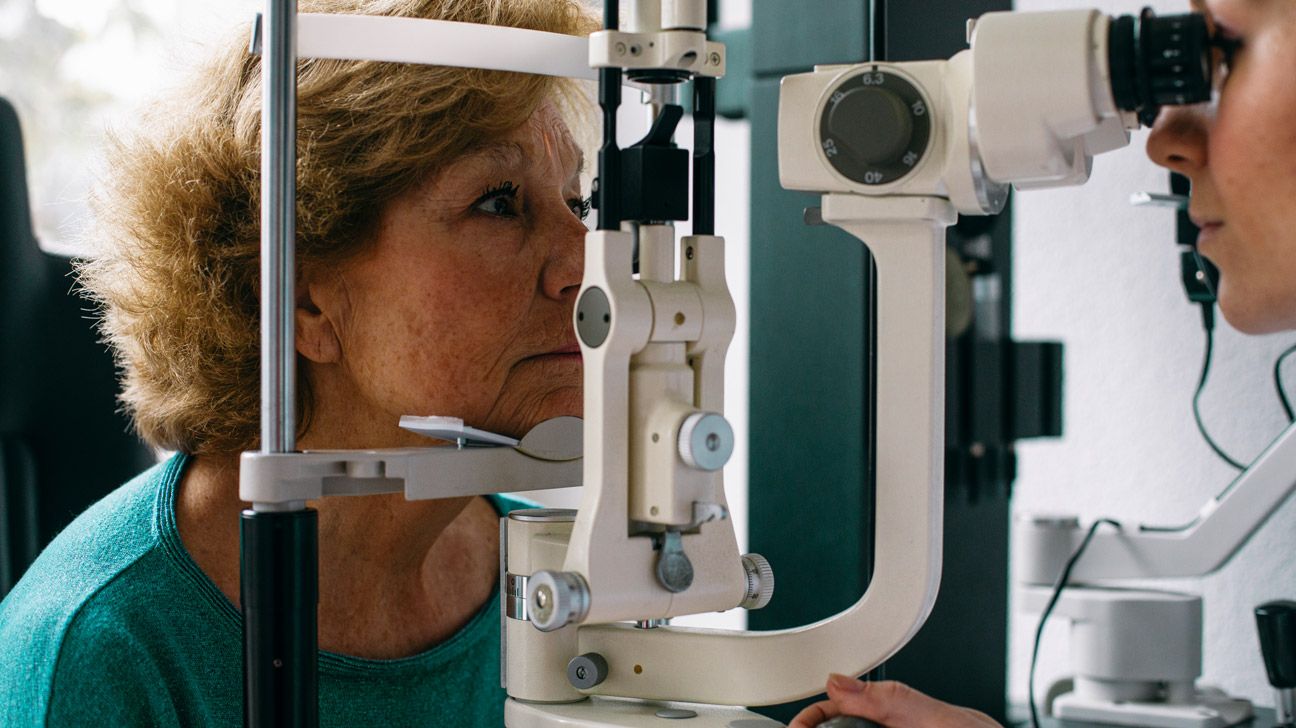
GLP-1 drugs like Ozempic could lead to a higher risk of wet age-related macular degeneration in people with type 2 diabetes. Westend61/Getty Images
  • GLP-1 drugs are associated with a higher risk of “wet” age-related macular degeneration in people with type 2 diabetes, according to a new study.
  • Researchers found that the risk substantially increased the longer people were prescribed a GLP-1 drug, particularly those containing semaglutide.
  • GLP-1 medications like Ozempic and Wegovy have surged in popularity as weight loss treatments, but ophthalmologists say their potential risks to eye health are not well understood.

GLP-1 drugs are linked to a significantly higher risk of developing neovascular or โ€œwetโ€ age-related macular degeneration, according to new research.

The study, conducted by researchers at the University of Toronto, found that people with type 2 diabetes who were prescribed GLP-1s were more than twice as likely to develop wet AMD as those who werenโ€™t. The study also found that the longer subjects were treated with these medications, the greater their risk of developing wet AMD.

Neovascular age-related macular degeneration, commonly known as wet AMD, is the less common but more aggressive form of age-related macular degeneration, and a leading cause of irreversible vision loss among older adults in the United States.

The findings, published on June 5 in JAMA Ophthalmology, suggest that doctors and patients should be aware of the potential risks, even though the chance of developing the condition remains relatively low.

GLP-1 drugs, a class of blockbuster diabetes and obesity drugs sold under brand names like Ozempic and Wegovy, have surged in popularity in recent years. They offer a range of substantial benefits, including weight loss, improved blood sugar levels, and reduced cardiovascular disease risk.

Despite these benefits, ophthalmologists say the impact of GLP-1 drugs on eye health is not well understood. Studies have identified an association between the medications and other eye conditions, including diabetic retinopathy and non-arteritic anterior ischemic optic neuropathy (NAION). 

While the findings donโ€™t establish a clear causal link between GLP-1 drugs and eye disease, experts say thereโ€™s still reason for caution.

โ€œThe dose-response effect we observed โ€” where longer GLP-1 receptor agonist exposure was associated with higher risk โ€” strengthens the argument that this association may reflect a true biological effect rather than being due to confounding factors,โ€ said study co-author Andrew Mihalache, MD(C), of the Temerty Faculty of Medicine at the University of Toronto, Canada.

โ€œSeeing a graded relationship like this suggests that prolonged exposure could play a causal role in increasing risk. However, this needs to be confirmed in future studies,โ€ he told Healthline.

Long-term GLP-1 drug use may triple wet AMD risk

Drawing on health records from Ontario, Canada, researchers at the University of Toronto analyzed nearly 140,000 adults with type 2 diabetes to investigate a possible link between GLP-1 use and wet AMD. The retrospective study tracked patient outcomes over a three-year period, using data collected between 2020 and 2023.

Roughly one-third of participants โ€” about 46,000 people โ€” had been prescribed a GLP-1 drug for at least six months. The rest had not.

In the vast majority of cases (97.5%), that drug was semaglutide, the active ingredient in Ozempic and Wegovy.

The average participant was 66, and the cohort was almost evenly divided by sex, with females representing 46.6% of the group.

On average, those who were prescribed a GLP-1 drug were more than twice as likely to be diagnosed with wet AMD.

However, that number doesnโ€™t tell the full story. People who took GLP-1 drugs for longer experienced progressively greater risk. Those who had only taken their medication for 6โ€“18 months actually had a slightly lower risk than those who didnโ€™t take the medication. 

However, at the 18โ€“30 month mark, GLP-1 users’ risk of developing wet AMD more than doubled compared to non-users. And those taking the drugs for 30 months or longer had more than triple the risk.

โ€œThis was definitely surprising, especially given the growing enthusiasm for GLP-1 receptor agonists for their cardiovascular and metabolic benefits. It really highlights the need for further investigation into their ocular safety profile,โ€ first study author Reut Shor, MD, of the Department of Ophthalmology and Vision Sciences at the University of Toronto, Canada, told Healthline.

Despite the increase in risk, the absolute risk of developing wet AMD was still low: 0.2% among those taking a GLP-1 and 0.1% among those who didnโ€™t.

Do GLP-1 drugs harm eye health?

While not definitive, the study raises further questions about the potential risks posed by GLP-1 drugs for eye health.

Prior studies have also identified links between GLP-1s and other forms of eye disease in people with type 2 diabetes.

In a major phase 3 semaglutide trial in 2016, researchers identified that type 2 diabetes patients taking semaglutide had a higher risk of complications of diabetic retinopathy compared to a placebo. Those findings were published in The New England Journal of Medicine. 

However, other studies have provided conflicting evidence. A retrospective 2024 study evaluated nearly 700 subjects with type 2 diabetes who were taking a GLP-1 drug and found no association between GLP-1s and worsening retinopathy.

Also in 2024, researchers found that patients with type 2 diabetes who were prescribed semaglutide were at greater risk of NAION compared to those who weren’t. NAION is a condition that causes sudden blindness, typically just in one eye, due to a lack of blood flow to the optic nerve.

The mechanism for why GLP-1 drug use may lead to wet AMD is not well established, but a predominant theory is that lowering blood sugar rapidly leads to a lack of oxygen in the retina.

โ€œWhen you make the retina more hypoxic, which is what the GLP-1s do, it basically pushes it further over the threshold, causing more abnormal blood vessels to grow,โ€ said Linda Lam, MD, MBA, an ophthalmologist with Keck Medicine of USC, who wasnโ€™t involved in the research.

Abnormal blood vessel growth in the eye is the hallmark of wet AMD.

While GLP-1s offer many health benefits, eye disease risk must be considered in some populations, Lam told Healthline.

โ€œIn this particular group of patients who are older, who are diabetics, I really would caution against the extended use of GLP-1s,โ€ she said.

Lam reiterated the importance of annual eye exams for the general population, but in particular for those with diabetes, to identify and diagnose eye disease early on.

People with type 2 diabetes, especially those taking a GLP-1 drug, should be aware of the signs and symptoms of vision loss and consult with their doctor immediately. These include:

  • distortion or blurriness in the central area of vision
  • objects having a curved or wavy shape (metamorphopsia)
  • new blind spots
  • difficulty with tasks such as reading or driving
  • difficulty recognizing familiar faces

GLP-1 Drugs Linked to Age-Related Macular Degeneration, Study Finds Read More ยป

Sign In Sign Up
Sign In Sign Up
x

Chatbot

Scroll to Top