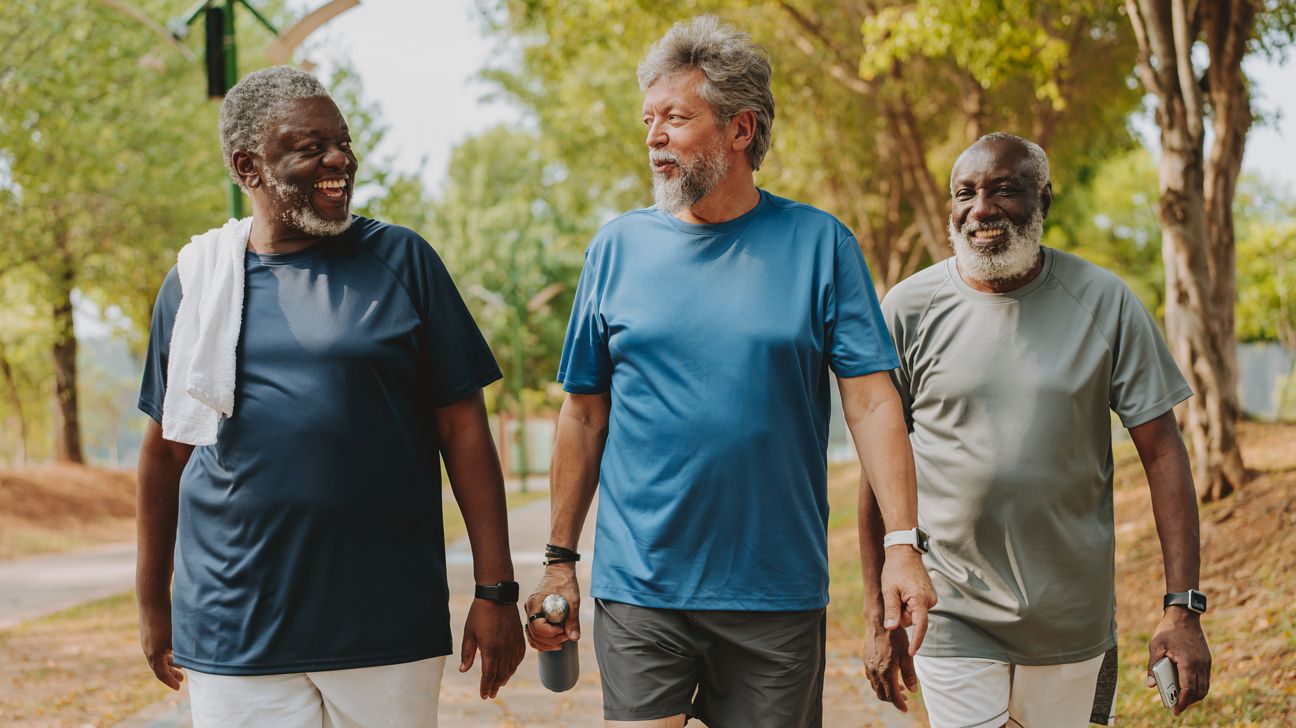
A new study has linked short bouts of daily brisk walking to a significantly lower risk of death from cardiovascular disease. Andreswd/Getty Images
A new study finds that short bouts of daily brisk walking are linked to a significantly lower risk of death.
The research underscores the importance of intensity, not just duration, during daily physical activity.
The study is the first to observe these health benefits in low-income, predominantly Black communities.
Walking briskly for just 15 minutes a day is linked to a significantly lower risk of death than walking slowly, even for a much longer time.
A new study, published on July 29 in the American Journal of Preventive Medicine, indicates that a faster walking pace, not just duration, may yield notable health benefits.
The findings may have important implications for underserved communities.
It’s the first study to examine the health effects of walking pace in predominantly low-income and Black communities. The researchers said these communities often face economic barriers and are more likely to live in impoverished areas with little access to safe walking spaces.
Wei Zheng, MD, PhD, MPH, the study’s senior author and director of the Vanderbilt Epidemiology Center, told Healthline that the link between brisk daily walking and lower mortality risk isn’t surprising. What’s notable, he said, is that the benefit remains strong in communities that are typically underrepresented in research.
Most previous studies have focused on white, middle- and upper-income populations.
Short bouts of brisk walking could offer an accessible way for people in underserved communities to improve their health — it’s low-cost, easy to do, and time-efficient.
Zheng added that many people in these communities may not be able to afford a gym membership or may have a limited amount of leisure time for physical activity.
“If they can do some intensive walking, it will have a beneficial effect. One of the reasons we looked at it is because, regardless of age and fitness level, it’s something most people can do,” Zheng said.
Fast walking linked to 20% lower risk of death
Zheng and his team examined the relationship between walking pace and death rates in 85,000 people enrolled in the Southern Community Cohort Study. Most participants were low-income and Black, recruited from 12 southeastern U.S. states. About half of them reported earning less than $15,000 per year.
Walking pace and duration were reported separately from other leisure-time physical activities. They were asked to estimate how many minutes per day they spent “walking slowly” (for example, moving around the house or walking the dog) or “walking fast” (such as climbing stairs or walking briskly).
Over a 17-year follow-up period, 26,862 participants in the cohort died. When researchers compared reported walking patterns with mortality, they found that those who walked briskly for at least 15 minutes a day had nearly a 20% lower risk of death.
Slow walking offered a modest benefit — a 4% reduction in mortality risk — but it required a significantly longer duration: more than three hours per day.
The protective effect of walking was more strongly associated with a reduced number of deaths from cardiovascular disease compared to deaths from cancer. People with preexisting conditions — such as obesity or diabetes — saw even greater reductions in risk than healthier participants.
“This study puts further emphasis on fast-paced walking as a viable strategy to address existing health disparities and lower the risk of cardiovascular disease, particularly in low-income and Black populations, which see disproportionate rates of heart disease,” said Lu Qi, MD, PhD, HCA Regents Distinguished Chair and professor of epidemiology in the Celia Scott Weatherhead School of Public Health and Tropical Medicine at Tulane University. Qi wasn’t involved in the research.
How to pick up the pace
Current guidelines recommend that adults get at least 150 minutes of moderate-intensity physical activity per week. Brisk walking, as long as the pace is vigorous enough, can help you meet that goal.
Walking the dog or taking a leisurely stroll may not be enough to reach the moderate-intensity threshold.
In recent years, both the medical and fitness communities have shown growing interest in the health benefits of higher-intensity exercise. In the gym, this might include HIIT workouts, while walking can be intensified with techniques like interval walking or “Japanese walking.”
“While any activity is good, higher-quality activity can really pack a more powerful punch,” said Sarah F. Eby, MD, PhD, a sports medicine specialist at Mass General Brigham Sports Medicine and assistant professor of physical medicine and rehabilitation at Harvard Medical School.
Workout intensity is subjective, but the goal of interval training is simple and widely applicable: alternate periods of higher intensity with periods of lower intensity. During a walk, this could mean switching between a slower pace and a brisk one, using your breathing as a guide to intensity.
Zheng encourages everyone to “be mindful” of their pace when they are out walking to ensure they are getting a little extra intensity.
“We walk all the time from one place to another. Increasing our pace and walking briskly during those periods not only saves time but it also offers these health benefits,” he said.
However, even though walking is generally accessible, there may still be accessibility issues for some.
“The barriers to entry aren’t zero. Unfortunately, folks with lower income levels tend to have less flexibility with work schedules and often live in more polluted areas that lack adequate, safe, walking infrastructure,” said Eby.
She points out that there may still be opportunities for safe walking environments through participation in walking clubs or local community centers. Eby said she’s even had patients tell her about doing laps in their own homes by planning indoor walking paths.
“The significant mortality benefit from regular walking demonstrated by this study highlights the need for investment in safe walkable infrastructure and considerations for workplace interventions to allow for brisk walking breaks, if even for just 15 minutes a day,” she said.
Justin Timberlake has been navigating health issues since last fall, postponing or canceling several shows throughout his world tour. Michael Tran/Getty Images
Justin Timberlake announced he’s been battling Lyme disease, a debilitating illness typically transmitted through a tick bite.
Tick populations and bites are at their highest levels in over five years, but it’s unclear how Timberlake contracted Lyme disease.
The pop music legend appeared to have been navigating health issues since last fall after canceling or postponing a number of U.S. shows during his “Forget Tomorrow” world tour.
Justin Timberlake was diagnosed with Lyme disease, the pop music megastar announced on July 31.
The “My Love” singer and former NSYNC member shared his diagnosis in an Instagram post marking the end of his solo “Forget Tomorrow” tour, which had its final show in Turkey on July 30.
Timberlake, who described himself as a “pretty private person,” said he wanted his fans to know what he’d “been up against behind the scenes” as he navigated a disease that “can be relentlessly debilitating, both mentally and physically.”
The 44-year-old said he was “shocked” to receive his Lyme disease diagnosis, but added that it explained why he would experience a “massive amount of nerve pain” and “crazy fatigue or sickness” while he was on stage.
“I was faced with a personal decision,” Timberlake wrote in the post. “Stop touring? Or, keep going and figure it out. I decided the joy that performing brings me far outweighs the fleeting stress my body was feeling. I’m so glad I kept going. Not only did I prove my mental tenacity to myself but, I now have so many special moments with all of you that I will never forget.”
Timberlake added that he was reluctant to open up about his condition because he was “always raised to keep something like this to yourself.”
He said he wanted to be transparent about his battle with Lyme disease, “with the hope that we can all find a way to be more connected. I’d like to do my part to help others experiencing this disease too,” he wrote.
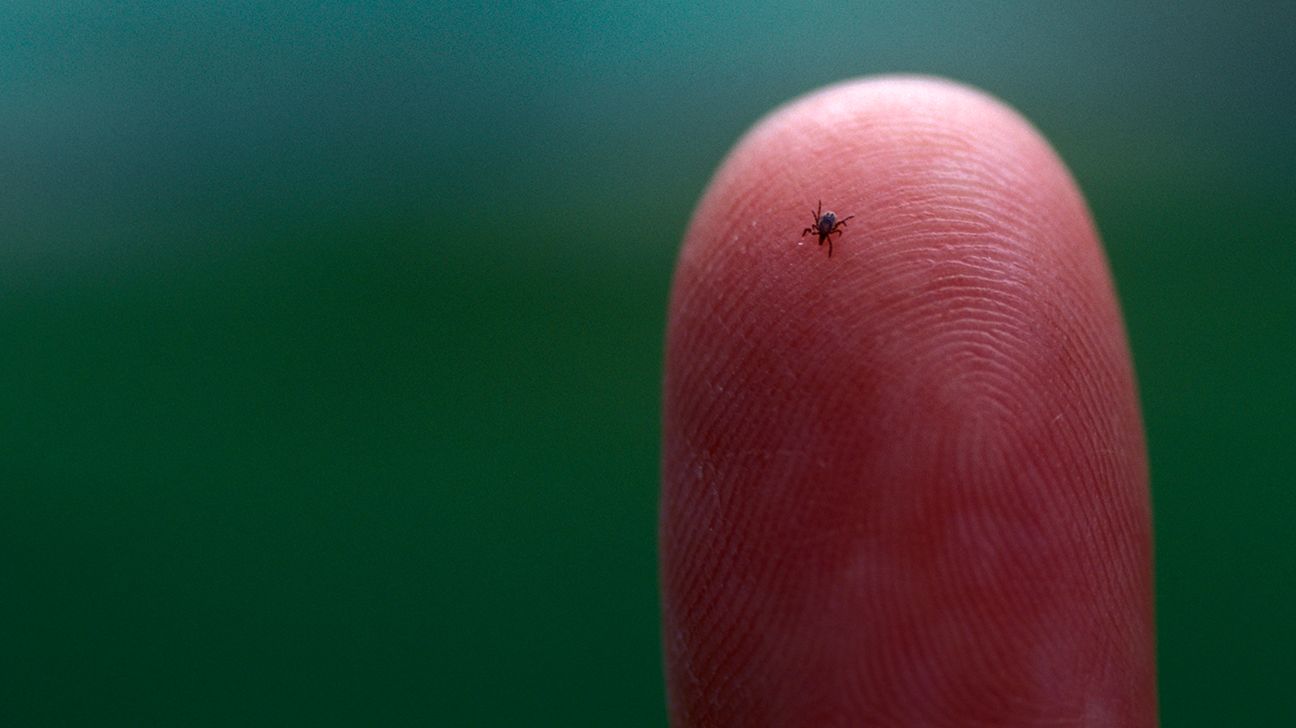
Lyme disease, typically transmitted through Ixodes or deer ticks, is an infectious disease that can lead to flu-like symptoms and neurological issues.
In most cases, the tick-borne illness can be treated with a two-week course of antibiotics. However, in other cases, symptoms of Lyme disease can be long-term and more difficult to overcome.
The Centers for Disease Control and Prevention (CDC) reports this year’s tick season is the worst it’s been in over five years, but it’s unclear how Timberlake contracted Lyme disease and how he’s being treated.
Symptoms led Timberlake to postpone multiple shows during tour
Timberlake appeared to be navigating health issues since last fall.
While on tour in support of his sixth studio album, “Everything I Thought It Was,” which was released in March 2024, the singer canceled or postponed multiple shows.
He postponed six shows during the U.S. leg of the world tour from October and November to February because he hadn’t “been feeling great,” he shared on Instagram last year.
Whether the 10-time Grammy winner will tour again is also unclear.
“I honestly don’t know what my future is onstage, but I’ll always cherish this run! And all of them before! It’s been the stuff of legend for me,” he wrote on Thursday.
He also thanked his family for their support, saying, “…nothing is more powerful than your unconditional love. You are my heart and my home. I’m on my way.”
Timberlake and his wife, the actor Jessica Biel, share two sons, Silas and Phin.
Lyme disease and tick bites: What to know
Tick bites and resulting hospitalizations are soaring in the United States.
Experts say climate change may be a factor driving the increase, as tick populations are no longer specific to the Northeastern U.S. The regions where the insects typically breed have broadened, ranging from the Southeast to the Pacific Northwest.
“Over the past 20 years, tick habitats have been expanding gradually in the United States, William Schaffner, MD, an infectious disease expert and professor of preventive medicine at Vanderbilt University in Tennessee, told Healthline in an earlier interview about the 2025 tick season.
“Since tick bites can spread certain infectious diseases, the geographic areas impacted by these infections has expanded along with the ticks,” he added. “Doctors have had to become more aware of these tick-transmitted infections and the general public needs to become mindful of how to prevent tick bites when they go out into nature.”
According to the CDC, around 476,000 people are diagnosed and treated for Lyme disease in the United States every year.
Lyme disease gets its name from the first case, which was identified in Old Lyme, CT. The bacteria that cause Lyme disease are typically found in deer ticks, which contract it after feeding on other infected animals. Not all ticks carry the bacteria, but the ones that do may transmit the disease to humans through bites.
The telltale sign you’ve been bitten by a tick carrying the disease is a bull’s-eye rash, known as an erythema migrans.
Other early symptoms include:
chills
fever
sore throat
enlarged lymph nodes
vision changes
fatigue
muscle aches or headache
Lyme disease is usually treatable when caught early. Treatment for early stage Lyme disease is often a 10-to-14-day course of oral antibiotics, such as:
Symptoms of late-stage Lyme disease may include abnormal heart rhythm, numbness, and, in severe cases, meningitis. It may also impact the circulatory or central nervous systems and cause damage to the joints. Treatment for more serious forms of Lyme disease may require up to 28 days of antibiotics and other therapies.
There was a vaccine to prevent Lyme disease, but it was discontinued in 2002. Clinical trials are exploring the possibility of another vaccine to protect against the disease.
Experts say climate change is a major factor in the increase and spread of ticks and tick-borne diseases. Karen Kasmauski/Getty Images
Health officials report an increasing number of tick bites across the United States as the regions where the insects typically breed have expanded.
Experts cite climate change as a major factor in the rise and spread of tick populations and the diseases they carry.
Infected ticks can transmit Lyme disease, Rocky Mountain spotted fever, and other illnesses by biting humans.
You can reduce your risk of tick bites by wearing clothes that cover your arms and legs and checking yourself and your pets for ticks after outdoor activities.
Ticks are being found in more places in the United States, which means the risk of Lyme disease and other tick-related illnesses is also on the rise.
The Centers for Disease Control and Prevention (CDC) reports the highest rate of tick bites in more than five years.
According to the CDC, there were 74 tick bites per 100,000 emergency room visits in the United States in July, the highest rate for this month since 2017.
That rate reached a high of 134 tick bites per 100,000 emergency room visits in May, the highest for that month since 2019.
Tick bites are especially prevalent in the Northeast region of the country. The CDC has recorded 127 such bites per 100,000 emergency room visits in that region so far this year. That area hit a high of 283 bites per 100,000 visits in May.
The next most prone area is the Midwest, with 85 bites per 100,000 emergency visits. The Southeast sector has a rate of 35 bites per 100,000 visits, while the West has 16 bites per 100,000 and the South-Central area has 10 bites per 100,000.
“Over the past 20 years, tick habitats have been expanding gradually in the United States, William Schaffner, MD, an infectious disease expert and professor of preventive medicine at Vanderbilt University in Tennessee, told Healthline. “Since tick bites can spread certain infectious diseases, the geographic areas impacted by these infections has expanded along with the ticks.”
“Doctors have had to become more aware of these tick-transmitted infections and the general public needs to become mindful of how to prevent tick bites when they go out into nature,” he added.
Why are ticks becoming more common?
Durland Fish, PhD, the chief executive officer of the American Lyme Disease Foundation, said that the deer tick, which transmits Lyme Disease, has expanded its range to 16 northern states during the past 50 years.
Fish, who is also a professor emeritus of epidemiology at the Yale School of Public Health in Connecticut, said the expansion of this particular tick is due to the reintroduction of the deer into regenerated forest regions.
“The deer tick is completely dependent upon white-tailed deer for reproduction. No deer, no deer ticks. No ticks, no tick-borne diseases,” he told Healthline.
Fish noted that the lone star tick, which carries ehrlichiosis, has been increasing its range northward over the past several decades. He said land use is the primary reason.
“Suburbanization has resulted in more human contact with ticks as people moved into suburban forested areas and deer hunting was restricted for safety,” he explained.
Still, experts say climate change is a major factor in the increase and spread of ticks and tick-borne diseases.
Amanda Roome, an associate director of the Tick-borne Disease Center and former graduate student at Binghamton University in New York, said in a report published by the university that warmer temperatures caused by climate change are allowing ticks to thrive.
Schaffner agreed. “The expanded tick territory has resulted from climate changes, which has made some previously cooler areas now warmer, creating a more congenial habitat in which ticks can thrive,” he said. “Also, winters have been shorter and less severe, giving ticks the opportunity to be active longer.”
What diseases are transmitted by ticks?
Different types of ticks live in different regions. According to the CDC, while there are many different tick species found around the world, only a handful bite and transmit bacteria, viruses, and parasites (pathogens) that cause diseases in humans.
The CDC notes that a specific tick species found in a U.S. region does not always mean it will transmit a specific disease in that area. Multiple factors affect the transmission of tick-borne disease and illness.
Two of the most common tick-borne diseases are Lyme disease and Rocky Mountain spotted fever.
“Lyme infection can produce a variety of symptoms, most prominently chronic joint pains,” said Schaffner. “Rocky Mountain spotted fever is an acute illness with high fever and a rash. Both these infections can be treated with antibiotics and supportive care when diagnosed promptly.”
Later-stage Lyme disease can affect the circulatory or central nervous systems and even cause joint damage in its most serious forms, and may require up to 28 days of treatment with antibiotics.
There is current research and clinical trials looking into the possibility of a vaccine to help prevent Lyme disease.
How to prevent tick bites
There are a number of simple, practical ways to help reduce your risk of getting bitten by a tick.
Roome has a varied list of suggestions. Among them:
Cover up: Wear long-sleeved pants and shirts.
Check yourself: Be sure to examine your clothing and skin for ticks after a walk in the woods or any other natural space.
Lighten up: It’s easier to spot ticks on lighter-colored clothes than darker-colored clothes.
Spray your clothes: Apply the synthetic insecticide permethrin to the outside of your clothes.
Use DEET: Studies are inconclusive, but Roome said it can’t hurt to use DEET – even if it just protects you from mosquitoes.
Stay on designated paths: Ticks are mostly found in bushes, branches, and undergrowth, so hike in the middle of a path.
Check your pets: A tick can “ride home” with a dog or other animal, so check your pets for ticks in the field and at home.
Roll them off: Use a lint roller (the kind with sticky paper) on yourself and your pets. The ticks will stick to the roller instead of you.
Dry your clothes: Ticks can actually survive the washing machine, but they can’t live through a cycle in the dryer.
Fish, however, believes the most effective prevention method starts with the deer population.
“Prevention efforts should target deer,” he said. “There is research underway to treat deer that will kill ticks with an oral bait, but it is grossly underfunded in favor of human vaccines promoted by the pharmaceutical industry.”
Schaffer notes you don’t have to be in the great outdoors to get bitten by a tick.
“You do not have to hike in the woods to acquire ticks,” he said. “You can encounter ticks in your backyard if you are clearing underbrush, which is how I acquired a couple of ticks a few years ago, so take precautions even close to home.”
“One study showed that golfers who chased their errant shots into brushy areas were more likely to pick up ticks along with their golf balls,” he added.
“If you find an attached tick, carefully remove it,” he said. “The best way is to use a tissue, grasp the tick firmly as close to the skin as possible and then gently pull it out. Do not pull with a sudden jerk as that may leave the tick’s head embedded in your skin.”
Many TikTok users have claimed a “McMigraine meal” with fries and a Coke helped relieve their migraine symptoms. Bo Zaunders/Getty Images
TikTok users are touting a migraine hack involving McDonald’s fries and a Coke to relieve their symptoms.
Experts say the combination of salt, sugar, and caffeine may provide temporary relieffrom migraine.
However, processed foods high in sodium, fat, and sugar may worsen migraine symptoms and contribute to long-term health problems.
Several strategies may support migraine relief, such as magnesium and omega-3s.
It’s estimated that 39 million people in the United States experience migraine.
If you’re one of them, you may have heard of the “McMigraine meal,” a proposed migraine relief hack trending on social media platforms like TikTok that involves consuming McDonald’s fries and a Coke.
A migraine is more than just a bad headache. It’s a complex neurological condition often accompanied by intense, throbbing pain, sensitivity to light and sound, and nausea, which can be debilitating.
While there are medications available to prevent and treat migraine, they don’t work for everyone.
When a migraine attack hits, most people will do anything to feel better, even if it means consuming ultraprocessed foods like fries and a soda laden with sugar. Here’s how the McMigraine trend works, and what experts think about its supposed benefits.
A McMigraine meal: Not a reliable cure
Kezia Joy, registered dietitian and medical advisor at Welzo, said it’s important to distinguish between anecdotal evidence and clinical recommendations for any ailment, including migraine.
“Although the concept may be based on real-life experiences, it’s not grounded in clinical research. It may provide temporary solace for some, but it’s not something that should be in anyone’s regular or safe migraine treatment repertoire,” she told Healthline.
Likewise, specialist registered dietitian Nichola Ludlam-Raine agreed, cautioning that fries and a Coke are not a reliable treatment.
“While I completely understand that people living with migraine may be desperate to try anything that offers relief, this isn’t a strategy I’d recommend trying frequently from a nutritional or clinical perspective,” she told Healthline.
McMigraine benefits are short-lived
Many people have claimed a McMigraine meal helped relieve their migraine symptoms.
Is there any plausible scientific reason why salty fries and a sugary drink might offer temporary relief for some people with migraine?
Joy noted a few physiological reasons why someone might experience temporary relief after eating salty, high carb foods and drinking caffeine.
“Caffeine, which is present in Coke, constricts blood vessels, and in some forms of migraines, it can relieve pain,” Joy explained.
“At the same time, high-salt or high-carbohydrate foods may aid in correcting a mild electrolyte or blood sugar imbalance,” she continued.
“If a person has missed a meal or is just a little dehydrated, the fries and soda may provide temporary relief.”
Ludlam-Raine shared a similar synopsis of the potential benefits of a McMigraine meal.
“Migraines can be triggered or worsened by low blood sugar, dehydration, or electrolyte imbalances, and so salty fries may help the body retain fluid, while the caffeine and sugar in a Coke could raise blood sugar and offer a quick boost in alertness or energy,” she pointed out.
Ultimately, though, Ludlam-Raine said the benefits are likely to be short-lived and won’t address the root cause of the problem.
In fact, for some people with migraine, the combination of salt, sugar, and caffeine could worsen their symptoms.
“High-fat and salt foods can be problematic for others, especially if their migraines are linked to dietary triggers or underlying conditions like high blood pressure,” Ludlam-Raine noted.
Does a McMigraine meal have any risks?
The potential to worsen migraine symptoms aside, there are other risks to consider when using unhealthy foods as a migraine cure.
“If consuming it becomes habitual, it can create inflammation in the body, which in turn, can make headaches worse over time.”
There are other long-term health risks to consider, too.
“Relying on fast food regularly may contribute to long-term health issues like weight gain, insulin resistance, high blood pressure, and poor gut health, all of which can potentially worsen migraine frequency or severity,” Ludlam-Raine said.
Additionally, it may discourage people from addressing triggers and other factors that contribute to migraine attacks.”
“Excessive reliance on fast food as a fix can also skirt any underlying health issues that need to be diagnosed and treated,” Joy pointed out.
“Relying on it instead of seeking out treatments that work and are sustainable isn’t good. It’s also important to see food in the context of your entire lifestyle, not as a quick fix.”
Evidence-based migraine interventions
There are many strategies for managing a migraine that don’t involve ordering from a McDonald’s drive-thru.
Joy said there are some specific nutrients you should look out for, such as magnesium. “It’s present in leafy greens and nuts, is involved in nerve functions, and can reduce the frequency of migraine in some people,” she explained.
Other nutrients may offer some relief from migraine as well.
According to Ludlam-Raine, other ways to prevent and manage migraine include:
staying hydrated throughout the day
eating regular, balanced meals that include slow-release carbohydrates, protein, and healthy fats to maintain steady blood sugar levels
avoiding specific triggers like aged cheese, alcohol, or artificial sweeteners
keeping a food and symptom diary to identify personal patterns
While certain wellness strategies can help prevent migraine, they may not be able to stop one in progress, which could explain why some people have turned to a McMigraine meal for relief.
Clinical treatment for a migraine generally involves both acute and preventive options.
Migraine symptoms can be debilitating, and when they strike, it may be tempting to seek the quickest and most convenient intervention. For some, that might be McDonald’s fries and a Coke.
Still, it’s important to note that migraine triggers are highly individual. What works for one person might worsen symptoms in another, and there are other evidence-based treatments available.
RHONY star Jessel Taank is spreading awareness about IVF to support others going through fertility treatments. Photography courtesy of Sam Gold
Real Housewives of New York City’s Jessel Taank is speaking out about IVF.
The beloved RHONY star is spreading awareness to support others going through the procedure.
The mother of twin boys opens up about the emotional toll of her fertility journey.
Jessel Taank from The Real Housewives of New York City brought style, humor, and vulnerability to the iconic reality show.
Now, she’s raising awareness about fertility treatments like in vitro fertilization (IVF) by sharing her story on the hit show. Her four-year-old twin boys were born via IVF.
“IVF is something that a lot of women enter into but don’t really truly understand,” Taank told Healthline. “ It’s a bit of a whirlwind — that’s why I feel like speaking out now. Advocating for other women is important.”
Infertility affects both females and males, with about one-third of infertility cases attributed to females and another third to males. Many factors may contribute to infertility, such as biological age and various health conditions.
“Fertility treatment can be emotionally and physically demanding, especially when people feel like they’re going through it alone,” Janet Choi, MD, reproductive endocrinologist and Chief Medical Officer of Progyny, told Healthline.
Indeed, studies have shown that depression and anxiety are higher among females and males with infertility.
“That’s why it’s so important to have a strong support system, access to mental health resources, and care teams who are truly invested in your success,” Choi said.
Fertility treatments like IVF are often an emotional and financial investment. It may take multiple IVF cycles before the procedure results in a live birth. In many cases, access and affordability become an issue for receiving IVF treatment. The procedure is often not covered by traditional health insurance.
Neel Shah, MD, chief medical officer of Maven, said that a single cycle of IVF could cost more than a new car, and most people need more than one round.
“Fewer than half of employers offer fertility coverage, and only a patchwork of states require insurers to help,” he told Healthline. “Too many families are forced to take on crushing debt or choose between having a child and buying a home. It’s a system that asks people to gamble their future to build a family.”
Taank is aware of the barriers surrounding IVF and is speaking out in hopes of helping anyone seeking out the treatment.
She teamed up with Fertility Out Loud, a community-driven platform that provides education on infertility and insurance coverage, and connects people with reproductive endocrinologists and fertility coaches.
“I wish that when I was going through IVF, I had had the same resources that Fertility Out Loud offers,” she said. “I think it is it’s really important to… armor yourself with as much intel as possible and to feel like you have a network of people who are going through the same thing.”
Healthline talked with Taank to learn more about her fertility journey.
This interview has been lightly edited and condensed for clarityand length.
Can you share the emotional toll of going through IVF?
Taank: When you’re in your thirties, it’s sort of this era where all your friends are getting pregnant and everyone’s having babies. It’s kind of like the next step in your life cycle after getting married. I remember a lot of my friends announcing their pregnancy, and all the while I was trying, but nothing was working.
It was very triggering for me to be a part of that moment, which should have been happy. I wanted to be happy for my friends, and I wanted to support them, but I really found myself distancing from a lot of friendships and relationships because I didn’t know how to navigate emotionally and mentally the stress of not being able to get pregnant.
Was it difficult for you to talk about the IVF process?
Taank: Being an Indian woman, we’re very conservative. I would say that is the culture. We are catapulted into sharing happy news, especially when it comes to pregnancy and babies. There’s a very antiquated way of looking at those types of subjects in our culture.
Being that I wasn’t able to announce a pregnancy, I wasn’t given the tools or the network or community to feel like I was able to talk about infertility. It is seen as a huge taboo, and there is a huge stigma attached to it.
How did you navigate stigma around infertility?
Taank: It was very tough for me because I remember having to tell my in-laws that I was not able to get pregnant. They sort of looked very confused, but it was exactly what I expected them to do. There was no sense of remorse or emotional support. That type of energy added to the stress.
One of the reasons why I want to be a voice for women, specifically Indian women, is that I want to normalize the fact that IVF is something that a lot of women go through, and it’s not something we need to be ashamed of or have to go through alone.
Have other women reached out to you to share similar experiences?
Taank: When the episode came out on RHONY, the number of Indian women who DM’d me was surprising. I also got text messages from close friends whom I thought I knew everything about, but didn’t know they were navigating IVF. It was so shocking to me that they also did it in secret, and I completely understand why.
Did hearing others’ stories inspire you to keep speaking out?
Taank: Absolutely. the first step was obviously sharing my experience on RHONY. I definitely knew that sharing my story on a national platform would help other women.
Being the first Indian woman on the show is an honor, and I take that very seriously because I think a lot of Indian women, in general, are quite private or are taught to be quite private. I hope my speaking out about tough subjects like this lets them know that they’re not alone in going through this.
If you choose to go through IVF again, will you have a new perspective?
Taank: If I knew then what I know now, I would do things very differently. It’s been a learning curve, and I definitely feel like I have the confidence to be more open about my experiences.
It’s really important to not shy away from reality and to face it. I would be very open and honest about what IVF entails and encourage other people to do the same thing.
How important was it to find a fertility doctor you trust?
Taank: I went through three doctors. A patient-doctor relationship is probably one of the most important relationships, especially when you are trusting someone to help you conceive. You really have to be on the same page with your medical professional.
I had really great doctors and medical help, but I truly believe that IVF and going through that process is a 360-degree process. Your lifestyle, what you eat, how much you sleep, and how much water you consume all go hand in hand with the success of your cycle. It is really important to align with a doctor who sees that.
It’s also really important to meet as many doctors as possible before you make a decision. Sometimes social media can be a little bit misleading. Doctors who have the biggest following aren’t necessarily the strongest candidates. Do a lot of research before choosing one.
Any advice for navigating infertility with your partner?
Taank: A lot of people tend to forget that it can also take a big toll on the husband. As couples navigate the process together, it takes a lot of grace and patience.
I took a lot of my frustration out on my husband, and I really needed to be more mindful of his feelings, too. Supporting each other and really going through the process together is really helpful.
Comedian and actor Kym Whitley said the GLP-1 drug Zepbound has helped her make better choices. Christine DiPasquale Photography
Comedian and Emmy-nominated actor Kym Whitley opens up about her long journey with weight management.
The “Happy Gilmore 2” actor credits her weight loss story to the GLP-1 medication Zepbound.
Whitley has teamed up with drug manufacturer Eli Lilly to share how the medication has changed her life.
Emmy-nominated actor, comedian, and podcaster Kym Whitley, known for her roles in “Happy Gilmore 2,” “The Bay,” and “Young & Hungry,” has had difficulty managing her weight for most of her adult life.
“I would lose weight and then I would gain weight, and after a while, I felt stuck. I got frustrated and one thing I’ve [learned] is that obesity is a disease, it is not a lifestyle, it’s a disease, and I needed help,” Whitley told Healthline.
After years of trying different diets and exercise regimens without success, Whitley met with her doctor to discuss her options.
Her doctor recommended the GLP-1 drug Zepbound, along with healthy eating and regular exercise. Zepbound is a highly effective FDA-approved anti-obesity medication with the active ingredient tirzepatide.
“Zepbound has given me the tool to manage my obesity, and that is just the truth,” said Whitley. “I’m not saying I go to the gym and kill myself, but I get on the elliptical and I started 15 minutes a day. That has been very helpful.”
Since starting the medication four months ago, Whitley has shared that she has lost weight. But for Whitley, it’s about more than the number on the scale. She’s now teamed up with Zepbound’s drug manufacturer, Eli Lilly, to share her experience.
“It’s a whole different journey for me,” she said. “I don’t think of this as a vanity thing — that I have to fit in this dress or that I have to look a certain way. When I learned about obesity as a disease, I know that I need this tool to manage it, so for me, using Zepbound is part of my life.”
Zepbound helps Whitley ‘make better choices’
Whitley shared that Zepbound has helped her to make better choices at work and home.
“I’m enjoying going to work and picking out healthy food because every TV show and movie [has] a spread. Having the tool to manage the obesity really helps me and makes me happy that I can go to the craft service table and make healthy choices,” she said.
As a mom, she is enjoying being more active with her son by going on bike rides and playing pickleball and tennis.
“Being in Hollywood, easily it can be about vanity; it really can, and now that I have a son, it’s not about vanity for me. It’s about living a healthy lifestyle and showing my son how to do that and being able to enjoy things like going outside. If he wants to do something, [I’m like] OK, I can do it, let’s go,” she shared.
As Whitley reflected on her weight loss journey, she said that in the past, she neglected making healthy choices because she always put her son’s needs first.
“[I] had to make a decision to put myself first, really, and just get unstuck, and I had to really, really come to grips that obesity is a disease and that I need a tool to manage it,” she said.
“If you are struggling with obesity or with your weight, go to your doctor and ask [questions].”
Who is Zepbound be best suited for?
Karl Nadolsky, DO, director of the Endocrine Clinic at the Gym and professor at Michigan State University College of Human Medicine, said tirzepatide is best for those with severe obesity and related conditions like type 2 diabetes and sleep apnea.
“The research does show that tirzepatide is more effective for weight loss and blood sugar management compared to other GLP-1s for obesity and type 2 diabetes,” Nadolsky told Healthline.
Kais Rona, MD, bariatric surgeon of MemorialCare Surgical Weight Loss Center at Orange Coast Medical Center, added that tirzepatide is currently the most effective weight loss drug on the market.
“Unlike other GLP-1 medications, Zepbound has a dual-action mechanism, which targets both the GLP-1 and GIP (glucose-dependent insulinotropic polypeptide) receptors,” he told Healthline.
Rona added that for this reason, the medication appears to have greater effects on appetite suppression and fat metabolism.
He cited the SURMOUNT trial, funded by Eli Lilly, which demonstrated that participants who were treated with Zepbound lost an average of 20% of their body weight versus 14% in those treated with semaglutide.
“The decision to determine which GLP-1 medication is best for a patient is based on multiple factors [and] is a joint one made with a patient and catered to their specific needs and goals,” said Rona.
Gastrointestinal side effects, such as nausea, vomiting, and constipation, are also possible, so eating a well-balanced diet that includes high fiber foods is important while taking GLP-1 drugs.
“Having regular follow-up with a physician is important to both ensure a patient is having good weight loss results and to identify and treat side effects expeditiously,” Rona noted.
When prescribed as directed for weight management, Zepbound and other GLP-1 drugs are considered safe and effective. However, because these medications may come with some risks, any concerns should be discussed with your doctor.
Learn more about how to get GLP-1 medications from vetted and trusted online sources here:
A new study suggests TikTok skin care videos catering to young girls contain harsh active ingredients, which may cause irritation and allergies. Filippo Bacci/Getty Images
New research shows the potential health harms of TikTok skin care videos touting “lighter, brighter skin” marketed toward young girlsages 7 to 18.
Many products analyzed contain harsh active ingredients, which may lead to skin irritation and chronic skin allergies.
The findings show young content creators using an average of six skin care products costing $168 to $500 or more per regimen, with just 26% of regimens involving sunscreen use.
Experts warn that unrealistic beauty standards perpetuated by social media send harmful messages to young girls.
The “Get Ready With Me” (#GRWM) trend on social media platforms like TikTok and Instagram is wildly popular among pre-teen and adolescent girls.
In these videos, young content creators demonstrate their skin care and makeup routines for captive audiences to absorb tips and tricks like a sponge. As with many social media trends perpetuated by algorithms catering to the interests of young, vulnerable minds, some #GRWM hacks may do more harm than good.
In a first-of-its-kind study, Northwestern Medicine researchers examined the potential risks associated with skin care routines shared on TikTok by teenage girls.
To do this, researchers created two undercover TikTok profiles, each claiming to be 13 years old.
After analyzing 100 unique videos generated in their “For You” tab based on their reported interests, the researchers determined that young girls ages 7 to 18 use an average of six different skin care products on their faces. Some girls, they found, use more than a dozen products in their routines.
According to the researchers, the skin care products included in the analysis were marketed toward younger audiences. The products are also expensive, averaging around $168 per monthly regimen and as high as $500 or more.
Using the Pediatric Baseline Series patch test, the researchers also found that the most-viewed videos had an average of 11 active ingredients known to raise the risk of skin allergy and irritation. The videos also emphasized “lighter and brighter skin,” and only 26% mentioned sunscreen use.
TikTok’s platform is intended for users ages 13 and older, but the study suggests some content creators may have been as young as 7.
The researchers told Healthline that some influencers disclosed their age in their videos. For those who didn’t, ages were determined based on content shared in the video that may pertain to their age, such as a birthday or another event (i.e., “GRWM for the first day of 6th grade!”) and any relevant hashtag (i.e., #highschool or #freshman).
The researchers did not examine skin care routines on other social media platforms, which warrants further study. The authors also acknowledge the limited sample size, and the mental health implications were not evaluated, only inferred.
“This type of content is common across all media, and the authors admit they did not assess its impact on teen well-being. However, they did find actual benefits to teen self-expression, parent-teen bonding, and building a supportive community on TikTok,” a TikTok spokesperson told Healthline by email.
Still, experts say the findings, published on June 9 in the journal Pediatrics, are concerning and outweigh any potential benefits.
“As a dermatologist and a mom of four, I was concerned about the kinds of messages that young teens are getting about skin and skin care on social media,” said corresponding author Molly Hales, MD, PhD, a postdoctoral research fellow and board certified dermatologist in the department of dermatology at Northwestern University Feinberg School of Medicine.
“The only product I regularly recommend for kids without specific skin problems is sunscreen. Worse, it seemed like teens were starting to think that they needed to use tons of products for their skin to be healthy,” Hales told Healthline.
Skin care content linked to allergies, sensitivities
The researchers collected TikTok skin care videos between April 1 and May 15, 2024. They found that the high risk of skin irritation and allergy was linked to content creators using multiple active ingredients simultaneously.
Active ingredients like hydroxy acids may be especially harmful to young, developing skin and may cause allergic contact dermatitis, a reaction which could lead to long-term skin sensitivities.
“The skin care products and regimens being used in the videos have dermatologic risks (irritation, allergy, and sun sensitivity), and set an unrealistic standard of beauty that is promoted as ‘health,’” Hales said.
Daniel Ganjian, MD, FAAP, board certified pediatrician at Providence Saint John’s Health Center in Santa Monica, CA, cited several reasons for young people to avoid using products with certain active ingredients (Ganjian wasn’t involved in the study):
Delicate skin barrier: Young skin is more delicate and has a less developed barrier compared to adult skin, making it more susceptible to irritation, dryness, and allergic reactions. Harsh ingredients can disrupt this barrier, leading to increased sensitivity.
Higher risk of sensitization: Repeated exposure to irritating ingredients at a young age can lead to sensitization. This means the immune system becomes “trained” to react to these substances, leading to chronic skin allergies (allergic contact dermatitis) that can persist into adulthood.
Long-term skin issues: Early exposure to harsh chemicals can lead to long-term skin problems beyond immediate allergies, such as chronic inflammation, dryness, and a compromised skin barrier, making skin more prone to other issues like acne or eczema.
Signs of allergic reaction
Ganjian told Healthline that chronic skin allergies caused by skin care products may range in severity, but in some cases, can be serious. Common symptoms of a reaction may include:
Itching: Often intense and persistent.
Redness (Erythema): The affected skin becomes noticeably red.
Rash: Can appear as flat, raised, bumpy, or scaly patches.
Swelling: Especially common on the face, lips, and eyelids.
Dry, flaky, or scaly skin: The skin may become dry, cracked, or peel.
Hives: Raised, itchy, red welts.
Blisters: Small, fluid-filled bumps that may break open and ooze.
Burning or stinging sensation: Discomfort in the affected area.
Thickened skin (lichenification): In chronic cases, repeated scratching can lead to thickened, leathery skin.
“In severe cases, allergic reactions can impact a person’s quality of life significantly, leading to discomfort, sleep disturbances, and self-consciousness,” Ganjian said.
“While rare for topical products, extremely severe reactions like anaphylaxis (a life threatening whole-body allergic reaction) are possible with some allergens, though this is more commonly associated with food or insect stings.”
Many of the TikTok videos analyzed by the researchers emphasized “lighter, brighter skin” as a picture of health.
In one video, an influencer applied 10 products to her face in just six minutes to achieve this effect.
“As she’s applying the products, she begins to express discomfort and burning, and in the final few minutes, she develops a visible skin reaction,” said senior author Tara Lagu, MD, MPH, adjunct lecturer of medicine and medical social sciences at Feinberg and a former Northwestern Medicine hospitalist, in a news release.
“We saw that there was preferential, encoded racial language in some cases that really emphasized lighter, brighter skin. I think there also were real associations between use of these regimens and consumerism,” Lagu continued.
Lagu and Hales concluded that the content they examined offered little to no benefit for the young demographics they’re targeting, and that the potential harms extend beyond the risk of skin damage.
“It’s problematic to show girls devoting this much time and attention to their skin,” Hales said in a news release. “We’re setting a very high standard for these girls.”
Mental health harms of high beauty standards
The researchers’ estimates for the high monthly costs of skin care regimens touted by young content creators are likely out of reach for the average young person. It’s unknown how the young influencers paid for the products.
“We were disturbed at the high cost of some of the most common products used in the videos, most of which offer little to no benefit to the young teens and pre-teens who were shown using them,” Hales said.
“It makes me wonder about the many girls whose families can’t afford to spend $68 on a moisturizer, and whether they think that their skin is somehow less healthy as a result.”
What’s more, skin care content promoting unrealistic beauty standards may cause mental health harm during adolescence, when young people are developing their sense of self.
“Constant external validation sought through appearance can hinder the development of a healthy, authentic identity based on internal qualities and values,” Ganjian noted.
“Chasing unrealistic beauty ideals perpetuated online can be detrimental to mental well-being. Be highly skeptical of skin care content on social media platforms like TikTok. Understand that much of it is marketing-driven, often promotes unrealistic beauty standards, and may feature digitally altered images,” he said.
Hales echoed this sentiment. “I’m concerned about problematic and unrealistic beauty standards being passed off as skin ‘health’ or ‘care,’ and potentially exposing young people to skin irritation, allergy, and sun sensitivity,” Hales said.
“For parents whose kids are already expressing an interest in skin care or starting to purchase and use these products, I would encourage them to help their child select products with a minimum of active ingredients, such as hydroxy acids, which can be irritating and can make you more sensitive to the sun,” she added.
Skin care tips for teens
Dermatologists and health professionals recommend keeping skin care routines simple, consistent, and gentle.
“Less is more with skin care,” Ganjian said. Many popular products promoted online contain ingredients that are too harsh for young skin and can lead to chronic allergies or other skin issues.”
Ganjian shared some basic tips:
Keep it simple: Avoid overly complicated routines with many steps or strong active ingredients.
Cleanse gently twice daily: Wash your face twice daily (morning and night) and after sweating, using a mild, fragrance-free, noncomedogenic cleanser that won’t clog pores. Use fingertips, not harsh washcloths or scrubs.
Moisturize (even if skin is oily): After cleansing, apply a lightweight, noncomedogenic, and fragrance-free moisturizer. Even oily skin needs moisture to maintain a healthy skin barrier.
Use SPF: Apply a broad-spectrum sunscreen with an SPF of 30 or higher every morning, regardless of the weather. Look for oil-free or non-greasy formulas.
Don’t pick or pop pimples: This can lead to increased inflammation, infection, and permanent scarring.
Be mindful of makeup: If wearing makeup, choose noncomedogenic products. Clean brushes and sponges regularly, and never share makeup. Always remove makeup before bed.
Prioritize sleep: Aim for 8-10 hours of sleep per night, as adequate rest is crucial for skin repair and overall well-being.
Manage stress: Stress can worsen skin conditions like acne. Encourage relaxation techniques like meditation, yoga, or hobbies.
Stay hydrated and eat a balanced diet: Drinking plenty of water supports skin hydration from within. A diet rich in fruits, vegetables, and whole grains contributes to overall skin health.
Avoid harsh ingredients: Avoid products with high concentrations of retinoids, salicylic acid, benzoyl peroxide (unless specifically recommended by a dermatologist for acne), alpha hydroxy acids (AHAs), strong fragrances, and alcohol, which can be too harsh for young, sensitive skin.
Consult a dermatologist: If persistent or severe acne, eczema, or other skin conditions arise, seek professional advice from a dermatologist.
“Young skin is naturally healthy and doesn’t require complex or expensive routines. A simple routine of gentle cleansing, moisturizing, and sun protection is usually sufficient,” Ganjian said.
“If there are genuine skin concerns like persistent acne, a dermatologist is the best resource for personalized, safe, and effective advice, rather than relying on social media trends.”
Sister content creators Issa (left) and Nadya Okamoto say training for marathons helps them manage their prediabetes. Photography by Nadya and Issa Okamoto
Sister content creators Issa and Nadya Okamoto share their recent diagnoses with prediabetes.
The sisters started running and training for marathons as a way to combat the condition.
The Okamotos use a glucose monitor to help monitor how exercise, diet, and sleep impact their blood sugar levels.
Growing up, popular TikTok content creators Nadya and Issa Okamoto knew their mother had prediabetes. The condition causes elevated blood sugar levels that aren’t high enough to be considered type 2 diabetes.
The sisters remember watching their mom prick her finger to test her blood sugar levels.
“It looked so painful and I was honestly so scared,” Nadya told Healthline.
Now in their 20s, the sisters have both been diagnosed with prediabetes.
“The biggest shocker was the misconception I had that I wouldn’t need to worry about prediabetes until I was older, but I was diagnosed a little over a year ago,” Nadya said.
A few months after Nadya’s diagnosis, her younger sister Issa learned she has the same condition.
“We [told] our mom, ‘You were right, this is very real,’ and we’re taking it seriously now,” Issa told Healthline.
Prediabetes often runs in families
Prediabetes has a strong genetic component, which means it often runs in families, said Scott Isaacs, MD, president of the American Association of Clinical Endocrinology (AACE).
“Having a first-degree relative such as a parent or sibling with prediabetes or type 2 diabetes can increase your own risk by as much as 40%,” he told Healthline.
Additionally, research shows that Asian Americans are at a higher risk for developing prediabetes and diabetes compared to other racial and ethnic groups, even when they are at a lower body weight.
However, while genetic makeup may predispose people to prediabetes, lifestyle and environmental factors such as diet, physical activity, and body weight play an important role in whether that risk becomes reality, Isaacs noted.
For example, research shows that up to 70% of people with prediabetes may develop type 2 diabetes if no lifestyle changes are made, but this risk can be reduced by more than half with healthy habits.
“Understanding your family history is important, but focusing on positive lifestyle choices can significantly lower your risk regardless of your genetics,” said Isaacs.
Nadya and Issa witnessed this first-hand with their mother, who has remained in the prediabetic range and never developed type 2 diabetes.
“It was helpful growing up with her talking about it a lot and how her diet and exercise had impacted her symptoms, so we had a little bit of an idea of the pathway through prediabetes and how to manage it,” said Nadya.
Nadya Okamoto (pictured left) and Issa Okamoto live with prediabetes and compete in marathons. Photography by Nadya and Issa Okamoto
Exercise like running can help with prediabetes
While Nadya and Issa have always lived healthy lifestyles, their prediabetes diagnoses pushed them to become more active.
Despite participating in daily Pilates classes, Nadya learned that she needed to ramp up her cardio.
“I specifically started running because my doctor said, ‘You are very prediabetic and you need to work out more,’” said Nadya.
Since her prediabetes diagnosis, Nadya has turned to running and has completed five marathons. She loves that marathons push her to think about her health holistically, from injury prevention and recovery to getting proper sleep and nourishing her body the best she can.
“I pay attention to what I eat because you have to fuel your body so much and you have to pay more attention to your glucose levels because a lot of times fueling for marathons is eating a lot of carbs and a lot of sugar, which is the first things they say to stay away from when you’re prediabetic,” she said.
Issa followed her older sister’s lead and ran her first marathon alongside her during the Cleveland Marathon in May.
“I joined Nadya on her training runs; that’s how I actually got into running, [but I saw] immediate results. Within in 15 minutes of getting home, I could see how my glucose was different and how it was impacted with running,” Issa said.
The Okamotos teamed up with Dexcom to use its latest technology Stelo. This technology sends glucose insights to their smartphones, helping them track how food, exercise, and stress affect their blood sugar levels.
“Wearing my Stelo glucose biosensor has been helpful because I’m able to simultaneously think about a holistic diet to maintain the energy that [I need] to be able to do marathons but also better understand how it’s going to affect my glucose levels,” said Nadya.
For Issa, monitoring her glucose levels helps her understand why she’s experiencing symptoms like headache, dizziness, and irritability.
While monitoring glucose can help people with prediabetes make informed choices about nutrition and exercise, Isaacs said it is not considered a standard treatment.
“Glucose levels naturally fluctuate throughout the day, and not every rise or fall is a cause for concern. For some, frequent monitoring can lead to unnecessary worry or stress about normal variations in blood sugar,” he said.
The information from a glucose monitor is most useful when interpreted with the guidance of a healthcare professional, who can help distinguish between typical changes and patterns that may need attention.
“For those with prediabetes, short-term use of a CGM can be a helpful learning experience, but it may not be necessary to use these devices long term. The key is to use the information as a guide for making positive changes, rather than becoming overly focused on every number,” said Isaacs.
You don’t have to run a marathon to manage prediabetes
Marathons may not be everyone’s choice of exercise, and that’s OK.
A recent study found that engaging in 150 minutes of exercise per week can significantly reduce the progression from prediabetes to type 2 diabetes.
AACE recommends at least 150 minutes of moderate to vigorous exercise each week, such as brisk walking, cycling, swimming, or dancing.
“It’s helpful to also include resistance training, like weightlifting or yoga, two to three times per week to improve muscle strength, which decreases insulin resistance and improves insulin resistance,” said Isaacs. “It is also helpful to not be as sedentary and reduce long periods of sitting by standing or moving every half hour.”
In addition to exercise, Isaacs said the following are other ways to reverse prediabetes.
Weight management: Losing 5–7% of your body weight can lower your risk of progressing to type 2 diabetes by more than half. “Set realistic goals and focus on long-term sustainable changes instead of fad diets,” Isaacs said.
Sleep: Aim for 7 to 9 hours of quality sleep each night. “Poor sleep or sleep deprivation can increase hunger and cravings for unhealthy foods and make weight and blood sugar harder to manage,” said Issacs.
Stress management: Chronic stress can raise blood sugar levels. Incorporate stress-reducing activities such as meditation, deep breathing, yoga, or spending time in nature.
Family and friends: Having a support system, like a friend or family member, can help you stay motivated and accountable.
Don’t use tobacco: Avoid tobacco and minimize or avoid alcohol intake, as both can negatively affect blood sugar and overall health.
The Okamoto sisters are making strides to incorporate all of these lifestyle habits. While marathons are Nadya’s main outlet, she knows they are not the ultimate solution.
“Running marathons is not going to take away your prediabetes. You’d think I’m running 20 hours a week; this is going to be great, but it’s a huge part of my life and my glucose levels are still prediabetic five marathons in,” she said.
She and her sister hope sharing their experience with prediabetes will inspire others to pay attention to their health.
“I met a person who learned she had prediabetes after seeing a video I shared that explained the symptoms I was having before getting diagnosed, and she had similar symptoms, so she got tested,” said Issa. “Connecting with young women was very impactful and helpful to understand my own journey and create a community.”
Hulk Hogan has passed away after experiencing cardiac arrest, reportedly following weeks of declining health. Paul Kane/Getty Images
Wrestling icon Hulk Hogan reportedly had heart-related health issues for years before dying after experiencing cardiac arrest this week.
Heart disease remains the leading cause of death in the United States, with obesity, smoking, unhealthy diet, and inadequate exercise among the factors.
Experts say regular doctor visits and maintaining a healthy lifestyle can lower one’s risk of heart disease.
The prevalence and dangers of heart disease are once again a prime medical topic after the death of former pro wrestler Hulk Hogan.
Hogan, whose birth name was Terry Bollea, died at the age of 71 after authorities say he experienced cardiac arrest at his home in Florida.
No official cause of death has been released yet.
For the past decade, there have been reports that Hogan had been living with a number of health issues. He reportedly had surgeries for back injuries as well as heart-related issues.
A story published today quotes a family member saying that Hogan knew his heart was failing. The family member said Hogan had lost significant weight. He was also experiencing shortness of breath and getting tired easily.
If it’s confirmed that Hogan died due to heart disease, his case would not be unusual.
Heart disease is the leading cause of death for men, women, and people of most racial and ethnic groups in the United States, according to the Centers for Disease Control and Prevention (CDC).
More than 900,000 people died from cardiovascular disease in the U.S. in 2023, about one-third of all deaths reported.
Heart disease accounts for about one in four deaths of women in the U.S. every year. Symptoms are different for women than men.
The CDC reports that every year, more than 800,000 people in the U.S. have a heart attack. About 600,000 of those cases are first-time heart attacks.
A June 2025 report from the American Heart Association noted that during the past 50 years, the overall death rate in the U.S. from heart disease has declined by 66% and deaths from heart attacks have dropped by 90%.
These reductions are attributed to advances in public health measures focused on prevention and lifesaving interventions to improve early diagnosis and treatment.
However, the report also noted there are major shifts in the types of heart disease people are dying from, with significant increases in deaths from heart failure, arrhythmias, and hypertensive heart disease.
The many ways heart disease endangers your health
Heart disease is an umbrella term encompassing a wide variety of cardiovascular conditions. They include:
Heart disease can’t be cured, but medications, procedures, and lifestyle changes can help moderate symptoms.
Many people with heart disease don’t experience symptoms until they have a heart attack.
“Symptoms aren’t always prevalent, so early detection can be difficult,” said Rigved Tadwalkar, MD, FACC, a consultative cardiologist and director of the Digital Transformation Pacific Heart Institute in Santa Monica, California.
“A lot of people go undetected and aren’t really paying attention to their bodies,” Tadwalkar told Healthline.
Experts say the consequences are nothing to take lightly.
“Heart disease can potentially lead to many types of serious and possibly deadly consequences, including heart attack, heart failure, cardiac arrhythmias, and stroke,” said Cheng-Han Chen, MD, an interventional cardiologist and the medical director of the Structural Heart Program at MemorialCare Saddleback Medical Center in Laguna Hills, California.
There are screenings that can be done to check for heart disease. They include:
Experts say these tests can provide vital information to medical professionals.
“Regular visits to your primary care doctor will screen for high blood pressure and obesity, and routine blood tests can screen for high cholesterol and diabetes,” Jeffrey Teuteberg, MD, a professor of cardiovascular medicine at Stanford University in California, told Healthline. “For those at risk or with new symptoms, your doctor may order an ECG, stress testing, or a coronary calcium screening.”
Tadwalkar said even an annual physical exam by a family doctor can help.
“That alone can catch a significant share of disease potential,” he said.
Tadwalkar added that as people age, they might consider seeing a cardiologist on a regular basis.
Stacey Rosen, MD, FAHA, the volunteer president of the American Heart Association, agrees that regular check-ups are essential.
“Make sure your healthcare provider is getting baseline information on your blood pressure, cholesterol, and blood glucose – monitor those regularly as needed,” said Rosen, who is also the executive director of the Katz Institute for Women’s Health, part of Northwell Health.
She added it’s important for people to know their family history of heart-related issues.
“Some heart disease can be genetic, especially if you have a close family relative who was diagnosed or passed from heart disease at an early age,” Rosen told Healthline.
How to maintain good heart health
Experts say there are a number of reasons that heart disease remains the leading cause of death in the United States.
Among the factors:
High blood pressure
High cholesterol
Obesity
Diabetes
Smoking
Sedentary lifestyle
An aging population
“Our high rates of diabetes, high blood pressure, high cholesterol, obesity, tobacco use, physical inactivity, and unhealthy diet all contribute to the high prevalence of heart disease,” Chen told Healthline.
There are a number of lifestyle habits a person can adopt to lower their risk of heart disease. The American Heart Association has a guideline known as “Life’s Essential 8” that lists them. They are:
Healthy diet
Regular exercise
Quitting tobacco
Adequate sleep
Weight management
Controlling cholesterol
Managing blood sugar
Managing blood pressure
“Fortunately, there are a lot of things people can do to lower their risk. These include eating a balanced diet, exercising, and maintaining a healthy weight,” said Teuteberg. “Quitting tobacco use is also an essential part of lowering risk. If you have any of the risk factors such as high blood pressure, diabetes, or high cholesterol, then close monitoring and management is also really important.”
Tadwalkar noted that lifestyle changes can be difficult to establish. He said even small modifications can be beneficial, especially when it comes to exercise.
“Any activity is good,” he said. “A 10 or 15-minute walk or meditating for 10 or 15 minutes is helpful.”
Rosen said a healthy lifestyle can do more than just improve heart health.
“With your clinician, work on a plan to become more active, if you are smoking, stop, work to get a better night’s sleep, develop a strategy to manage your weight, control your cholesterol, manage your blood sugar and your blood pressure. This will lead to living a healthier and more productive and joyful life,” she said.
The hunger-reducing mechanisms of GLP-1 drugs, as well as their side effects, may contribute to dehydration. Edwin Tan/Getty Images
Experts say people who take GLP-1 weight loss medications should stay hydrated, particularly when temperatures are high.
The mechanisms of GLP-1 drugs that help reduce appetite, as well as their side effects, may lead to dehydration.
Dehydration can cause symptoms such as dizziness and a dry throat, as well as potentially lead to cramps and even seizures.
Dehydration could be a potential side effect of taking GLP-1 medications like Ozempic and Mounjaro.
Experts say dehydration can easily occur as people lose weight with GLP-1 drugs, as their hunger and thirst impulses are tamped down by these medications.
“Dehydration is a serious risk when taking GLP-1 medications,” Kais Rona, MD, a bariatric surgeon of MemorialCare Surgical Weight Loss Center at Orange Coast Medical Center in California, told Healthline.
“A reduction in hunger drive may be associated with a reduction in thirst drive as well. Patients can develop dehydration rather quickly while taking these medications.”
Rona and other experts emphasize that dehydration is not a direct result of taking the GLP-1 drugs.
Rather, dehydration develops because of the medication’s mechanisms to lower the body’s desire for food and consequently liquids. Here’s what you need to know about staying hydrated while taking GLP-1 drugs, particularly during rising temperatures.
GLP-1 side effects may cause dehydration
Common side effects from GLP-1 drugs, such as nausea, vomiting, and diarrhea, can exacerbate dehydration.
“These medications work by reducing appetite and slowing down gut function, which not only result in a reduction in food intake, but a reduction in fluid intake as well,” Rona explained.
“Furthermore, the most common side effects associated with GLP-1 medications are gastrointestinal symptoms such as nausea, constipation, and vomiting.” These symptoms, he added, may exacerbate dehydration.
“They can also increase the risk of nausea, vomiting, diarrhea, constipation, and other GI side effects — all of which can be made worse by dehydration.”
Jessica Crandall Snyder, a registered dietitian and a medical advisor to FuturHealth, noted the issue is even more important in warmer weather.
“GLP-1s can interfere with your body’s natural hunger and thirst cues, meaning you might not feel thirsty even when your body needs fluids,” she told Healthline. “They may also impact thermoregulation, making it harder for the body to cool itself effectively. In hot weather, that could increase the risk of overheating or even heat-related illness.”
Zhaoping Li, MD, a professor of clinical medicine and the chief of the Division of Clinical Nutrition at the University of California Los Angeles, said GLP-1 drugs can also cause people to urinate more often. That can also lead to dehydration. “You need to be careful,” Li told Healthline.
Health dangers from dehydration
Dehydration occurs when the body doesn’t adequately replace the fluids it loses when sweating and urinating.
You can also become low on fluids if you have an illness, especially one that causes fever.
People who are more likely to become dehydrated include:
athletes
older adults
people working in hot weather
infants and young children
people with chronic conditions
people who live at high altitudes
The symptoms of dehydration include:
increased thirst
dry mouth
fatigue
dizziness
dry skin
headache
In more serious cases, dehydration can cause a rapid heart beat and rapid breathing. Li said a person who is dehydrated may also develop low blood pressure.
“In addition, as you urinate, you can lose calcium, potassium, and salt,” she said.
Rona said there are a variety of serious ailments that can also be produced by dehydration.
“Dehydration can result in significant electrolyte abnormalities, which may present as vague symptoms such as confusion, decrease in energy levels, fatigue, or muscle spasms,” he said.
“Inadequate hydration can also worsen constipation, which is a common side effect of the medication. Lastly, severe dehydration can lead to blood pressure abnormalities as well as kidney injury, which can sometimes result in permanent kidney damage if not addressed urgently.”
Tips to stay hydrated
On their website, officials at Reviv Lounge, a weight loss treatment center in Wisconsin, discuss the importance of hydration while taking GLP-1 medications.
“Water is essential for nearly every function in your body, but it plays a particularly crucial role when you’re actively trying to lose weight,” they say. They also note that when the body is low on fluids, it can hold onto excessive sodium, which can cause bloating and water retention.
Staying hydrated is key to maintaining overall health. A 2023 study concluded that hydration can also help with healthy aging.
In general, it’s recommended that males drink 13 cups of water per day and women drink nine cups of water per day.
Experts interviewed by Healthline agreed it’s important to stay hydrated while taking weight loss medications.
“It is very important to prioritize hydration when taking a GLP-1 medication,” said Rona.
“Water with or without natural flavors and electrolyte-based fluids are the preferred sources of hydration. It is important to reduce the intake of sugary beverages as well as carbonated beverages, which can sometimes exacerbate the gastrointestinal side effects of the medication,” he added.
“It is critical to know your hydration needs and keep track of your intake,” Michael Snyder noted. “This is the same as we recommend for anyone following a dietary regimen, but more so if you are on GLP-1 medications, since they can notably affect hydration status.”
Jessica Crandell Snyder shared some practical advice for people taking GLP-1 medications.
“Start with a comprehensive plan, not just the medication. Stay hydrated and drink electrolyte-rich fluids if you’re experiencing GI symptoms,” she said.
“If you are nauseated, take small, frequent sips of cold beverages. Continue to prioritize high protein meals and stay in close communication with your healthcare provider, especially in the early weeks or if digestive symptoms persist. GLP-1s are powerful tools, but they’re most effective when supported by lifestyle shifts,” she recommended.
Ozempic, Rybelsus, and Wegovy contain the active ingredient semaglutide. Ozempic and Rybelsus are used for type 2 diabetes. While Ozempic is often prescribed off-label for weight loss, Wegovy is approved by the FDA for weight loss.
Mounjaro and Zepbound contain the active ingredient tirzepatide. Mounjaro has been approved to treat type 2 diabetes, while Zepbound has been approved by the Food and Drug Administration (FDA) for weight loss.
In the past three years, numerous studies have lauded the weight loss benefits of GLP-1 drugs. In addition, researchers have reported that GLP-1 drugs can help:
However, these GLP-1 drugs can produce side effects. Among them:
nausea and vomiting
diarrhea
constipation
abdominal pain
indigestion
Li said it’s important to drink plenty of fluids and consume enough protein when taking GLP-1 drugs. In fact, a recent study reported that protein can help prevent muscle loss caused by GLP-1 drugs.
“They are plenty of reasons for people to take weight loss medications, but you need to be careful,” Li said.
Learn more about how to get GLP-1 medications from vetted and trusted online sources here: