Ozzy Osbourne Dies at 76 After Long Battle with Parkinsonโ€™s Disease

Ozzy Osbourne
Rock legend Ozzy Osbourne shared the health challenges he faced living with Parkinsonโ€™s disease in the years before his death at 76. Harry How/Getty Images
  • The effects of Parkinsonโ€™s disease are back in the spotlight after the death of singer Ozzy Osbourne.
  • Experts say Parkinsonโ€™s can cause a wide variety of health issues, from falling to tremors to slow movement to cognitive impairment.
  • They say regular exercise, a balanced diet, and memory games can help ease symptoms.

The death of heavy metal singer Ozzy Osbourne is shining a spotlight on the difficulties people have while living with Parkinsonโ€™s disease.

Osbourne, the front man for the 1970s group Black Sabbath, died this week at the age of 76. No official cause of death has been announced.

Osbourne had numerous health issues, some of which stemmed from his heavy use of alcohol and drugs.

In 2020, the musician and reality television star revealed he had been diagnosed with Parkinsonโ€™s disease. He said he had sustained injuries the previous year after falling, a common occurrence for people with this neurological condition.

Osbourne said in a 2023 interview he had been through โ€œabsolute hellโ€ due to his health issues.

Earlier this year, Osbourneโ€™s wife, Sharon, reported that her husband was unable to walk due to Parkinsonโ€™s, but the disease had not affected his voice.

Osbourneย performedย on July 5 at a farewell concert with his former bandmates. Due to his inability to stand or walk, he sat on a throne while he sang.

Parkinson’s disease can produce a wide variety of health issues

The Parkinsonโ€™s Foundation estimates there are slightly more than 1 million people in the United States living with Parkinsonโ€™s disease.

About 90,000 people in the U.S. are diagnosed with the condition every year. About 96% of those diagnosed are over the age of 50.

Parkinsonโ€™s disease is a nervous system disorder that impacts balance and movement. Itโ€™s caused by the loss of nerve cells in the brain that control the production of the chemical dopamine.

Genetic and environmental factors have been targeted as possible risk factors for Parkinsonโ€™s.

Experts note that a wide variety of health issues can be caused by Parkinsonโ€™s. Among them:

  • Tremors
  • Rigidity in muscles
  • Slowness of movement
  • Higher risk of falls
  • Cognitive impairment
  • Lower blood pressure
  • Constipation
  • Sexual dysfunction
  • Sleep impairment
  • Slurred speech

โ€œParkinsonโ€™s disease has been associated with a host of risks including motor symptoms like tremor, stiffness, and slowness but also non-motor symptoms such as depression, constipation, apathy, and cognitive changes,โ€ said Michael Okun, MD, a medical advisor to the Parkinsonโ€™s Foundation and the co-author of the book โ€œThe Parkinsonโ€™s Plan.โ€

โ€œAs the disease progresses, risks of falls, infections, and complications from immobility rise, especially if not properly managed,โ€ he added.

Experts say these symptoms can seriously impair a personโ€™s daily life.

โ€œParkinsonโ€™s disrupts everyday routines including getting dressed, walking, writing, and even speaking,โ€ Okun told Healthline. โ€œThese symptoms commonly worsen and become more challenging over time. The disease also affects mood, energy, and sleep, so it’s not just the visible tremor.โ€

Daniel Truong, MD, a neurologist and medical director of theย Truong Neuroscience Instituteย at MemorialCare Orange Coast Medical Center in California and editor in chief of the โ€œJournal of Clinical Parkinsonism and Related Disorders,โ€ agrees that the limitations produced by Parkinsonโ€™s can be quite serious.

โ€œIt affects the movements due to slowness. The stiffness interferes with movements such as using utensils and buttoning shirts. Rigidity reduces range of motion, comfort, [and] pain,โ€ Troung told Healthline.

โ€œMultitasking and decision making may be impaired, affecting work or managing finances.ย Depression, anxiety, and apathy can reduce motivation and social engagement,โ€ he added.

Truong and Okun both say falling is a chief concern for people living with Parkinsonโ€™s.

โ€œFalls are a major health concern in people with Parkinsonโ€™s disease and can lead to a cascade of serious complications that significantly worsen overall health and quality of life,โ€ said Truong.

โ€œFalls are a serious concern in Parkinsonโ€™s,โ€ added Okun. โ€œA single fall can lead to broken bones, head injuries, or hospital stays, which can cascade into infections, loss of mobility, and even cognitive decline. Preventing falls through balance training, home safety, and medication adjustments is an essential element to a solid Parkinsonโ€™s treatment plan.โ€

How to improve quality of life while living with Parkinson’s

Actor Michael J. Fox was diagnosed with Parkinsonโ€™s disease in 1991 at the age of 29.

The star of the โ€œBack to the Futureโ€ films and an Emmy winner for the television shows โ€œFamily Tiesโ€ and โ€œSpin Cityโ€ made his diagnosis public in 1998.

He formed the Michael J. Fox Foundation for Parkinsonโ€™s Research in 2000. The organization has raised more than $2 billion for Parkinsonโ€™s research.

Fox has spoken publicly about his life with Parkinsonโ€™s. The tremors from the condition cause him to constantly sway back and forth. He has been injured from falling numerous times. His speech can be mumbled. The 64-year-old father of four says the disease โ€œsucksโ€ but โ€œit didnโ€™t defeat me.โ€

Troung and Okun say there are a number of lifestyle practices people with Parkinsonโ€™s can adopt to help improve their quality of life.

Exercise is at the top of the list. Diet is also an important factor.

โ€œPeople with Parkinsonโ€™s disease can significantly improve their quality of life through a variety of lifestyle activities,โ€ said Truong. โ€œThese activities help manage symptoms, slow progression, and promote emotional and physical well-being. Regular, targeted exercise improves motor function, balance, mood, and even cognition. These are aerobic exercise, balancing exercise.โ€

โ€œExercise is medicine for Parkinsonโ€™s and can include everything from walking, dancing, and boxing to yoga and tai chi,โ€ added Okun.

For diet, Truong recommends:

  • High antioxidant foods
  • Fiber-rich food to prevent constipation
  • Spacing out heavy protein meals

He also says cognitive engagement exercises such as puzzles, music therapy, and memory games can be beneficial.

Okun says an active lifestyle can pay significant dividends.

โ€œStaying socially and mentally engaged, eating well, sleeping better, and working with a multidisciplinary care team can make a big difference in quality of life,โ€ he said. โ€œParkinsonโ€™s is treatable and should not be a death sentence. It should be a life sentence.โ€

Ozzy Osbourne Dies at 76 After Long Battle with Parkinsonโ€™s Disease Read More ยป

Is Alkaline or Electrolyte-Infused Water Better Than Tap? What Experts Think

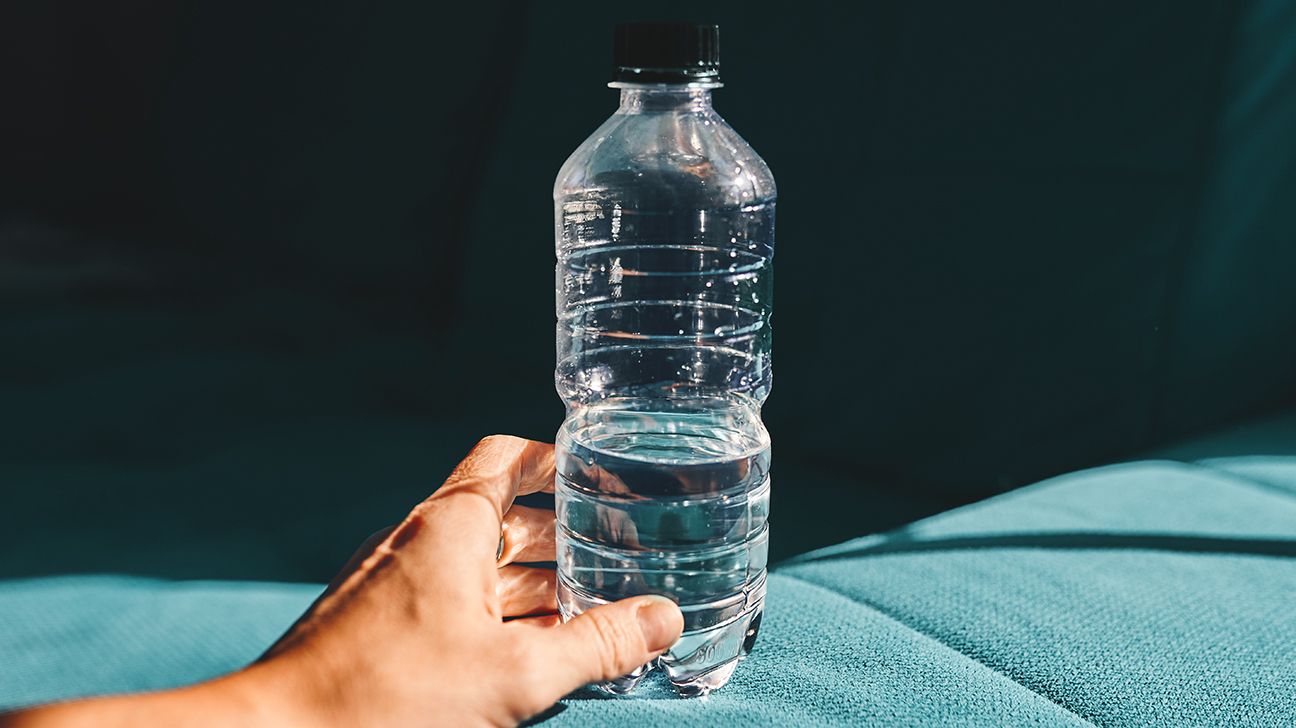
Hand holding plastic water bottle with dark background
Despite the popularity of trendy alkaline or electrolyte-infused waters, regular tap water can also help you stay sufficiently hydrated. Ekaterina Goncharova/Getty Images
  • Proper hydration is essential for health, especially during the hot summer months.
  • Alkaline or electrolyte-infused waters are often touted for their purported health benefits, but experts say tap water is cheaper and probably sufficient for most people.
  • Most people don’t need added electrolytes in their water unless they are losing excess fluids.
  • You can follow your body’s thirst cues to help ensure you are drinking enough water or monitor your recommended daily intake.

As summer temperatures soar, so does the popularity of so-called โ€œfunctionalโ€ waters โ€” especially alkaline and electrolyte-infused varieties โ€” often touted as “smarter” ways to hydrate when heat and humidity are at their peak.

With so many options promising everything from better hydration to balanced pH levels, itโ€™s no wonder consumers are confused about which type of water is truly healthiest.

The rise of specialty waters, which may be packaged with sleek branding and lofty claims, has made plain old tap water seem a little too plain. But do these trendy alternatives really offer health benefits, or are they just expensive hype?

According to experts, the truth may be much simpler โ€” and cheaper โ€” than it appears.

Why is hydration crucial during the summertime?

Blen Tesfu, MD, a registered dietitian nutritionist and physician at Welzo, told Healthline that staying well hydrated is especially important during the hotter months of summer.

Tesfu said the higher temperatures during summer result in rapid fluid loss and dehydration, increasing the need to consume more water to replace the loss.

Dehydration can cause tiredness, confusion, and reduced energy, said Tesfu.

“Staying hydrated is important because it allows the body to properly regulate temperature, promote energy through optimal digestion and absorption, and indirectly support organ function,” she said.

According to Tesfu, it’s especially important to be proactive about hydration if you’re outside being active or standing in the sun.

Sotiria Everett, EdD, clinical assistant professor at Stony Brook Medicine, additionally noted that heat-related illnesses, such as heatstroke and heat exhaustion, can be serious and even life threatening.

“Adequate hydration can help reduce the incidence of heat-related illnesses and is particularly important for athletes and outdoor laborers,” she said.

Do alkaline, electrolyte-enhanced waters have benefits?

Tesfu explained that alkaline water has a pH higher than that of tap water, which generally falls in the range of 6.5 to 8.5

“The thinking behind alkaline water is that it can neutralize excess acidity in the body, which can support overall health,” she said, adding that while some think it can alkalize the body or boost energy, there’s no research supporting these claims.

Electrolyte-enhanced waters, on the other hand, contain the essential minerals lost during sweating and exercise.

“Electrolyte-infused waters can do some good if your body has just suffered a massive loss of electrolytes through sweat or heavy physical activity,” said Tesfu.

She added that replacing electrolytes helps keep the body’s fluid balance in check while also helping to prevent dehydration and cramping.

What’s the best way to stay hydrated?

Despite the popularity of these trendy beverages, they may not be necessary in order to stay hydrated.

For most people, regular tap water should get the job done.

“Itโ€™s cheap, readily available, and typically contains the minerals that your body needs to stay hydrated,” Tesfu said.

Everett agreed. “For most individuals, drinking water throughout the day and consuming a diet with foods that are rich in minerals should support adequate hydration.”

Everett shared some examples of foods rich in minerals:

“For those who are more active in the summer or who tend to really sweat, a pinch of salt and a splash of citrus can help water mimic the benefits of electrolyte drinks,” she said.

Water-rich foods, such as watermelon, celery, strawberries, oranges, and lettuce, can also be helpful.

When are electrolytes beneficial?

Staying hydrated is especially important during heatwaves or if you’re in a hotter climate.

If you are going to be exposed to the heat for a prolonged amount of time, be sure to drink fluids before, during, and after. Be aware of the symptoms of heat-related illness, including elevated heart rate, muscle cramping, and dizziness.

“For those who are more active in the summer, a pinch of salt and a splash of citrus can help water mimic the benefits of electrolyte drinks,” she said.

If you sweat a lot, you would probably benefit from adding electrolytes to your water to help replace what you lost through perspiration.

Electrolyte replacement may benefit highly active people to promote recovery, as well as those who work or exercise outdoors when temperatures are high.

Electrolyte replacement should also be tailored to the individual, and needs may vary based on several factors, such as underlying conditions, any medications you’re taking, your level of activity, or where you live.

If you’re curious about electrolyte replacement, ask your a healthcare professional about the possible benefits.

Are you drinking enough water?

Conventional wisdom says you should drink eight glasses of water every day. However, the truth is that people’s needs vary, from person to person, and even from day to day.

According to the U.S. National Academies of Sciences, Engineering, and Medicine (NASEM), you should let your thirst be your guide.

NASEM guidelines suggest that females consume 2.7 liters (around 91 ounces) of water daily from both food and drinks. Males should aim to consume 3.7 liters (about 125 ounces) daily.

They further state that people’s needs will increase when they are active or in hot environments.

Tesfu adds that a good way to monitor your hydration is to track the color of your urine.

“Clear or pale yellow urine is a sign of sufficient hydration, while dark yellow or amber-colored urine may mean that you are drinking too little,” she said.

She also agreed with NASEM’s advice to drink when you are thirsty.

It’s “your body’s way of telling you you need fluid,” she said.

What if you don’t like drinking water?

If you find that you don’t really like drinking water, Everett reiterates that not all of your water intake has to come from fluids.

“Fruits and vegetables are also hydrating and sources of electrolytes/minerals and other healthy nutrients,” she said.

She also offered tips for making water more palatable.

“Adding lemon slices, fruits (e.g., berries, pineapple), herbs (e.g, mint, basil) or cucumbers can enhance flavor and promote drinking,” said Everett.

Cold brew iced tea is another option, she said, which can boost both flavor and your antioxidant intake.

So, no matter how you choose to stay hydrated, remember: at the end of the day, itโ€™s about listening to your thirst and finding what works for you.

Is Alkaline or Electrolyte-Infused Water Better Than Tap? What Experts Think Read More ยป

Low Calorie Diets Linked to Depression. Try These Healthy Eating Habits Instead

Female making a smoothie in the kitchen
A healthy, well-balanced diet is key to successful, sustained weight management. Photography by Aya Brackett
  • Calorie-restricted dieting is linked to an increased risk of depression in a new study that finds anyone who is on a “diet” is more likely to be depressed.
  • The findings were especially pronounced in people with overweight, who were more frequently depressed when following nutrition-restricted diets.
  • Experts recommend a healthy, well-balanced diet as the surest way to successful, sustained weight management.

New research suggests that people following a calorie-restricted diet may be at an increased risk of depression compared to non-dieters.

The findings, published on June 2 in BMJ Nutrition, Prevention & Health, found that both calorie- and nutrient-restrictive diets are associated with a higher incidence of depression in individuals with overweight.

Calorie-restricted diets are associated with increased cognitive-affective symptoms in these individuals, while nutrition-restricted diets are linked to somatic symptoms.

Previous studies examining the potential relationship between dieting and depression have not resulted in a consensus on the matter.

The new study is an observational study that cannot directly establish cause and effect. As such, its authors frame it as an effort to contribute to the ongoing conversation.

Low calorie diets and depression risk

The cross-sectional study analyzes data collected from 28,525 respondents in the nationally representative 2007โ€“2018 National Health and Nutrition Examination Survey (NHANES). A total of 14,329 females and 14,196 males were included.

The NHANES study measured the incidence of depression in participants by having them respond to the Patient Health Questionnaire-9 (PHQ-9).

In general, PHQ-9 scores range from 0 to 27, with scores of 5โ€“9 considered mild depression, 10โ€“14 moderate depression, 15โ€“19 moderately severe depression, and equal to or greater than 20 considered severe depression.

Most of the participants, 25,009, were not on a diet and served as controls. A higher percentage of males (90%) weren’t dieting than females (85%).

PHQ-9 scores for people on calorie-restricted diets averaged 0.29 points higher than for those who werenโ€™t dieting.

Of participants who were dieting, 2,026 were on a calorie-restricted diet, and 859 were on a nutrient-restricted diet. The remaining 631 were eating according to an established dietary pattern, such as one optimized for a medical condition, such as diabetes or hypertension.

For people with overweight, increases in PHQ-9 scores were somewhat greater for calorie-restricted diets, 0.46 points, and uniquely elevated for nutrient-restricted diets, 0.61 points.

Mental health impacts of dieting

Ritu Goel, MD, board certified child, adolescent, and adult integrative psychiatrist, told Healthline that many people label foods as either “good” or “bad,” which, over time, may impact how they view themselves.

โ€œTheir identity becomes tied to weight, and the number on the scale begins to shape their sense of self-worth,โ€ Goel explained.

Rachel Goldberg, LMFT, PMH-C, a therapist specializing in eating disorders and body image in Los Angeles, CA, echoed this sentiment.

โ€œMany people begin restricting in an effort to control their diet, almost always with the goal to lose weight,” she told Healthline. “But inevitably, this leads to eating more than planned and feeling out of control. On a physiological level, calorie restriction lowers a personโ€™s bandwidth to handle stress.โ€

Extended restrictive diets can result in low levels of protein, iron, and vitamin D, for example.

โ€œIn attempting to โ€˜fixโ€™ one area of health, individuals may inadvertently disrupt others, particularly mental health,” Goel suggested.

Goldberg reported that her clients become โ€œmore upset at things that typically wouldnโ€™t bother them, or they stop feeling joy for things they used to.โ€

โ€œRestriction isnโ€™t a shortcut. Itโ€™s a trap, because itโ€™s not sustainable and keeps you in a painful loop that takes up your mental energy,” she added.

How many calories do you need each day?

A calorie is a unit that measures energy:

  • In foods, it is the number of energy units a food contains.
  • When you expend energy through physical activity, calories are the number of energy units you spend.

The number of calories a person requires depends on several factors, including gender, age, and level of physical activity.

In general, most females need a minimum of 1,600 daily calories to maintain their weight, while males may need a minimum of 2,000 calories.

How to practice healthy eating habits

Michelle Routhenstein, MS, a registered dietitian specializing in heart disease, told Healthline she often works with people after they tried calorie-restrictive diets that didn’t work long-term.

Routhenstein said that itโ€™s vital for long-term weight management success to focus on balanced, and therefore, sustainable, changes to the way one eats.

A particularly helpful habit is to practice mindful eating, in which a person learns to pay attention to the bodyโ€™s true hunger cues as well as easily missed fullness cues.

Pausing toward the end of a meal to give a fullness cue a chance to be โ€œheardโ€ may be a handy trick to help avoid overeating.

Eating on a regular schedule can help reduce unwanted random eating and can also prevent hunger due to overlong periods without food.

As Goel had mentioned, it can be helpful to avoid labeling foods as “good” or “bad.”

โ€œThis can backfire,โ€ said Routhenstein. โ€œInstead, focus on choosing foods that provide nourishment and satiety to support a positive and balanced approach.โ€

Routhenstein recommended seeking support from a registered dietitian โ€œwho can offer personalized guidance and accountability on your journey to healthier eating.โ€

Foods to improve your mood

Some foods are believed to be especially helpful for maintaining a positive mood.

These include fatty fish such as salmon and sardines that are rich in omega-3 fatty acids.

Omega-3 fatty acids โ€œhave been shown to reduce symptoms of depression and support cognitive function,โ€ said Routhenstein.

Recent research has connected a healthy gut microbiome to mood and emotional health via the gut-brain axis.

Fermented foods, such as yogurt, kimchi, and kefir, are also being examined for their positive impact on mental health.

Low Calorie Diets Linked to Depression. Try These Healthy Eating Habits Instead Read More ยป

Your Dementia Risk May Be Higher Depending on Where You Live

Older male gets assistance walking down steps
A large study found that dementia risk was lowest in the Mid-Atlantic region and highest in the Southeast. Getty Images
  • A large study of U.S. veterans has found regional differences in dementia risk.
  • The Southeast region had the highest risk, while the Mid-Atlantic had the lowest.
  • Experts say healthcare resources should be tailored to meet regional differences.
  • There are also lifestyle choices that individuals can make to reduce their dementia risk.

A new nationwide study reveals that your risk of dementia might vary depending on where you live.

Dementia is an incurable condition that causes a progressive decline in a person’s cognitive abilities, including thinking, memory, and behavior.

The researchers found significant regional differences in dementia rates among older U.S. veterans, which they say highlights the need for targeted healthcare strategies. 

The findings, published online on June 9 in JAMA Neurology, show that among veterans ages 65 and older, dementia incidence was lowest in the Mid-Atlantic region and highest in the Southeast.

Even after adjusting for factors like age, race, education, rural living, and heart health, the Southeast region showed up to 25% higher dementia rates, with the Northwest and Rocky Mountains regions at 23%.

Experts suggest that socioeconomic factors, healthcare quality, lifestyle, and environmental exposures may contribute to these disparities. 

The findings underscore the importance of region-specific public health interventions to better support those at greater risk. 

As dementia continues to affect millions nationwide, understanding these geographic patterns could help reduce risk and improve care efforts for vulnerable populations.

Dementia rates vary by U.S. regions

This large study examined how rates of new dementia cases vary across different regions of the United States among older veterans receiving care through the Veterans Health Administration (VHA). 

The researchers followed over 1.2 million dementia-free veterans aged 65 and older for an average of about 12.6 years to see where dementia diagnoses occurred most frequently.

They divided the country into 10 regions based on Centers for Disease Control and Prevention (CDC) definitions and tracked new dementia diagnoses using medical codes recorded during veterans’ visits to VHA facilities.ย 

The study also considered factors such as age, sex, race, education level in their neighborhoods, whether veterans lived in rural or urban areas, and if they had other health problems like diabetes, high blood pressure, or heart disease.

The researchers found that dementia incidence rates differed significantly by region. The Mid-Atlantic region (including states like Pennsylvania, Maryland, and New Jersey) had the lowest dementia incidence at about 11.2 cases per 1,000 person-years. 

In contrast, the Southeast (including Kentucky, Tennessee, Alabama, and Mississippi) had the highest rate, with about 14.0 cases per 1,000 person-years โ€” a roughly 25% higher risk compared to the Mid-Atlantic.ย 

In addition to the 23% higher rates in the Northwest and Rocky Mountains, other regions with higher dementia rates included:

  • South: 18%
  • South Atlantic: 12%
  • Midwest: 12%

The remaining regions had a less than 10% difference.

These differences remained even after adjusting for important factors such as age, sex, race and ethnicity, education level (measured by the percentage of college-educated adults in the area), rural versus urban residence, and cardiovascular health conditions like hypertension and diabetes. 

This suggests that other region-specific factors might be contributing to the varying dementia risks.

Possible contributors to these regional differences include socioeconomic disparities, lifestyle and environmental factors, access to and quality of healthcare, and diagnostic practices. For example, regions with higher dementia rates tended to have lower educational attainment and higher rates of conditions like stroke and hypertension. 

Living in a rural area was associated with some increased risk, but did not fully explain the differences. 

The authors also noted that the VHA system provides relatively even access to healthcare, so differences in healthcare availability might be less of a factor than in the general population.

Overall, the study highlights that dementia risk is not uniform across the United States and that public health strategies and healthcare resources should be tailored to address these regional differences to better support populations at higher risk.

Why some regions may have higher dementia risk

Logan DuBose, MD, co-founder of Olera, who was not involved in the study, explained that several factors can influence a person’s risk of dementia. These may include:

“So as we look at this studyโ€™s finding โ€” that the Southeast has 14 cases per 1,000 person-years while the Mid-Atlantic has only 11.2 cases per 1,000 person-years โ€” even after adjusting for demographics, rurality, and cardiovascular conditions, itโ€™s interesting to consider how these environmental and social factors I mention are at play and may create regional patterns in dementia risk like the study showed,” DuBose told Healthline.

DuBose added, however, that the population consisted entirely of veterans followed from October 1999 to September 2021, which might be a confounding variable since some U.S. regions are more veteran-friendly than others. For example, there are more military bases and places where they can access VA healthcare services.

“That said, the large number of participants and sound study protocol still seems to make it likely that there is in fact a generalizable, statistically significant, and likely clinically significant regional difference in dementia risk,” DuBose noted.

How to reduce your dementia risk

Just because you live in a particular geographic region doesn’t necessarily mean you will develop dementia.

As Raj Dasgupta, MD, chief medical advisor for Garage Gym Reviews, who was also not involved in the study, said that research like this helps us to “connect the dots” and identify patterns.

“If we know where dementia is hitting hardest, we can focus on bringing more support and resources to those communities,” Dasgupta told Healthline.

“Itโ€™s not just about the numbers, itโ€™s about giving people in those areas a better shot at early diagnosis, treatment, and [risk reduction],” he added.

Dasgupta noted that there is plenty we can do on the individual level to reduce the risk of developing dementia.

“Regular exercise, a heart-healthy diet, staying mentally and socially active, getting good sleep, and managing conditions like high blood pressure and diabetes all help,” he said.

“Basically, whatโ€™s good for your heart tends to be great for your brain too. Small, consistent habits really add up when consistent over time.”

Your Dementia Risk May Be Higher Depending on Where You Live Read More ยป

WHO Recommends ‘Breakthrough’ Twice-Yearly Shot for HIV Prevention

Person receives PrEP injection in arm
Lenacapavir is a twice-yearly injection to prevent HIV that could improve adherence rates compared to other PrEP medications. d3sign/Getty Images
  • The WHO issued a global recommendation for lenacapavir, a highly effective, twice-yearly injection to prevent HIV infection.
  • The recommendation follows a recent FDA approval for the drug, which will be sold in the U.S. under the brand name Yeztugo.
  • The twice-yearly shot showed near total effectiveness in clinical trials and could improve adherence rates compared to other PrEP medications.
  • Experts are excited about using lenacapvir for HIV prevention, but remain cautious about the drug’s affordability and accessibility.

A drug used to treat some HIV infections can now be used to help prevent HIV, the virus that causes AIDS

The World Health Organization (WHO) issued a global recommendation for lenacapavir, a twice-yearly injection to help prevent HIV infections, particularly for higher-risk groups and in regions where HIV transmission remains high.

Theย recommendation, issued on July 14 at the International AIDS Conference in Kigali, Rwanda, follows a recent Food and Drug Administration (FDA) approval for lenacapavir to prevent human immunodeficiency virus or HIV in adults and adolescents.

Lenacapavir (Yeztugo) from Gilead Sciences has been shown to significantly reduce the risk of HIV infection in two phase 3 clinical trials that were funded by the company.

The PURPOSE 1 and PURPOSE 2 trials, which were highly inclusive by design, showed that 99.9% of participants who received lenacapavir remained HIV negative. The side effects were also minimal, mostly pain or swelling at the injection site.

Additionally, when compared to current preexposure prophylaxis or PrEP therapies, lenacapavir offered superior protection against the HIV virus. In 2024, Science magazine named the drug its โ€œBreakthrough of the Year.โ€

PrEP treatments have been used in the United States to prevent HIV since 2012. These therapies generally involve daily oral medication (Truvada) or injections every two months (Apretude). 

The new biannual injection option offers an effective and appealing alternative for HIV prevention with less commitment. Yeztugo is the first and only twice-yearly option for HIV prevention available in the United States for those who may need or want PrEP.ย 

The FDA approval of this prevention therapy marks a silver lining amid uncertainty in HIV treatment and research. The Trump administration had recently announced federal cuts to funding for an HIV vaccine program and the elimination of federal support for clinical practice guidelines that advise doctors on how to diagnose and treat HIV.

โ€œYeztugo could be the transformative PrEP option weโ€™ve been waiting for โ€” offering the potential to boost PrEP uptake and persistence and adding a powerful new tool in our mission to end the HIV epidemic,โ€ Carlos del Rio, MD, Distinguished Professor of Medicine in the Division of Infectious Diseases at Emory University School of Medicine and co-director of the Emory Center for AIDS Research in Atlanta, said in a news release on June 18.ย 

โ€œA twice-yearly injection could greatly address key barriers like adherence and stigma, which individuals on more frequent PrEP dosing regimens, especially daily oral PrEP, can face. We also know that, in research, many people who need or want PrEP preferred less frequent dosing,โ€ del Rio continued.

Twice-yearly shot could improve PrEP adherence rates

Despite advancements in HIV treatment and prevention, in 2023, more than 100 people were diagnosed with HIV every day in the United States.

A recent CDC analysis shows that up to 2.5 million U.S. adults need PrEP to prevent HIV infection. However, just over one-third of those who would benefit from the medication are prescribed it.

PrEP therapies are widely available in the United States, but the medication remains underutilized due to stigma or lack of affordability, insurance, and access. Black people, African Americans, and Latin or Hispanic populations are most impacted by this disparity, as are those who reside in the Southern U.S. 

Experts say having a highly effective, twice-yearly PrEP option for HIV prevention could improve access for people with and without insurance and bolster adherence rates.

โ€œProviders are excited about the approval of long-acting lenacapavir for HIV prevention since this once-every-six-month injection has been shown to have high efficacy in preventing HIV in both women and men in two large trials,โ€ said Monica Gandhi, MD, MPH, a professor of medicine at the University of California, San Francisco. Gandhi wasnโ€™t involved in the clinical trials.

โ€œData from our clinic in San Francisco, which serves low income people with or at risk of HIV, and others have shown that long-acting PrEP works well for people living with HIV who have high rates of concomitant challenges such as housing insecurity and substance use where it can be difficult to take a daily oral pill for PrEP,โ€ Gandhi told Healthline.

Gandhi further noted that higher retention rates have been observed among those on long-acting PrEP with another long-acting agent, Apretude (cabotegravir), compared to oral PrEP alone.

She anticipates similar improved adherence rates for those on long-acting Yeztugo (lenacapavir), both for those who have difficulty taking an oral pill or those who might prefer the convenience of a twice-yearly injection.  

Twice-yearly PrEP could be a โ€˜game-changerโ€˜

Within the United States, men who have sex with men, as well as heterosexual individuals with multiple partners, are considered high risk for HIV transmission. 

But the need for accessible HIV prevention therapies like PrEP spans the globe.

According to Gilead, regulators around the world are reviewing Yeztugo for HIV prevention. For now, the United States is the only country to approve the drug.

โ€œItโ€™s very exciting and we have a great deal of confidence in it,โ€ William Schaffner, MD, professor of preventive medicine and infectious diseases in the Department of Health Policy at Vanderbilt University Medical Center in Nashville, said of the drug. Schaffner wasnโ€™t involved in the clinical trials.

โ€œIt could be a game-changer,โ€ he told Healthline. โ€œShort of a vaccine, this is a way to efficiently prevent HIV infection in large populations that are at high risk, not only in the developed world, but potentially in the developing world also. If we have the determination, followed by the allocation of resources to reach out to populations at high risk, we can make this available,โ€ Schaffer noted.

A promising option with obstacles ahead

Itโ€™s unclear when Yeztugo will become available to the general U.S. population and how much it might cost out of pocket, particularly for those without health insurance.

โ€œI don’t know how quickly the company can make this available and educate practitioners about its utility, but certainly both in the public health sector โ€” and we’ll see where the resources extend to โ€” and in private medical circumstances, we may have to wait a little while before medical insurance programs include Yeztugo in their benefits packages,โ€ Schaffer said.

Gandhi expressed concern over the drug’s high cost and whether it would be covered by large health insurance companies.

A corporate spokesperson for Gilead said lenacapavir could cost around $28,218 annually per person in the United States.

โ€œWe are working to make Yeztugo accessible for anyone who needs or wants it and expect to see broad insurance coverage,” the spokesperson said by email.

“Weโ€™ve seen high insurance coverage for existing prevention options โ€” for example, the vast majority of consumers have a $0 copay for Descovy for PrEP in the U.S. โ€”  and we are working to ensure broad coverage for lenacapavir.”

Gandhi agreed that the estimated total cost per year is similar to the total cost of other long-acting PrEP therapies, such as Apretude (cabotegravir), but noted the medication may still be out of reach for those with low socioeconomic status who rely on federal subsidies.

“These are days of austerity in healthcare, including the concerning possibility of a $700 billion cut to Medicaid which will be determined in an upcoming Senate vote, leaving the health insurance program for low-income individuals in the U.S. severely underfunded. I urge the company to reconsider their price to improve access for Americans,” Gandhi said.

WHO Recommends ‘Breakthrough’ Twice-Yearly Shot for HIV Prevention Read More ยป

Can a ‘Cortisol Cocktailโ€™ Actually Reduce Stress? What Experts Think

Female drinking a cortisol cocktail drink
TikTok users say the “cortisol cocktail” can help lower stress, but experts are skeptical about the benefits. Flashpop/Getty Images
  • Proponents of the viral “cortisol cocktail” claim the drink can reduce stress and improve sleep, but thereโ€™s little evidence to support this claim.
  • Its main ingredient, magnesium, may help support stress relief, but the dose in a single serving is quite low.
  • Other ingredients, like citrus juice and coconut water, can be beneficial, but their effects are likely minimal.
  • Experts say there’s no harm in trying the drink, but itโ€™s not a replacement for stress management strategies like quality sleep, nutrition, and movement.

If you follow nutrition content on TikTok or other social media platforms, you might have seen influencers sipping a fizzy drink before bed, claiming it helps them sleep better, feel calmer, and wake up more refreshed. 

The so-called “cortisol cocktail” typically includes a blend of magnesium powder, coconut water, and citrus juice, with some content creators adding pink Himalayan salt or sparkling water for taste.

Cortisol is a โ€œstress hormone,โ€ and with stress, inadequate sleep, and burnout on the rise, itโ€™s not hard to understand the drinkโ€™s appeal. 

The viral mocktail has been praised as a โ€œrelaxation ritualโ€ that provides natural nervous system support. Some proponents report that it helps them manage stress and fall asleep more easily. 

But is it an effective stress-reliever? And does it have any health drawbacks? Hereโ€™s what the science and nutrition experts has to say.

Does magnesium help with stress? 

There isn’t any scientific evidence to support the stress-relieving benefits of the cortisol cocktail, but the individual ingredients could have some merit. 

Magnesium, in particular, may offer some benefits.

โ€œMagnesium is a powerhouse of a nutrient responsible for hundreds of biochemical processes in the body,โ€ nutritionist Beth Edwards told Healthline. 

โ€œWhen we’re experiencing stressful episodes, our body will utilize and burn through our magnesium stores more quickly, plus we excrete more magnesium out in our urine when we’re stressed. So, topping up levels is helpful,โ€ she said. 

Similarly, nutritionist Amie Parry-Jones told Healthline that research published in 2020 found magnesium may lower elevated cortisol, especially in those with deficiencies.

โ€œElevated cortisol can contribute to loss of electrolytes,โ€ Parry-Jones said. โ€œA deficiency can cause a number of stress-related symptoms.โ€ Because of this, some people may find it helpful to supplement with magnesium.

Cortisol cocktail contains vitamin C, electrolytes

The lemon juice component of the cortisol cocktail may provide a boost of an important vitamin.

โ€œOrange and lemon juice contain vitamin C, which we know is an important nutrient and antioxidant across the board, but especially when it comes to supporting the stress response and ensuring optimal adrenal function,โ€ said Edwards. 

The adrenal glands sit near the kidneys and are responsible for making stress hormones like adrenaline and cortisol.

โ€œThe adrenals utilize vitamin C quickly, so ensuring we have adequate levels is important,โ€ Edwards explained. 

That said, research is still limited. 

โ€œStudies that report benefits of vitamin C in managing symptoms related to stress generally use high dose supplementation of ascorbic acid rather than food sources,โ€ Parry-Jones pointed out. 

So, the minimal amount of vitamin C you get in your cortisol cocktail may not provide any meaningful benefit. 

What about the inclusion of coconut water? 

โ€œCoconut water contains good levels of electrolytes, notably potassium, which can address electrolyte imbalances, potentially supporting a reduction in cortisol,โ€ said Parry-Jones. 

Still, both experts agreed that this effect is likely to be minimal. 

Are there any drawbacks to the cortisol cocktail? 

The cortisol cocktail could have some unintended effects, like disrupted sleep and elevated blood sugar levels. 

โ€œThe sugars from orange juice are absorbed into the bloodstream rapidly due to the separation from fiber in the whole fruit,โ€ Parry-Jones explained. 

โ€œA spike in blood glucose levels before bed will lead to a subsequent crash as the body releases insulin.โ€  

Due to these blood sugar fluctuations, you may feel hot, restless, and have difficulty falling or staying asleep.

โ€œPoor sleep in turn increases cortisol levels the following day,โ€ Parry-Jones pointed out. 

If you are trying the cortisol cocktail, Edwards recommends having it earlier in the day alongside a meal to lessen the blood sugar spike. 

For some, the cortisol cocktail may also lead to digestive issues. 

โ€œThe sparkling water in the recipe may cause digestive symptoms such as bloating, reflux, or gas, again potentially leading to poor sleep,โ€ said Parry-Jones. 

Cortisol cocktail is likely a harmless health trend

You probably wonโ€™t experience any significant stress-relieving benefits from this wellness drink.

โ€œThe cortisol mocktail sounds fun, but itโ€™s highly unlikely to lead to any real results in reducing cortisol or addressing stress levels in the long term,โ€ said Parry-Jones.

Edwards agreed. โ€œIt might support the optimal stress response, but dosage is important. The drink contains lowish amounts of ingredients and nutrients, meaning its potency is also low.โ€

Plus, stress is rarely solved with a single mocktail.

โ€œIโ€™d encourage people to think about their overall lifestyle, nutrition as a whole, sleep and movement, rather than focusing on one drink,โ€ Edwards said. 

โ€œLook at the bigger picture, rather than overly focusing on one ‘quick fix’.โ€

And if you are feeling better after drinking it? It might be something else.

โ€œThere may be an element of placebo effect when someone starts drinking this cocktail. This tends to be initially quite powerful but wears off over time,โ€ Parry-Jones pointed out.

That doesnโ€™t mean itโ€™s all bad. But the experts noted that meaningful stress relief and cortisol balance almost always come from more personalized interventions, which may involve working with a healthcare professional.

Can a ‘Cortisol Cocktailโ€™ Actually Reduce Stress? What Experts Think Read More ยป

Study Finds Direct Link Between Ultra-Processed Foods and Chronic Diseases

ultraprocessed packaged cupcakes on shelves
Researchers say there is strong evidence showing that ultra-processed foods promote overeating and increase the risk of obesity. Helene Cyr/Stocksy United
  • A new report states that ultra-processed foods are a major contributing factor to the obesity epidemic.
  • Researchers say these foods are designed to be palatable, causing people to overeat and gain weight.
  • Experts say the health risks from obesity range from heart disease to type 2 diabetes to sleep apnea.

A new report has concluded that ultra-processed foods are a driving force behind the obesity epidemic as well as a major cause of chronic conditions.

Theย findings, published in the journalย Nature Reviews Endocrinology, were a summary by scientists of existing research on the potential connection between obesity and the advent of ultra-processed foods.

The researchers reported that there is strong evidence that ultra-processed foods promote overeating and increase the risk of obesity.

They said the additives and preservatives in ultra-processed foods such as chips, pre-cooked meals, and cookies can cause excessive energy intake, disrupt the digestive system, and affect the brainโ€™s ability to tell a person they have had enough to eat.

They add that ultra-processed foods can alter the way the body absorbs food as well as the gut microbiotaโ€™s composition and function.

The researchers urged government leaders to take action to improve the food environment by enacting measures such as package labeling and marketing restrictions.

Experts not involved in the study say this research review is important.

โ€œThis confirms what we know that ultra-processed foods are a detriment to the body,โ€ said Mir Ali, MD, a general surgeon, bariatric surgeon, and the medical director of MemorialCare Surgical Weight Loss Center at Orange Coast Medical Center in California.

โ€œResearch on UPFs [ultra-processed foods] is accumulating at lightning speed,โ€ added Laura Schmidt, PhD, a professor in the School of Medicine at the University of California San Francisco. โ€œI like this review because it summarizes the latest evidence and puts it all in one place.โ€

How ultra-processed foods affect your health

David Cutler, MD, a family medicine physician at Providence Saint Johnโ€™s Health Center in California, noted that the origins of ultra-processed foods had some benefits for society. Cutler wasn’t involved in the new study.

He notes that 150 years ago in the United States, there was widespread malnutrition and vitamin deficiency as well as disease from foods not properly preserved.

Cutler said the preservatives and additives put in food more than a century ago increased their shelf life and bolstered their nutrient value.

However, he noted, in recent decades ultra-processed foods have gone overboard with these scientific advances.

โ€œThe risks are now greater than the benefits we thought we got when we added these things to ultra-processed foods,โ€ Cutler told Healthline.

Ali notes that ultra-processed foods tend to be calorie rich and nutrient poor. They are also designed to be tasty, which can cause people to overeat.

Travis Masterson, PhD, a professor of health promotion and disease prevention at Pennsylvania State University and a member of the communications committee at The Obesity Society, said itโ€™s not just the amount of ultra-processed foods that are consumed, itโ€™s also whatโ€™s in them. Masterson wasn’t involved in the new study.

In particular, he notes something called energy density.

โ€œEnergy density is how many calories can be packed into a food,โ€ Masterson told Healthline. โ€œThere is a pretty close relationship between how unhealthy a diet is and the energy density of a food.โ€

โ€œMany ultra-processed foods tend to be high in energy because they strip out things like water and fiber to increase shelf stability and improve texture while also upping the levels of fat and sugar present,โ€ he explained.

Ultra-processed foods and chronic disease risk

Past research has reported on the variety of health issues linked to ultra-processed foods.

A study published in Aprilย stated that ultra-processed foods may be tied to more than 120,000 preventable deaths in the United States every year.

A 2023 studyย found that ultra-processed food consumption increased the risk of heart disease, cancer, and diabetes.

In addition, aย 2024 studyย suggested a potential connection between these foods and cognitive decline.

Experts say the damage goes beyond simple weight gain and the resulting chronic conditions.

Ali said ultra-processed foods can increase cardiovascular risks due to their preservatives. Schmidt added that the health effects can get down to the cellular level.

โ€œUPFs also harm the gut microbiome by starving the โ€˜healthy bacteriaโ€™ of fiber and introducing chemical additives that eat away at the intestinal lining designed to seal off the gut,โ€ she explained to Healthline. โ€œThis means that bacteria in the gut can get into the bloodstream, causing chronic inflammation throughout the body โ€” a risk factor for many chronic diseases.โ€

โ€œFinally, the high levels of sugar, fat, and salt in UPFs (which are added to make them irresistible) have their own health effects that increase the risk of chronic diseases,โ€ Schmidt said.

โ€œThe harms of UPF are multifaceted, but this study and others point to things like additives, emulsifiers, sweeteners, sodium, texture, and potentially additive properties,โ€ notedย Kristin Kirkpatrick, RD, the president of KAK Consulting and a dietitian at the Cleveland Clinic Department of Wellness & Preventive Medicine in Ohio. Kirkpatrick wasn’t involved in the new study.

โ€œThe other component of concern is the fact that these foods are often hard to stop eating so hopes of portion control may not be as realistic when compared to whole foods,โ€ she told Healthline. โ€œIn addition to these items, UPFs often substitute and take the place of healthy, nutrient dense foods in a dietary pattern which could increase even further the risk of chronic conditions.โ€

How obesity impacts health

New research found that obesity-related cancers tripled in the past two decades. The preliminary findings, which have not been published in a peer-reviewed scientific journal, were presented on July 13 at ENDO 2025, the Endocrine Societyโ€™s annual meeting in San Francisco, CA.

According to the Centers for Disease Control and Prevention (CDC), more thanย 41.9% of adultsย in the United States are considered obese.

Now, a new measurement for obesity developed by researchers could raise that figure to more than half of U.S. adults. The European Association for the Study of Obesity (EASO) recently redefined obesity to include anthropometric measures beyond body mass index (BMI) and comorbidities, but this framework has not yet been validated.

What’s more, over 9% of U.S. adults are described as having severe obesity, according to the CDC.

Among the health risks associated with obesity are:

  • type 2 diabetes
  • heart disease
  • stroke
  • high blood pressure
  • sleep apnea
  • liver disease
  • certain cancers
  • pregnancy complications

โ€œObesity affects every organ in the body,โ€ said Ali.

Kirkpatrick said belly fat is particularly worrisome.

โ€œBelly fat is active, close to organs, and inflammatory, so the risk of increased belly fat will ultimately increase the risk of metabolic disorders (diabetes, high lipids, etc.) and other chronic conditions,โ€ she explained.

How to reduce ultra-processed foods in your diet

Experts say it can be difficult to cut back on the amount of ultra-processed foods you eat.

For starters, they dominate grocery store shelves. Examples of ultra-processed foods include:

  • sweetened breakfast cereals
  • soda
  • white bread
  • flavored granola bars
  • flavored potato chips

In addition, experts say, the preservatives in these foods make them easy to store as well as easy to prepare.

Then, thereโ€™s the taste. Additives can make these foods difficult to resist.

โ€œTheyโ€™re designed to be highly palatable,โ€ Ali told Healthline.

โ€œThere are a variety of factors that make the foods tasty, soft, and calorie dense and this likely messes with how fast we eat, how we process foods both in the gut, and how rewarding these foods are,โ€ added Masterson. โ€œThen there are a variety of factors that reinforce the consumption of these foods like convenience, availability, and aggressive food marketing.โ€

Cutler said reading labels can provide important information. He added that itโ€™s also helpful to spend more time shopping on the outer edges of the store, where fruits, vegetables, and fresh meat are displayed, and less time in the center of the store, where packaged food resides.

โ€œTry to eat foods that are in their more natural state,โ€ he said.

Masterson said cooking at home using basic ingredients is one way to improve your diet, although itโ€™s not always easy to do.

โ€œNot everyone has time or the correct equipment to cook, but cooking is a great skill to invest into, no matter your situation,โ€ he said.

Masterson added that better food choices can also help. Strategies include eating a banana instead of a snack bar or using whole grain bread instead of white bread.

Kirkpatrick advises clients to try to reduce ultra-processed foods in steps rather than eliminating them all at once.

โ€œFirst look at frequency. For example, if you love a fast-food burger, then limiting consumption to once a month can make a big difference in protecting health,โ€ she said.

โ€œIf every meal and snack is UPFs, then working with a dietitian to find substitutions, tools for cooking, and healthier grocery shopping may all help,โ€ Kirkpatrick said. โ€œUPFs may have additive qualities, so eliminating them cold turkey may be harder than it sounds.โ€

Study Finds Direct Link Between Ultra-Processed Foods and Chronic Diseases Read More ยป

GLP-1 Drugs May Boost Testosterone Levels In Men With Obesity, Diabetes

Male with GLP-1 injection pen by a window
A new study reports that GLP-1 medications may improve low testosterone in men with obesity or type 2 diabetes. Tatsiana Volkava/Getty Images
  • New research shows that GLP-1 medications are associated with improved testosterone in males with obesity or type 2 diabetes.
  • The findings align with prior evidence showing that weight loss can support healthy testosterone levels.
  • Obesity and type 2 diabetes are recognized as comorbidities for low testosterone and sexual dysfunction.

GLP-1 medications can help improve low testosterone in males with obesity or type 2 diabetes, new research suggests.

Testosterone is a key hormone involved in functions ranging from sexual health to muscle development. While various factors influence testosterone levels, obesity and type 2 diabetes are both recognized risk factors for low testosterone.

Researchers have already shown that weight loss improves testosterone levels through lifestyle modifications and treatments such as bariatric surgery.

GLP-1 drugs, a class of obesity and diabetes medications that includes Ozempic, Wegovy, Zepbound, and Mounjaro, are known to produce significant weight loss. However, their effects on testosterone levels hadnโ€™t yet been studied.

โ€œWe found that men treated with GLP-1โ€“based weight loss therapies, such as semaglutide, dulaglutide, and tirzepatide, experienced significant increases in both total and free testosterone levels,โ€ said Shellsea Portillo Canales, MD, first author of the study and endocrinologist at SSM Health St. Louis University Hospital.

โ€œThese findings suggest that in men with obesity or type 2 diabetes, incretin-based therapy may help restore healthy testosterone levels, particularly when low testosterone is related to obesity,โ€ she told Healthline.

Portillo Canales presented her research on July 14 at ENDO 2025, the Endocrine Societyโ€™s annual meeting in San Francisco, California. The study has not yet been published in a peer-reviewed journal.

The findings are not surprising, but they help to answer an important, unanswered question about GLP-1 drugs and sexual health.

โ€œThis preliminary study fills a nice gap in the research in this area,โ€ said David B. Sarwer, PhD, director of the Center for Obesity Research and Education, Temple University, and a spokesperson for the Obesity Society who wasnโ€™t involved in the research.

โ€œIt adds to a rapidly growing evidence base suggesting that these medications, in addition to promoting clinically significant weight loss, also have a wide range of secondary health benefits,โ€ he said.

Testosterone levels improved in most participants

Portillo Canales and her team conducted a retrospective study of people with obesity and type 2 diabetes using electronic health records to investigate the effects of GLP-1 drugs on testosterone over an 18-month period.

The study included 110 males, most of whom were white and in their mid-50s. Their average body mass index (BMI) was 35, meeting the threshold for clinical obesity, and 86 had type 2 diabetes. Subjects were excluded if they had received testosterone or other androgenic therapies.

At baseline, just over half of the men had total testosterone levels above 300 nanograms per deciliter (ng/dL).

According to the American Urological Association, any value below this threshold indicates low testosterone. After 18 months on GLP-1 receptor agonists, the proportion of men with healthy testosterone rose to 77%.

The average participant lost about 26 pounds, decreasing from 255 to 229 pounds or approximately 10% of their body weight. Concurrently, total testosterone increased by about 18% (from 322 to 380 ng/dL), while free testosterone rose by 17%.

โ€œThis tracks with what we would expect based on how weight loss affects testosterone concentrations,โ€ said Beverly Tchang, MD, an endocrinologist and obesity medicine specialist at Weill Cornell Medicine. Tchang wasn’t involved in the study.

Studies consistently demonstrate that reductions in body weight correlate with increases in testosterone among men, particularly those with obesity.

Other interventions that produce substantial weight loss โ€” such as bariatric surgery โ€” have likewise been associated with improved testosterone levels and overall hormonal balance.ย 

While there is no evidence that GLP-1 medications stimulate testosterone production directly, the increase in testosterone driven by their weight-loss effects appears comparable to that of other weight loss strategies.

What is low-T (male hypogonadism)?

Low testosterone (low-T) in males occurs when the testicles do not produce enough testosterone. Signs of low testosterone in men include:

  • low sex drive (libido)
  • decreased muscle mass
  • erectile dysfunction
  • lethargy/low energy
  • increased body fat

The most serious form of low-T is known as pathologic hypogonadism, and indicates a persistent reduction in testosterone levels caused by an irreversible condition. However, in many cases, testosterone levels can be corrected through both lifestyle and medical interventions.

Obesity-related low testosterone is one such case.

โ€œWe know obesity is associated with โ€˜pseudoโ€™ hypogonadism โ€” not pathological. Obesity, due to excess adiposity, can affect the hypothalamic-pituitary-testicular axis. In essence, brain centers are lowering testosterone in obesity,โ€ said Sun Kim, MD, an associate professor of Endocrinology at Stanford Medicine who wasnโ€™t involved in the research.

In fact, obesity and low testosterone can create a sort of positive feedback loop: obesity lowers testosterone, which in turn can lead to less muscle mass, which can lead to further weight gain. 

โ€œMuscle mass is one of our biggest drivers of our metabolism. So, when you have low testosterone and you have this reduced ability to build muscle, then that slower metabolism predisposes you to more weight gain,โ€ said Tchang.

In addition to being a powerful agent for weight loss, GLP-1 drugs also have meaningful downstream effects on testosterone. Kim suggested that, given these effects, people with obesity who are considering hormone replacement therapy for low-T should first consider weight loss.

โ€œMen with obesity with low testosterone (not due to other causes) should prioritize weight loss to increase testosterone versus taking exogenous testosterone,โ€ she said.

Can GLP-1 drugs help improve sexual health?

While the findings are preliminary, experts are excited by the possibility of the role that GLP-1 medications could play in improving sexual health.

โ€œAnecdotally, we’ve heard of some people coming back, men specifically, saying that GLP-1s have helped their libido and sexual performance,” Tchang said.

“If these drugs have an added benefit on the testosterone side, along with healthier blood vessels or more blood flow, then we’re looking at a medication that’s really starting to become a sexual health aid as well.”

Sarwer told Healthline that this latest study adds evidence of yet another health benefit from GLP-1 drugs.

โ€œOver the past several years, we have seen a great deal of enthusiasm about the use of incretin therapies to promote weight loss much larger than those seen with caloric restriction and increased physical activity,โ€ he said.

โ€œThis weight loss has downstream effects on a range of important health issues. This study suggests that we may soon be able to confidently add increased testosterone to that list.โ€

GLP-1 Drugs May Boost Testosterone Levels In Men With Obesity, Diabetes Read More ยป

Olivia Munn’s Mom Also Had Breast Cancer, Highlighting Genetic Risks

Olivia Munn
Olivia Munn shared that her mom, Kim Munn, was also diagnosed with breast cancer after taking the same risk assessment test. Getty Images
  • Olivia Munn recently shared her mother was also diagnosed with breast cancer.
  • The actress has been open about her breast cancer journey and revealed that her mom, Kim Munn, took the same risk assessment test.
  • Understanding your family history and other genetic risk factors for breast cancer could be lifesaving.

Olivia Munn has been open about her breast cancer journey since being diagnosed in 2024.

The actress and activist recently shared that her mother, Kim Munn, had also been diagnosed after taking the same risk assessment test she credits with saving her life.

The actress, 45, shared her motherโ€™s diagnosis in an Instagram post on July 9.

โ€œYou may know that when I talk about my own battle with cancer I bring up the Lifetime Risk Assessment test that saved my life. I never wouldโ€™ve predicted it would save my momโ€™s life as well,โ€ Olivia Munn wrote in the caption.

Olivia Munn was diagnosed with Luminal B breast cancer in both breasts. Because this form of breast cancer can be aggressive, the โ€œYour Friends and Neighborsโ€ star underwent a double mastectomy.ย 

She also had a hysterectomy, which removed her uterus, and a bilateral salpingo-oophorectomy, which is the removal of both ovaries and fallopian tubes. Both procedures can help prevent cancer recurrence.

Now, her motherโ€™s breast cancer diagnosis highlights the importance of genetic risk factors in breast cancer and the importance of screening and genetic testing, particularly for the BRCA gene.ย 

Around 5โ€“10% of all breast cancer cases are associated with people who have a family history of the disease.

โ€œ[Genetic] tests look at the genes you were born with; therefore, one test will be truly lifelong,โ€ said Louise Morrell, MD, medical oncologist and chief medical executive at the Lynn Cancer Institute, part of Baptist Health South Florida.

Healthline recently spoke with Morrell to learn more about genetic risk factors influencing the risk for breast and other types of cancer, and the importance of genetic testing.

This interview has been edited and condensed for clarity and brevity.

How does family history contribute to cancer risk?

Morrell: There are very powerful genetic mutations that cause a high risk of breast cancer, known as BRCA genes. These occur in about 3-4 out of 1,000 [people] and account for only 5% of all breast cancers.

There are also less potent cancer genes that contribute to breast cancer at a much lower rate, which are found in about 10% of the breast cancer population.

Morrell: Generally, the highly potent cancer genes such as BRCA are ‘cancer syndrome’ genes and have an increased risk of multiple cancers, such as the presence of pancreas and prostate cancer, might be a clue that there is a gene that also causes breast and ovarian cancer.

What are the most common genetic mutations linked to hereditary cancer?

Morrell: BRCA and PALB2 are largely [linked to] breast and ovarian cancer.ย  ‘Lynch genes’ are associated with colon and uterine cancer.ย 

The good news is that one cancer panel gene test will now include all of the many cancer genes in one test.

Why are screening tests and personalized risk assessments important?

Morrell: Most cancers remain unexplained by family history, but other factors can identify individuals who will benefit from screening tests. More importantly, a negative test for a well-known gene does not rule out the contribution of familial factors.

The most common [misconception] is the belief that we will advise removal of the breasts for [the] BRCA [gene].ย ย 

While some individuals choose this option, most do not, and are advised that breast cancer screening with MRI can make a difference.

Olivia Munn’s Mom Also Had Breast Cancer, Highlighting Genetic Risks Read More ยป

Weight Loss: Eating More Protein May Prevent Muscle Loss From GLP-1 Drugs

Plant and animal protein in individual glass containers
New research suggests that eating more protein while taking GLP-1 drugs could help prevent muscle loss. Stocksy United
  • Increasing protein intake while taking GLP-1 drugs for weight loss could help prevent muscle loss, according to a new study.
  • As a common side effect of weight loss, muscle loss could also lead to decreased bone density due to the effects on blood sugar management.
  • Experts recommend asking your doctor about increasing protein intake and incorporating strength training into your weight loss plan.

Higher protein intake may be the key to avoiding muscle loss, which often occurs in people who lose weight with GLP-1 medications.

Researchers from Massachusetts General Hospital and Harvard Medical School of Boston offered this advice in a new study presented on July 12 at ENDO 2025, the Endocrine Societyโ€™s annual meeting in San Francisco.

The report described a small study of 40 people who lost weight with semaglutide compared to those who lost weight through a conventional diet and exercise program.

After three months, the semaglutide group lost more weight than the conventional group. The percentage of weight loss that was lean muscle mass was similar between the two groups.

Participants receiving semaglutide who lost more muscle mass than others were either older adults, females, or those who ate less protein while following a weight loss protocol.

โ€œOlder adults and women may be more likely to lose muscle on semaglutide, but eating more protein may help protect against this,โ€ lead researcher Melanie Haines, MD, a neuroendocrinologist with Massachusetts General Hospital, said in a news release.

Haines noted that muscle loss undermines blood sugar management, a critical mechanism in maintaining bone density and strength.

While promising, these results have not yet been published in a peer-reviewed scientific journal and may warrant further investigation.

Muscle loss is common during weight loss

Prior research has suggested that using GLP-1 drugs for weight loss can reduce muscle mass and bone density, and lower resting metabolic rate. This may lead to sarcopenia, a loss of muscle mass, strength, and function.

Kais Rona, MD, a bariatric surgeon at MemorialCare Surgical Weight Loss Center at Orange Coast Medical Center in Fountain Valley, CA, explained that muscle is more easily lost during weight loss than fat. Rona wasn’t involved in the study.

โ€œThe amount of energy required from the body to maintain muscle is higher than the amount of energy required to maintain fat. This means that muscle tissue is more susceptible to breakdown,” Rona told Healthline.

โ€œThe disproportionately high percentage of muscle loss is a direct consequence of the higher metabolic requirements of muscle in comparison to fat,โ€ he added.

Appetite suppression may impact protein intake

Glucagon-like peptide-1 receptor agonists (GLP-1s) were originally developed for people with diabetes, but have skyrocketed in popularity for their weight loss effects.

Ozempic (semaglutide) is often prescribed off-label for weight loss, while Wegovy, which also contains semaglutide, is approved by the Food and Drug Administration (FDA) for weight loss.

Zepbound and Mounjaro (tirzepatide) have also emerged as highly effective medications for weight loss. Mounjaro is prescribed off-label for weight loss, while Zepbound is approved by the FDA for chronic weight management.

โ€œThese medications are very effective appetite suppressants in addition to reducing food intake by slowing down gut function,โ€ Rona explained.

Therefore, when you eat less due to these medications, he noted, you may consume less protein as a result.

โ€œProteins are the building blocks of muscle tissue, and inadequate protein intake results in the breakdown of muscle, leading to a decrease in muscle mass,” Rona said.

Supporting muscle mass while on GLP-1 drugs

Rona said a strength and resistance training program is โ€œcritical in maintaining muscle,” while taking GLP-1 drugs.

He also recommended a robust intake of protein. โ€œI often recommend patients to have 1.2 to 1.5 grams of protein per kilogram of body weight daily.โ€

Michelle Routhenstein, a registered dietitian specializing in heart health, agreed that strength training and higher protein intake can help preserve muscle mass.

โ€œThese two strategies work together to stimulate muscle-protein synthesis and reduce the risk of muscle loss during weight reduction,” Routhenstein told Healthline.

โ€œLean protein โ€œsupports both weight management and muscle maintenance by promoting fullness, helping control appetite, and preserving muscle during weight loss, especially when combined with resistance training,” she explained.

Rona noted that protein is a macronutrient that helps produce “physiologic changes that help promote a healthy weight as well as maintain muscle.”

He added that high protein diets have been shown to reduce hunger, promote satiety, and improve metabolism.

Healthy sources of protein

Routhenstein recommended choosing lean sources of animal protein such as:

  • skinless poultry
  • fatty fish (salmon, sardines, tuna)
  • dairy (Greek yogurt)

She said plant-based options include legumes (e.g., lentils or black beans) and soy products (e.g., tempeh or tofu).

Routhenstein emphasized the value of a balanced diet for people trying to lose weight.

“The body also needs healthy fats and carbohydrates to fuel workouts, support hormone function, and promote overall health,” she said. โ€œRelying solely on protein at the expense of other macronutrients can lead to nutrient imbalances and may not support long-term muscle health or disease prevention.”

Rona added that dietary supplements like daily multivitamins could be helpful for some people while taking GLP-1 drugs. โ€œThis is something important to discuss with oneโ€™s clinician,” he said.

Anyone with chronic health conditions, such as kidney or heart disease, should consult with their healthcare team before making significant changes to their diet.

Weight Loss: Eating More Protein May Prevent Muscle Loss From GLP-1 Drugs Read More ยป

Sign In Sign Up
Sign In Sign Up
x

Chatbot

Scroll to Top